Klein Borescope: A Homeowner’s Guide to This Class
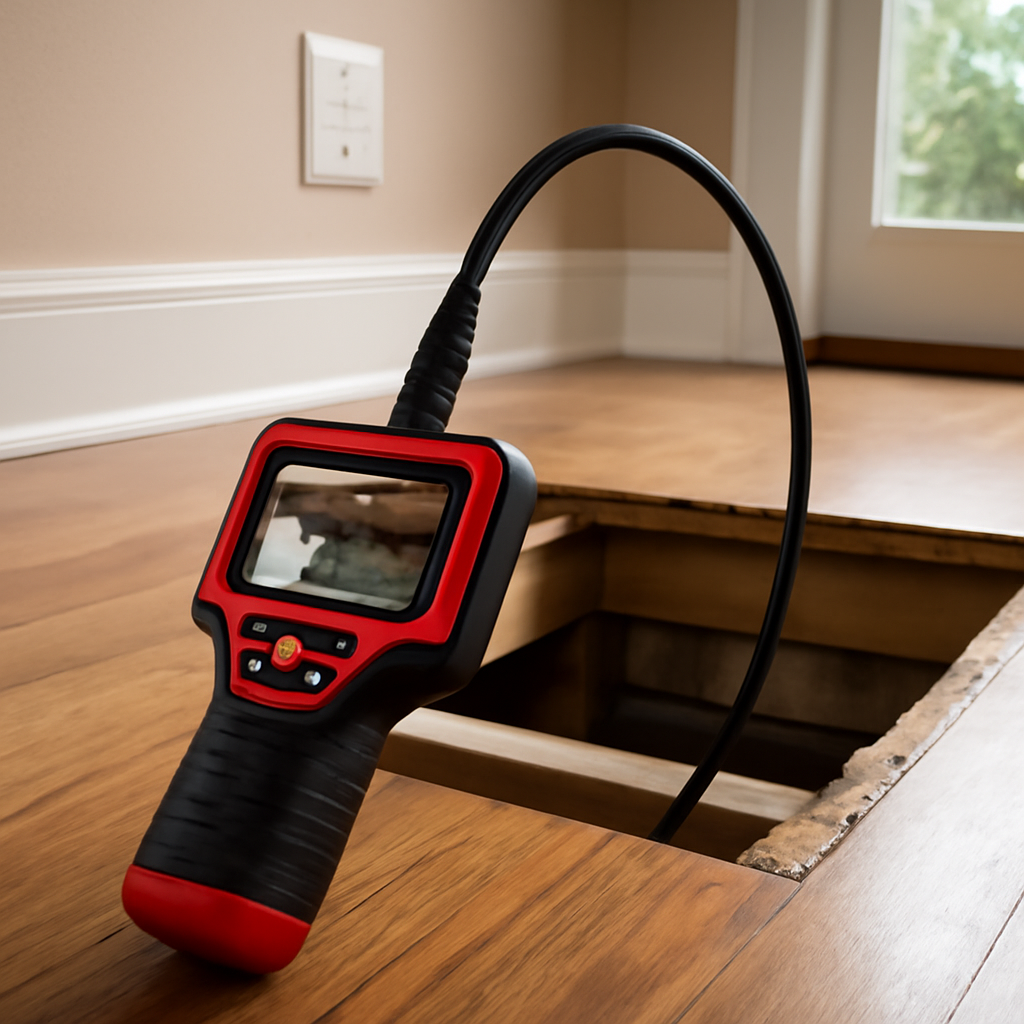
The Klein name is familiar to anyone who has shopped for hand tools, and the brand’s borescopes target the same audience: tradespeople and serious DIYers who want a durable inspection camera built for daily job-site use. As with any well-known brand in a tool category, the useful thing is to understand the class of device rather than fixate on a single model. A tradesperson-grade borescope occupies a clear middle ground between throwaway phone-clip cameras and high-end industrial scopes, and knowing what that tier offers helps a homeowner decide whether it fits the job.
Part of our Home Inspection Tools guide — start there for the full picture →
The reason to think in tiers rather than brands is that the features and build quality define the experience far more than the logo does. A durable cable, a reliable connection, a usable light, and a probe sized for your work matter on every job, while the name on the housing matters only insofar as it signals consistent quality. Approaching the purchase by asking what tier your needs fall into, then comparing the specifications within that tier, leads to a better outcome than chasing a familiar brand and hoping its tool suits your particular cavities.
What a tradesperson-grade borescope does
A borescope in this class is a flexible inspection camera: a slim probe with a camera and light at the tip, connected to a display or a smartphone, used to see inside spaces a person cannot reach without taking something apart. Electricians use them to trace wiring through walls and conduit. Plumbers feed them into drains. HVAC technicians inspect ducts. The common thread is reaching into a hidden cavity and getting a clear, lit view of what is there.
What distinguishes the tradesperson tier from a bargain camera is build quality and usability under real working conditions: a more durable cable, a better light source, a more reliable connection to the display, and often a sturdier housing that survives a job site. The core function is identical to any borescope, covered in our explainer on what a borescope is, but the execution is meant to hold up to repeated, hands-on use.
Features that matter in this class
Several practical features separate a good working borescope from a frustrating one, and they are worth weighing before any purchase.
Probe diameter and cable length
Probe diameter decides what openings the camera fits through, while cable length sets how far it reaches into a duct, drain, or conduit run. A slimmer probe accesses tighter gaps; a longer cable reaches deeper. Matching both to the spaces you actually inspect is the most important decision, more than any brand badge.
Display and connectivity
Some units include a dedicated handheld screen, while others stream wirelessly to a phone app. A built-in display avoids depending on a phone in awkward positions; a phone-connected model keeps the device lighter and cheaper. Each suits a different working style.
Light, resolution, and durability
Because every cavity is dark, a strong, adjustable light source is essential, and image resolution determines whether the lit view is actually usable. A waterproof probe matters for drains and wet spaces. Job-site durability, the difference between a tool that lasts years and one that fails in months, is precisely what the tradesperson tier charges extra for.
Articulation and accessories
Some units add an articulating tip that steers the camera head, letting the operator look around corners and aim at specific surfaces inside a complex cavity rather than just wherever the cable points. Accessory attachments, such as a hook or magnet for retrieving dropped objects or a mirror tip for side viewing, extend what the tool can do. These features add cost and are most worthwhile for someone who inspects varied cavities regularly, which is exactly the tradesperson audience this tier targets.
Where this tier sits in the borescope market
The borescope market spans three rough tiers, and understanding them clarifies what the tradesperson grade offers. At the bottom sit inexpensive phone-clip cameras and budget units, fine for a single look but prone to dim images, flimsy cables, and unreliable connections. At the top are high-end industrial and inspection scopes with exceptional optics, advanced articulation, and prices to match, aimed at professionals whose work demands the best image quality available.
The tradesperson tier occupies the productive middle. It costs more than a throwaway model but far less than an industrial instrument, and it trades the absolute best optics for durability, usability, and reliability under daily work conditions. For an electrician, plumber, or HVAC technician who reaches into hidden spaces routinely, that balance is exactly right: good enough image quality to do the job well, built tough enough to survive a truck and a job site, at a price a working professional can justify. Recognizing where a tool sits in this spectrum helps a buyer avoid both overpaying for industrial features they will not use and under-buying a fragile tool that fails when needed.
How homeowners and tradespeople use one
The applications span trades and household tasks alike. Electricians thread the probe through wall cavities to locate and route wiring. Plumbers inspect the inside of drain lines for clogs, roots, or breaks. HVAC technicians examine ducts for blockages or disconnections. Around the house, the same tool checks behind appliances, inside chimney flues, within wall cavities for water damage or pests, and behind built-in cabinetry.
For the electrician in particular, a borescope is a routing aid as much as an inspection tool. Fishing a new wire through a finished wall is far easier when you can see where the cavity opens up, where it is blocked by fire-blocking or insulation, and where a previously installed cable runs. The camera turns a blind, frustrating task into a guided one, saving both time and the unnecessary holes that come from guessing. Plumbers gain a similar advantage in drains, where seeing a blockage or a cracked pipe directly beats inferring it from how the line behaves.
The value in every case is replacing destructive investigation with a quick visual look. Instead of cutting a hole to find out whether a wall is damp behind the finish, an inspector feeds a borescope through a small opening and sees the answer. Our overview of the borescope inspection camera details how these tools fit a working inspection, and the broader home inspection tools hub shows where a visual probe sits among moisture meters and thermal cameras.
What a borescope cannot tell you
However durable or well-built, a borescope remains a visual tool, not a measuring one. It shows surface conditions: corrosion, cracks, debris, standing water, pest activity, or staining. It cannot tell you how wet a material is, how deep a crack runs, or what a discoloration is made of. Those questions require other instruments, which is why even a top-tier borescope works as one part of a kit rather than a complete diagnostic answer.
In practice, a borescope confirms and documents rather than diagnoses. An inspector might use a thermal camera to flag a cool anomaly, a moisture meter to confirm dampness, and then a borescope through a small bore hole to see the actual condition behind the finish. Each tool answers a question the others cannot. Treating the borescope as a confirmation-and-evidence device keeps expectations realistic.
The interpretation gap matters as much as the measurement gap. A borescope shows a surface in a magnified, oddly lit view that can make a harmless feature look alarming or a real problem look minor. Reading that view correctly takes familiarity with the specific cavity, and a tradesperson develops that familiarity over many jobs. An electrician knows what normal wiring and framing look like inside a wall; a plumber knows what a healthy drain interior looks like versus a failing one. The tool is the same across trades, but the knowledge that turns its image into a sound decision is specific to the work, which is why the camera alone is never the whole answer.
Choosing the right tier
For a homeowner facing a single inspection, a tradesperson-grade borescope may be more tool than the task warrants; an inexpensive phone-clip model or a short rental could suffice. The middle tier earns its price for someone who inspects regularly: a handyperson, a landlord managing several properties, or a trade professional who reaches into hidden spaces routinely. At that frequency, the durability, better light, and reliable display pay for themselves in time saved and frustration avoided.
Whatever the tier, match the probe diameter, cable length, and waterproofing to the work. The most expensive borescope is useless if its probe will not fit the opening you need to inspect, and a perfectly capable budget model handles most one-off household questions.
Caring for a borescope so it lasts
Part of what a tradesperson-grade tool offers is longevity, but that longevity depends on care. The probe and cable are the most vulnerable parts. Feeding the cable gently, without forcing it around tight bends or into blockages, prevents the kinked or broken cables that end most borescopes’ lives prematurely. After inspecting a drain or wet space, wiping the probe clean and drying it keeps grime and moisture from degrading the lens and light over time, even on a waterproof unit.
Storage matters too. Coiling the cable loosely rather than kinking it, keeping the lens protected from scratches, and storing the device away from extreme heat or cold all extend its working life. The light source and connection points reward a quick check before each use, since a borescope that will not light or connect at the moment you need it is no better than not owning one. None of this is demanding, but it is the difference between a tool that justifies its tradesperson-tier price over years and one that fails early despite being well built.
Borescope versus other inspection tools
A borescope is one instrument in a larger kit, and it is worth knowing where it stops and other tools begin. It shows what a surface looks like inside a cavity, which no other common tool does directly. But it cannot measure temperature the way a thermal camera does, cannot quantify moisture the way a meter does, and cannot detect what is behind an intact surface without an opening to enter. Each of those gaps is filled by a different instrument.
The strongest inspections use these tools together rather than relying on any one. A thermal camera scans broadly and flags an anomaly, a moisture meter confirms whether a flagged spot is actually wet, and a borescope through a small opening reveals the physical condition causing it. The borescope’s role in that chain is to provide the direct visual confirmation that turns indirect readings into certainty. Understanding it as a confirmation-and-documentation tool, complementary to the measuring instruments rather than a replacement for them, is the key to using it well whatever tier you buy.
When to call a professional
A borescope lowers the barrier to looking inside things, but it does not supply the judgment to interpret the view. Identifying a stain or a crack is easy; deciding whether it signals an active problem, old damage, or something harmless takes training. For consequential questions, such as suspected structural issues, hidden mold, a sewer-line concern, or anything affecting a home purchase, a borescope finding should prompt a professional assessment rather than a DIY conclusion. The tool gathers the picture; an inspector or tradesperson explains what it means and what to do about it. For a homeowner, the practical rule is to use a borescope to satisfy simple curiosity and gather evidence, then hand that evidence to a professional when the stakes or the ambiguity rise beyond what an untrained look can settle.
The decision of whether to buy a tradesperson-grade borescope at all comes back to frequency and durability. For the person who reaches into hidden spaces routinely, an electrician, a plumber, a landlord, or a dedicated DIYer, the middle tier’s reliability and build quality earn their cost over many jobs. For a single household question, a rental or a budget model is the smarter spend. Matching the purchase to how often you will genuinely use the tool, and the conditions you will use it in, is the surest way to end up with a borescope that serves you well rather than one that either fails early or sits unused after a single inspection.
More Questions About Klein Borescopes
Can a borescope see inside a wall without cutting a big hole?
Yes, a borescope can look inside a wall through a small hole, usually about 1/2 inch or slightly larger depending on the probe diameter. Drill the hole in a spot that is easy to patch, such as behind a switch plate or near the baseboard, and check for wiring and pipes first with a stud finder or by shutting off power. The camera shows insulation, framing, pests and visible water staining, but the view is limited to a few feet around the hole. Insulation often blocks the image, so expect partial views.
Is a borescope worth buying for occasional home repairs?
A borescope is worth buying for occasional home repairs if you regularly troubleshoot plumbing, run cables or investigate leaks and pests in walls. Entry-level units are inexpensive and good enough for spotting a dropped part or looking behind an appliance. A tradesperson-grade camera adds a tougher cable, better lighting and articulation, which pays off with frequent use. For a single job, such as checking one wall cavity, borrowing a camera or hiring an inspector may make more sense than buying one.
Can a borescope be used to inspect a drain or sewer line?
A handheld borescope can inspect the first few feet of a drain, such as a sink trap arm or a tub drain, but it is not a substitute for a sewer camera. Most borescope cables are short, stiff and not designed to push through bends and long runs of pipe. A dedicated sewer camera uses a long, flexible push rod and a self-leveling head to travel tens of feet to the main line. For suspected root intrusion, sags or breaks in a sewer lateral, a plumber’s sewer scope is the right tool.
Is a borescope probe waterproof?
Most tradesperson-grade borescope probes are water-resistant at the camera head, often rated around IP67, which allows brief submersion in shallow water. The handle, display and connections are usually not waterproof and should stay dry. Check the rating on the specific model before pushing the camera into a flooded trap or toilet. After any wet use, wipe and dry the probe, and clean it with a mild disinfectant if it has been in drain or sewage water.
References
- Residential Standards of Practice — InterNACHI
- International Building and Residential Codes — International Code Council
- Mold Cleanup in Your Home — U.S. Environmental Protection Agency
Frequently asked questions
What is a tradesperson-grade borescope good for?
It is a durable flexible inspection camera built for repeated job-site use. Electricians trace wiring with it, plumbers inspect drains, and HVAC technicians examine ducts. The tier offers better build quality, lighting, and display reliability than a bargain camera, suiting frequent hands-on inspection work.
What features matter most when choosing a borescope?
Probe diameter determines what openings it fits, and cable length sets how far it reaches, so match both to your tasks first. A strong adjustable light, usable resolution, a waterproof probe for wet spaces, and a reliable display or phone connection round out the priorities.
Should a homeowner buy a tradesperson-grade borescope?
For a single inspection it may be more tool than needed; an inexpensive phone-clip model or a rental often suffices. The middle tier pays off for those who inspect regularly, such as a handyperson, landlord, or tradesperson, where durability and reliability save time over many uses.
Can a borescope measure moisture or crack depth?
No. A borescope is a visual tool that shows surface conditions like cracks, corrosion, and standing water, but it cannot measure how wet a material is or how deep a crack runs. Those questions require a moisture meter or other instruments alongside the camera.
Can a borescope find mold inside a wall?
A borescope can show visible mold growth or water staining inside a wall cavity, but it cannot confirm what the growth is or measure moisture. Pair it with a moisture meter to find damp areas, and use a qualified mold inspector or laboratory testing when identification matters.
What probe diameter is best for home use?
For most home use, a borescope probe of roughly 5 to 8.5 millimeters is a practical choice. Smaller probes fit tight gaps and small drill holes, while larger heads often carry brighter lights and better image quality. Many homeowners find a mid-size probe covers walls, appliances and engine bays well.
Can a borescope record video for a contractor?
Yes, most current borescopes record photos and video, either to an internal memory card or to a phone app over Wi-Fi. Saved clips are useful for showing a contractor or insurance adjuster exactly what was found inside a wall, cabinet or appliance without opening it up further.
Borescopes & inspection cameras
A borescope lets you see inside walls, ducts, drains, and crawlspaces without opening anything up.
| Product | Why | Buy |
|---|---|---|
 DEPSTECH Wireless Borescope | Wi-Fi to your phone; semi-rigid cable. | Amazon — $29.99 |
 Teslong Dual-Lens Borescope | Side + front view; good for ducts. | Amazon — $119.99 |
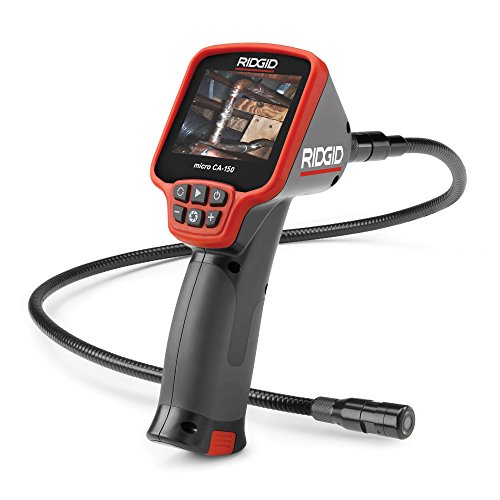 Ridgid micro CA-150 | Rugged handheld with screen. | Amazon — $285.79 |