How Long Does It Take for Black Mold to Grow?
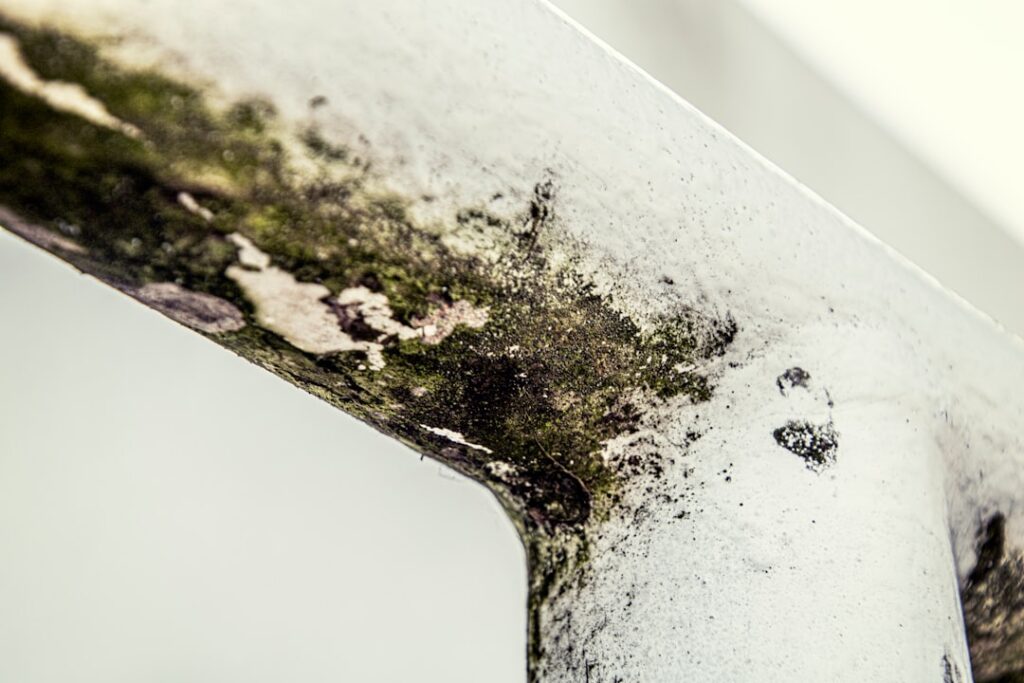
After a leak, a flood, or a spell of high humidity, one question matters more than almost any other: how fast can mold take hold. The answer drives the single most effective defense against mold damage — drying wet materials quickly. Understanding how long it takes for black mold to grow, and the conditions that speed it up, helps homeowners act inside the window where prevention is still possible rather than facing remediation later. This guide summarizes EPA and CDC guidance current as of 2026 — consult a physician for symptoms and a certified professional for testing and remediation decisions.
Part of our Black Mold & Your Health guide — start there for the full picture →
Is this mold, asbestos, or water damage? Get a free instant screen
Upload a clear photo of the suspect area. You'll get an instant AI screening opinion and what to do next. This is screening guidance, not a professional determination.
Screening guidance only. AI can be wrong. Confirm asbestos, mold type, or lead with lab testing or a licensed professional before acting.
How Long Does It Take for Black Mold to Grow?
Under the right conditions, mold can begin to grow within 24 to 48 hours of a surface becoming wet. The U.S. Environmental Protection Agency uses this same window in its guidance, advising that water-damaged materials be dried within 24 to 48 hours to prevent mold growth. That early growth may not be visible, but the colony is establishing itself on the damp material.
Visible mold typically appears a few days later, often within three to twelve days, as the colony matures enough to be seen. “Black mold” in the sense of Stachybotrys chartarum usually takes longer — that species needs sustained saturation over a week or more on cellulose-rich materials, which is why it signals prolonged water damage rather than a fresh spill. The distinction between fast-growing common molds and the slower Stachybotrys is explored in the guide on Stachybotrys mold, and the timeline principles run through the mold inspection and testing hub.
The 24-to-48-Hour Rule After Water Damage
This rule is the cornerstone of mold prevention. Whether the water comes from a burst pipe, an appliance failure, a roof leak, or a flooded basement, the clock starts the moment materials get wet. Dry them thoroughly within that window and mold usually never establishes. Let them stay wet past it, and the odds of growth climb steeply.
That is why professional water-damage restoration moves so fast — extraction, air movers, and dehumidifiers deployed immediately. For a homeowner, the same urgency applies: remove standing water, pull up soaked carpet and padding, open walls if necessary to dry the cavity, and run fans and a dehumidifier continuously. Materials that cannot be dried within the window, like saturated drywall and insulation, are often better removed than gambled on. The connection between water events and mold is detailed in the guide on mold from water damage.
What Speeds Up Black Mold Growth
The 24-to-48-hour figure assumes favorable conditions. Several factors push growth toward the fast end of the range or beyond.
- Temperature. Most molds thrive in the same warm range people find comfortable, roughly 60 to 80 degrees Fahrenheit. A heated home in winter is a comfortable environment for mold too.
- Humidity. Relative humidity above 60 percent accelerates growth; below 50 percent slows it sharply, which is why the EPA and CDC cite that threshold.
- Food source. Cellulose-rich materials — drywall paper, wood, cardboard, fabric — feed mold faster than nonporous surfaces.
- Standing water versus damp. Saturated materials grow mold faster than merely humid ones.
- Poor airflow. Stagnant air keeps surfaces wet longer; ventilation helps them dry.
When several of these align — a warm, humid, poorly ventilated room with soaked drywall — mold can appear at the early edge of the window. Colorado’s dry climate works in homeowners’ favor here, since low ambient humidity helps materials dry faster, but a flooded basement that stays closed up can still hit the conditions mold needs.
Why Fast Drying Is the Best Defense
Because growth hinges on how long materials stay wet, speed of drying is the variable a homeowner can most directly control. There is no way to make a wet, cellulose-rich material immune to mold; the only reliable defense is to remove the moisture before the colony establishes.
That means treating any water event as urgent, not waiting to “see if it dries on its own.” A small leak under a sink that goes unnoticed for a week is more likely to grow mold than a major burst pipe that gets dried within hours. Moisture meters help confirm materials are truly dry, not just dry to the touch — wood and drywall can hold hidden moisture that keeps feeding mold. The same fast-drying logic applies to the recurring basement issues covered in the guide on black mold in basement spaces.
How to Stop Mold Before It Starts
Prevention is a matter of denying mold the moisture and time it needs. A few habits keep the home outside the growth window.
- Keep humidity below 50 percent. Use a dehumidifier and a hygrometer to stay under the threshold year-round.
- Act on leaks immediately. Repair and dry within 24 to 48 hours, every time.
- Ventilate moisture sources. Bathroom and kitchen fans vented outside remove humid air at the source.
- Inspect after water events. Check behind and under wet areas, not just the visible surface.
- Address chronic moisture. Foundation seepage, condensation, and poor drainage create the sustained dampness that grows Stachybotrys over time.
The slower-growing, more concerning black mold species generally need that chronic dampness, so eliminating ongoing moisture sources prevents the worst-case scenarios before they can develop.
From First Spore to Visible Colony: The Stages
Mold growth is not a single event but a progression, and understanding the stages clarifies why timing matters. It begins with spores, which are present in essentially all indoor and outdoor air. These microscopic particles are harmless while dry and airborne; they become a problem only when they land on a damp surface that offers food.
Once a spore settles on wet, suitable material, germination starts. Within the 24-to-48-hour window the EPA cites, the spore puts out hyphae — thread-like filaments that penetrate the material and absorb nutrients. This early colony is not yet visible, but it is actively establishing. Over the following days, the colony expands and matures, and around the three-to-twelve-day mark it typically becomes visible as a discoloration or fuzzy patch. As it matures further, it produces new spores, which disperse to colonize other damp surfaces, continuing the cycle.
The slower-growing Stachybotrys chartarum, the species behind the toxic black mold reputation, lags this timeline considerably, often needing a week or more of sustained saturation on cellulose-rich material before it establishes. This is why its presence signals prolonged water damage rather than a fresh event. The practical lesson across all these stages is that the early window — before visible growth — is when intervention is easiest and cheapest. Drying material within a day or two interrupts germination before a colony forms, which is far simpler than removing an established, sporulating colony later. For Front Range homeowners racing to dry a snowmelt-flooded basement, acting in that first 48 hours can mean the difference between no mold at all and a remediation project.
When to Call a Professional
Call a professional when a water event has saturated materials you cannot dry within 48 hours, when mold has already appeared over an area larger than about 10 square feet, when the water was sewage or floodwater, when growth is hidden behind walls or in the HVAC, or when occupants have asthma, allergies, or weakened immune systems. Fast professional drying after major water damage can prevent mold entirely.
A restoration or remediation contractor following the IICRC S520 standard has the extraction and drying equipment to beat the growth window and the verification tools to confirm materials are truly dry. In Colorado, prompt response after spring snowmelt flooding is the difference between a dry-out and a full remediation.
How Different Materials Affect the Timeline
The 24-to-48-hour window is a general guide, but the actual speed of growth depends heavily on what got wet. Materials rich in cellulose — the carbohydrate mold feeds on — support faster colonization than inert surfaces. Drywall with its paper facing, untreated wood, cardboard, paper, fabric, and carpet are all fast growers because they combine food and the ability to hold moisture.
Nonporous materials behave differently. Glass, glazed tile, metal, and sealed surfaces do not absorb water or provide food, so mold grows on them only if dust and organic film accumulate on the surface and stay wet. Even then, it cleans up readily because there is no porous core for the colony to anchor in. Concrete and masonry fall in between — they are porous and can hold moisture, but they lack the cellulose that drywall offers, so growth tends to be slower and more surface-bound.
This is why a flooded room with carpet and drywall is a more urgent drying job than the same flood in a tiled, concrete-floored utility room. The cellulose-heavy materials are racing toward the early edge of the growth window, while the nonporous surfaces buy more time. Prioritizing the drying or removal of porous materials first reflects where mold will take hold soonest, and it is the logic professional restoration crews follow when they triage a water-damaged home.
Hidden Growth and the Smell Test
One of the trickiest aspects of mold timing is that growth often begins out of sight, inside wall cavities, under flooring, or behind cabinets, before any visible sign appears on the surface. A leak inside a wall can be feeding a colony for days while the painted exterior looks perfectly normal. By the time staining bleeds through or the surface bubbles, the hidden growth may be well established.
Smell is frequently the earliest detectable clue. A musty, earthy odor with no visible source often signals mold growing in a concealed space, sometimes appearing before any stain. Trusting that smell and investigating promptly — checking behind furniture, under sinks, around windows, and in the basement — can catch growth in its early days when remediation is simplest. A moisture meter helps locate the wet material driving the odor.
The practical lesson is that the growth clock can be running before you have visual confirmation. After any water event, the safe assumption is that hidden materials are wet and at risk, so thorough drying and inspection beat waiting for visible proof. Along the Front Range, basements that take on water during spring snowmelt are the classic case: the visible floor may dry while drywall, padding, and the wall cavity stay wet long enough to grow mold unseen. Acting on the assumption that the clock is ticking, rather than waiting for a stain or smell, is what keeps a quick dry-out from becoming a full remediation.
Key Takeaways on Mold Growth Timing
Under the right conditions, mold can begin establishing within 24 to 48 hours of a surface getting wet, which is why the EPA advises drying water-damaged materials within that window. Visible growth usually appears within three to twelve days, while the slower Stachybotrys species often called black mold typically needs a week or more of sustained saturation — its presence signals prolonged water damage rather than a fresh event.
Several factors speed growth: warm temperatures, humidity above 60 percent, cellulose-rich materials like drywall and wood, standing water rather than mere dampness, and poor airflow. Because the timeline hinges on how long materials stay wet, fast drying is the defense homeowners most directly control. Treat every water event as urgent, prioritize porous materials that grow mold fastest, trust a musty smell as an early warning of hidden growth, and confirm dryness with a moisture meter rather than touch. For Front Range homeowners racing to dry a snowmelt-flooded basement, acting within that first 48 hours can mean no mold at all instead of a remediation project.
References
- A Brief Guide to Mold, Moisture and Your Home — U.S. Environmental Protection Agency
- Mold Cleanup and Remediation Guidance — Centers for Disease Control and Prevention
- Mold Cleanup in Your Home — U.S. Environmental Protection Agency
Frequently asked questions
How long does it take for black mold to grow after water damage?
Mold can begin growing within 24 to 48 hours of a surface getting wet, which is why the EPA advises drying water-damaged materials within that window. Visible mold usually appears within three to twelve days. The Stachybotrys species often called black mold typically needs a week or more of sustained saturation.
Can mold grow in 24 hours?
Yes, under favorable conditions mold can begin establishing within 24 hours, though it may not be visible yet. Warmth, humidity above 60 percent, a cellulose food source like drywall, and standing water all speed it up. Drying materials fast is the most reliable way to prevent it.
What conditions make black mold grow faster?
Warm temperatures around 60 to 80 degrees, relative humidity above 60 percent, cellulose-rich materials like drywall and wood, standing water rather than mere dampness, and poor airflow all accelerate growth. When several align in a closed-up room, mold can appear at the early edge of the 24-to-48-hour window.
How do I prevent mold after a leak or flood?
Dry everything within 24 to 48 hours: remove standing water, pull up soaked carpet and padding, open wall cavities if needed, and run fans and a dehumidifier continuously. Use a moisture meter to confirm materials are truly dry. Discard saturated drywall and insulation that cannot be dried in time.
If a recent leak or flood has you racing the clock to dry things out, a vetted Front Range professional can confirm whether materials are truly dry or already at risk. Get in touch through our contact page.