How Fast Does Black Mold Grow: A Clear Guide
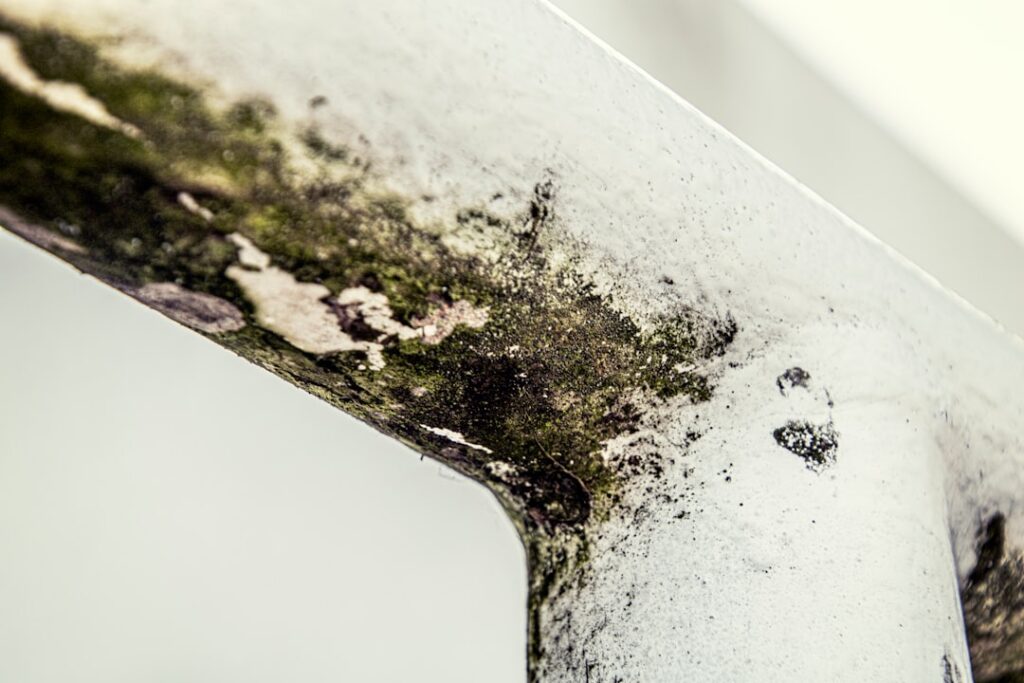
After a leak or flood, the clock starts immediately. Mold can begin growing on damp materials within 24 to 48 hours under the right conditions, which is why drying out water damage fast matters so much. How fast black mold grows from there depends on temperature, humidity, the material it lands on, and how long the moisture lingers. Understanding the timeline helps you act before a small wet spot becomes a remediation project. This guide summarizes EPA and CDC guidance current as of 2026; it is general information, not a substitute for a physician’s advice on symptoms or a professional’s assessment of contamination.
Part of our Black Mold & Your Health guide — start there for the full picture →
Is this mold, asbestos, or water damage? Get a free instant screen
Upload a clear photo of the suspect area. You'll get an instant AI screening opinion and what to do next. This is screening guidance, not a professional determination.
Screening guidance only. AI can be wrong. Confirm asbestos, mold type, or lead with lab testing or a licensed professional before acting.
How Fast Does Black Mold Grow?
The widely cited benchmark from the EPA is that mold can begin to grow on wet materials within 24 to 48 hours. That early growth is not yet visible, the spores are germinating and sending out the thread-like hyphae that establish a colony. Within a few days to a couple of weeks, depending on conditions, the growth becomes visible as discoloration, and a recognizable colony can be established.
This is why the EPA’s flood and water-damage guidance emphasizes drying wet materials within 24 to 48 hours: doing so usually prevents mold from getting a foothold at all. After that window, the odds of growth rise quickly. “Black mold” is a common description rather than a single species, but the timeline applies broadly to the molds that colonize damp building materials. The exact speed varies, but the practical rule is simple: dry fast, and you usually win. It is worth treating that 24-to-48-hour figure as a deadline rather than a guideline, because once it passes the situation can shift from a cleanup you control to a remediation that controls your schedule and budget.
What Speeds Up Mold Growth
Several conditions accelerate the timeline.
Moisture and humidity
Standing water and saturated materials grow mold fastest. Even without standing water, indoor relative humidity above 60 percent keeps surfaces damp enough for growth. The EPA recommends keeping humidity between 30 and 50 percent to discourage mold.
Temperature
Most household molds favor warm conditions, roughly the same comfortable temperatures people prefer. Warmth combined with moisture speeds colonization, which is part of why summer leaks and humid bathrooms grow mold quickly.
Material and food source
Porous, organic materials grow mold fastest. Paper-faced drywall, cardboard, wood, carpet, and ceiling tile offer abundant food and absorb water, so they colonize faster than non-porous tile or metal. A wet sheet of drywall can begin growing mold well before a damp tile floor would.
Why the 24 to 48 Hour Window Matters So Much
The first two days after water intrusion are the most important for prevention. If you extract the water, remove saturated porous materials, and dry the area thoroughly within that window, you often stop mold before it starts. Wait longer, and you shift from prevention to remediation, which is more expensive and disruptive.
Practical fast-response steps: stop the water source, remove standing water, pull up wet carpet and pad, open windows or run a dehumidifier, and deploy fans to move air across wet surfaces. Our guide to using a dehumidifier for mold removal covers drying out a damp space, and the broader mold inspection and testing hub explains how to assess water damage. Hidden moisture inside walls or under floors is the catch, since it dries slowly and grows mold out of sight.
How Long Until Mold Becomes Visible and Established
The progression typically runs like this. In the first 24 to 48 hours, microscopic germination begins on damp materials. Over the following days, hyphae spread and the colony develops. Within roughly one to two weeks, visible discoloration and a musty smell usually appear, and the colony is producing spores that can spread to other damp areas.
Once mold is visibly established, the response shifts. Surface mold on hard, non-porous materials can be cleaned; mold that has colonized porous materials like drywall and carpet generally means those materials are removed and replaced, per EPA guidance. The longer moisture persists, the more material becomes involved. Our guide to mold in basement spaces shows how slow, ongoing dampness leads to widespread growth over time rather than overnight.
The timeline also explains why two seemingly similar leaks can have very different outcomes. A pipe that bursts and is dried within hours may leave no mold at all, while an identical leak discovered weeks later behind a cabinet can mean extensive hidden growth and a real remediation. The variable is not the amount of water so much as how long materials stayed wet. This is why homeowners who respond fast, even imperfectly, usually come out far ahead of those who wait to see whether a damp spot becomes a problem. When in doubt after any water event, dry aggressively and check back, rather than assuming a small amount of moisture will simply evaporate on its own.
The Mold Life Cycle, Briefly
It helps to picture what is happening at the microscopic level. Mold spores are everywhere, indoors and out, floating in normal air and resting on surfaces. They are essentially dormant seeds waiting for the right conditions. When a spore lands on a material that is damp and offers food, it germinates, sending out a thread called a hypha. Those threads branch and spread into a network called mycelium, which is the colony, and once mature the colony produces new spores that disperse to colonize other damp spots.
The 24-to-48-hour figure marks the germination stage, when dormant spores wake up on wet material and begin to grow. You will not see anything yet, but the process is underway. Over the following days the mycelium spreads beneath the surface, and only later does enough growth accumulate to become visible discoloration. By the time you can see a patch, the colony is well established and likely producing spores. This is why early, invisible moisture is so important to catch: the visible stage is already advanced, and intervening during germination, by drying everything out, stops the cycle before a colony forms.
The First 48 Hours: A Practical Response Plan
Because the growth window is short, having a plan for the first two days after water intrusion is the most valuable thing a homeowner can do. The moment you discover water, stop the source if you can, shut off a supply line, place a bucket under a drip, or tarp a roof leak. Then remove standing water with a wet vacuum or mop, and get air moving immediately.
Pull up and remove anything that traps water: wet carpet and padding, soaked rugs, and any items sitting in the water. Open cabinet doors and remove wet contents so air reaches hidden surfaces. Set up fans to blow across wet materials and run a dehumidifier to pull moisture from the air. Check behind baseboards and inside wall cavities, since water wicks into materials and dries slowly out of sight. If materials cannot be dried within that 24 to 48 hour window, especially porous ones, removing them is often smarter than gambling on a slow dry-out.
Hidden Mold: Where Slow Growth Hides
The 24-to-48-hour figure assumes you know the material is wet. The real danger is moisture you cannot see, which dries slowly and grows mold out of sight for weeks before anyone notices. Water travels: a leak at a roof can show up as ceiling mold rooms away, and a slow plumbing drip inside a wall can saturate framing and insulation while the painted surface looks fine.
Common hiding spots include wall cavities behind intact drywall, the subfloor beneath finished flooring, the back side of cabinets, inside HVAC ducts, and under bathroom and kitchen fixtures. A musty smell with no visible source is often the first clue that hidden mold is established. Moisture meters and thermal imaging let professionals find damp materials behind surfaces, which is why a lingering odor after water damage warrants investigation rather than waiting for visible growth. Our guide to mold detection services explains how concealed moisture is traced.
Health Context
The speed of growth matters for health because the sooner you remove mold, the less exposure occupants get. The CDC reports that mold exposure can cause nasal congestion, throat irritation, coughing, and wheezing, with stronger reactions in people who have asthma or weakened immune systems. There is no safe long-term reason to let known mold sit. Anyone with persistent symptoms they connect to the home should consult a physician, while the building itself gets dried and cleaned.
How Different Materials Affect the Timeline
The same leak grows mold at very different rates depending on what gets wet. Paper-faced drywall and cardboard are among the fastest because they combine an absorbent structure with abundant cellulose food; a soaked sheet of drywall can show growth toward the early end of the 24-to-48-hour window. Carpet and its padding hold water deep in the fibers and dry slowly, so they support growth quickly and are hard to salvage once colonized.
Wood falls in the middle. Framing lumber and subfloor absorb water and feed mold, but solid wood dries somewhat faster than saturated drywall and can sometimes be cleaned and saved if dried promptly. Insulation varies: paper-backed fiberglass and cellulose insulation hold moisture and grow mold, while some inorganic insulations resist it. Non-porous materials like tile, glass, metal, and sealed surfaces grow mold slowest, because there is no absorbent structure to hold water and no cellulose to eat, only the thin film of surface dust. This is why, after water damage, the porous materials are the ones professionals rush to dry or remove first.
Why Speed Beats Cleanup Every Time
The economics make the case for fast response. Drying a wet area within the first day or two often costs little more than the electricity to run fans and a dehumidifier, plus your time. Letting that same area grow mold turns it into a remediation project with containment, demolition, disposal, and rebuild, easily into the thousands of dollars. The difference between a non-event and an expensive remediation is frequently just how quickly someone acted.
This is also why monitoring matters in homes prone to leaks. Water sensors near water heaters, washing machines, sump pits, and under sinks alert you to intrusion while it is still small enough to dry. Catching a slow leak in hours rather than discovering it weeks later as visible mold changes the entire trajectory. The broader lesson from the mold-growth timeline is simple and worth internalizing: moisture control and speed prevent the problem, while cleanup only reacts to it after the colony has had time to establish.
When to Call a Professional
Call a remediation contractor when water damage is extensive, when materials have been wet for more than 24 to 48 hours and you cannot dry them yourself, when mold covers more than about 10 square feet, when contaminated water from sewage or flooding is involved, or when occupants have health concerns. The CDC recommends a physician evaluate persistent symptoms. Professionals have the extraction and drying equipment to beat the growth window on a large loss, which a few household fans cannot match. For cost expectations, see our mold remediation cost guide.
References
- A Brief Guide to Mold, Moisture and Your Home — U.S. Environmental Protection Agency
- Mold Cleanup in Your Home — U.S. Environmental Protection Agency
- About Mold and Health — Centers for Disease Control and Prevention
- Mold and Dampness — American Lung Association
Frequently asked questions
How fast does black mold grow after a leak?
Mold can begin growing on damp materials within 24 to 48 hours under the right conditions, according to the EPA. Visible growth and a musty smell typically appear within one to two weeks if the moisture is not dried out.
Can I stop mold by drying water damage quickly?
Yes. Drying wet materials thoroughly within 24 to 48 hours usually prevents mold from establishing. Stop the water source, remove standing water and saturated porous materials, and run fans and a dehumidifier.
What makes mold grow faster?
Standing water, indoor humidity above 60 percent, warm temperatures, and porous organic materials like drywall, cardboard, and carpet all speed growth. Non-porous surfaces like tile and metal colonize more slowly.
When should I call a professional after water damage?
Call a professional when the damage is extensive, when materials have been wet beyond 24 to 48 hours, when mold exceeds about 10 square feet, or when contaminated water or occupant health concerns are involved.
If water damage has been sitting and you are worried about hidden mold, contact us here to connect with a vetted Front Range inspector who can check for moisture before it spreads.