Groundhog Removal: Burrows, Foundation Risk and Exclusion
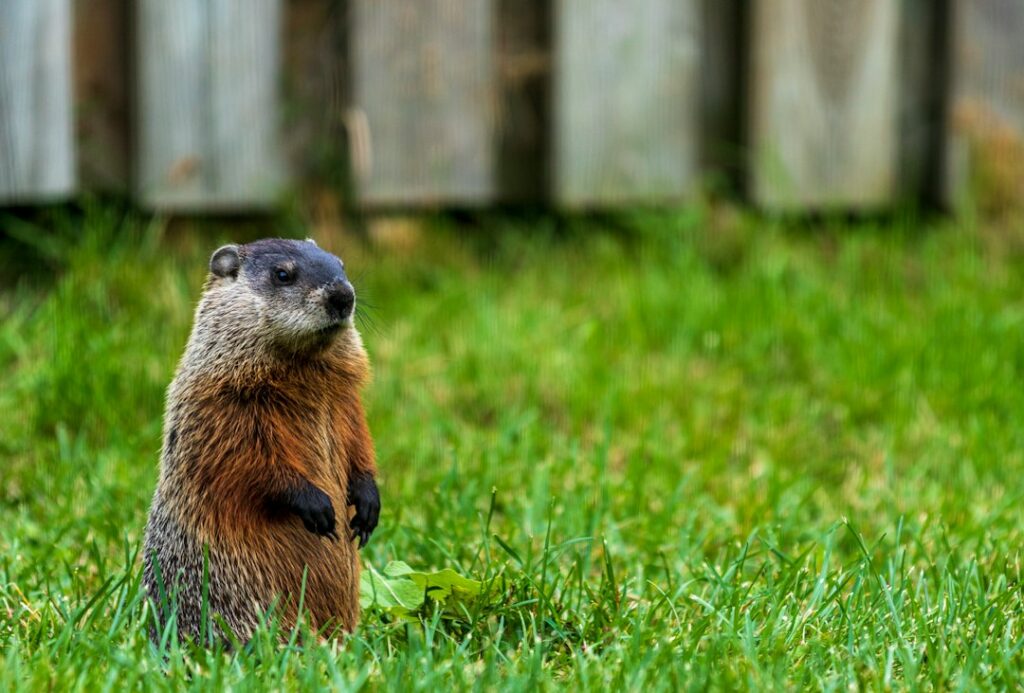
Groundhog removal is usually done by excluding the animal from its burrow with a one-way door, then closing the burrow and installing buried fencing or an L-shaped wire footer so it cannot dig back under a foundation, slab, deck or shed. Trapping is an option where the state allows it, but relocation is restricted in many states. Typical national pricing runs from a few hundred dollars for one burrow to well over a thousand when long footers, several burrows or repairs to undermined patios and steps are involved.
Part of our Specialty Home Inspections guide — start there for the full picture →
Groundhogs, also called woodchucks, are large burrowing rodents found mainly across the eastern and central United States and Canada. They are much less common in Colorado, so Front Range homeowners who see a burrow next to the foundation are more often dealing with prairie dogs, rock squirrels or another digger, and the rules for those species vary. This guide covers how to identify the animal, why burrows near a house matter, what a professional does, what drives the cost and how to protect footings and patios. It is general information current as of 2026, not legal advice: trapping, relocation and lethal control are regulated by your state wildlife agency.
Quick Reference: Burrow Signs and What to Do
| Sign | What it usually means | What to do |
|---|---|---|
| Hole about 10 to 12 inches wide with a large fan of fresh soil in front | Main groundhog burrow entrance | Look for secondary holes; plan exclusion |
| Smaller, hidden holes nearby with no soil mound | Escape or “plunge” holes | Find and close these first, leaving the main entry for a one-way door |
| Burrow next to a foundation wall, under a stoop or along a slab edge | Risk of soil loss beneath footings or concrete | Have the structure checked; prioritize exclusion and backfill |
| Patio pavers or steps settling, tilting or cracking | Undermining from tunneling or erosion | Investigate the void before resetting or repairing |
| Garden plants eaten to the ground, gnawed wood or siding | Groundhog or other rodent feeding nearby | Fence gardens; check for a den under nearby structures |
| Many small holes in an open field or yard with a colony of animals calling | On the Front Range, often prairie dogs | Identify the species; check state and local rules before acting |
| Animal out acting unafraid, aggressive or unsteady | Possible illness | Keep people and pets away; call animal control |
Is It Really a Groundhog? Front Range Look-Alikes
Groundhogs are stocky, grizzled brown animals that can weigh several pounds, with short legs, small ears and a short furry tail. They are active in daylight, especially in the morning and early evening, and they hibernate through much of the winter. In much of the East and Midwest they are one of the most common animals digging under decks and sheds.
In Colorado, groundhogs are uncommon, and on the Front Range a burrow near the house is more often the work of something else. Getting the species right matters, because the method and the legal rules depend on it.
| Animal | Typical signs | Notes |
|---|---|---|
| Groundhog (woodchuck) | Single large burrow with a big dirt mound and one or more hidden secondary holes; animal seen alone | Uncommon in Colorado; widespread in the eastern and central U.S. |
| Prairie dog | Many burrows with raised, cone-shaped mounds; colony of animals giving sharp alarm calls | Common on open land and suburban edges along the Front Range; rules vary by species and location |
| Rock squirrel | Burrows under rocks, retaining walls, patios and foundations; large gray squirrel with a bushy tail | Common in foothill and rocky areas; also climbs |
| Skunk | Softball-sized hole under a deck or stoop; musky odor; activity at night | Den rather than a tunnel system |
| Fox | Larger den entrance with prey remains nearby; kits playing outside in spring | Seen in many Front Range suburbs and open space |
| Pocket gopher or vole | Fan-shaped mounds with plugged holes (gophers) or surface runways in grass (voles) | Lawn damage more than structural risk |
A trail camera pointed at the hole for two or three days is the simplest way to confirm the species. Prairie dogs in particular are subject to state and sometimes local rules that can differ from those for other rodents, so check your state wildlife agency’s rules and your municipality before trapping, fumigating or relocating anything.
Why Burrows Near a House Are a Problem
A single groundhog can move a surprising amount of soil, and a burrow system often includes several tunnels, chambers and secondary exits. Out in a field that is harmless. Next to a house it can cause real damage.
Footings and foundations
Foundations depend on stable, compacted soil around and beneath the footing. A tunnel running along or under a footing removes some of that support and creates a channel for water. Water flowing into the burrow can erode more soil and add pressure against basement and crawl-space walls. A healthy concrete foundation will not collapse because of one burrow, but repeated tunneling, especially combined with poor drainage, can contribute to settlement, cracking or water entry over time.
Slabs, patios, stoops and steps
Concrete slabs and paver patios are more vulnerable than foundations because they rest directly on the soil surface. Tunnels under a slab can leave voids that lead to cracking, tilting steps, sunken pavers or a hollow sound when tapped. Air-conditioning pads and walkway slabs often show this first.
Decks, sheds and utilities
Burrows around deck footings can loosen posts set in soil. Groundhogs also gnaw wood, so they may chew on shed framing, deck skirting and siding. Tunnels can expose or follow buried utility lines and irrigation pipes, and they create a hazard for anyone mowing or walking the yard.
How to Check for Undermining Yourself
Before calling anyone, a short walk around the house shows whether a burrow is a yard nuisance or a structural concern. None of these checks requires going into the hole.
- Measure the distance. Note how far the burrow entrance is from the foundation, slab, stoop or deck footing. A hole several feet out in the lawn is less urgent than one tight against a wall.
- Tap the concrete. Lightly tap patios, walkways, steps and air-conditioning pads with a rubber mallet or the end of a broom handle. A hollow, drum-like sound over an area can indicate a void underneath.
- Look for movement. Fresh cracks, a step that has tilted toward or away from the house, pavers that have dropped and gaps opening between a slab and the foundation all suggest soil loss.
- Check inside. In a basement or crawl space below the burrow, look for new cracks, damp spots, soil washing in or daylight at the sill.
- Watch after rain. Water that disappears quickly into the hole or ponds against the foundation tells you the burrow is acting as a drain toward the house.
Take dated photos of anything you find. They help the wildlife professional plan the backfill, and they give a foundation or concrete contractor a baseline if movement continues after the animal is gone.
Health and Safety Considerations
Groundhogs are not considered a primary rabies carrier in the way bats, raccoons, skunks and foxes are, which the CDC lists as the animals most frequently found with rabies in the United States. The CDC also notes that any mammal can get rabies. Its prevention guidance applies to any wild animal: keep your distance, never approach an animal that looks injured, sick or dead and call animal control for help instead of handling it. Anyone bitten or scratched should wash the wound and contact a healthcare provider or health department promptly.
Groundhogs have large incisors and will bite and claw when cornered, particularly in a trap. Burrows can also harbor fleas and ticks. Keep children and pets away from active holes, and keep dog and cat rabies vaccinations current. Poisons and fumigants are not appropriate DIY tools around a house; they put pets, children and non-target wildlife at risk and are tightly regulated where they are allowed at all.
How a Professional Groundhog Removal Job Works
- Inspection and identification. The technician confirms the species, maps the main entry and every secondary hole and checks the nearby foundation, slab, deck and shed for undermining.
- Timing. Groundhogs typically have young in spring, which stay in the burrow for several weeks. A careful operator checks for young before closing a burrow. In colder months the animal may be hibernating, which changes the approach.
- Close secondary holes. All exits except the main entrance are filled and covered with hardware cloth or heavy mesh staked to the ground.
- One-way door or trapping. A one-way exclusion door is mounted over the main entry so the animal can leave but not return. Where exclusion is not practical, trapping may be used if the state allows it; many states restrict relocation, so check your state wildlife agency’s rules.
- Confirmation. Several days with no activity, checked by camera or by a loose plug of soil at the door, confirm the burrow is empty.
- Backfill and protection. The burrow is filled and compacted, often with gravel near structures to discourage re-digging. A buried L-shaped footer of galvanized hardware cloth or welded wire is installed along the foundation, deck or shed.
- Repair referrals. If concrete has settled or a foundation shows new cracks, the company should refer the homeowner to a concrete or foundation contractor rather than simply filling the hole.
- Warranty. Many companies warranty exclusion work for a stated period.
Exclusion Fencing and L-Footers
Groundhogs and other burrowers are strong diggers, so a fence that stops at the surface will not hold them. The standard approach is an L-shaped footer: galvanized hardware cloth or welded wire fastened to the base of the deck, shed, stoop or foundation skirt, run down into a trench and bent outward along the bottom. When the animal digs at the wall, it hits mesh.
Typical specifications used by wildlife professionals are a footer buried roughly 12 inches deep with about 12 inches of horizontal extension outward, using heavy-gauge mesh with openings small enough to stop the animal. Groundhogs climb as well as dig, so garden fencing usually extends a few feet above ground with the top section left loose or angled outward. For crawl spaces, the same idea applies to vents and access points; our guides to crawl space vent covers and crawl space doors cover materials that hold up to digging animals.
On the Front Range, hard clay soils and rocky ground make trenching slow, which raises labor cost. Freeze-thaw cycles can heave shallow mesh, so a footer should be checked each spring.
Typical Groundhog Removal Costs
The ranges below are a typical national range based on common contractor pricing, not a quote. Get 2 to 3 written quotes for your property.
| Service | Typical national range | Main cost drivers |
|---|---|---|
| Inspection | Free to about $200 | Often credited toward the job |
| Exclusion of one burrow with a one-way door | About $250 to $600 | Number of secondary holes, return visits |
| Trapping where permitted | About $150 to $500 per animal | Number of visits, state handling rules |
| L-shaped footer under a deck, shed or stoop | About $10 to $35 per linear foot installed | Perimeter length, soil hardness, framing access |
| Burrow backfill and compaction | About $100 to $500 per burrow | Size of void, gravel, access |
| Slab, paver or step repair | About $300 to $3,000 or more | Size of area, mudjacking or foam lifting, replacement |
| Foundation evaluation | Varies; often a few hundred dollars | Engineer vs contractor assessment |
One burrow under a small shed is the cheapest scenario. Several burrows, a long deck perimeter, rocky soil, a burrow next to a foundation and concrete repair can push the total into the thousands. Homeowners insurance often excludes damage caused by animals and by gradual settlement, so check your policy before assuming repairs are covered.
DIY or Hire a Professional?
A homeowner can reasonably handle a single groundhog burrow under a shed or garden bed: find all the secondary holes, close them with staked mesh, add a one-way door, confirm the burrow is empty and install an L-footer. It is heavy digging but not complicated.
A professional is the better call when the burrow is next to a foundation or under a slab, when there are several burrows, when young may be present, when trapping is being considered or when the species might be a prairie dog or another animal with special rules. Concrete that has already settled or cracked should be looked at by a foundation or concrete contractor in addition to the wildlife work.
How to vet a company
- License and compliance. Ask what state license or permit the company holds and how it handles captured animals under your state’s rules.
- Insurance. Get proof of liability and workers’ compensation coverage.
- Written estimate. It should list each burrow, footer length and depth, mesh type, backfill material and number of visits.
- Warranty. Ask for terms in writing, including what happens if a new burrow appears along the same structure.
- Honest identification. A good company confirms the species before quoting, especially on the Front Range, where groundhogs are uncommon.
Red flags include gas cartridges or poison offered as the main fix next to a house, filling the main hole while the animal is still inside, a surface-only fence with no buried footer and vague answers about what happens to a trapped animal. Our guide to hiring home-service professionals covers general contractor vetting.
Prevention Around the House
- Install buried L-footers when building a new deck, shed or porch.
- Keep grass and brush trimmed near foundations; burrowing animals prefer cover.
- Fence vegetable gardens with buried mesh and a loose or outward-angled top.
- Grade soil and extend downspouts so water drains away from the foundation, which also makes burrow erosion less damaging.
- Clear woodpiles, debris and rock piles next to the house.
- The USDA’s Wildlife Services program advises not feeding wildlife, harvesting or removing ripe fruit, using a closed compost bin and keeping pet food indoors.
How a Home Inspection Flags Burrowing Damage
A home inspection is visual, and the ASHI Standard of Practice lists the presence of animals among items an inspector is not required to determine. Inspectors do report the conditions they can see, including burrows against the foundation, soil erosion and negative grading, cracked or settled slabs and steps, displaced pavers, gaps under decks and damaged crawl-space vents or doors. Those findings are a cue for follow-up by a wildlife professional and, where concrete or foundation movement is visible, a foundation contractor or engineer. Our overview of specialty inspections explains how these follow-ups fit into a purchase.
Buyers should ask the seller about any wildlife or burrowing history, request invoices and warranties for exclusion work and budget for footers on decks and sheds that were built without them.
References
- Rabies Prevention — Centers for Disease Control and Prevention
- About Rabies — Centers for Disease Control and Prevention
- Don’t Feed the Wildlife — USDA APHIS Wildlife Services
- Wildlife Damage Operational Activities — USDA APHIS Wildlife Services
- ASHI Standard of Practice for Home Inspection — American Society of Home Inspectors
Frequently asked questions
How much does groundhog removal cost?
A typical national range is a few hundred dollars to exclude a single burrow, rising past a thousand dollars when there are several burrows, long buried footers or slab and step repairs. Get 2 to 3 written quotes that list each burrow and the footer length.
Can a groundhog burrow damage a foundation?
A single burrow rarely causes a sound foundation to fail, but tunnels along footings remove soil support and channel water, which can contribute to settlement, cracks or leaks over time. Slabs, patios and steps are more vulnerable than foundations.
Are there groundhogs in Colorado?
Groundhogs are uncommon in Colorado. On the Front Range, burrows near a house are more often from prairie dogs, rock squirrels, skunks or foxes, and the rules for those species vary, so confirm the animal before acting.
How do you get a groundhog out from under a shed?
Close all secondary holes with staked mesh, place a one-way door over the main entrance, confirm the burrow is empty for several days, then backfill and install a buried L-shaped wire footer around the shed.
Is it legal to trap and relocate a groundhog?
It depends on the state. Many states restrict relocating trapped wildlife, and some require a license to trap. Check your state wildlife agency's rules before setting a trap.
Seeing burrows or settling concrete around a home you are buying? Contact our team to schedule a Front Range inspection.