Gas Detector: What Homeowners Need to Know

A gas detector is one of the most quietly important safety devices in a home, watching for hazards that human senses cannot reliably catch. Some gases are odorless, some are heavier than air and pool at floor level, and some become dangerous long before most people notice. Understanding the types of detectors, how they work, and where to place them helps homeowners protect their households. This guide explains the categories and the features that matter when choosing one.
Part of our Home Inspection Tools guide — start there for the full picture →
What does a gas detector do?
A gas detector continuously samples the air and sounds an alarm when it senses a target gas above a set threshold. The goal is early warning — enough time to ventilate, evacuate, and call for help before levels become dangerous. Different detectors target different gases, so choosing the right type for the right hazard is the central decision.
The most common household concerns are carbon monoxide, combustible gases such as natural gas and propane, and, in some homes, broader air-quality monitoring. A single device rarely covers every gas, which is why many homes use more than one type. Knowing what each detector senses prevents a false sense of total coverage.
What types of gas detectors protect a home?
Three categories cover most residential needs. Carbon monoxide detectors sense CO, a colorless, odorless gas produced by incomplete combustion in furnaces, water heaters, fireplaces, and attached garages. Combustible gas detectors sense natural gas (methane) and propane, the fuels used for heating, cooking, and water heating. Multi-gas and air-quality monitors track several parameters at once.
Carbon monoxide detectors are the most universally recommended and, in many jurisdictions, required. Combustible gas detectors add protection for homes with gas appliances, helping catch leaks before they reach explosive concentrations. Our guide on a dedicated natural gas detector covers that category in more depth.
Carbon monoxide versus combustible gas
These two often get confused, but they sense different hazards. A carbon monoxide detector responds to a poisonous byproduct of combustion. A combustible gas detector responds to the fuel itself before it burns. A home with gas appliances benefits from both, since one warns of poisoning risk and the other of explosion and asphyxiation risk.
How does a gas detector work?
Detectors use sensors tuned to specific gases. Carbon monoxide detectors commonly use electrochemical sensors that produce a current proportional to CO concentration. Combustible gas detectors often use catalytic-bead or semiconductor sensors that react to flammable gases. Air-quality monitors may combine several sensor types to track particulates, volatile organic compounds, and more.
When a sensor reading crosses its alarm threshold, the device triggers an audible alert, often with a visual indicator. Many modern units add digital displays showing real-time levels and connect to apps for alerts when no one is home. Sensors age, which is why detectors carry expiration dates and need periodic replacement. Our guide to an air quality monitor covers the broader monitoring category.
Where should you place gas detectors?
Placement depends on the gas. Carbon monoxide mixes with air, so CO detectors go on every level of the home and near sleeping areas, following manufacturer instructions and local code. Natural gas (methane) is lighter than air and rises, so methane detectors mount high on a wall or ceiling. Propane is heavier than air and sinks, so propane detectors mount low, near the floor.
Place detectors near, but not directly on top of, potential sources such as furnaces and gas appliances, leaving enough distance to avoid nuisance alarms. Avoid dead-air corners, areas near vents that could dilute readings, and humid spots like directly above a shower. Following the manufacturer’s placement guidance is essential, since the wrong height can render a detector nearly useless.
What features matter when choosing a gas detector?
Start with the gas it senses and confirm it matches your hazard. Look for a model tested and certified to recognized safety standards, which indicates it meets performance benchmarks. A digital display showing live levels is more informative than a simple alarm, helping you judge severity and track trends.
Power source matters: hardwired units with battery backup stay protected during outages, while battery-only and plug-in models offer flexible placement. End-of-life warnings, interconnection (so one alarm triggers all), and smart-home alerts add convenience and safety. Combination units that sense both smoke and carbon monoxide can simplify coverage; our guide on the smoke and carbon monoxide detector combo explains those tradeoffs.
How do you maintain a gas detector?
Test detectors monthly using the test button, replace batteries on schedule (or when the low-battery chirp sounds), and keep the units free of dust that can clog sensors. Note the manufacture or expiration date; sensors degrade over years, and most detectors need replacement every five to ten years depending on the type and model.
If a detector alarms, treat it as real. For carbon monoxide, get everyone to fresh air and call emergency services. For a combustible gas alarm, avoid creating sparks — do not flip switches — leave the home, and call the gas utility or emergency services from outside. Never ignore or disable an alarming detector to silence it.
What hazards do common household gases pose?
Each gas a detector targets carries a distinct risk. Carbon monoxide is colorless and odorless, and it interferes with the blood’s ability to carry oxygen. Low-level exposure can cause headaches, dizziness, and nausea that mimic the flu, while high levels can be fatal quickly. Because people cannot sense it, a working CO detector is the only reliable warning.
Natural gas and propane are explosive at certain concentrations, so a leak risks fire and explosion as well as displacing oxygen in an enclosed space. Utilities add a sulfur-like odorant to these fuels so leaks are noticeable, but a detector catches a buildup before levels become dangerous and warns even when no one is awake to smell it. Understanding which gas threatens your home guides which detectors you need and where to place them.
How do detectors compare to your senses?
Human senses are unreliable for gas hazards. Carbon monoxide gives no warning at all — no smell, color, or taste — which is exactly why it is so dangerous. By the time a person feels symptoms, levels may already be serious. A detector senses CO long before the body reacts, providing the early warning that makes the difference.
For natural gas and propane, the added odorant helps, but a sleeping household may not notice a slow leak, and people with reduced sense of smell may miss it entirely. Odor fatigue can also dull awareness of a persistent smell. A detector does not tire, sleep, or lose its sense of smell, which is why it complements rather than replaces human vigilance. For broader indoor monitoring, our guide to an air quality monitor covers devices that track multiple parameters.
How many gas detectors does a home need?
The right number depends on the home’s size, layout, and fuel sources. For carbon monoxide, guidance generally calls for a detector on every level of the home and near each sleeping area, so that an alarm wakes occupants. A multi-story home therefore needs several CO detectors at minimum, with more for large floor plans.
Homes with gas appliances benefit from combustible gas detection near the furnace, water heater, and kitchen, placed at the correct height for the fuel. Attached garages, a common source of CO from vehicles, warrant attention as well. Interconnected detectors, where one alarm triggers all, add a meaningful safety margin in larger homes. A combination smoke and CO unit, covered in our guide on the smoke and carbon monoxide detector, can simplify coverage on each level.
What are common gas detector mistakes?
The most frequent error is incorrect placement. Mounting a propane detector high on the wall misses the gas, which sinks, while mounting a methane detector low misses gas that rises. Placing a CO detector right next to a furnace can trigger nuisance alarms, while placing it in a dead-air corner can delay a real one. Always follow the manufacturer’s height and location instructions.
Other mistakes include ignoring expiration dates, removing batteries to silence a chirp, and assuming one type of detector covers every gas. A CO detector does not sense a natural gas leak, and a combustible gas detector does not sense carbon monoxide. Treating any alarm as a possible false alarm is also dangerous; every alarm deserves a real response until proven otherwise.
When should you involve a professional?
Involve a qualified professional for hardwired installation tied into your electrical system, for diagnosing the source of a confirmed leak, and for inspecting fuel-burning appliances that may produce carbon monoxide. A home inspector can verify detector presence and placement during an evaluation, and an HVAC or plumbing professional can service the appliances behind many gas hazards. Our home inspection tools buyer’s guide puts gas detection in context with other safety equipment.
The right detectors, placed correctly and maintained on schedule, turn invisible hazards into early, actionable warnings. Matching the device to the gas is the foundation of a safe setup.
How do power sources affect reliability?
A detector only protects you when it is powered, so the power source is a real consideration. Hardwired units tied into the home’s electrical system run continuously, and models with battery backup keep working during outages — exactly when alternative heating and generators can raise carbon monoxide risk. Hardwiring suits new construction and major renovations and is best installed by a professional.
Battery-only detectors offer flexible placement and easy installation, but they depend on fresh batteries; sealed long-life battery units reduce that maintenance burden. Plug-in models draw from an outlet and often include battery backup, combining convenience with outage protection. Whatever the source, the priority is uninterrupted operation, which is why backup power and end-of-life warnings matter so much in a safety device.
How do detectors fit into a layered safety plan?
Gas detectors work best alongside other safety measures rather than in isolation. Properly maintained fuel-burning appliances, clear venting and flues, and adequate combustion air reduce the chance of a leak or carbon monoxide buildup in the first place. Detectors then provide the early warning if something goes wrong despite that maintenance. The two layers — prevention and detection — reinforce each other.
Smoke detection belongs in the same plan, since fire and carbon monoxide are related combustion hazards. Combination units and interconnected systems, where one alarm triggers all, strengthen whole-home coverage. Broader indoor monitoring rounds out the picture for households concerned about overall air quality. Our guide to a portable carbon monoxide detector covers protection for travel and temporary spaces, complementing the fixed detectors throughout a home.
What should you do when buying a detector?
Start by identifying the hazards in your home: every home needs carbon monoxide detection, and homes with gas appliances also benefit from combustible gas detection. Match each detector to its target gas, and confirm it carries certification to recognized safety standards. Decide between hardwired, plug-in, and battery models based on your home and installation comfort, favoring backup power where possible.
Consider features that improve usefulness: a digital display showing live levels, end-of-life and low-battery warnings, interconnection, and smart alerts when you are away. Note the expiration date so you can plan replacement before the sensor degrades. Finally, plan placement carefully by gas and follow the manufacturer’s height and location guidance, since correct placement is as important as the detector itself. Our home inspection tools buyer’s guide puts these choices in context with other home safety equipment.
References
- Carbon Monoxide and Detector Safety — National Fire Protection Association
- Home Safety Inspection Resources — International Association of Certified Home Inspectors
- Residential Detector Code Requirements — International Code Council
Frequently asked questions
What is the difference between a carbon monoxide and a combustible gas detector?
A carbon monoxide detector senses a poisonous combustion byproduct, while a combustible gas detector senses the fuel itself, such as natural gas or propane, before it burns. A home with gas appliances benefits from both.
Where should I place a gas detector?
Carbon monoxide detectors go on every level and near sleeping areas. Natural gas detectors mount high because methane rises, while propane detectors mount low because propane sinks. Always follow the manufacturer's placement guidance.
How often should I replace a gas detector?
Sensors degrade over time, so most detectors need replacement every five to ten years depending on the type and model. Check the manufacture or expiration date and heed end-of-life warnings.
What should I do if my gas detector alarms?
For carbon monoxide, get everyone to fresh air and call emergency services. For a combustible gas alarm, avoid sparks, do not flip switches, leave the home, and call the gas utility or emergency services from outside.
CO & gas detectors
A carbon monoxide alarm is the cheapest life-safety device in the house. Combination CO + explosive-gas units add a layer near furnaces and gas lines.
| Product | Why | Buy |
|---|---|---|
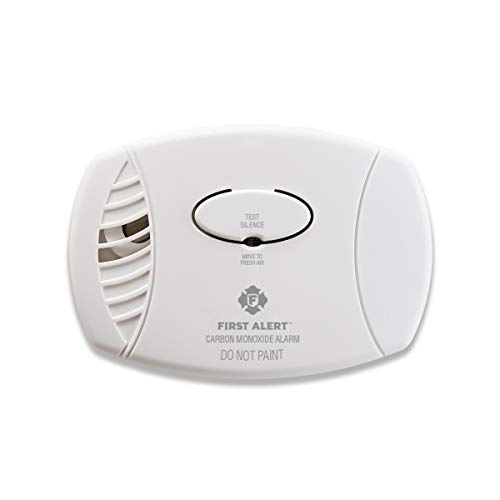 First Alert CO Alarm | Plug-in with battery backup. | Amazon — $21.99 |
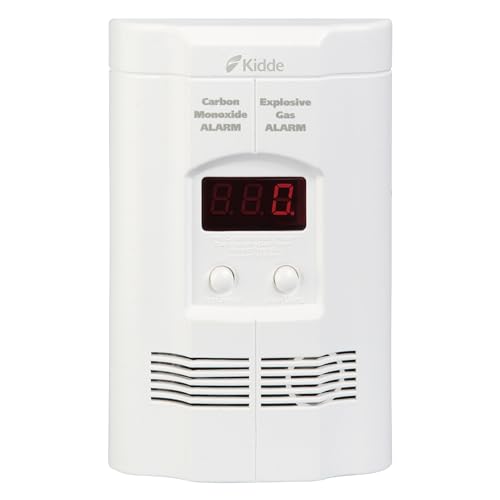 Kidde Nighthawk CO + Gas | Detects CO + natural/propane gas. | Amazon — $57.47 |