Furniture Anchors: Preventing Tip-Overs of Dressers and TVs
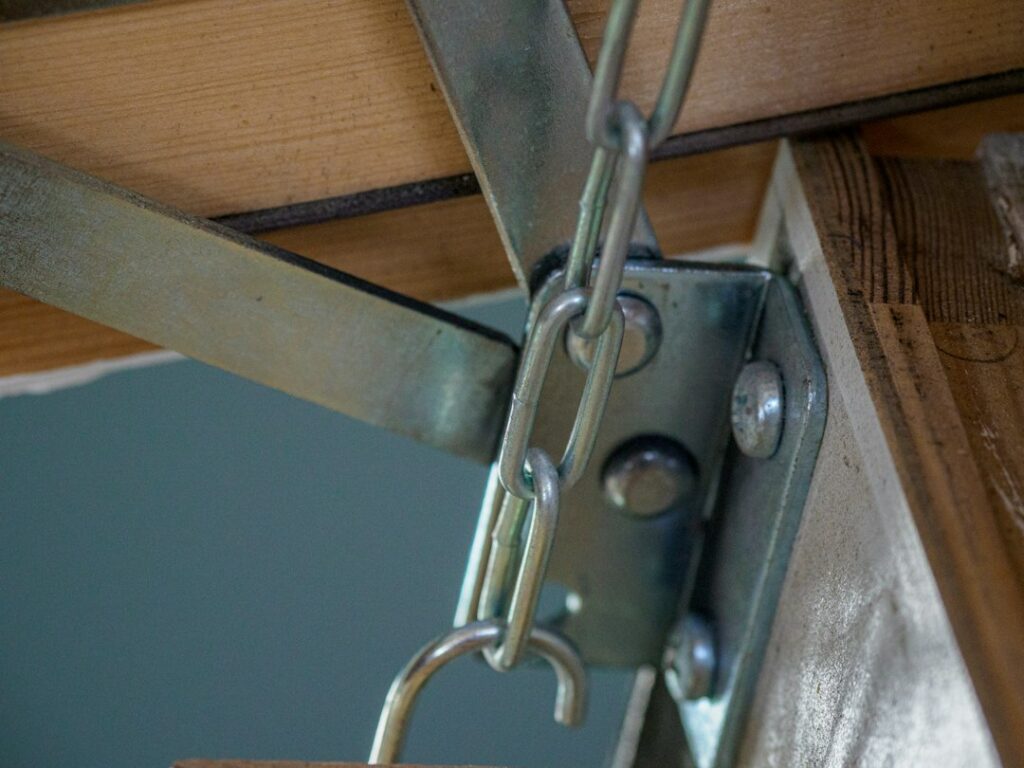
A dresser looks solid until a toddler opens the bottom three drawers and uses them as stairs. At that moment the center of gravity shifts forward, and a piece of furniture that weighs several times more than the child can come down in a second. Furniture anchors, the straps, brackets and cables that tie furniture and TVs to the wall, are one of the cheapest and most effective ways to prevent that. This guide reviews what federal injury data say about tip-overs, explains the federal STURDY rule for dressers and other clothing storage units, compares anchor types, describes how to fasten anchors into wall studs rather than relying on drywall alone, and covers TVs, bookcases and anti-tip brackets for ranges. It summarizes public information from the U.S. Consumer Product Safety Commission (CPSC); the furniture or appliance manufacturer’s instructions should always take priority for a specific product.
Part of our Specialty Home Inspections guide — start there for the full picture →
Do Furniture Anchors Really Prevent Tip-Overs?
Anchoring is the core recommendation from CPSC for preventing tip-over injuries. The agency’s childproofing guidance says furniture, TVs and ranges can tip over and crush young children, and that deaths and injuries occur when children climb onto, fall against or pull themselves up on television stands, shelves, bookcases, dressers, desks, chests and ranges. CPSC advises anchoring these products to the floor or attaching them to a wall for added security, and it says free-standing ranges and stoves should be installed with anti-tip brackets to prevent scalding and crushing injuries.
A properly installed anchor changes the physics of a tip-over. Without one, the only thing holding a dresser upright is its own weight distribution, which shifts quickly as drawers open and a child’s weight moves to the front edge. With an anchor fastened into the wall framing, the top of the furniture is restrained, so the piece cannot rotate forward far enough to fall. Anchors do not make furniture climb-proof, and a child can still fall off a dresser, but they address the crushing hazard that drives the most serious outcomes.
What CPSC Tip-Over Data Show
CPSC staff publish periodic reports on injuries and deaths from product instability or tip-over. The 2023 report, released in February 2024, estimated an annual average of 17,800 emergency department-treated injuries associated with tip-over incidents from 2020 through 2022, and it counted 217 reported fatalities from January 1, 2013 through July 31, 2023. The report notes that fatality counts for the most recent years should be considered incomplete because of reporting lags.
Children carry a disproportionate share of that burden. According to the report, children under 18 accounted for an estimated 7,800 of the annual injuries, or 44 percent, while representing 22 percent of the population. Of the 217 reported deaths, 155, or 71 percent, involved children under 18. Seniors 60 and older accounted for the second-largest share of reported deaths, with 56.
Which products tip
- Furniture: the report attributed an estimated 82 percent of ED-treated tip-over injuries to furniture, including cases where a TV or appliance fell with it.
- Children and furniture: among an estimated 6,400 annual furniture-related injuries to children, tables accounted for about 2,400, chests, bureaus and dressers about 1,800, and shelving units and bookcases about 1,000.
- Televisions: of the 217 reported deaths, 49 involved only a television and 54 involved furniture and a television tipping together.
- Appliances: 15 reported deaths involved only an appliance, including 9 involving a stove or oven and 6 involving a refrigerator.
The report also found that 44 percent of reported fatalities occurred in bedrooms, and that in half of the deaths the victim was crushed and remained under the product. It lists contributing factors that are useful for any household: an unstable design with a small footprint or top-heavy shape, use on a sloped or unstable surface such as carpet, not using a tip-over restraint or using a defective one, heavy objects placed on top of furniture, and multiple open drawers.
The STURDY Rule for Dressers and Chests
Federal requirements for clothing storage furniture tightened in 2023. CPSC’s business guidance explains that the STURDY law, enacted in 2022, directed the agency to issue a rule for clothing storage units, and CPSC’s tip-over report notes the resulting rule was codified at 16 CFR part 1261 and took effect on September 1, 2023.
Under CPSC’s guidance, a clothing storage unit is a free-standing furniture item with drawers or hinged doors intended for storing clothing, typical of bedroom furniture, that is at least 27 inches tall, weighs at least 30 pounds and has at least 3.2 cubic feet of enclosed storage. Chests, chests of drawers and similar pieces are included. The requirements include stability tests that simulate a child’s weight on an open drawer or door, including a test with the unit tilted on carpet, plus warning labels. CPSC’s guidance also says an anti-tip device meeting ASTM F3096 must be packaged with the product.
Two practical points follow. First, newer dressers are generally more stable than many older pieces, but the rule does not make anchoring unnecessary, and the included anti-tip kit is there to be installed. Second, much of the furniture in existing homes, including hand-me-down dressers, vintage chests, bookcases and TV stands, was made before these requirements and may be considerably less stable. Those pieces benefit most from anchoring.
Types of Furniture Anchors
Anti-tip devices come in several forms. The right one depends on the furniture’s construction and the wall it will be fastened to.
- Strap anchors: nylon or polyester straps with a bracket that screws to the furniture and another that screws to the wall. They are common in furniture kits and allow some adjustment in distance.
- Cable anchors: steel cables with brackets at each end. They are strong and compact but should be installed with little slack so the furniture cannot tip far before the cable engages.
- L-brackets: rigid metal angles that screw to the top or back of the furniture and to the wall. They hold furniture tightly against the wall but require precise placement.
- TV straps: straps that attach to the threaded mounting holes on the back of a flat-panel TV and to the stand or wall.
- Range anti-tip brackets: metal brackets fastened to the floor or wall that engage a rear leg of a free-standing range.
Whatever type is used, the furniture side of the anchor should attach to a solid structural part of the piece, such as the top panel or a rigid frame member, not a thin back panel that can tear out. Many older dressers have hardboard backs stapled in place; an anchor screwed only into that panel may pull free under load.
Anchoring Into Studs vs Drywall Anchors
The wall side of the connection is where many installations fall short. Drywall is a gypsum panel with paper faces; it holds pictures well but has limited strength when a heavy, fast-moving load pulls outward on a small fastener. For furniture anchoring, the most reliable approach is to drive the screw into a wood stud behind the drywall.
Finding and using studs
Studs in most homes are typically spaced 16 inches on center, sometimes 24 inches. An electronic stud finder, a strong magnet that locates drywall screws, or a small test hole hidden behind the furniture can confirm the location. The wall bracket should be fastened with a screw long enough to pass through the drywall and bite well into the stud, typically the screw supplied with the kit or one recommended by the manufacturer. Before drilling, it is worth checking for wiring and plumbing; outlets and switches give clues to where cables run vertically and horizontally in a wall.
When a stud is not available
Sometimes the stud does not line up with the furniture. Options include using a strap or cable long enough to reach a nearby stud, mounting a wood cleat across two studs and anchoring the furniture to the cleat, or using heavy-duty toggle-style anchors rated for the expected load when the manufacturer permits them. Small plastic expansion anchors are generally not appropriate for tip-over restraint. On plaster walls, masonry walls and metal studs, different fasteners are required, and following the anchor manufacturer’s guidance for that substrate matters.
Holes left behind when furniture is moved are easy to patch; the guide to drywall repair covers small holes and anchor damage. Renters may need landlord permission, but many landlords allow anchoring because it is a safety measure and the holes are minor.
Step-by-Step: Installing a Strap Anchor
Exact steps vary by product, but most strap and cable kits follow the same general sequence:
- Empty and position the furniture. Remove drawers or contents if the piece is heavy, and set it where it will stay, ideally on a level floor and away from windows.
- Locate a stud. Mark the stud center at a height just below the top of the furniture so the strap runs slightly downward or level to the wall bracket.
- Attach the furniture bracket. Fasten it to the top panel, a solid side rail or another structural part of the piece using screws short enough not to break through the finished surface.
- Attach the wall bracket. Drive the supplied or recommended screw through the drywall into the stud.
- Connect and tension. Link the strap or cable and remove slack, so the furniture can move only slightly before the anchor engages.
- Test it. Pull firmly forward at the top of the furniture. The piece should stop almost immediately, and neither bracket should shift.
Anchors should be rechecked after moving furniture, after carpet replacement, and periodically as part of routine home maintenance. Plastic components can become brittle over time, and a strap that was cut, unclipped for cleaning or never reconnected provides no protection.
Older adults and tip-overs
Tip-overs are often framed as a child-safety issue, but the CPSC report also attributed an estimated 4,200 annual injuries, or 24 percent, to people 60 and older, along with 56 reported deaths in that age group. Older adults may pull on furniture for balance when standing or walking, so anchoring dressers, bookcases and cabinets in a parent’s or grandparent’s home is worth the same attention as in a nursery.
TVs, Bookcases and Kitchen Ranges
Televisions
Flat-panel TVs are lighter than old tube sets, but they are also top-heavy and often perched on narrow stands. A TV placed on a dresser or stand that is not designed for it creates a combined hazard, and the CPSC report counted dozens of deaths where furniture and a TV tipped together. Options include wall-mounting the TV with a mount rated for its weight and fastened into studs, or using TV straps to secure it to an anchored stand. Cords should be kept out of reach so a child cannot pull the TV forward.
Bookcases and shelving
Tall bookcases and shelving units should be anchored near the top. Heavy items belong on lower shelves, and toys or tempting objects should not be stored on high shelves where a child might climb to reach them.
Ranges and other appliances
A free-standing range can tip forward if a child stands on the open oven door, and the CPSC report counted reported deaths involving stoves and ovens. Most free-standing ranges ship with an anti-tip bracket that must be installed and engaged. Brackets are often left uninstalled after a range is replaced or slid out for cleaning and not pushed back fully. A quick check involves following the manufacturer’s procedure, which commonly means confirming that the rear leg is captured by the bracket. Gas ranges add connection and leak-check steps; see the guide to gas stove installation for more on what a proper installation includes. Refrigerators and front-load washers on pedestals can also tip under unusual loads, and some manufacturers offer anti-tip kits for them.
What about earthquakes?
Furniture anchoring is often discussed in the context of earthquake preparedness, and the same hardware can help keep furniture upright during shaking. On the Colorado Front Range, though, the everyday reason to anchor is a climbing child or a stumbling adult, not seismic risk, so households here should not wait on earthquake concerns to install anchors.
A Childproofing Plan Beyond Anchors
Anchors are one part of a broader home safety plan. CPSC’s window safety guidance recommends keeping furniture away from windows so children cannot climb to them, which also matters when deciding where to anchor a dresser. Other common steps include:
- Installing hardware-mounted gates at the top of stairs; see the guide to a baby gate for stairs.
- Protecting receptacles with tamper-resistant outlets or sliding plates; see the guide to outlet covers.
- Limiting window openings with stops or quick-release guards; see the guide to window guards.
- Using drawer latches so drawers cannot be pulled out as steps.
- Removing heavy items, remotes and toys from the tops of dressers and stands.
Furniture Anchor Costs and Inspection Notes
Furniture anchors are inexpensive compared with most home safety upgrades. These hedged ranges are for planning only:
- Strap or cable anchor kits: commonly a few dollars to roughly $20 per kit.
- TV anti-tip straps: often in the range of roughly $10 to $30.
- Wall mounts for TVs: vary widely by size and type, from inexpensive fixed mounts to more costly articulating mounts.
- Range anti-tip bracket: often supplied with the range; replacement brackets are usually modest in cost.
- Handyman installation: often priced per hour or per visit, which can make it economical to anchor several pieces at once.
A standard home inspection usually focuses on the house rather than furniture, but inspectors evaluate installed ranges as part of the interior and may note a missing or unengaged anti-tip bracket. Buyers who want a deeper look at child safety, accessibility or other specific concerns can ask about add-on services. The guide to hiring a home inspector explains what a general inspection covers, and the overview of specialty inspections describes services that go beyond the standard scope.
More Questions About Furniture Anchors
Can renters install furniture anchors?
Renters can usually install furniture anchors, and many landlords allow them because they reduce injury risk. Most anchors require only a few small screw holes, which are easy to patch with spackle when moving out.
It is still wise to check the lease or ask the landlord, especially in buildings with concrete or plaster walls. Some renters use adhesive-free brackets that screw into studs, then document the installation with photos. Safety for children outweighs the minor cost of patching a few holes.
Do furniture anchors work on plaster or brick walls?
Furniture anchors can work on plaster and brick walls, but they need the right hardware. On plaster, finding a stud behind the lath is best, since plaster can crack and does not hold standard screws well. Toggle-style anchors are an alternative when no stud is available.
On brick, concrete or block, masonry anchors and a masonry drill bit are typically required. Anchors should be fastened into solid brick or block rather than mortar joints when possible, following the kit’s instructions.
How much weight can a furniture anchor hold?
The weight a furniture anchor can hold depends on the kit and especially on how it is fastened. Manufacturers list ratings on the package, and those ratings usually assume the anchor is screwed into a wall stud or solid backing.
Drywall anchors and hollow-wall fasteners may hold much less. For heavy dressers, bookcases and televisions, attaching to a stud with the screws supplied, and using a kit rated for the furniture’s weight, is the safest approach. When in doubt, use two anchors.
How often should furniture anchors be checked?
Furniture anchors should be checked every few months and any time furniture is moved, a room is rearranged or a child starts climbing. Plastic straps can become brittle, screws can loosen, and anchors are often forgotten when a dresser is pulled away from the wall for cleaning.
A quick check means tugging the furniture gently forward to confirm the strap stops it, and inspecting both ends for cracks or pulled-out screws. Replace any damaged parts promptly.
Are metal or plastic furniture anchors better?
Metal furniture anchors, such as steel cables and brackets, are generally stronger and less likely to become brittle over time than plastic straps. They are often preferred for heavy dressers, tall bookcases and large televisions.
Plastic or nylon strap kits can still work well when properly rated and fastened into studs. The fastening method matters as much as the material. Whichever type is chosen, follow the kit instructions and inspect it periodically, since a well-installed plastic strap beats a poorly installed metal one.
References
- Product Instability or Tip-Over Injuries and Fatalities Associated with Televisions, Furniture, and Appliances: 2023 Report — U.S. Consumer Product Safety Commission
- Clothing Storage Units Business Guidance — U.S. Consumer Product Safety Commission
- Childproofing Your Home: Safety Devices to Help Protect Your Children — U.S. Consumer Product Safety Commission
- CPSC Urges Families to Protect Children During National Window Safety Week — U.S. Consumer Product Safety Commission
Frequently asked questions
Do furniture anchors need to go into a stud?
Fastening into a wood stud is the most reliable approach because drywall alone has limited holding strength under a sudden outward pull. If a stud is not available, a longer strap, a wood cleat spanning two studs, or a heavy-duty anchor rated for the load and permitted by the manufacturer are common alternatives.
How many tip-over injuries happen each year?
A 2023 CPSC staff report estimated an annual average of 17,800 emergency department-treated injuries from tip-overs in 2020 through 2022, and it counted 217 reported deaths from January 2013 through July 2023. Children under 18 accounted for 155 of those deaths.
What is the STURDY rule?
STURDY is a 2022 federal law that directed CPSC to set stability requirements for clothing storage units such as dressers and chests. The resulting rule took effect September 1, 2023, and CPSC guidance says covered products must include an anti-tip device meeting ASTM F3096.
Do new dressers still need to be anchored?
Yes, anchoring is still recommended. Newer dressers sold under the STURDY rule must pass stability tests and come with an anti-tip device, and that device is intended to be installed. Older furniture made before the rule may be less stable and benefits even more from anchoring.
Why does a stove need an anti-tip bracket?
A free-standing range can tip forward if weight is placed on the open oven door, such as a child standing on it. CPSC advises installing free-standing ranges with anti-tip brackets to prevent scalding and crushing injuries, and the bracket should be checked after the range is moved.
Do furniture anchors damage furniture?
Furniture anchors leave small screw holes, usually on the back or top rail of the furniture. To hold securely, they should attach to solid wood framing rather than a thin backboard. The holes are minor compared with the protection anchors provide against tip-overs.
Should a nightstand or short dresser be anchored?
Short dressers and nightstands with drawers can still tip, especially when a child opens several drawers and climbs on them. Anchoring any storage furniture with drawers in a child's reach is a sensible precaution, along with keeping heavy items like televisions off unsecured furniture.
Can furniture anchors be removed when moving?
Furniture anchors can be removed when moving by unscrewing the wall and furniture brackets. Most kits can be reused if parts are undamaged. Patch wall holes with spackle, and reinstall anchors right away in the new home, since moving days are when tip-over risks are often overlooked.
Preparing a Front Range home for a growing family? Send us a note and we will help connect you with an inspector who can review ranges, stairs, windows and other safety items before move-in.