Drafty Windows: Finding Leaks and Fixes Short of Replacement
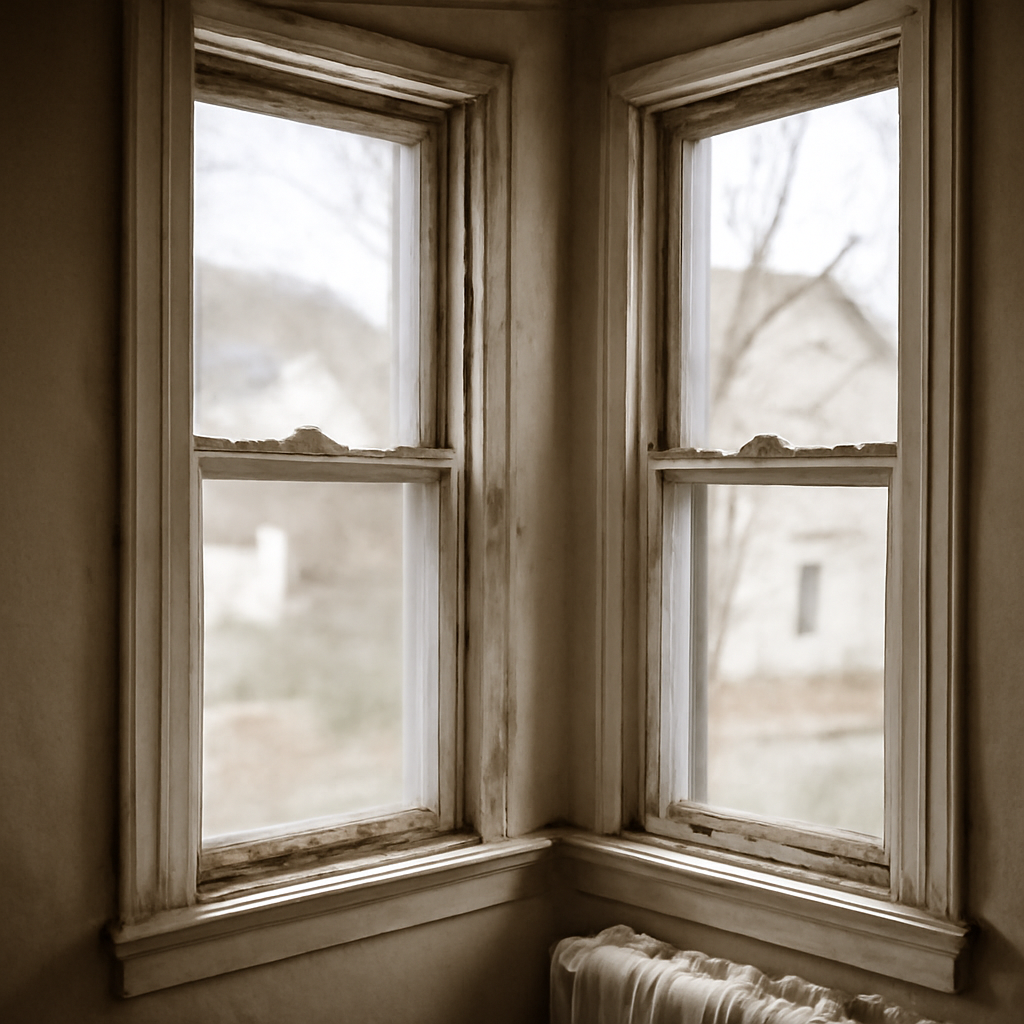
A cold stream of air near the sofa on a January evening is one of the most familiar complaints in older Front Range homes. Drafty windows make rooms uncomfortable, push furnaces to run longer and let dust, noise and outdoor odors inside. They are also one of the most over-diagnosed problems in a house. Plenty of homeowners price out full window replacement when the real leak is a missing bead of caulk behind the trim, a worn weatherstrip, an unlocked sash or simply cold glass creating a convective chill. This guide covers how to confirm where air is actually leaking, the low-cost fixes that address most drafts, how to read condensation and failed seals, when replacement starts to make financial sense, and the lead-paint precautions that apply to older wood sashes.
Part of our Structure & Exterior guide — start there for the full picture →
What Makes Windows Drafty
Drafty windows usually come down to one of four causes, and the fix depends on which one is at work:
- Air leaking around the sash. Worn, compressed or missing weatherstripping lets air slip between the moving sash and the frame. Double-hung windows that do not lock tightly are frequent offenders.
- Air leaking around the frame. Gaps between the window frame and the rough opening, hidden behind interior trim, can admit a surprising amount of air, particularly if the original installer left the space unsealed.
- Air leaking at the exterior. Cracked or missing caulk where siding or brick meets the window frame lets wind push air into the wall and around the unit.
- Convective drafts from cold glass. Single-pane glass, or a double-pane unit with a failed seal, gets cold enough that room air chills against it and sinks toward the floor. That falling air feels like a draft even when no outside air is entering.
The first three are air leaks and can often be fixed with sealing products. The fourth is a thermal performance issue that sealing alone will not cure. Distinguishing between them is the most useful step before spending money.
Finding the Leaks: Paper, Incense and Light Tests
ENERGY STAR’s guidance on sealing around windows and doors lists several common signs that a window has air leaks: drafts around the closed window, visible gaps around the trim, pests and dust entering through gaps, outdoor odors coming inside, and peeling paint around the window frame. It also describes simple tests homeowners can run without special equipment.
The paper test
Close the window on a sheet of paper. ENERGY STAR explains that if the paper moves easily back and forth, the window could be tighter, and thicker weatherstripping may help. Its DIY inspection guide frames the same test more bluntly: if the paper can be pulled out without tearing, there is a leak. Run the test at several points along the sash, because weatherstripping often fails in one spot, such as the meeting rail of a double-hung window.
The incense or smoke test
ENERGY STAR also suggests holding a lit incense stick next to the seams and sash of the window and watching the smoke. If the smoke is pushed in one direction, there is most likely a leak. Its DIY checks page describes a more thorough version for the whole house: on a cool, windy day, turn off combustion appliances such as gas furnaces and water heaters, close windows, doors and fireplace flues, run exhaust fans to depressurize the house, then use incense smoke or talcum powder around common leak sites. Turning off combustion appliances first matters, because depressurizing a house while a gas appliance is running can pull exhaust back into living space.
The light test
At night, with lights on inside, look at the window edges from outside, or during the day look for daylight showing around a closed sash. Where light shines through, air can get through.
Professional diagnostics
When drafts seem to come from everywhere, a blower door test quantifies how leaky the whole house is and, combined with an infrared camera, shows exactly where cold air enters. That testing is usually part of a home energy audit, which also ranks fixes by expected payback. Audits frequently find that attic bypasses, rim joists and recessed lights leak more air than the windows people blame, which helps avoid spending heavily on windows when the bigger gains are elsewhere.
Low-Cost Fixes That Address Most Drafts
Most air leakage at windows can be reduced with inexpensive materials and a weekend of work. Start with the cheapest fixes that match what the tests found.
Exterior caulk
The joint between the window frame and the siding, brick or stucco should be continuously sealed. Old caulk shrinks, cracks and pulls away, especially on south- and west-facing walls exposed to intense Colorado sun. Removing failed caulk and applying a quality exterior sealant restores the seal and also keeps rain out of the wall. The guide on caulking windows on the exterior covers sealant types and the gaps that should be left open, such as weep holes at the bottom of many vinyl and aluminum frames.
Interior trim sealing
ENERGY STAR describes sealing behind window and door trim as a moderate to difficult DIY project that can pay off when the problem is confirmed. The process involves cutting the paint line, carefully removing the interior casing, filling the gap between the window frame and the rough opening with low-expansion foam or backer rod and caulk, and reinstalling the trim. It is a good moment to do this work when windows are being replaced anyway.
Weatherstripping
Sash weatherstripping comes in several forms: V-strip (tension seal) for the sides of double-hung sashes, foam tape for sash bottoms that close against a sill, felt and pile strips for sliding windows, and silicone or rubber bulb seals for casements. Matching the product to the type of window and the gap size is what makes it work. Many of the same principles apply to entry doors, as covered in the guide on weatherstripping doors.
Sash locks and alignment
On a double-hung window, the sash lock does more than secure the window. Turning it pulls the two meeting rails together and presses the sashes against their weatherstripping. A window that is closed but unlocked can leak noticeably more than one that is locked. Loose, broken or misaligned locks are cheap to replace, and adjusting their position so they draw the rails tight is often a five-minute fix.
Rope caulk and removable sealants
Rope caulk is a putty-like strip pressed into gaps by hand. It is meant to be peeled off in spring, making it useful for windows that need to open in summer. Removable clear caulk serves the same purpose. These are seasonal patches, not permanent repairs, but they work well on rental units and on historic windows where permanent changes are undesirable.
Interior storm panels and plastic film kits
Interior storm panels are removable acrylic or glass panels that fit inside the window opening, creating an insulating air space and blocking leakage through the sash. They are popular in older Denver neighborhoods where original wood windows are kept for character. Shrink-wrap plastic kits do a similar job for much less money, although they block the window for the season. ENERGY STAR includes an Applying Plastic Over Windows project in its seal and insulate series for this reason.
Window film
Low-emissivity window film applied to the glass can reduce heat loss through glass and cut solar gain in summer. Film does not stop air leaks, so it addresses the convective cold-glass draft rather than air infiltration. The guide on window film explains the trade-offs, including warranty concerns on some insulated glass units.
Condensation, Fogging and Failed Seals
Moisture on windows is a related symptom worth reading correctly.
- Condensation on the interior surface of the glass in winter means indoor humidity is high relative to the glass temperature. It is common on single-pane windows and on the lower edge of double-pane units. Reducing indoor humidity, running bath and kitchen fans and improving air circulation near the window help.
- Fog or mineral haze between the panes of a double- or triple-pane window means the seal around the insulated glass unit has failed. Moist air has entered the space between the panes. The window loses some insulating value and will not clear up with cleaning.
- Frost on the inside of a storm window means warm, moist room air is leaking past the primary window into the gap. Sealing the inner window more tightly usually helps.
Failed seals do not always cause drafts, but they make glass colder and can add to the convective chill near the window. Often, only the glass unit needs replacing, not the whole window. The guide on double-pane window repair covers glass-only replacement, sash replacement and when defogging services are worth considering.
Persistent condensation that runs down onto wood sills can also cause rot and mold over time. Soft, dark or crumbling wood at the sill or lower sash is a sign the problem has gone beyond comfort and into repair.
When Window Replacement Pays Off
Sealing work is almost always cheaper than replacement, but there are situations where new windows make sense:
- Frames or sashes are rotted, warped or structurally damaged.
- Windows are single-pane with no storm windows and comfort is poor even after air sealing.
- Many insulated glass units have failed seals at the same time.
- Windows do not operate safely, especially in bedrooms where they serve as emergency escape openings.
- A remodel, siding replacement or energy retrofit is already opening the walls.
ENERGY STAR states that replacing old windows with ENERGY STAR certified windows lowers household energy bills by an average of up to 13 percent nationwide when replacing single-pane windows. That figure is an average and an upper bound, not a guarantee, and savings are lower when replacing double-pane units that are already in decent shape. The guide on energy-efficient windows explains U-factor, solar heat gain coefficient and how to read the label, and the guide on window replacement cost covers installed pricing by material.
The decision often depends on comfort, condition and resale goals as much as energy payback. Simple payback on windows alone can take many years, so homeowners focused purely on utility bills usually get faster returns from attic air sealing, insulation and duct sealing first.
Lead Paint on Old Window Sashes
Many Front Range homes built before 1978 still have original painted wood windows, and window components are a well-known source of lead dust. The EPA notes that approximately three-quarters of U.S. homes built before 1978 still contain some lead-based paint, and that old or worn lead paint on surfaces subject to friction, such as doors and window sills, can produce chips and dust that become a hazard when inhaled or ingested. Every time a painted sash slides against a painted jamb, small amounts of paint can be abraded.
That matters for draft fixes. Scraping sashes, planing sticky windows, removing trim to seal behind it, or sanding old paint before caulking can all release lead dust. ENERGY STAR’s trim-sealing instructions specifically direct homeowners with pre-1978 homes, or work that disturbs paint, to first visit the EPA’s Renovation, Repair and Painting Program resources.
Under EPA’s RRP Rule, anyone paid to perform work that disturbs painted surfaces in homes built before 1978 must be certified and trained in lead-safe work practices. The rule generally does not apply to homeowners working on their own homes, but it does apply if the home is rented, used as a childcare facility, or bought and renovated for resale. Homeowners doing the work themselves should still use lead-safe practices: avoid dry sanding and heat guns, mist surfaces, contain dust with plastic sheeting and clean with a HEPA vacuum and wet wiping. Testing paint before disturbing it removes the guesswork.
What Draft Fixes Typically Cost
Costs depend on the number of windows, the type of fix and whether a contractor does the work. These ranges are rough planning estimates and vary by market and window condition:
- Rope caulk, removable sealants and shrink film: often a few dollars to around $15 per window in materials.
- Weatherstripping: materials commonly run roughly $10 to $40 per window; a handyman may charge more per window including labor.
- Exterior recaulking by a contractor: sometimes roughly $50 to $150 per window, depending on access, height and how much old caulk must be removed.
- Interior storm panels: commonly a few hundred dollars per window for custom-fit units.
- Glass unit replacement for a failed seal: often in the low to mid hundreds of dollars per unit.
- Full window replacement: varies widely by material and installation method, often several hundred to over a thousand dollars per window installed.
A home energy audit costs money upfront but helps target spending, and some Colorado utilities offer rebates on audits or air sealing. Program details change, so checking with the local utility before scheduling work is worthwhile.
How Inspectors Evaluate Windows
During a home inspection, windows are typically checked for operation, damaged glass, failed insulated glass seals where visible, deteriorated frames, missing or damaged hardware, and signs of water intrusion at sills and walls. Inspectors generally note visible conditions rather than measuring air leakage, which is why a blower door test remains the tool for quantifying drafts. Buyers looking at older homes with many original windows may want to ask an inspector to comment on sash condition and possible lead paint, and the broader structure and exterior inspection hub covers related items such as siding, trim and flashing. For a wider view of the inspection process, the guide to hiring a home inspector explains what is and is not included.
A practical order of operations for most homeowners is simple: test, seal the obvious leaks, add seasonal fixes where windows must stay operable, and evaluate replacement only for windows that remain uncomfortable or are physically failing. That sequence usually delivers most of the comfort improvement for a fraction of the cost of new windows.
References
- Sealing Behind Window and Door Trim Project — ENERGY STAR
- What to Look For: DIY Checks and Inspections — ENERGY STAR
- Residential Windows, Doors and Skylights — ENERGY STAR
- Lead Renovation, Repair and Painting Program — U.S. Environmental Protection Agency
Frequently asked questions
How can I tell if my windows are drafty?
ENERGY STAR suggests closing the window on a sheet of paper; if it moves easily or pulls out without tearing, the seal could be tighter. Holding lit incense near the sash and seams also helps, because smoke pushed in one direction usually indicates a leak.
What is the cheapest way to fix drafty windows?
Locking double-hung sashes, replacing worn weatherstripping, recaulking the exterior joint and using rope caulk or shrink film for winter are the lowest-cost fixes. Together they often solve most air leakage without new windows.
Does fog between window panes cause drafts?
Fog between panes means the insulated glass seal has failed. It does not usually let outside air in, but it can make the glass colder, which adds to the chilly feeling near the window. Replacing the glass unit is often enough.
Should I replace drafty windows or seal them?
Sealing is usually cheaper and addresses most air leaks. Replacement makes more sense when frames are rotted, glass is single-pane with no storms, many seals have failed, or windows do not operate safely.
Is it safe to scrape paint off old window sashes?
In homes built before 1978, window paint may contain lead. EPA's RRP Rule requires paid contractors to be certified for work disturbing that paint. Homeowners should test first and use lead-safe practices, avoiding dry sanding and heat guns.
Shopping for an older Front Range home and wondering whether the windows need repair or replacement? Get in touch and we will connect you with a local inspector who can document window condition before you commit.