Does a Water Softener Remove Iron? What It Can and Cannot Do
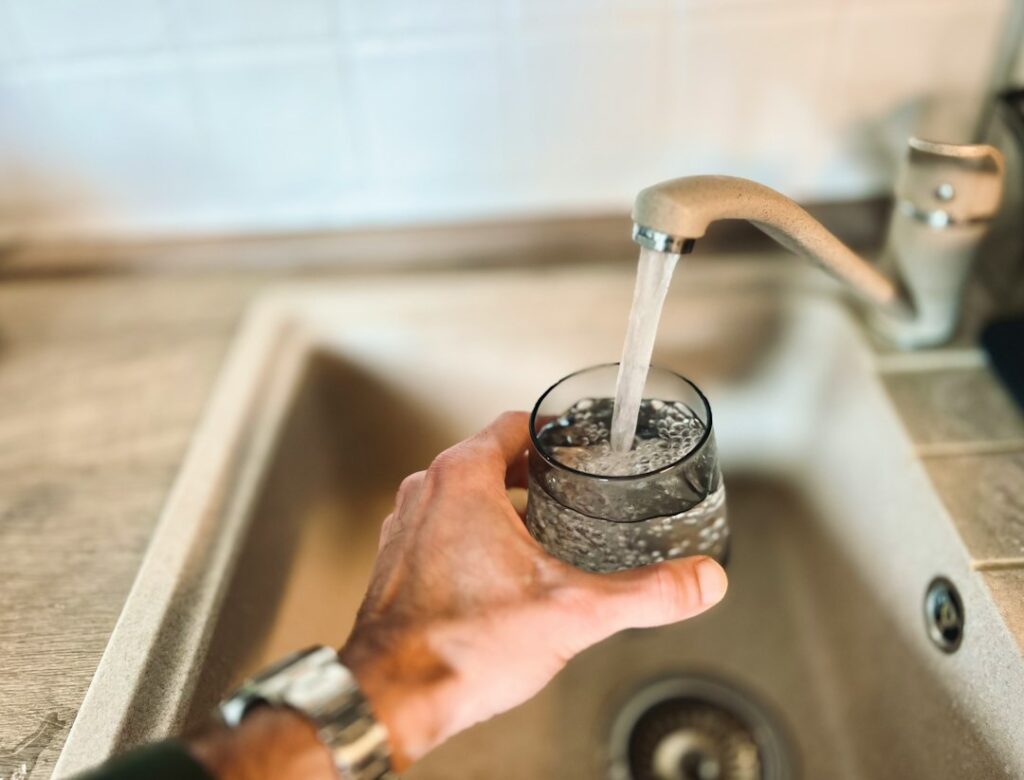
A water softener can remove small amounts of iron, but only the dissolved, clear-water kind (ferrous iron) and only up to the limit the softener’s manufacturer rates it for. It does not reliably remove iron that has already oxidized into rust-colored particles (ferric iron), iron bound up with organic matter or iron bacteria, and those forms can foul the softener’s resin. The practical answer is to test your water first, identify which type of iron you have and how much, then decide whether a softener alone will do or whether you need a dedicated iron filter ahead of it.
Part of our Plumbing & Water guide — start there for the full picture →
This guide is general information as of 2026. Water test results, the equipment manufacturer’s specifications and local plumbing requirements take priority for your home.
Quick Answer: Iron Types and What Works
| Iron type | How it looks | Softener alone? | Common treatment |
|---|---|---|---|
| Ferrous (dissolved, “clear-water”) iron | Water comes out clear, then turns yellow, orange or red after standing; orange stains on fixtures | Often yes, at low concentrations within the softener’s rating | Softener with iron-rated resin and regular resin cleaning, or an iron filter for higher levels |
| Ferric (oxidized, “red-water”) iron | Water is cloudy or rust-colored straight from the tap; particles settle | No; particles clog the resin bed | Sediment filtration or an oxidizing iron filter |
| Organic (tannin-bound) iron | Yellow or tea-colored water that does not settle | Generally no | Specialized treatment selected after testing |
| Iron bacteria | Slimy reddish-brown deposits in the toilet tank, musty or swampy odor | No; can foul resin | Well disinfection plus appropriate treatment, often chlorination or oxidation |
How a Water Softener Handles Iron
A conventional water softener uses ion exchange. Water flows through a tank of resin beads loaded with sodium (or potassium) ions. Positively charged mineral ions, mainly calcium and magnesium, swap places with the sodium and stay on the resin. When the resin is full, the softener regenerates by flushing it with brine from the salt tank. Our water softener guide explains the process step by step.
Dissolved ferrous iron is also a positively charged ion, so the resin can capture it the same way it captures hardness. The CDC’s overview of home water treatment says water softeners remove minerals, primarily calcium and magnesium, and that some softeners may also remove iron and manganese. The word “some” matters. Whether a softener handles iron, and how much, depends on the model, the resin and the water chemistry.
Why it only works on ferrous iron
Once iron meets oxygen, it oxidizes into ferric iron, which forms tiny solid rust particles. Particles are not ions, so ion exchange cannot grab them. Instead, they get trapped between resin beads, coat the resin and clog the bed. Over time this reduces softening capacity, causes pressure loss and can lead to iron passing straight through. That is why water that is already rusty at the tap is a filter problem, not a softener problem.
Why low levels matter
Even with ferrous iron, some of it oxidizes inside the resin bed, especially if air gets into the system or the water’s pH or oxygen level changes. That oxidized iron can build up gradually and is not always fully removed during regeneration. This is why softener makers typically set a maximum iron rating, often a few parts per million for standard units, and why many recommend a resin cleaner or iron-removing additive in the salt. Check the specification sheet for your model rather than relying on a general figure.
Best Water Softeners: our top 3 picks
| Product | Best for | Key features | Price | Buy |
|---|---|---|---|---|
| Aquasana SimplySoft 40K | Named NSF/ANSI 44 certification |
| $749.00as of Nov 19, 2026 7:52 am GMT+0000 | Buy now →Check current price |
| GE GXSH35W | Smart alerts and leak shutoff option |
| $699.00as of Nov 19, 2026 7:52 am GMT+0000 | Buy now →Check current price |
| Kenmore 350 | Smaller households of 1 to 4 |
| $626.10as of Nov 19, 2026 7:52 am GMT+0000 | Buy now →Check current price |

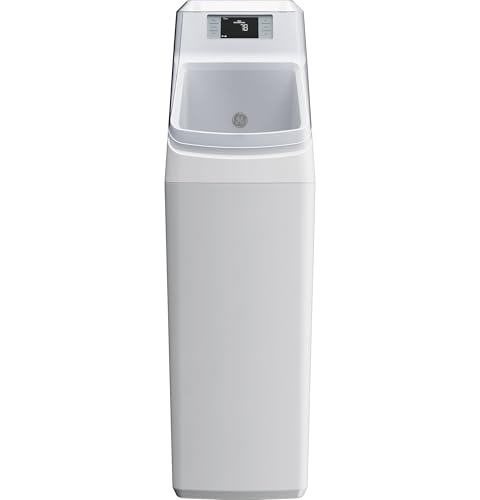

Prices are Amazon’s listed prices as of the time shown and change often; check Amazon for today’s price. As an Amazon Associate we earn from qualifying purchases.
Why Iron Is Worth Treating
Iron in drinking water is mainly an aesthetic and maintenance issue rather than a health hazard at typical levels. The U.S. EPA lists iron among its secondary drinking water standards, the non-enforceable guidelines for nuisance contaminants, at 0.3 mg/L. Above that level, the EPA notes noticeable effects such as rusty color, sediment, metallic taste and reddish or orange staining. In practice, iron can:
- Stain sinks, tubs, toilets, laundry and dishwashers orange or reddish-brown
- Give water and drinks such as coffee and tea a metallic taste
- Build up in pipes, water heaters, fixtures and appliances
- Foul water treatment equipment such as softener resin and RO pre-filters
- Support iron bacteria, which cause slime and odors
Because iron is a secondary contaminant, there is no federal health limit to compare it with, but the 0.3 mg/L guideline is a useful benchmark for when you will probably notice it.
Test First: How to Find Out What Kind of Iron You Have
Choosing equipment without a water test is the most common and expensive mistake. Here is a simple approach.
- Do the glass test. Fill a clear glass straight from a cold tap that has run for a minute. If the water is clear at first and turns yellow or orange after sitting for a while, you likely have ferrous iron. If it comes out rusty or cloudy immediately, ferric iron is present. Slime or a swampy odor suggests iron bacteria.
- Check the toilet tank. Reddish-brown slime or jelly-like deposits inside the tank are a classic sign of iron bacteria.
- Get a laboratory test. A certified lab test gives you total iron, and ideally manganese, hardness, pH, total dissolved solids and, for wells, bacteria. Many water treatment decisions depend on these numbers together, not iron alone.
- Note where the iron comes from. Iron from a well is common. Iron that appears only in hot water or only in one part of the house can come from corroding pipes or the water heater instead.
The CDC recommends that private well owners test their wells at least once a year for total coliform bacteria, nitrates, total dissolved solids and pH, and use a state-certified laboratory. The EPA’s private well guidance stresses that well owners are responsible for the safety of their own water, since private wells are not regulated the way public systems are. Iron, hardness and manganese can be added to the same test, which usually costs little extra and saves guessing later.
When a Softener Alone Is Enough
A softener is often a reasonable single solution when all of these are true:
- Testing shows the iron is ferrous (clear-water) iron.
- The iron level is within the softener’s rated maximum, with some margin.
- There are no iron bacteria and no significant manganese or hydrogen sulfide issues.
- The water is also hard, so you need a softener anyway.
- The pH is in a range the manufacturer specifies.
In that situation, a correctly sized softener with frequent enough regeneration and a resin cleaner usually handles the iron along with hardness.
Sizing a softener when iron is present
Iron uses up resin capacity faster than hardness. A common industry rule of thumb is to add an allowance for each part per million of iron to the hardness figure when sizing, so the softener regenerates more often. Different manufacturers use different multipliers, so treat any such rule as a starting estimate and confirm with the manufacturer or dealer. Our guide to what size water softener you need walks through the sizing math with worked examples.
Regenerating more frequently also helps by limiting how long iron sits on the resin, where it can oxidize and stick. Some owners also choose salt formulated with an iron-removal additive. Our water softener salt guide explains the options.
When You Need an Iron Filter Instead or as Well
A dedicated iron filter is usually the better choice when:
- Iron is above the softener’s rating, or close to it.
- The water is rusty or cloudy straight from the tap (ferric iron).
- Iron bacteria, manganese or a rotten-egg smell from hydrogen sulfide are present.
- The water is not particularly hard, so a softener would not be needed for any other reason.
Iron filters work by oxidizing dissolved iron into particles and then filtering them out. Common designs use air injection, chlorine or peroxide oxidation, or catalytic media such as manganese greensand or birm-type media. They backwash to flush the trapped iron. When both iron and hardness are present at meaningful levels, the usual setup is an iron filter first, followed by a softener, so iron does not reach the resin. Our guide to the iron filter compares these technologies, and you can see our picks for the best iron filters for well water and the best water softeners for well water.
What About Salt-Free Softeners?
Salt-free “softeners” or conditioners generally do not remove hardness minerals from the water. Most use a process that changes how minerals behave so they are less likely to form scale. They are not designed to remove iron, and many manufacturers specifically say iron and manganese should be removed ahead of the system to protect the media. If iron is your main concern, a salt-free conditioner is not the right tool.
Reading Your Water Test Results
Lab reports can be confusing because they list several related numbers. This table summarizes what each one tells you about iron treatment. The thresholds are general orientation, not equipment specifications.
| Result | What it means for iron treatment |
|---|---|
| Total iron (mg/L, same as ppm) | Compare with the EPA secondary guideline of 0.3 mg/L and with your softener’s maximum iron rating. Higher readings usually point toward an iron filter. |
| Ferrous vs ferric split (if reported) | Mostly ferrous favors ion exchange at low levels; any meaningful ferric fraction favors filtration. |
| Hardness (grains per gallon or mg/L) | Tells you whether you need a softener anyway. Very soft water with iron usually means an iron filter alone. |
| Manganese | Causes black or brown staining and behaves similarly to iron; it often changes the equipment choice. |
| pH | Affects how iron behaves and which iron filter media will work. Many oxidizing media have a minimum pH. |
| Hydrogen sulfide or odor notes | A rotten-egg smell usually calls for oxidation-based treatment rather than a softener. |
| Bacteria (total coliform) | A positive result needs attention first, typically well disinfection and retesting, before choosing iron equipment. |
Signs Your Softener Is Struggling With Iron
If you already have a softener and still see iron problems, look for these signs:
- Orange or brown staining returns on fixtures and laundry a few weeks or months after the softener was installed or serviced.
- Water pressure drops through the softener, which can mean the resin bed is fouled with iron particles.
- Hardness creeps back. Soap stops lathering well or spots return on dishes, because iron is using up resin capacity that should be handling hardness.
- Discolored brine tank or resin. Rust-colored residue in the brine tank, or resin beads that look orange or brown during service, indicate iron buildup.
- Slime in the toilet tank or a musty odor, pointing to iron bacteria that the softener cannot handle.
Any of these signs is a good reason to retest the water. Iron levels in wells can change with seasons, drought and well use, so a softener that coped a few years ago may now be overloaded.
Maintaining a Softener That Handles Iron
A softener asked to remove iron needs more attention than one handling hardness alone. Typical good practice includes:
- Set regeneration frequency for iron. More frequent regeneration limits how long iron sits on the resin.
- Use a resin cleaner. Many manufacturers recommend a resin cleaner on a regular schedule, or salt with an iron-removal additive. Follow the product label and the softener manual.
- Keep air out of the system. Air entering the plumbing, for example from a failing well pressure tank or a well pump problem, can oxidize iron before it reaches the resin.
- Check the brine tank. Clean out sludge and keep the salt level appropriate. Bridged or mushy salt reduces regeneration quality.
- Service it periodically. A water treatment professional can inspect the resin, valve and injector and recommend resin replacement if it is badly fouled.
Resin that has been heavily fouled by iron for years may not recover with cleaning alone. Our guide to how water softeners work also covers resin life and signs of a failing control valve.
Typical Costs and Cost Drivers
Costs vary widely, so think in ranges and get quotes.
- Lab water testing: a basic iron and hardness test is typically inexpensive; a full well panel with bacteria costs more.
- Softener only: typically priced from a few hundred dollars for a basic DIY unit to well over a thousand installed for larger or premium systems.
- Iron filter: commonly similar to or more than a softener, depending on technology and capacity; chemical-feed systems add ongoing chemical costs.
- Iron filter plus softener: the highest upfront cost but often the lowest maintenance hassle when both problems are significant.
The main cost drivers are the iron level, whether bacteria or manganese are present, household water use, flow rate, plumbing changes and whether the system needs a drain and electrical outlet nearby. Ongoing costs include salt, resin cleaner, oxidizing chemicals or media replacement and periodic service.
Front Range Considerations
- Wells are where iron usually shows up. Many homes on municipal water along the Front Range see little iron at the tap, while rural and foothill homes on private wells are more likely to have iron, manganese and hardness together.
- Freeze protection. Softeners and iron filters in unheated garages or crawl spaces can freeze in cold snaps. Keep equipment in conditioned space or protect it properly.
- Seasonal changes in well water. Drought years, heavy spring runoff and changes in how hard a well is pumped can shift iron and sediment levels. Retesting after a major change in water appearance is worthwhile, even if the last test was recent.
- Hot water clues. If rusty water appears only from hot taps, the water heater’s tank or anode may be the source rather than the well or the softener. A plumber can check the water heater before you buy treatment equipment.
- Drain and discharge. Regeneration and backwash water must go to an approved drain. Homes on septic systems should confirm the discharge plan with a qualified contractor, since local rules and septic capacity can affect where backwash goes.
When to Call a Professional
Call a water treatment specialist or plumber when test results show iron above a softener’s rating, iron bacteria are present, staining continues after a softener is installed or you are not sure what the test numbers mean. Our plumbing and water hiring guide covers how to choose a qualified installer. If you are buying a home with a private well or an existing softener or iron filter, a home inspection is a good time to note the equipment, its condition and any staining. You can contact our team to schedule an inspection on the Front Range.
More Questions About Water Softeners and Iron
How do you know if well water has too much iron?
Well water likely has too much iron if it leaves orange or reddish-brown stains on fixtures, laundry or the toilet tank, or tastes metallic. The EPA’s secondary standard for iron is 0.3 mg/L, the level where staining and taste problems usually begin.
Water that comes out clear but turns cloudy or rusty after sitting usually contains dissolved ferrous iron. Water that is already discolored from the tap often contains ferric iron. A lab water test reporting iron, manganese, pH and hardness is the only reliable way to size the right treatment.
What is the best way to remove iron from well water?
The best way to remove iron from well water depends on the iron level and type, but an oxidizing iron filter is usually the most dependable choice for moderate to high iron.
- Low dissolved iron, roughly under 1 to 3 mg/L, can often be handled by a water softener.
- Higher levels or ferric iron usually need an air-injection, manganese-dioxide or greensand-type filter.
- Iron bacteria or very high iron may need chlorination ahead of filtration.
A lab test and a water treatment professional’s recommendation prevent buying the wrong system.
How much does an iron filter for well water cost?
A whole-house iron filter for well water typically costs about $1,000 to $3,000 installed, according to industry estimates, with chemical-feed or multi-stage systems costing more.
The price depends on the filter type, flow rate, iron and manganese levels, and whether a softener or chlorination stage is added. Ongoing costs include media replacement every few years, occasional chemical regenerant, and backwash water. Comparing quotes based on the same lab test results helps ensure each contractor is sizing the system for the actual water, not guessing.
Does iron in water damage plumbing and appliances?
Yes, iron in water can damage plumbing and appliances over time by building up rust-colored deposits that restrict flow and foul moving parts.
Iron sediment can clog faucet aerators, showerheads, irrigation emitters and water heater tanks. Dishwashers and washing machines may develop stained interiors and reduced performance, and the iron can permanently stain sinks, tubs and laundry. Iron bacteria, often found with iron in wells, can also create slimy buildup in toilet tanks. Treating the water early is usually cheaper than repeated cleaning and replacing fixtures.
References
- About Home Water Treatment Systems — Centers for Disease Control and Prevention
- Secondary Drinking Water Standards: Guidance for Nuisance Chemicals — U.S. Environmental Protection Agency
- Guidelines for Testing Well Water — Centers for Disease Control and Prevention
- Private Drinking Water Wells — U.S. Environmental Protection Agency
Frequently asked questions
Does a water softener remove iron?
It can remove small amounts of dissolved ferrous iron, the kind that comes out of the tap clear and turns orange after standing, up to the softener's rated limit. It does not reliably remove rust-colored ferric iron, organic iron or iron bacteria.
How much iron can a water softener handle?
It depends on the model and resin. Standard softeners are often rated for a few parts per million of ferrous iron. Check the manufacturer's specification sheet and size the softener with iron included.
Will iron damage my water softener?
It can. Oxidized iron and iron bacteria coat and clog the resin, reducing capacity and causing pressure loss. Regular resin cleaning and a pre-treatment iron filter help when iron levels are higher.
Should an iron filter go before or after a water softener?
An iron filter normally goes before the softener so iron is removed before it reaches the resin. The softener then handles hardness.
Is iron in well water dangerous?
Iron at typical levels is mainly a nuisance that causes staining, taste and buildup. The EPA's non-enforceable secondary guideline is 0.3 mg/L. Well water should still be tested yearly for bacteria and other contaminants.
Can you drink water with iron in it?
Water with iron is generally considered safe to drink at typical well levels, because the EPA treats iron as a secondary, aesthetic standard. The bigger concerns are metallic taste, staining and plumbing buildup. Other contaminants found alongside iron should be checked with a full water test.
Does a water softener remove manganese too?
A water softener can remove small amounts of dissolved manganese, similar to how it handles low ferrous iron. Higher manganese levels usually need an oxidizing filter. Manganese tends to leave black or dark brown stains, and water with it should be tested before choosing equipment.
What is iron bacteria in well water?
Iron bacteria are naturally occurring microorganisms that feed on dissolved iron and create reddish, slimy deposits in toilet tanks, pipes and well equipment. They are not generally considered a health threat, but they cause odors and clogs and are often treated with shock chlorination.
Orange stains or a well that has never been tested? Get in touch with our team to arrange a Front Range home inspection.