Water Softener Cost: Installed Prices, Salt and Upkeep
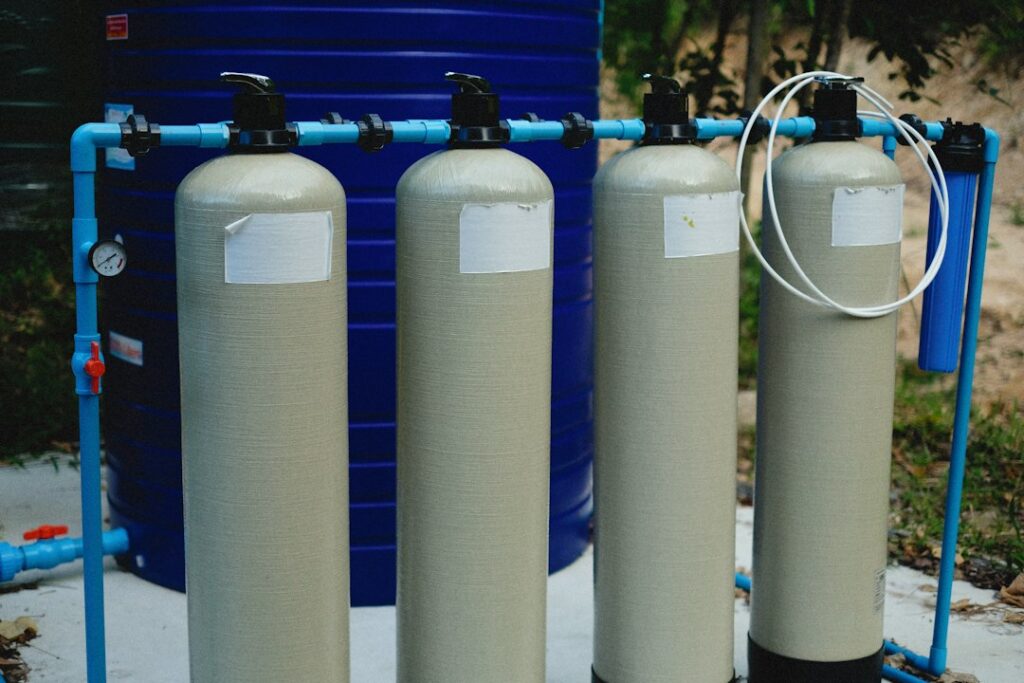
A typical water softener cost for a whole-house, salt-based system lands somewhere around $1,000 to $3,500 installed, with basic big-box units at the low end and larger, premium or dealer-sold systems running $4,000 or more. Most of the spread comes from capacity, valve quality, how much plumbing the installer has to add and whether the quote bundles extras such as a carbon prefilter or a long warranty. Running costs are modest but real: salt, a little water and electricity for regeneration, and periodic service. This guide breaks down where the money goes, what pushes a quote up or down, what a softener costs to own over its life, when DIY makes sense and how to collect quotes that can actually be compared. Every dollar figure here is a typical national range drawn from common retail and contractor pricing, not a quote; local labor rates, the specific home and the product chosen will decide the real number.
Part of our Plumbing & Water guide — start there for the full picture →
Typical Water Softener Cost at a Glance
Softener pricing is easiest to understand when it is split into the parts a contractor actually bills for. The ranges below are typical for a single-family home with a standard salt-based ion-exchange unit; treat them as a planning guide rather than a price list.
| Cost component | Typical range | What drives it |
|---|---|---|
| Equipment (salt-based softener) | About $400 to $1,500 for retail units; $1,500 to $3,500+ for dealer and premium systems | Grain capacity, control valve brand, metered vs timer regeneration, tank size, resin quality, warranty |
| Installation labor | Roughly $250 to $1,000 | Existing softener loop or not, distance to drain and outlet, pipe material, access in basement or garage |
| Permits and extras | From $0 to several hundred dollars | Local plumbing permit rules, bypass valve, new drain line, outlet, prefilter, removal of an old unit |
| Ongoing costs | Commonly $75 to $300 per year | Salt use (hardness and household size), water and power for regeneration, service visits, resin replacement over time |
| Typical installed total | About $1,000 to $3,500; $4,000+ for large or premium systems | All of the above, plus local labor rates |
Salt-free conditioners and specialty systems sit on their own price curves, covered later. Those numbers also leave out water testing, which is cheap compared with buying the wrong equipment and is worth doing first.
What a Water Softener Actually Does
Before comparing prices, it helps to know what the equipment is being paid to do. The CDC describes it plainly: water softeners “remove minerals, primarily calcium and magnesium, from water,” and water with too much of those minerals, called hard water, “can leave scaly buildup and prevent soap from lathering.” A conventional softener uses a tank of resin beads that trade sodium (or potassium) ions for calcium and magnesium. When the resin fills up with hardness minerals, the unit regenerates by flushing a brine solution from the salt tank through the resin and sending the rinse water to a drain.
The CDC also notes the limits. Some softeners may reduce iron, manganese and certain other contaminants, but water softeners “do not remove” parasites, bacteria or viruses. A softener is a scale and soap-performance fix, not a drinking-water safety system. If a water test shows a health concern, a softener alone will not solve it, and the budget may need to include filtration, disinfection or a point-of-use system such as reverse osmosis.
The EPA’s secondary drinking water standards guidance explains why scale matters financially. Scale “is a mineral deposit which builds up on the insides of hot water pipes, boilers, and heat exchangers, restricting or even blocking water flow.” That buildup is what shortens the life of water heaters, clogs fixture aerators and leaves spots on glass and tile. The value of a softener is largely the avoided cost of that scale, plus better lathering and less cleaning.
Best Water Softeners: our top 3 picks
| Product | Best for | Key features | Price | Buy |
|---|---|---|---|---|
| Aquasana SimplySoft 40K | Named NSF/ANSI 44 certification |
| $749.00as of Nov 19, 2026 7:52 am GMT+0000 | Buy now →Check current price |
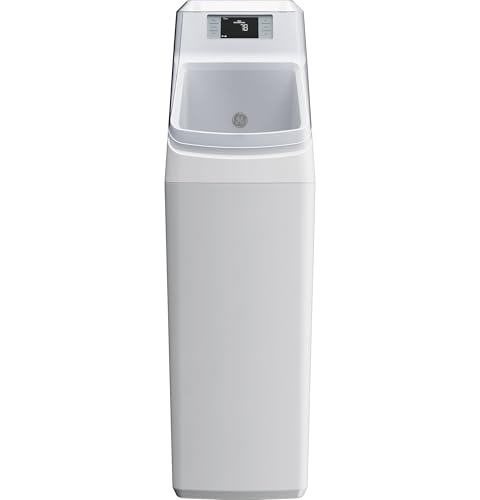
| GE GXSH35W | Smart alerts and leak shutoff option |
| $699.00as of Nov 19, 2026 7:52 am GMT+0000 | Buy now →Check current price |
| Kenmore 350 | Smaller households of 1 to 4 |
| $626.10as of Nov 19, 2026 7:52 am GMT+0000 | Buy now →Check current price |


Prices are Amazon’s listed prices as of the time shown and change often; check Amazon for today’s price. As an Amazon Associate we earn from qualifying purchases.
Cost Breakdown in Detail
Equipment
The tank and valve are usually the largest line item. Retail softeners sold at home centers and online typically fall in the lower part of the range, while dealer-installed brands and premium valves cost more. Higher prices generally buy one or more of the following:
- A metered, demand-initiated valve. These regenerate based on actual water use rather than a fixed calendar, which tends to save salt and water compared with timer-only models.
- Larger grain capacity. A bigger resin bed handles harder water or larger households without regenerating constantly.
- Better resin and tank construction. Higher-crosslink resin is commonly marketed as more tolerant of chlorine in city water.
- Longer warranties. Tank and valve warranties vary widely, and longer coverage is often priced in.
- Added stages. Some packages bundle a carbon prefilter for chlorine taste and odor or a sediment filter for well water.
For help comparing specific models once the budget is set, see our picks for the best water softener options.
Installation labor
Labor depends far more on the house than on the softener. A newer home with a pre-plumbed softener loop, a nearby floor drain and an outlet can be a short job. An older home may need the main line cut open, new piping run, a bypass valve installed, a drain line routed to an approved drain with an air gap and an electrical outlet added. Copper, PEX and galvanized steel all take different fittings and time. Tight crawl spaces or finished basements add labor as well.
Our step-by-step guide to water softener installation explains what that work involves, which helps when reading a quote line by line.
Permits and extras
Whether a permit is required for a softener varies by jurisdiction. Some Front Range building departments treat it as minor plumbing work, while others want a permit when the main water line is altered or a new drain connection is made. A permit fee, where required, is usually a small share of the total. Common extras include:
- Removal and disposal of an old softener
- A new or relocated drain connection with a proper air gap
- A dedicated outlet near the unit
- A sediment prefilter, especially on well water
- An outdoor hose bib bypass so irrigation and garden water stay unsoftened
- Initial salt, water test and setup programming
The Drivers That Move the Price
Size and capacity
Softeners are rated in grains of hardness they can remove between regenerations. A larger household or harder water calls for more capacity, which means a bigger resin tank and a higher equipment price. Undersizing is a false economy: an undersized unit regenerates too often, uses more salt and water and wears the valve faster. Oversizing wastes money upfront and can let the resin sit underused. Our guide on what size water softener you need walks through the grains-per-day calculation that installers use.
Type of system
The technology chosen moves the price as much as the size does.
- Single-tank salt-based ion exchange. The most common and usually the most affordable way to actually remove hardness minerals.
- Twin-tank systems. One tank stays in service while the other regenerates, giving soft water around the clock. Typically priced above single-tank units.
- Salt-free conditioners. Template-assisted crystallization and similar media change how minerals behave rather than removing them. Installed prices often run in a similar or somewhat lower band than a mid-range salt system, with no salt cost, though the media needs periodic replacement. Our salt-free water softener guide covers what these units can and cannot do.
- Combination units. Softener plus filtration or iron removal systems for well water cost more, sometimes considerably more.
Installation complexity and plumbing work
The single biggest swing in labor is whether a softener loop already exists. Without one, the plumber may need to tap into the main line near where it enters the house, before the water heater, and run new piping to the softener location. Long runs, multiple elevation changes, older galvanized pipe that needs replacement at the connection and limited drain access all add hours. Moving a water heater or rerouting pipes to make room is a different, larger job.
Front Range labor and water
Plumbing labor rates in the Denver, Boulder, Fort Collins and Colorado Springs areas have tracked higher than many national averages in recent years, so local quotes may land toward the upper part of the ranges above. Water hardness also varies by supplier. Many Front Range utilities draw mountain snowmelt that is relatively soft to moderately hard, while some communities and many private wells on the plains are considerably harder. That variation is why a softener that is a clear win in one neighborhood may be marginal in another.
The CDC advises households on public water to review “the water quality report your utility must provide every year.” That annual report usually lists hardness, sometimes in milligrams per liter and sometimes in grains per gallon, and it is the first place to check before paying for any softener at all.
Ongoing and Running Costs
Ownership costs are where softener types differ most, and they are easy to underestimate when looking only at the installed price.
Salt or potassium
Salt-based units consume salt every time they regenerate. How much depends on hardness, household water use and how efficiently the valve is set. A typical household often goes through somewhere between a few bags and a dozen or more bags of softener salt per year. Potassium chloride, sometimes chosen by households watching sodium intake or wanting gentler discharge, typically costs several times more per bag than sodium chloride, which can raise annual operating cost substantially.
Water and electricity
Regeneration uses water for backwashing and rinsing. Demand-initiated valves generally use less than timer models because they regenerate only when the resin is close to exhausted. Electricity use for the control valve is small. On a private septic system, it is worth confirming whether the local health department or septic designer has guidance on discharging brine to the system.
Maintenance and service
Routine owner tasks are simple: keep the brine tank stocked, break up salt bridges and occasionally clean the brine tank. Some households schedule a service visit every year or two to check the valve, injector and settings. Over a longer horizon, resin may need replacement, particularly on chlorinated city water or well water with iron, and valves eventually wear. Our guide on how long water softeners last covers the typical lifespan and the signs that a rebuild or replacement is due.
Salt-free and rental options
Salt-free conditioners avoid salt purchases but usually require media replacement every few years, which is a cost to price in. Some dealers offer rental or lease plans with a monthly fee that includes service. Leasing lowers the upfront cost, but over several years the total paid is often higher than buying a comparable unit outright, so compare the lifetime total rather than the monthly payment.
Is a Softener Worth the Cost?
The answer depends on how hard the water actually is and what the household is trying to fix. Signs that a softener may pay for itself include heavy white scale on fixtures and showerheads, short-lived water heater elements, soap that will not lather well, spotty dishes and frequent descaling of appliances. If the utility report shows soft or only slightly hard water, the payback can be weak.
A few points to weigh:
- Water heater protection. Scale inside tank and tankless water heaters reduces efficiency and shortens service life. Homes with tankless units, where scale can clog the heat exchanger, often benefit most. Our guide to tankless water heater cost shows why protecting that investment matters.
- Drinking water preferences. Softened water contains added sodium. Many households leave one kitchen tap unsoftened or add a drinking-water filter.
- Health concerns are separate. If the goal is removing contaminants rather than hardness, the CDC’s advice applies: test the water and “choose a system that removes the harmful chemicals or germs you are concerned about.”
DIY Installation vs Hiring a Pro
Handy homeowners do install softeners themselves, especially when a softener loop already exists and the connections are straightforward. DIY can save most of the labor line, but it shifts the risk to the homeowner.
When DIY is realistic
- A pre-plumbed loop with a bypass valve is already in place
- A floor drain or standpipe is within reach for the drain line
- There is an outlet nearby
- The homeowner is comfortable cutting and joining the pipe material in the house
- No permit is required, or the homeowner is willing to pull one
When to hire a plumber
- The main line must be cut and rerouted
- The home has galvanized or older piping that may crack or leak when disturbed
- A new drain connection or air gap is needed
- The manufacturer’s warranty requires professional installation
- The local building department requires a licensed plumber for the work
A slow leak at a poorly made fitting can cost far more in water damage than the labor saved, so the decision should rest on honest skill and the specific plumbing, not the price alone.
How to Get Fair Quotes
Softener sales range from straightforward plumbing quotes to in-home presentations with high-pressure pricing. A few habits help homeowners get comparable, fair numbers.
- Test the water first. Get hardness, iron and, for wells, the CDC-recommended annual panel. The CDC advises testing private wells “at least once every year for total coliform bacteria, nitrates, total dissolved solids, and pH level.” A dealer’s free test is a starting point, but an independent number is better for decisions.
- Get at least three written quotes. Include at least one licensed plumber and, if desired, one water treatment dealer.
- Ask for the same details on each quote. Brand and model, grain capacity, valve type, resin volume, tank size, warranty terms, all plumbing work, drain and outlet work, permit handling and removal of the old unit.
- Check certifications. The CDC suggests looking for an NSF certification on the label and checking the product in the NSF database to see what it is certified to do.
- Compare lifetime cost. Add the installed price to a realistic estimate of salt, media and service over several years.
- Be wary of urgency. Same-day discounts and claims that the water is unsafe without a softener are red flags, given that softeners do not address germs.
- Read the warranty. Note what is covered (tank, valve, resin), for how long, and whether labor is included.
It also helps to ask each installer to separate equipment from labor, since that makes it obvious whether a high quote reflects a premium unit or simply a high hourly rate. Our plumbing and water hiring hub covers vetting contractors more broadly.
What a Home Inspector Notes About Softeners
During a home inspection, a softener is typically noted as present, and the inspector may observe whether it appears to be connected, whether a bypass valve exists, whether the drain line terminates properly with an air gap and whether there are visible leaks or corrosion. A standard inspection does not usually test water hardness or verify the softener’s settings. Buyers who want to know whether an existing system works, or whether one is needed, can add a water test and ask the sellers for service records.
For a Front Range home purchase, a clear picture of the water system can save money later. Contact our team to discuss inspection and water testing options.
More Questions About Water Softener Cost
Is renting a water softener cheaper than buying?
Renting a water softener is usually cheaper upfront but more expensive over the long run than buying. Monthly rental fees add up over the 10 to 15 years a softener typically lasts, often exceeding the purchase price.
Renting can make sense for short-term occupancy or when service and salt delivery are included. Owners who plan to stay several years generally save money buying a softener and handling salt and basic maintenance themselves.
Does a water softener increase home value?
A water softener rarely adds significant appraised value to a home, but it can be a selling point in hard-water areas where buyers expect one. An old, poorly maintained softener can even raise questions during inspection.
Keep maintenance records and the model information. Owned systems usually transfer with the house, while rented or leased units need to be addressed in the sale contract to avoid confusion at closing. A home inspector may note the softener’s age and condition, and buyers sometimes ask for a water hardness test to confirm it still works.
Can a water softener save money on energy bills?
A water softener can save some money on energy bills by preventing scale buildup in water heaters, which can reduce heating efficiency over time. Savings depend on hardness levels and the type of water heater.
Softened water may also extend the life of water heaters, dishwashers and washing machines, and reduce detergent use. Those savings help offset salt and water costs, but they rarely recover the full purchase price in a year or two.
Are there rebates for water softeners?
Water softener rebates are uncommon, and some areas restrict or even offer rebates to remove salt-based softeners because brine discharge affects wastewater. High-efficiency or salt-free systems sometimes qualify for local water conservation programs.
Check with the local water utility and sewer district before buying. A softener does not qualify for the federal home energy tax credits, and those credits for qualifying home improvements ended for work completed after December 31, 2025.
References
- About Home Water Treatment Systems — Centers for Disease Control and Prevention
- About Choosing Home Water Filters — Centers for Disease Control and Prevention
- Guidelines for Testing Well Water — Centers for Disease Control and Prevention
- Secondary Drinking Water Standards: Guidance for Nuisance Chemicals — U.S. Environmental Protection Agency
Frequently asked questions
How much does a water softener cost installed?
A typical whole-house salt-based softener lands around $1,000 to $3,500 installed, with large or premium dealer systems running $4,000 or more. Capacity, valve type, plumbing work and local labor rates drive most of the difference.
How much does it cost to run a water softener each year?
Typical running costs fall around $75 to $300 per year for salt, regeneration water, a small amount of electricity and occasional service. Very hard water, large households and potassium chloride instead of salt push costs higher.
Are salt-free water softeners cheaper?
They avoid salt purchases, and installed prices are often similar to or a bit below mid-range salt systems. They condition minerals rather than removing them, and their media needs periodic replacement, so compare lifetime cost and what the household actually needs.
Can a water softener be installed DIY?
Yes, when a pre-plumbed loop, nearby drain and outlet already exist and the homeowner is comfortable with the pipe material. Cutting into the main line, adding drains or working with old galvanized pipe is usually better left to a plumber.
Does a water softener make water safe to drink?
No. The CDC notes softeners remove hardness minerals but do not remove parasites, bacteria or viruses. Test the water and choose treatment that targets any health concern found.
How much does a water softener cost to maintain each year?
A water softener typically costs about $100 to $300 a year to maintain, mostly for salt, according to industry estimates. Potassium chloride, frequent regeneration and professional service visits can raise that. Resin replacement every decade or so is a separate cost.
Is a dual-tank water softener worth the extra cost?
A dual-tank water softener can be worth the extra cost for large households or high hardness, because one tank stays in service while the other regenerates, giving soft water around the clock. Smaller households rarely need it.
How much does water softener resin replacement cost?
Water softener resin replacement typically costs a few hundred dollars installed, according to industry estimates, depending on tank size and labor. It can restore performance when the tank and control valve are still in good condition.
Buying a Front Range home with an older softener or well water? Get in touch with our team to arrange an inspection.