Toggle Bolts: Sizes, Weight Ratings, and Drywall Use
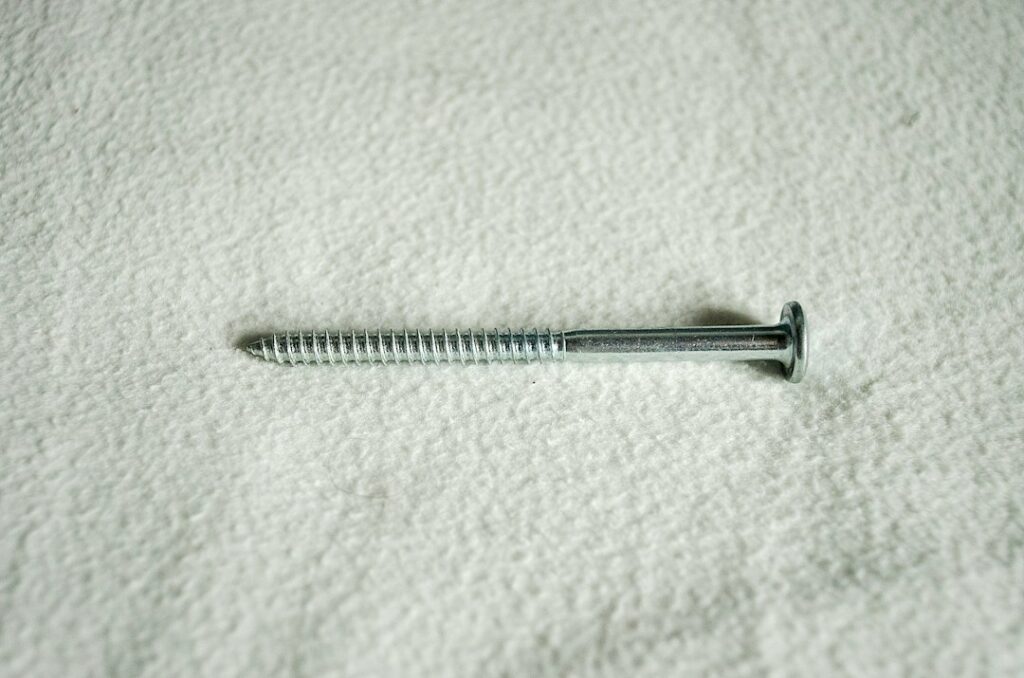
Hanging a heavy mirror, a shelf full of books or a wall-mounted TV on drywall raises the same question every time: will the wall hold it? A toggle bolt is one of the strongest ways to fasten into a hollow wall when no stud sits where the load needs to go. It works by passing through a hole and opening up behind the wallboard, spreading the load across a wider area than a screw or a small plastic sleeve can. This guide explains how the main toggle styles work, how they compare with molly bolts and plastic anchors, how to size the hole and match the bolt to the wall thickness, what weight ratings really mean, and when a stud or a professional is the better answer. It is written for homeowners and buyers around the Colorado Front Range, where a single neighborhood can mix 1950s plaster walls with newer half-inch drywall.
Part of our Structure & Exterior guide — start there for the full picture →
What a Toggle Bolt Is and How It Works
A toggle bolt is a fastener designed for hollow walls and ceilings. Instead of relying on friction against the gypsum core, it puts a metal or reinforced plastic bearing piece behind the wall surface. When the bolt is tightened, that bearing piece clamps against the back of the drywall or plaster, and the fixture is squeezed against the front. The load is shared by a patch of wall several times larger than the hole.
That is the key difference from ordinary screws. A wood screw driven into drywall alone has almost nothing to bite into, because gypsum crumbles under concentrated force. Expansion anchors improve on that, but they still depend mostly on the strength of the gypsum right around the hole. A toggle spreads the force out, which is why toggles tend to carry higher rated loads than most other hollow-wall anchors of a similar diameter.
Types of Toggle Bolts and Hollow-Wall Anchors
Hardware aisles group several fasteners under the “hollow wall” label. They behave differently, and the right pick depends on the load, the wall material and whether the item might ever come down.
Spring-wing toggle bolts
The classic spring-wing toggle has a machine bolt threaded through a pair of folding metal wings held open by a spring. The wings fold flat, pass through the hole, then snap open behind the wall. Tightening the bolt pulls the wings against the back of the wallboard.
- Strengths: high holding power for the cost, works in drywall, plaster and some hollow block, inexpensive.
- Weaknesses: the hole has to be big enough for the folded wings, which is much wider than the bolt itself. The fixture must be threaded onto the bolt before the wings go into the wall, which makes installation awkward. If the bolt is backed out, the wings drop into the cavity and are gone.
Strap toggles
Strap toggles, sometimes called snap toggles after one well-known style, use a flat metal channel attached to plastic straps. The channel slides through the hole, the straps pull it flush against the back of the wall, a plastic cap is ratcheted down, and the excess strap is snapped off. The bolt goes in last.
- Strengths: the hole is closer to the bolt size, so less wall is removed. The channel stays in place if the bolt is removed, so a fixture can be taken down and rehung. Many carry high manufacturer ratings.
- Weaknesses: higher cost per anchor, and the straps need enough clear depth behind the wall.
Molly bolts (sleeve-type hollow wall anchors)
A molly bolt is a metal sleeve that collapses and flares behind the wall when its screw is tightened. Some are driven in with a hammer and others go into a pre-drilled hole. Mollies hold well for medium loads such as curtain rods, towel bars and small shelves, and the sleeve stays put if the screw is removed. They are sized to specific wall thicknesses, so a molly meant for half-inch drywall may not seat properly in thicker plaster.
Plastic expansion anchors and self-drilling anchors
Ribbed plastic sleeves and threaded self-drilling anchors cover most light-duty jobs: small frames, smoke-alarm bases, light hooks. They are quick to install and leave small holes. The comparison of these lighter options is covered in more depth in the guide to drywall anchors. For anything that is heavy, dynamic or overhead, a toggle or a stud is usually the safer choice.
Sizing the Hole and Matching Wall Thickness
Most toggle failures that are not overload failures come from a mismatch between the anchor, the hole and the wall.
Drill the hole the package specifies
Every toggle package lists a drill bit size. With spring-wing toggles it is often surprisingly large, because the folded wings must pass through. With strap toggles the bit is usually closer to the bolt diameter. A hole that is too big lets the wings or channel pull through under load; a hole that is too small means forcing the anchor and crushing the gypsum around it. Use a sharp bit and let it cut rather than pushing hard, which helps prevent the paper face from tearing.
Check the wall thickness and cavity depth
Standard interior drywall is commonly half an inch thick, while ceilings and fire-rated assemblies may use five-eighths-inch board. Older plaster and lath walls can be considerably thicker. Toggles list a grip range, the wall thickness they can clamp properly. The bolt also needs enough length to pass through the fixture, the wall and the folded wings, plus enough clear space behind the wall for the wings to open. Insulation, pipes, ducts or a nearby stud can block that space.
Look before you drill
Walls hide wiring, plumbing supply lines and drain pipes. Before drilling a large hole, consider what sits behind the wall at that spot. A wall behind a sink, near a light switch or directly above or below an outlet carries a higher chance of hidden services. A small exploratory hole, a bent wire probe or a scanner that detects live wiring can reduce the risk. If anything feels unexpected during drilling, stop.
Toggle Bolt Weight Ratings and Safety Factors
Packaging often prints an impressive number of pounds per anchor. Read that number carefully, because it rarely means what shoppers assume.
What a manufacturer rating describes
Ratings are usually established under specific test conditions: a particular wall material and thickness, a specific load direction and a properly drilled hole. Some packages list an ultimate load, the point where the anchor or wall failed in testing. Others list a recommended working load that already includes a safety margin. The two can differ by a large multiple, so check which one is shown. If the package does not say, assume the larger number is closer to a failure point than a safe everyday load.
Shear versus pull-out
Load direction matters. Shear load runs parallel to the wall, as with a picture hanging flat. Tension or pull-out load runs straight out from the wall, as with a ceiling hook or a shelf bracket whose front edge levers the top screws outward. Most hollow-wall fasteners are rated noticeably lower in tension than in shear. Shelf brackets in particular convert a modest weight on the shelf into a much larger pull on the top fasteners.
Applying a margin
A common rule of thumb among installers is to keep the actual load well below the rated working load, often a quarter of the ultimate figure or less, and to spread the load over several anchors. That margin covers variation in the wall, imperfect holes, items stored on shelves over time and the occasional person leaning on the fixture. Treat any rule of thumb as a starting point and follow the specific manufacturer’s instructions for the fixture and anchor.
Drywall, plaster and hollow block compared
- Drywall: toggles generally perform well, but the gypsum is the weak link. Damp, soft or previously patched drywall can fail at a fraction of the rated load.
- Plaster and lath: plaster is harder and often thicker, which can increase holding power, but it can also crack or spall during drilling. Lath strips behind the plaster may block wings from opening, and the plaster keys holding it to the lath may already be weak in older homes.
- Hollow concrete block: toggles can work in the hollow cells of block walls, but the block face thickness varies. Some manufacturers publish separate ratings for block; where none exist, consult the manufacturer or use an anchor designed for masonry.
Find the Studs First
The strongest hollow-wall anchor is still weaker than a screw driven well into a wood or steel stud. When a fixture’s mounting holes can line up with framing, that is usually the better option. Residential wall studs are typically spaced at regular intervals, but spacing can shift around windows, doors and corners, and older homes do not always follow modern patterns.
A stud scanner, a strong magnet that finds drywall screws, or careful tapping can locate framing. The guide to choosing and using a stud finder covers the trade-offs between edge-finding, center-finding and deep-scan models. A useful approach for wide items is a hybrid: anchor one side into a stud and use toggles on the other, or mount a horizontal wood ledger across two studs and attach the item to the ledger.
Anti-Tip Anchoring for Furniture and TVs
One of the most important uses for wall anchors has nothing to do with decoration. Dressers, bookcases and TVs can tip over onto children who climb, pull on drawers or reach for something on top. The U.S. Consumer Product Safety Commission runs its Anchor It campaign to encourage households to anchor furniture with drawers, doors and shelves, as well as TVs, to the wall. The campaign’s install steps are simple: attach a bracket to the wall, move the furniture close, attach the other bracket to the furniture or TV, connect the strap and tighten it, then tug on it to confirm it is secure. Its suggested tool list includes a stud finder alongside a drill and screwdriver.
CPSC business guidance for clothing storage units also notes that an anti-tip device meeting a recognized ASTM standard must be packaged with covered dressers and similar products sold under the federal rule. Those included kits often come with screws meant for wood framing. If the anchor point lands on bare drywall, a properly rated hollow-wall anchor such as a strap toggle may be an option, but a stud remains the more reliable attachment. The furniture anchors guide walks through strap types and placement in more detail.
Wall-mounted TVs add their own load considerations. Articulating arms extend the TV away from the wall and multiply the pull-out force on the top fasteners. Many mount manufacturers specify lag bolts into studs for these mounts and do not approve hollow-wall anchors at all. Read the mount’s instructions and follow them, even if a toggle package claims a high rating.
Installing a Toggle Bolt Step by Step
Exact steps vary by product, so the package instructions take priority. The general sequence looks like this:
- Mark the location and confirm there is no stud, pipe or wiring directly behind it.
- Drill the hole with the bit size listed on the package, keeping the drill square to the wall.
- For spring-wing toggles, pass the bolt through the fixture first, thread the wings onto the bolt with the wings pointing toward the bolt head, fold them and push them through the hole until they spring open.
- For strap toggles, insert the channel, pull the straps to seat it against the back of the wall, slide the cap down flush and snap off the straps, then attach the fixture with the bolt.
- Tighten carefully. Pull outward gently on spring-wing bolts while tightening so the wings stay engaged. Stop when the fixture is snug; overtightening can crush the gypsum and reduce holding power.
- Test the fixture with moderate hand pressure before loading it fully.
Repairing Oversized or Failed Toggle Holes
Spring-wing toggles in particular leave large holes when removed, and the wings stay behind in the cavity. A loose rattle inside the wall after removal is normal. The hole itself can be patched in several ways depending on size:
- Small holes can often be filled with lightweight spackle, sanded and painted.
- Medium holes usually need a self-adhesive mesh patch or a backer before joint compound is applied.
- Large or torn holes may need a cut-out and a new drywall piece screwed to backing strips.
The drywall repair guide covers each of these methods. If a toggle pulled out because the wall was damp, crumbly or stained, fix the moisture source before patching, since a wet wall will keep failing and may be hiding a leak.
What Toggle Bolt Projects Typically Cost
Costs vary by region, product and the complexity of the job. The ranges below are rough planning figures, not quotes:
- Toggle hardware: spring-wing toggles are often sold in multi-packs for a few dollars, while strap-style toggles commonly cost more per anchor. A typical shelf or mirror project might use a few dollars to the low tens of dollars in hardware.
- Furniture anti-tip kits: basic strap kits often run in the range of a few dollars to roughly twenty dollars per piece of furniture.
- Handyman installation: many handymen along the Front Range charge an hourly rate or a minimum trip fee, so a small anchoring job may cost somewhere from under a hundred to a couple hundred dollars, depending on the number of items.
- TV mounting: professional mounting often costs more when wiring concealment or articulating arms are involved.
- Drywall patching: small patches are inexpensive as a do-it-yourself job; a professional visit to patch and paint several holes may run from around a hundred dollars to a few hundred, especially if paint matching is needed.
What a Home Inspection May Note About Wall Fasteners
Under the American Society of Home Inspectors Standard of Practice, the interiors section calls for inspecting walls, ceilings and floors, along with steps, stairways and railings. The same standard says the inspector is not required to move personal property or furniture. In practice, that means an inspector may note loose or pulling-away wall fixtures, damaged drywall around anchors, or a handrail fastened with questionable hardware, but is unlikely to evaluate every shelf or TV mount in a furnished home.
Buyers who plan to mount heavy items should treat that as their own project after closing. Sellers who leave mounted TVs or shelving behind may be asked to confirm how they were installed. For more on scoping inspections and finding the right professional, see the hiring process section and the structure and exterior hub, which cover walls, framing and related questions to ask before signing.
References
- Tip-Over Information Center (Anchor It campaign) — U.S. Consumer Product Safety Commission
- Clothing Storage Units Business Guidance — U.S. Consumer Product Safety Commission
- ASHI Standard of Practice for Home Inspection — American Society of Home Inspectors
Frequently asked questions
How much weight can a toggle bolt hold in drywall?
It depends on the anchor size, style, wall thickness and load direction. Manufacturer ratings vary widely, and some list failure loads rather than safe working loads, so keep actual loads well below the rating and follow the package instructions.
Is a toggle bolt stronger than a molly bolt?
In many cases a toggle spreads load over a larger area and carries a higher rating than a molly of similar size. Mollies are often easier to install and work well for medium loads such as towel bars and curtain rods.
Can toggle bolts be used to mount a TV?
Some light, flat mounts allow hollow-wall anchors, but many TV mount makers require lag bolts into studs, especially for articulating arms. Follow the mount's instructions rather than the anchor package.
What happens to a spring-wing toggle when it is removed?
The wings usually fall inside the wall cavity and cannot be reused. Strap-style toggles keep the channel in place, so the bolt can be removed and reinstalled.
Should furniture anchors go into studs or anchors?
Studs are generally the more reliable attachment point. If a stud is not available where the strap needs to go, a properly rated hollow-wall anchor may be an option, following the kit and anchor instructions.
Buying an older Front Range home with plaster walls, heavy built-ins or wall-mounted electronics? Send us a note and we can connect you with an inspector who will look at interior walls, stairs and railings before you close.