Thermal Imaging Inspection Wellington, CO | InspectandTest
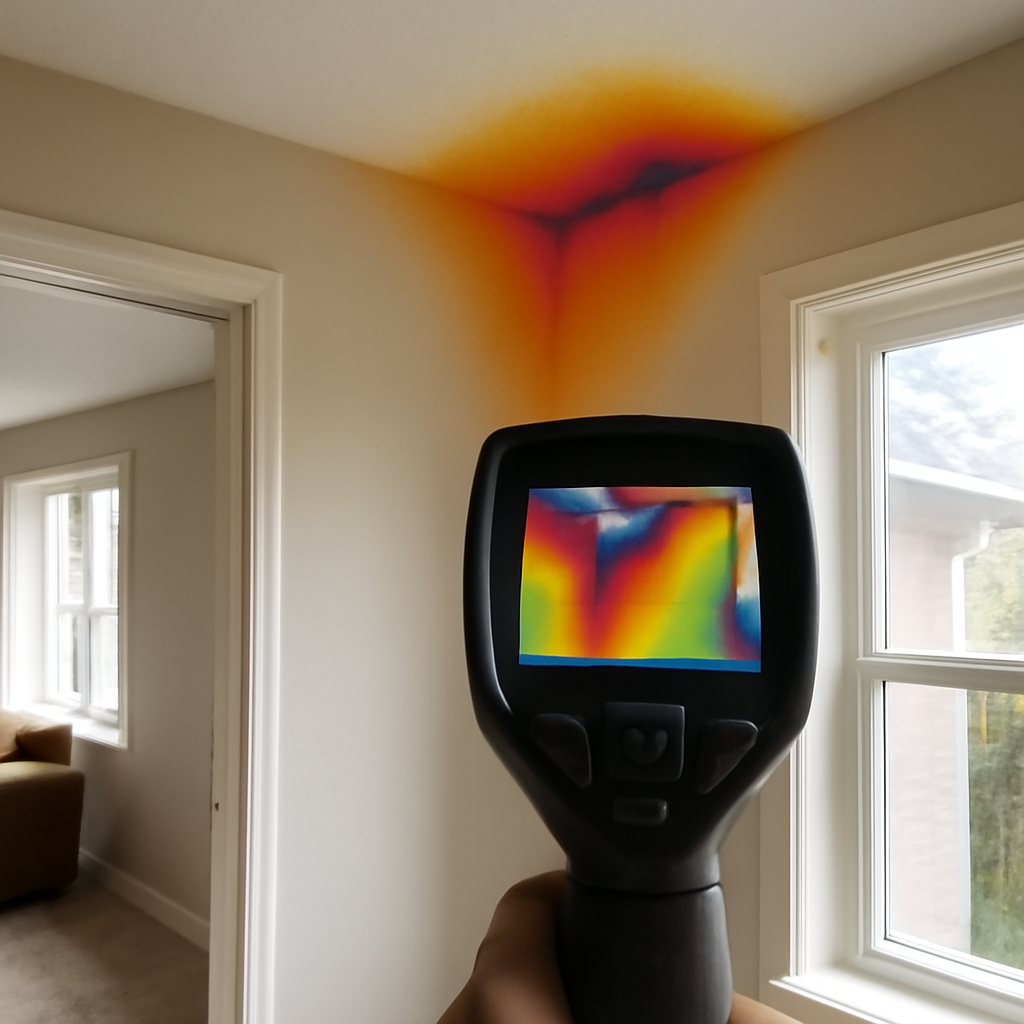
A thermal imaging inspection uses an infrared camera to see temperature differences a standard visual inspection cannot, revealing hidden moisture, missing insulation, air leaks, and overheating electrical components behind finished surfaces. In Wellington, a fast-growing Larimer County town ten miles north of Fort Collins, that capability pays off across the local housing range: finished-basement subdivision homes where moisture hides behind drywall, and century-old Old Town Wellington houses where insulation gaps and aging wiring lurk in old walls. A thermal imaging inspection wellington homeowners add to a standard inspection turns invisible problems into visible ones. This page explains what infrared can and cannot do, the local conditions it helps with, what it costs, and how to choose a provider. It is a general overview, not a substitute for a qualified inspector’s report on your specific home.
Thermal imaging inspection in Wellington: what to know
An infrared camera detects surface temperature, not moisture or wiring directly. It shows thermal patterns, a cool patch where evaporating moisture chills a wall, a warm streak where a wire connection is overheating, a cold band where insulation is missing, and a trained inspector interprets those patterns against context. The camera points to a problem; the inspector confirms it, often with a moisture meter or a closer look.
That distinction matters because thermal imaging is a diagnostic supplement, not a standalone inspection. It is most powerful paired with a full home inspection, where infrared flags a hidden anomaly and the standard inspection verifies and explains it. Our buyer’s guide to hiring a home inspector covers how specialized tools like infrared fit into a complete inspection.
Wellington’s housing gives infrared plenty to find. In the fast-growing subdivisions, Sage Meadows, Harvest Village, Buffalo Creek, finished basements hide moisture and insulation defects behind drywall, and construction-phase shortcuts in rapid build-out can leave insulation gaps and air-leakage paths an infrared scan reveals. A camera reading a cold band along a basement wall on a winter day can expose missing insulation a buyer would never see otherwise.
Old Town Wellington homes give infrared a different job. Century-old houses often have inconsistent or missing insulation, aging electrical, and a history of moisture intrusion through old roofs and foundations. Thermal imaging maps where heat is escaping and where moisture has tracked, valuable information in a home whose systems and envelope have been patched over generations rather than built to a single modern standard.
Why Wellington homes benefit from thermal imaging
Hidden moisture is the headline use, and Wellington’s finished basements make it locally important. When snowmelt or irrigation water on a flat plains lot reaches a below-grade wall, the moisture often hides behind finished drywall until it has done real damage. An infrared scan catches the cool signature of that evaporative moisture early, before a stain or odor appears, which on a finished basement can mean the difference between a small drainage fix and a full tear-out.
Insulation and energy performance are a second major use, and the plains climate makes them matter. Wellington’s cold, sealed winters and hot, dry summers, often cooled by evaporative coolers, put real demand on a home’s envelope. Infrared maps missing or settled insulation in walls and ceilings and reveals air-leakage paths around windows, doors, and rim joists, the very places Chinook winds drive infiltration. For both newer subdivision homes and old Old Town houses, that map is the basis for targeted, cost-effective improvement.
Electrical anomalies are a safety-focused application. Loose connections and overloaded circuits run hot before they fail, and an infrared scan of a panel and accessible circuits can reveal a hot spot that signals a fire risk. In older Old Town Wellington homes with aging panels and decades of added circuits, this use is particularly valuable, the kind of latent hazard a visual inspection alone can miss.
Freeze-thaw and roof issues round out the local case. The Front Range’s freeze-thaw cycling and severe hail seasons stress roofs and let water in, and infrared can sometimes reveal moisture that has tracked into a roof deck or ceiling from a compromised area. On Wellington’s plains, where wind-driven rain and hail are routine, that early detection of roof-origin moisture is a genuine benefit worth the add-on.
What a Wellington thermal imaging inspection covers
A thermal scan systematically sweeps the home’s envelope and key systems, with the inspector interpreting anomalies and confirming them rather than reporting raw images alone.
Envelope, moisture, and insulation
The inspector scans walls, ceilings, finished basements, and around windows and doors for the cold signatures of missing insulation and air leaks and the cool signatures of hidden moisture. In a Wellington finished basement, the lower drywall, window wells, and any wall shared with grade get particular attention, since these are where local moisture problems concentrate. Anomalies get verified with a moisture meter before they go in the report.
Electrical and mechanical
The scan covers the electrical panel and accessible circuits for overheating connections, and HVAC components and ductwork for performance clues. In an older Old Town Wellington home, the electrical scan can flag aging-wiring hot spots that warrant an electrician’s follow-up. Because thermal imaging works best alongside a full inspection, many buyers pair it with a pre-purchase inspection in Wellington timed to their contingency.
Thermal imaging inspection cost in Wellington
Thermal imaging is usually priced as an add-on to a standard home inspection in the Wellington and northern Larimer County market, typically running an additional $100 to $250 depending on home size and scan scope. As a standalone service, a dedicated infrared scan of a specific concern, a suspected leak or an energy audit, generally runs higher, since it is a separate visit rather than a bundled service.
The value lies in catching what would otherwise stay hidden until it is expensive. An infrared scan that finds a moisture intrusion behind a finished Wellington basement wall, or a hot electrical connection in an old panel, surfaces a problem while it is still small and cheap to fix. The modest add-on cost is easy to justify against the price of a hidden moisture problem that spreads through framing, or an electrical fault that goes undetected.
For an energy-focused scan, the payback is ongoing. Identifying missing insulation and air leaks in a Wellington home, then correcting them, reduces heating and cooling demand year after year in a climate that swings from sealed cold winters to evaporatively cooled summers. That makes the scan a one-time cost against a recurring saving, on top of its diagnostic value during a purchase.
Colorado regulations and disclosure
Colorado does not license home inspectors or thermal imaging technicians, so the buyer vets the provider directly. The meaningful signals are training and certification in thermal imaging, often through bodies recognized within the inspection industry, alongside InterNACHI or ASHI home-inspection credentials, plus insurance and sample reports. A camera in untrained hands produces pretty pictures and wrong conclusions, so the operator’s competence is the whole game.
Disclosure-wise, thermal imaging supports the same framework as any inspection. Colorado’s Seller’s Property Disclosure asks sellers to report known defects, and an infrared scan can independently surface a moisture or insulation issue the disclosure omits. For a Wellington transaction, documented thermal findings, an image plus the inspector’s verified interpretation, give a buyer factual support for a repair request or further investigation, which a vague concern would not.
Neighborhoods and areas served
Thermal imaging earns its keep across Wellington’s housing. The fast-growing subdivisions, Sage Meadows, Harvest Village, Buffalo Creek, and the Boxelder-area developments, benefit from infrared scans of finished basements for hidden moisture and of envelopes for build-quality insulation gaps. Old Town Wellington homes benefit from electrical and insulation scans suited to aging systems and patched-over envelopes.
Service typically covers northern Larimer County and adjacent communities, including Fort Collins, where homeowners can compare a home inspection in Fort Collins, plus Timnath, Severance, and the rural areas toward Waverly and Nunn. Rural properties, often larger and on well and septic, can use thermal imaging to check expansive envelopes and find moisture in spaces a quick walk-through would miss.
When thermal imaging matters most in Wellington
Infrared is not equally useful on every home or every day, and knowing when it adds the most value helps a Wellington homeowner spend wisely. The scan depends on a temperature difference between a problem area and its surroundings, so conditions and timing shape what it can reveal.
Winter is the strongest season for envelope and insulation scanning in Wellington. When the indoor-outdoor temperature gap is wide, missing insulation and air leaks show up vividly as cold bands and streaks against warm interior surfaces. A scan run on a cold, sealed January day, exactly the conditions Wellington homes spend months in, exposes insulation gaps in finished basements and around rim joists that would be invisible in mild weather. For a buyer evaluating a winter purchase, that timing is a genuine advantage.
Moisture detection works year-round but pays off most where Wellington hides water. Finished basements in the newer subdivisions are the prime target, because evaporating moisture behind drywall creates a cool signature an infrared camera reads before a stain or odor appears. After a heavy snowmelt or a wet spring on a flat plains lot, a scan of below-grade walls and window wells can catch intrusion early, while it is still a drainage fix rather than a tear-out. The same applies to roof-origin moisture after the Front Range’s hail and wind-driven rain.
Electrical scanning is condition-driven rather than seasonal, and it is most valuable on older Old Town Wellington homes. A panel or circuit only shows a thermal hot spot when it is under load, so the scan catches overheating connections during normal operation. In a century-old home with an aging panel and decades of added circuits, that snapshot can reveal a latent fire risk no visual inspection would surface. Matching the scan to the right conditions, winter for insulation, post-snowmelt for moisture, under load for electrical, is what separates a useful infrared inspection from a set of inconclusive images.
The flip side is knowing when infrared adds little. On a mild spring or fall day with a narrow indoor-outdoor temperature gap, an envelope scan may show faint, ambiguous patterns that prove nothing, and a dry home with no suspected leak gives a moisture scan little to find. An honest Wellington provider will tell a homeowner when conditions favor the scan and when they would recommend waiting for colder weather or pairing the infrared work with a specific concern. That candor about timing is itself a sign of a provider who understands the tool rather than selling it indiscriminately.
How to choose a Wellington thermal imaging provider
Prioritize training and interpretation skill over camera resolution. Ask whether the provider is trained and certified in thermography and whether they verify anomalies with a moisture meter or other follow-up rather than reporting raw images as conclusions. A good provider explains what each thermal pattern means in context and is honest about infrared’s limits, it shows temperature differences, not moisture or wiring directly.
Confirm the scan is offered alongside or integrated with a full home inspection, since infrared is a supplement that delivers the most value paired with a complete evaluation. For a Wellington buyer, bundling thermal imaging into a broader inspection, whether a standard home inspection in Wellington or a contingency-timed pre-purchase inspection, gives one coordinated picture: the visual inspection plus the hidden anomalies only infrared reveals. That pairing is where the technology earns its cost.
References
- Infrared and thermal imaging certification — International Association of Certified Home Inspectors
- Standard of practice — American Society of Home Inspectors
- Home energy audits and thermographic inspections — U.S. Department of Energy
Thermal imaging turns the hidden moisture, insulation gaps, and electrical hot spots in a Wellington home into something you can actually see and act on. To connect with a vetted northern Larimer County inspector who pairs infrared with a full inspection, reach out through our contact page.
Thermal imaging cameras
Infrared cameras reveal hidden moisture, missing insulation, and air leaks. Phone-attachment models are the budget entry point; standalone units have higher resolution.
| Product | Why | Buy |
|---|---|---|
 FLIR ONE Pro (phone) FLIR ONE Pro (phone) | Plugs into iPhone/Android; inspector favorite. | Amazon — $349.00 |
 Topdon TC001 Topdon TC001 | High-res phone module at a low price. | Amazon — $199.99 |
 FLIR C5 Compact FLIR C5 Compact | Standalone pocket camera with Wi-Fi. | Amazon — $449.00 |