Home Inspection in Wellington, Colorado | InspectandTest
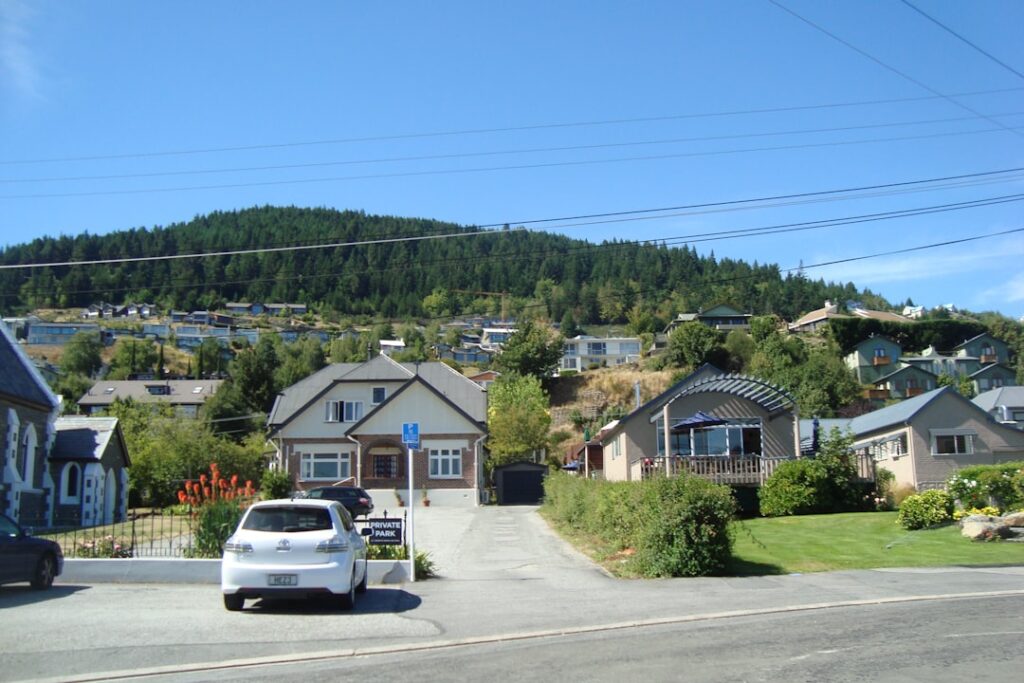
A home inspection is the buyer’s independent look under the hood before closing, and in Wellington it has to flex between two very different kinds of house. This fast-growing Larimer County town, ten miles north of Fort Collins on the I-25 corridor, is dominated by 2000s-to-2020s subdivisions with finished basements, but it also keeps a historic Old Town Wellington core of early-1900s railroad and farming homes. A home inspection wellington buyers commission should read each on its own terms, a young subdivision home for build-quality and grading issues, an Old Town home for age-driven systems and materials. This page explains what a Wellington inspection covers, the local conditions that shape findings, what it costs, and how to choose an inspector. It is a general overview, not a substitute for a qualified inspector’s report on your specific home.
Part of our Home Inspections Explained guide — start there for the full picture →
Home inspection in Wellington: what to know
A home inspection is a non-invasive, visual evaluation of a home’s accessible systems and components: roof, structure, foundation, exterior, plumbing, electrical, heating and cooling, insulation, and the interior. The inspector reports on the condition of what they can see and reach, flags safety concerns and deferred maintenance, and gives the buyer a documented basis for decisions. It is a snapshot of condition, not a warranty or a pass-fail grade.
The standard of practice most reputable inspectors follow comes from national bodies like InterNACHI and ASHI, since Colorado does not license home inspectors. That makes the inspector’s credentials and adherence to a recognized standard the buyer’s main quality signal. Our buyer’s guide to hiring a home inspector walks through how to evaluate those credentials in detail.
Wellington’s rapid growth shapes what an inspection turns up. When subdivisions like Sage Meadows, Harvest Village, and Buffalo Creek go up quickly, even on newer homes an inspection regularly finds grading that slopes toward the foundation, incomplete or missing downspout extensions, settling cracks, and finish-work shortcuts that a buyer would not spot on a walk-through. A new home is not a flawless home, and the inspection is where the difference shows.
For Old Town Wellington homes, the inspection priorities shift toward age. A century-old house brings original or patched-together systems, an aging electrical panel, older plumbing, foundation movement from decades of freeze-thaw, and additions whose construction quality varies. The same inspection framework applies, but the inspector’s attention follows the home’s history rather than its newness.
Why Wellington homes need close inspection
The plains climate is hard on houses, and it drives a lot of what an inspector watches for. Chinook winds and intense sun age roofing and exterior finishes quickly, and the Front Range’s severe hail seasons mean roof condition is a perennial inspection focus in Wellington, hail damage can shorten a roof’s life dramatically and is easy for a buyer to miss from the ground.
Drainage on flat plains lots is a recurring theme. Wellington sits in an agricultural, relatively level setting near Boxelder Creek, and on a flat lot even a slight negative grade routes snowmelt and irrigation water against the foundation. Finished basements, the norm in Wellington’s subdivisions, raise the stakes, since water reaching a below-grade wall threatens living space rather than an unfinished mechanical room. An inspector reads grading, gutters, window wells, and any signs of past basement moisture closely.
Freeze-thaw cycling works on foundations and flatwork year after year. The repeated freezing and thawing of plains soil moves concrete, opens cracks in driveways and basement slabs, and stresses foundation walls. An inspector distinguishes ordinary settling from movement that signals a structural concern, a judgment that matters as much on a fifteen-year-old subdivision home as on a century-old Old Town house.
Rural and semi-rural properties around Wellington add systems a tract-home inspection would not. Many homes toward Waverly, Nunn, and Severance run on private wells and septic systems, and while a standard inspection does not fully test these, it flags visible concerns and tells the buyer when a dedicated well-flow or septic inspection is warranted. That rural overlay is a genuine Wellington consideration that a buyer relocating from a city suburb may not anticipate.
What a Wellington home inspection covers
A full inspection works through the home’s major systems in a consistent sequence, documenting condition and flagging what needs attention. The written report, with photos, is the deliverable the buyer actually uses.
Structure, roof, and exterior
The inspector evaluates the foundation, framing where visible, roof covering and flashing, siding, grading, and drainage. In Wellington that means a careful look at roof condition after hail seasons, grading on flat lots, and any evidence of foundation movement from freeze-thaw. These exterior systems are where the plains climate leaves its clearest marks.
Systems and interior
Plumbing, electrical, heating, cooling, water heater, insulation, ventilation, and the interior get individual attention. Evaporative coolers, common across northern Colorado, are a system a Wellington inspector knows to evaluate, and finished basements get scrutiny for moisture, egress, and the quality of the finish work. Because radon is a Zone 1 concern across Wellington, many buyers add a radon measurement, covered in our guide to radon testing in Wellington, alongside the structural inspection.
Home inspection cost in Wellington
A standard single-family home inspection in the Wellington and northern Larimer County market typically runs about $350 to $600, scaling with the home’s size, age, and complexity. A larger or older Old Town Wellington home with multiple systems and additions sits at the upper end, while a compact newer subdivision home lands lower.
Add-on services are priced separately. A radon measurement, a sewer scope, a well-flow test, or a septic inspection each carries its own fee, and bundling them with the main inspection is usually more efficient than scheduling separate visits. For a rural Wellington property on well and septic, those add-ons are often worth the cost given how much they reveal that a visual inspection alone cannot.
The inspection is inexpensive relative to what it protects. A few hundred dollars that uncovers a failing roof after hail, a grading problem feeding a wet basement, or an aging electrical panel gives a buyer leverage to negotiate repairs or a credit, or to walk away from a home with problems exceeding their budget. On a purchase of several hundred thousand dollars, declining the inspection to save a few hundred is a poor trade.
Colorado regulations and disclosure
Colorado does not license home inspectors, which puts the burden of vetting squarely on the buyer. Without a state license to lean on, the meaningful signals are national certification through InterNACHI or ASHI, adherence to a recognized standard of practice, carried insurance, and a sample report a buyer can actually read. A Wellington buyer should ask for those directly rather than assuming any inspector meets a baseline.
Colorado does require seller disclosure. The Seller’s Property Disclosure asks sellers to report known defects and conditions, and a home inspection is how a buyer independently verifies, or challenges, what the disclosure claims. For a Wellington transaction, the inspection report and the disclosure work together: the disclosure is the seller’s account, and the inspection is the buyer’s check on it. Where they diverge, the inspection’s documented findings carry the conversation.
Neighborhoods and areas served
Inspection demand spans Wellington’s housing range. The fast-growing subdivisions, Sage Meadows, Harvest Village, Buffalo Creek, and the Boxelder-area developments, generate steady purchase inspections as the town grows, each needing scrutiny on grading, drainage, and build quality. Old Town Wellington homes call for age-focused inspections of older systems and foundations.
Service typically extends across northern Larimer County and adjacent communities, including Fort Collins to the south, where buyers can compare notes via a home inspection in Fort Collins, plus Timnath, Severance, and the rural areas toward Waverly and Nunn. Rural properties on well and septic get the additional system attention those setups require, which a buyer coming from a city suburb should plan for.
New construction versus Old Town: two inspection mindsets
Wellington’s split housing stock rewards an inspector who can switch mindsets between a recent subdivision home and a century-old Old Town house. The two fail in different ways, and a single checklist run identically across both misses what each is most likely to hide.
On a newer subdivision home in Sage Meadows, Harvest Village, or Buffalo Creek, the systems are modern and largely sound, so the inspection’s value lies in catching the byproducts of fast build-out. Rapid construction schedules produce predictable issues: grading that was never fully corrected, downspouts that dump at the foundation, insulation gaps in finished basements, missed flashing, and finish-work that looks clean but covers a shortcut. None of these are dramatic on their own, but on a flat plains lot with a finished basement, a grading or drainage miss can become a moisture problem within a few seasons. A good Wellington inspector treats a new home as worth real scrutiny rather than assuming newness equals quality.
An Old Town Wellington home demands the opposite emphasis. Here the systems carry a century of history, and the inspector’s attention turns to age and accumulated change: roof age and prior hail repairs, the electrical panel and any decades of added circuits, original or partially updated plumbing, foundation movement from generations of freeze-thaw, and additions whose construction quality varies widely. These homes often hold the materials, and the hazards, of an earlier era, so an inspector may flag the value of asbestos or lead assessment on pre-1978 surfaces a renovation might disturb.
The constant across both is the plains climate and the finished basement. Whether a home is two years old or a hundred, Wellington’s hail, Chinook winds, freeze-thaw cycling, and flat-lot drainage shape its condition, and a finished lower level raises the cost of any moisture finding. An inspector who reads the home’s era first, then applies that constant local lens, gives a Wellington buyer the most useful picture.
The town’s fast growth means buyers regularly encounter homes only a few years old that have already weathered several hard Front Range seasons. A 2019-built Buffalo Creek home has by now seen multiple hail events, several freeze-thaw winters, and a few spring snowmelts working against its grading, so even a recent home has accumulated real wear an inspection should document. Treating a young Wellington home as effectively new, and skipping the scrutiny, overlooks exactly the early-stage problems that are cheapest to address while they are still small.
How to choose a Wellington home inspector
Because Colorado does not license inspectors, lead with credentials: InterNACHI or ASHI membership, a current certification, insurance, and a willingness to share a sample report. Ask whether the inspector follows a recognized standard of practice and whether they encourage you to attend the inspection, attending lets you see issues firsthand and ask questions in context, which a written report alone cannot replace.
For Wellington specifically, ask whether the inspector is comfortable with the local mix, fast-growth subdivision build issues, hail-aged roofs, flat-lot drainage, and the well-and-septic systems of rural properties. An inspector who knows the area flags the right things. If you are buying, consider whether to add a separate, deadline-driven evaluation through a pre-purchase inspection in Wellington, which frames the same work around your contract contingency timeline.
References
- Standards of practice for home inspectors — International Association of Certified Home Inspectors
- Standard of practice — American Society of Home Inspectors
- Radon zone information for homebuyers — U.S. Environmental Protection Agency
Frequently asked questions
Do new Wellington subdivision homes need an inspection?
Yes. Fast build-out regularly leaves grading that slopes toward the foundation, missing downspout extensions, settling cracks, and finish shortcuts a buyer would not spot. A new home is not a flawless home, and the inspection is where the difference shows up.
How much does a home inspection cost in Wellington?
A standard single-family inspection typically runs $350 to $600, scaling with size, age, and complexity. Add-ons like radon, sewer scope, well-flow, or septic inspections carry separate fees and are usually cheaper bundled into one visit.
Does Colorado license home inspectors?
No. Colorado does not license home inspectors, so vet credentials directly, InterNACHI or ASHI membership, a recognized standard of practice, insurance, and a sample report. The buyer carries the responsibility a license would otherwise provide.
What local issues do Wellington inspections find most?
Hail-aged roofs, flat-lot drainage routing water toward foundations, freeze-thaw cracking in slabs and foundations, finished-basement moisture, and on rural properties, well and septic concerns. The plains climate and finished-basement housing drive most local findings.
Should I add radon testing to a Wellington inspection?
It is worth considering. All of Wellington sits in EPA Radon Zone 1, the highest-risk category, and most homes have finished basements where radon concentrates. Bundling a radon measurement with the structural inspection is efficient and common locally.
A Wellington home inspection reads a fast-growth subdivision and a century-old Old Town house with equal care, and it is the cheapest insurance in any purchase. To connect with a vetted northern Larimer County inspector before your closing date, reach out through our contact page.