Thermal Imaging Inspection Lakewood, CO | InspectandTest
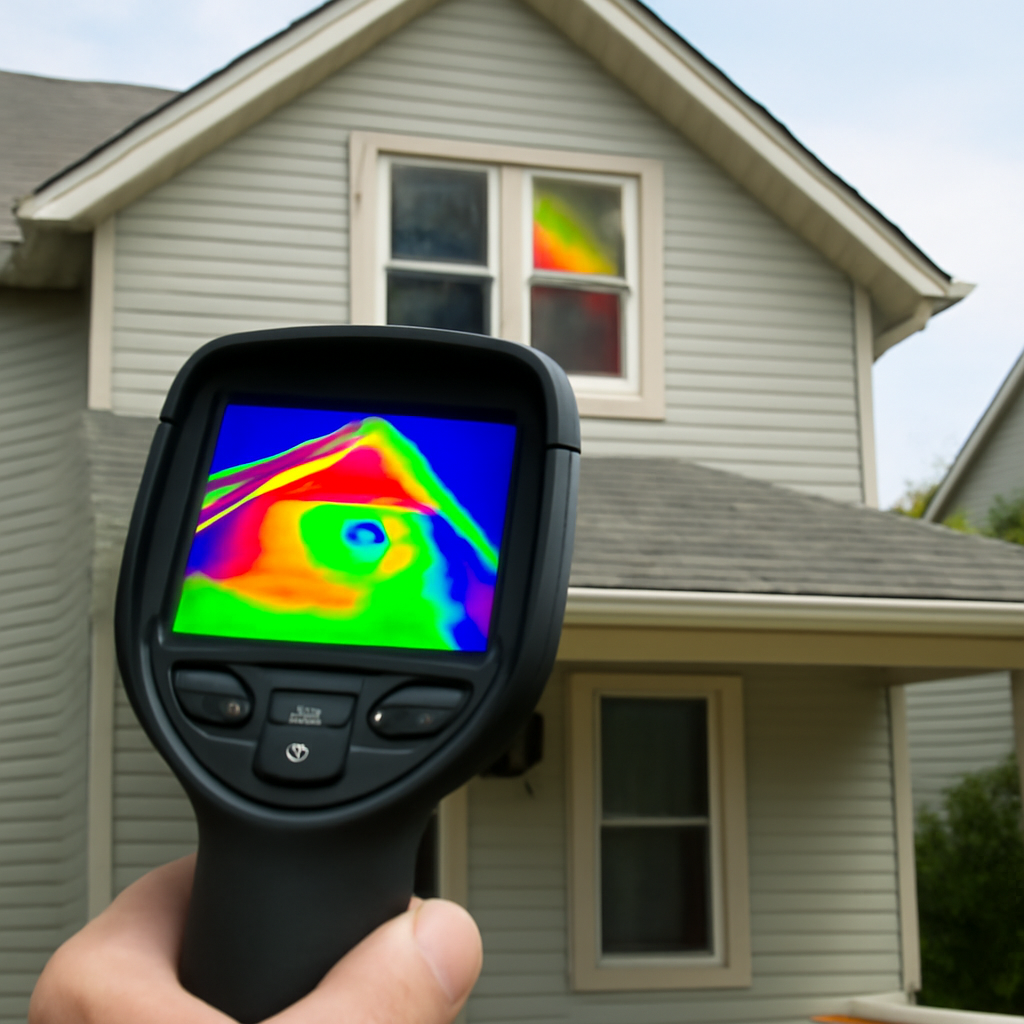
A thermal imaging inspection in Lakewood, Colorado, uses an infrared camera to reveal what the naked eye misses: hidden moisture, missing insulation, air leaks, and overheating electrical connections. In a Jefferson County market full of postwar and mid-century homes, where basements and aging systems are common, infrared adds a valuable layer to a standard inspection. Colorado does not license home inspectors, so thermographer training and certification matter. This guide explains how thermal imaging works, what it finds in Lakewood homes, and what it costs.
Part of our Thermal Imaging for Homes guide — start there for the full picture →
Thermal imaging inspection in Lakewood: what to know
Thermal imaging, or infrared thermography, detects surface temperature differences. Wet materials, gaps in insulation, and air leaks all show up as temperature anomalies an infrared camera can capture. It does not see through walls; it reads the surface temperature that hidden conditions produce. A trained inspector interprets those patterns and confirms findings with a moisture meter.
The science is grounded in basic physics. Every surface emits infrared radiation in proportion to its temperature, and a thermal camera converts that radiation into a visible image where color maps to temperature. A damp wall is cooler than a dry one because evaporation pulls heat away; a poorly insulated section is cooler in winter because heat escapes through it. By reading these patterns, an inspector infers what is happening behind the surface without cutting into it, which is what makes infrared such a useful non-invasive screening tool for Lakewood homes.
In Lakewood’s mid-century homes near Green Mountain, Glennon Heights, and Belmar, infrared is especially useful for spotting basement moisture intrusion and insulation gaps in homes built before modern energy codes. The technique is non-invasive, which is why it pairs well with a general or pre-purchase inspection.
An important point about infrared is that it shows symptoms, not causes. A cool patch on a wall might indicate trapped moisture, a missing chunk of insulation, or simply a cold-water pipe behind the drywall. The camera narrows down where to look, and the inspector then confirms what is actually happening using a moisture meter, a closer visual check, or knowledge of the home’s construction. Treating an infrared image as a final diagnosis rather than a lead is a common misunderstanding that good thermographers correct.
The technology has become far more accessible in recent years, with smartphone-attachable cameras and inexpensive handheld units flooding the market. That accessibility is a double-edged sword. A cheap camera in untrained hands produces colorful images that are easy to misread, while a trained thermographer with quality equipment knows how to set up the scan, control for reflections, and interpret patterns correctly. The value lies in the operator’s skill at least as much as in the camera.
Why Lakewood homes benefit from thermal imaging
Lakewood’s climate and housing make infrared worthwhile. The foothill setting brings cold winters and freeze-thaw cycles, and the temperature contrast across walls in winter makes insulation gaps and air leaks easy to image. Mid-century homes often have under-insulated walls and attics, driving up heating bills and creating cold spots.
Moisture is the other payoff. Snowmelt, irrigation against foundations, and evaporative-cooler leaks create damp areas that thermal imaging can flag before they become mold. When a camera shows a cool, damp patch, the next step is often a moisture investigation; our explainer on what mold smells like in walls connects the dots between hidden moisture and growth. The infrared camera itself is one of several tools covered in our home inspection tools buyer’s guide.
Energy efficiency in older Lakewood homes
For homeowners not facing a transaction, thermal imaging often pays for itself through energy savings. Mid-century Lakewood homes commonly have under-insulated walls, settled attic insulation, and air leaks around rim joists and penetrations. An infrared scan during cold weather maps exactly where heat escapes, turning a vague high utility bill into a targeted list of fixes. Sealing and insulating the specific spots the camera identifies is far more effective than guessing, and the savings accumulate every winter.
Catching electrical hot spots
Infrared also has a safety application. Loose or overloaded electrical connections generate heat before they fail, and a thermal scan of the main panel can reveal a breaker or terminal running hotter than its neighbors. While a thermographer is not a substitute for a licensed electrician, flagging an overheating connection lets a homeowner address a fire risk before it becomes an emergency. In older Lakewood homes with original panels, this check adds meaningful value to a scan.
What a Lakewood thermal imaging inspection covers
A thermographer scans walls, ceilings, floors, and around windows and doors for temperature anomalies. Typical findings include missing or settled insulation, air leakage at penetrations, moisture behind finishes, and occasionally overheating electrical components at the panel. The inspector documents anomalies with paired infrared and visible-light images.
Conditions matter: a meaningful temperature difference between indoors and outdoors makes the scan effective, so Front Range winters are ideal. Infrared findings are leads, not conclusions, and a moisture meter or further investigation confirms them. To understand the underlying equipment, our guide to the best infrared thermometer explains how surface-temperature tools read a home. Thermal imaging is usually an add-on to a broader inspection rather than a standalone service.
The plumbing-leak application is one homeowners appreciate most. A slow leak inside a wall or under a floor cools the surrounding surface as water evaporates, creating a pattern an infrared camera can pick up before a stain ever appears on the drywall. In Lakewood homes with older supply and drain lines, catching a hidden leak early can prevent both structural damage and the mold that follows chronic moisture. The camera turns an invisible problem into a visible one while it is still small.
Infrared is equally useful for verifying work after the fact. After insulation is added, a follow-up scan confirms the contractor filled the wall cavities evenly rather than leaving gaps. After a roof or window repair, a scan can confirm the leak path is gone. This verification role makes thermal imaging valuable not just for finding problems but for confirming that the money spent fixing them actually solved the issue, which is reassurance worth having on an older Lakewood home.
Thermal imaging inspection cost in Lakewood
As an add-on to a general or pre-purchase inspection in the Lakewood area, thermal imaging typically costs $100 to $250. As a standalone scan, expect $200 to $400 depending on home size and scope. Larger homes near Green Mountain with multiple levels sit at the higher end.
Some Lakewood inspectors include a basic infrared sweep within their standard inspection at no extra charge, while a dedicated, documented thermographic report costs more. For a mid-century home with insulation and moisture questions, the add-on price is modest relative to the energy savings and water damage it can help prevent. Confirm whether imaging is included or extra when booking.
There is a meaningful difference between a casual sweep and a documented scan. A casual sweep means the inspector glances at surfaces with the camera and notes anything obvious, which catches glaring problems but produces no record. A documented thermographic report includes paired infrared and visible-light images of each anomaly, descriptions, and follow-up recommendations. If you need evidence for a transaction, an insurance claim, or an energy-improvement plan, the documented report is worth the higher fee.
Timing the scan well also improves the value you get. Because infrared depends on temperature contrast, scheduling a scan on a cold Lakewood morning yields sharper results than a mild afternoon when indoor and outdoor temperatures are close. Some thermographers will recommend rescheduling if conditions are poor, which is a sign of a provider who cares about result quality rather than just collecting a fee. Ask about ideal timing when you book.
Lakewood regulations and disclosure
Colorado does not license home inspectors or thermographers, so look for InterNACHI infrared certification or a recognized thermography credential. Thermal imaging findings can support disclosure conversations: documented moisture intrusion may appear on the Seller’s Property Disclosure as a known defect.
While no Colorado statute governs thermal imaging specifically, the findings often intersect with other rules. Moisture leads can prompt mold assessment, and energy findings inform insulation upgrades. Pre-1978 homes still carry federal lead disclosure and CDPHE Regulation 8 asbestos obligations for any related work. For the full inspection picture, see our Lakewood home inspection guide, which covers how add-ons fit a complete evaluation.
During a real-estate transaction, thermal findings can feed directly into the inspection objection. A documented moisture anomaly behind a basement wall, confirmed with a moisture meter, becomes a concrete item a buyer can raise with the seller. Because the images show exactly where the problem is, they are harder to dismiss than a vague concern. That said, an infrared image alone is not proof; pairing it with confirmation gives the finding the weight it needs to support a credit or repair request on a Lakewood home.
For sellers, a pre-listing thermal scan can be a smart move. Finding and fixing a hidden moisture or insulation problem before listing removes a surprise that could derail a deal during the buyer’s inspection. It also lets a seller market genuine energy-efficiency improvements with documentation. In a competitive Lakewood market, walking into a sale with no hidden thermal problems is one less thing to negotiate away at the closing table.
Neighborhoods and areas served
Thermal imaging inspectors in Lakewood serve Belmar, Green Mountain, Glennon Heights, and the neighborhoods near Bear Creek Lake. Mid-century homes throughout these areas benefit most, given their insulation and moisture profiles. Most thermographers also cover adjacent Golden, Wheat Ridge, Morrison, and western Denver.
An inspector who knows Jefferson County’s postwar construction can distinguish a real anomaly from a normal thermal pattern in these floor plans. Buyers comparing across the metro may also review nearby cities; our Boulder thermal imaging inspection guide covers a market with older historic homes where insulation gaps are even more common.
How to choose a Lakewood thermal imaging provider
Verify InterNACHI infrared certification or an equivalent thermography credential, since Colorado has no license. Ask whether they confirm infrared findings with a moisture meter, whether the scan happens under adequate temperature contrast, and whether the report includes paired thermal and visible images. A credible thermographer explains anomalies rather than overstating them.
Confirm whether imaging is bundled with the inspection or priced separately, and request a sample report. Insurance and local experience with Lakewood’s mid-century housing round out a reliable provider.
Ask how the thermographer handles inconclusive results. A skilled provider treats an anomaly as a starting point, confirming with a moisture meter or recommending a targeted follow-up rather than declaring a definitive problem from an image alone. The honest answer to many infrared findings is that further investigation is needed, and a provider who acknowledges that is more trustworthy than one who overstates certainty. For a Lakewood homeowner, that measured, evidence-based approach is exactly what makes a thermal scan worth the cost rather than a source of false alarms.
More Questions About Thermal Imaging in Lakewood
Can I use a smartphone thermal camera instead of hiring a Lakewood inspector?
A smartphone thermal camera is fine for spotting obvious drafts or a cold wall, but it does not replace a trained thermographer for a home purchase or a hidden leak. Phone attachments typically have low resolution and few settings for emissivity and reflected temperature, which makes images easy to misread.
Lakewood homeowners can use one to find air leaks around windows and outlets before weatherstripping. For a mid-century basement with a suspected moisture problem or a pre-purchase decision, a certified inspector who confirms each anomaly with a moisture meter gives a documented, defensible result that a phone image cannot.
What thermal camera resolution should a home inspector use?
A professional home inspection camera should typically have at least 160 by 120 infrared pixels, and many experienced thermographers use 320 by 240 or higher. Higher resolution shows small anomalies, such as a single wet stud bay or a warm breaker lug, from a normal working distance.
Thermal sensitivity matters as much as pixel count; cameras rated around 0.05 degrees Celsius or better show subtle moisture patterns more clearly. When comparing Lakewood providers, asking which camera they use and what thermography training they hold is reasonable, since equipment and operator skill together determine whether the report can be trusted.
Can thermal imaging find aluminum wiring problems in 1960s Lakewood homes?
Thermal imaging can catch overheating aluminum wiring connections, which is one of the most valuable safety findings in Lakewood houses built roughly 1965 to 1973. Many homes in that era used aluminum branch wiring, and its connections at outlets, switches, and splices can loosen and overheat over time.
Infrared only reveals heat on circuits carrying load, so a clean scan does not prove the wiring is safe. A hot outlet or switch plate warrants prompt attention from a licensed electrician, who can confirm the wiring type and recommend approved repairs such as rated connectors or pigtailing.
Is thermal imaging worth it for a newer Lakewood townhome or condo?
Thermal imaging is often worth it for a newer Lakewood townhome or condo, though the findings differ from mid-century homes. Newer attached housing near Belmar and along the light-rail corridor tends to show air-sealing gaps at shared walls, missing insulation behind tubs, and moisture from plumbing above or beside the unit.
Because neighbors share walls and ceilings, a scan can show whether a stain comes from inside the unit or from next door, which helps decide whether the owner or the HOA is responsible. Check HOA documents to see which building components the association maintains before scheduling repairs.
Can a thermal scan help with Xcel Energy rebates in Lakewood?
A thermal scan can help a Lakewood homeowner qualify for and target utility rebates, but program rules change, so confirm current details with Xcel Energy, which serves Lakewood. Utility programs have offered rebates for insulation, air sealing, and home energy assessments, and an infrared report shows exactly where that work is needed.
The federal 25C energy-efficient home improvement credit ended for work completed after December 31, 2025, so Xcel and Colorado state incentives are now the main options. A follow-up scan after the work confirms the insulation was installed evenly in walls and the attic.
References
- Infrared Certified Thermographer Program — International Association of Certified Home Inspectors
- ENERGY STAR: Seal and Insulate — U.S. Environmental Protection Agency (ENERGY STAR)
- Mold and Moisture Control — U.S. Environmental Protection Agency
- ASHI Standard of Practice — American Society of Home Inspectors
Frequently asked questions
What does thermal imaging find in a Lakewood home?
Hidden moisture, missing or settled insulation, air leaks, and sometimes overheating electrical connections. In mid-century Lakewood homes, infrared is especially good at revealing basement moisture intrusion and insulation gaps that raise heating bills.
Can a thermal camera see through walls?
No. Thermal imaging reads surface temperature differences caused by hidden conditions, not the conditions directly. A trained inspector interprets these patterns and confirms them with a moisture meter or further investigation.
How much does thermal imaging cost in Lakewood?
As an add-on to a general or pre-purchase inspection, typically $100 to $250. A standalone documented scan runs $200 to $400. Some inspectors include a basic infrared sweep at no extra charge.
Is winter a good time for thermal imaging in Lakewood?
Yes. A strong temperature difference between indoors and outdoors makes anomalies easier to detect, so Front Range winters are ideal for revealing insulation gaps and air leaks in Lakewood homes.
How long does a thermal imaging scan take in Lakewood?
A thermal imaging scan of a typical Lakewood home usually takes one to two hours, depending on size and whether a finished basement is included. Added to a general inspection, it often extends the appointment by under an hour. Annotated reports usually arrive within one or two business days.
Does thermal imaging check for radon in Jefferson County homes?
No, thermal imaging cannot detect radon, a colorless gas that requires a dedicated test. Jefferson County, including Lakewood, is in EPA Radon Zone 1 with high radon potential. Test the lowest lived-in level, often the basement, and plan mitigation if results reach 4 pCi/L, the EPA action level.
Does homeowners insurance pay for a thermal scan after a Lakewood water leak?
Homeowners insurance sometimes covers leak detection, including a thermal scan, when it is part of a covered sudden water-damage claim, but policies vary. Call the insurer before booking. Gradual leaks and long-term seepage are often excluded, so a scan that shows a slow, ongoing problem may not lead to a paid claim.
Can lawn irrigation cause basement moisture a thermal scan finds in Lakewood?
Yes, lawn irrigation is a common cause of basement moisture in Lakewood, especially when sprinkler heads spray against foundation walls or soil slopes toward the house. A thermal scan shows the resulting cool, damp band on the inside wall. Redirecting sprinklers and regrading soil away from the foundation usually helps.
Want to find hidden moisture or insulation gaps in a Lakewood home before they cost you? Connect with a vetted infrared-certified inspector through our contact page.
Thermal imaging cameras
Infrared cameras reveal hidden moisture, missing insulation, and air leaks. Phone-attachment models are the budget entry point; standalone units have higher resolution.
| Product | Why | Buy |
|---|---|---|
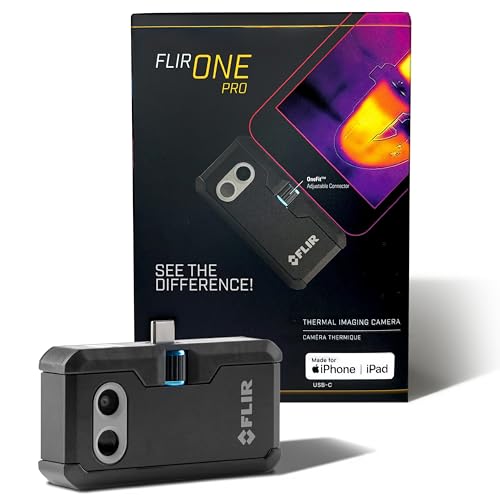 FLIR ONE Pro (phone) | Plugs into iPhone/Android; inspector favorite. | Amazon — $296.65 |
 Topdon TC001 | High-res phone module at a low price. | Amazon — $249.00 |
 FLIR C5 Compact | Standalone pocket camera with Wi-Fi. | Amazon — $593.99 |