Thermal Imaging Inspection Erie, CO | InspectandTest
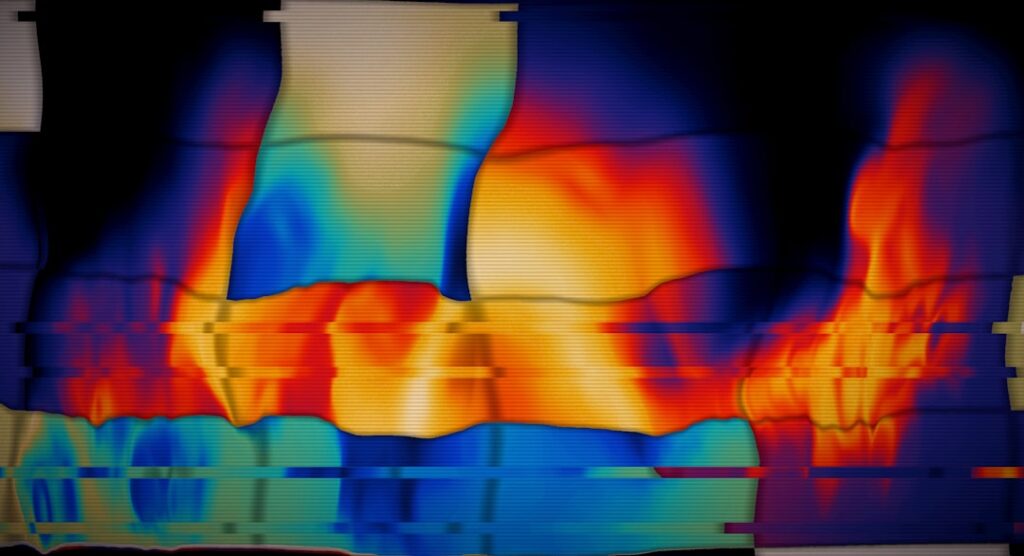
Erie’s fast-growing housing, spread across Boulder and Weld counties on the former Northern Coal Field, includes many 2000s-to-2020s homes with deep finished basements plus a small historic Old Town core. A thermal imaging inspection uses an infrared camera to reveal temperature differences in walls, ceilings, and floors, surfacing hidden moisture, missing insulation, and energy loss that a visual inspection alone would miss. This page explains how a thermal imaging inspection erie homeowners and buyers use, what it reveals in local homes, and what it costs. The guidance here is educational; engage a qualified inspector for any specific property.
Part of our Thermal Imaging for Homes guide — start there for the full picture →
Thermal imaging inspection in Erie: what to know
Thermal imaging, also called infrared inspection, detects surface temperature variations that signal what is happening behind finishes. A wet area reads cooler from evaporation, a gap in insulation reads as a temperature difference against surrounding surfaces, and overheating electrical connections read warmer. The camera does not see through walls, it reads surface temperature, so a skilled operator interprets patterns and confirms findings with a moisture meter or further investigation.
In Erie, thermal imaging is most valuable in finished basements, where hidden moisture behind drywall is a real risk, and across newer rapid-build homes, where insulation gaps and air leaks from fast construction are common. Thermal imaging is typically an add-on to a standard inspection rather than a standalone service; our guide to hiring a home inspector explains how to choose an inspector who offers it as part of a thorough evaluation.
The technique has limits worth understanding. Thermal imaging needs a temperature difference to reveal anything, so conditions matter, and it shows symptoms, a cool patch, a warm connection, that require interpretation and confirmation. A camera in untrained hands produces colorful images without meaning; the value comes from an inspector who knows what the patterns indicate and verifies them.
Why Erie homes benefit from thermal imaging
Finished basements are the prime case. Erie’s newer subdivisions, Vista Ridge, Erie Highlands, Colliers Hill, and Flatiron Meadows, feature below-grade living space against soil that holds snowmelt and irrigation moisture. Water intrusion behind finished basement walls often hides until it has caused damage or mold, and thermal imaging can flag the cool, damp signature of that intrusion before it becomes visible, letting a buyer or owner catch it early.
Energy performance is the second driver. Erie’s cold winters and Chinook winds make insulation and air-sealing important, and rapid construction can leave gaps, missed batts, voids, and air leaks behind finished walls. A thermal scan maps these as temperature anomalies, showing where a home loses heat. For homeowners chasing comfort and lower utility bills, that map is the starting point for targeted improvements rather than guesswork.
Electrical and roof issues round it out. Overheating breakers and loose connections show as hot spots a thermal camera can flag as a safety concern, and moisture intrusion at roof and flashing penetrations, common after freeze-thaw stress, can appear as cool patches on ceilings below. In a town with Erie’s mix of rapid new builds and aging Old Town homes, thermal imaging adds a layer of detection across all of these.
What an Erie thermal imaging inspection covers
A thermal scan systematically covers the home’s interior surfaces, with the inspector adjusting for conditions and confirming findings with secondary tools.
Moisture and insulation
The inspector scans ceilings, walls, and floors, paying special attention to finished basements, areas below roof penetrations, around windows and doors, and exterior walls. Cool anomalies suggesting moisture are confirmed with a moisture meter, and temperature patterns indicating missing or compressed insulation are mapped so a homeowner knows exactly where to improve.
Electrical and air leakage
A scan of the electrical panel and accessible circuits can reveal overheating connections before they fail, and a scan around the building envelope shows air leakage paths. These findings complement a full evaluation; our coverage of home inspection in Erie explains how thermal imaging fits alongside the standard systems inspection rather than replacing it.
Thermal imaging inspection cost in Erie
As an add-on to a standard home inspection, thermal imaging in the Erie market typically adds about $100 to $250, depending on the home’s size and how detailed the scan is. Some inspectors include a basic thermal sweep in their standard inspection and charge for a comprehensive room-by-room scan as an upgrade. A standalone thermal scan, ordered without a full inspection, generally runs $200 to $400.
The value lies in early detection. Finding a hidden basement moisture problem before it spreads into framing and mold, or locating the insulation gaps driving high winter heating bills, can save far more than the scan costs. For a finished-basement Erie home, the modest add-on fee is reasonable insurance against problems that stay invisible until they become expensive.
Cost-effectiveness depends on the operator. A cheap scan from someone who cannot interpret the images is poor value, while a slightly higher fee for an experienced inspector who confirms findings and explains them clearly delivers actionable results. The technology is only as good as the person reading it, which is where the spend should go.
Timing a thermal scan to Erie’s climate and seasons
Thermal imaging only reveals what it can, and in Erie that depends heavily on when the scan runs, because the camera needs a meaningful temperature difference between inside and outside to surface anything. Erie’s cold winters are the ideal window for finding insulation gaps and air leaks: with a warm interior and a cold exterior, the cold voids behind a Colliers Hill or Flatiron Meadows finished wall, the missing batts along a rim joist, and the air leaking around recessed lighting all stand out sharply against the surrounding surfaces. A scan run on a mild spring day, when inside and outside are nearly the same temperature, often finds little simply because the contrast the camera relies on is not there.
Moisture detection follows a different timing logic. A wet area reads cooler than its surroundings because of active evaporation, so the best time to scan for hidden basement moisture is shortly after a wet spring snowmelt or a suspected leak, while the dampness is still evaporating. In a finished Vista Ridge or Erie Highlands basement, water intrusion behind drywall can hide until it has fed mold or damaged framing, and a scan timed to the active moisture catches the cool, damp signature before it becomes visible. An inspector who understands Erie’s Chinook freeze-thaw cycles and snowmelt timing schedules the scan to maximize what it can reveal rather than running it whenever is convenient.
The payoff of a well-timed Erie scan is a precise, actionable map. Instead of a vague sense that a finished basement feels drafty or smells musty, the homeowner gets a marked record of exactly which wall section lacks insulation or where moisture is collecting, which contractor to call and where to focus. For a buyer, documented thermal findings of hidden moisture can support a request for further evaluation or a repair credit within the inspection contingency, turning the scan from a curiosity into leverage.
Colorado regulations and disclosure
Colorado does not license home inspectors or specifically regulate thermal imaging services, so the homeowner’s protection is in vetting the inspector’s training and certification. Thermal imaging findings can support a Colorado Seller’s Property Disclosure where they reveal a known moisture or defect issue, but the scan itself is a diagnostic tool, not a regulated test with a pass/fail standard.
For Erie buyers and owners, thermal imaging is best treated as a quality add-on to a thorough inspection rather than a standalone purchase. Confirm the inspector has infrared training, ideally a recognized thermography certification, and understands building science well enough to interpret what the camera shows. The disclosure value comes only when findings are properly verified and documented.
Neighborhoods and areas served
Thermal imaging demand in Erie concentrates in the finished-basement subdivisions, Vista Ridge, Erie Highlands, Colliers Hill, and Flatiron Meadows, where hidden moisture and rapid-build insulation gaps are most relevant. Old Town Erie’s older homes benefit from thermal scans that reveal aging-insulation voids and moisture around original windows and roofs. Service typically extends to adjacent Lafayette, Longmont, Frederick, Broomfield, and Dacono.
Because Erie spans Boulder and Weld counties, the conditions that make thermal imaging useful, finished-basement moisture, freeze-thaw roof stress, and energy loss in cold winters, apply consistently across both sides. The scan adapts to the individual home’s construction and finishes rather than to any county boundary, so the tool is equally relevant town-wide.
How to choose an Erie thermal imaging provider
Look for an inspector with infrared training or a recognized thermography certification, experience reading building thermal patterns, and the habit of confirming anomalies with a moisture meter rather than relying on images alone. A good provider explains what each finding means, distinguishes a real moisture problem from a harmless temperature variation, and documents results with both thermal and standard photos.
Ask how thermal imaging is included in their service. Some bundle a basic sweep into every inspection while charging for a comprehensive scan; understanding what you are getting prevents surprises. For a purchase, pairing the scan with a full evaluation timed to the contract is efficient, as covered in our guide to pre-purchase inspection in Erie.
Be skeptical of anyone selling thermal imaging as a magic see-through-walls tool. The honest provider explains its limits, that it reads surface temperature and needs the right conditions, and uses it as one part of a broader inspection. That candor is the sign of an inspector who will give you findings you can actually act on rather than impressive-looking images with no meaning.
Timing the scan matters in Erie’s climate. Thermal imaging works best when there is a meaningful temperature difference between inside and outside, which Erie’s cold winters provide reliably, making the heating season an excellent window for finding insulation gaps and air leaks in newer subdivision homes. For moisture detection, a scan shortly after a wet spring snowmelt or a suspected leak gives the camera the active evaporative cooling it needs to flag a damp area. An inspector who understands these conditions schedules the scan to maximize what it can reveal, rather than running it on a mild day when the temperature contrast is too small to surface much of anything.
Use the results as a starting point for action. A thermal scan that maps cold voids behind a finished basement wall or missing insulation along a rim joist gives an Erie homeowner a precise to-do list, which contractor to call and exactly where to focus, rather than a vague sense that the house feels drafty. For a buyer, documented thermal findings of hidden moisture can support a request for further evaluation or a repair credit within the inspection contingency. The value of the scan is realized only when its findings translate into a fix or a negotiation, so a provider who explains what to do next earns their fee.
References
- Standards of Practice and inspection tools — International Association of Certified Home Inspectors
- Home inspection standards and add-on services — American Society of Home Inspectors
- ENERGY STAR: Seal and Insulate — U.S. Environmental Protection Agency (ENERGY STAR)
Frequently asked questions
What does a thermal imaging inspection find in Erie homes?
It reveals hidden moisture behind finished basement walls, missing or compressed insulation, air leaks, and overheating electrical connections, surfacing problems a visual inspection alone would miss.
How much does thermal imaging cost in Erie?
As an add-on to a home inspection it typically adds $100 to $250, depending on home size and scan detail. A standalone scan generally runs $200 to $400.
Can a thermal camera see through walls?
No. It reads surface temperature, not what is behind the wall. A skilled inspector interprets temperature patterns and confirms findings with a moisture meter or further investigation.
Is thermal imaging worth it for a finished-basement Erie home?
Often yes. Finished basements hide moisture behind drywall until it causes damage or mold, and thermal imaging can catch the cool, damp signature early, before it spreads into framing.
Do I need a special inspector for thermal imaging?
Look for one with infrared or thermography training and building-science experience. The camera is only as useful as the person interpreting it, so training and verification habits matter more than the device.
When is the best time for a thermal scan in Erie?
For insulation gaps and air leaks, the cold winter heating season gives the strongest indoor-outdoor temperature contrast. For hidden moisture, a scan shortly after a wet spring snowmelt or a suspected leak catches the cool, evaporative signature while the dampness is still active.
Thermal imaging adds a layer of detection that catches hidden moisture and energy loss in Erie’s finished-basement homes. To connect with a vetted local inspector who offers infrared scanning, reach out through our contact page.
Thermal imaging cameras
Infrared cameras reveal hidden moisture, missing insulation, and air leaks. Phone-attachment models are the budget entry point; standalone units have higher resolution.
| Product | Why | Buy |
|---|---|---|
 FLIR ONE Pro (phone) FLIR ONE Pro (phone) | Plugs into iPhone/Android; inspector favorite. | Amazon — $349.00 |
 Topdon TC001 Topdon TC001 | High-res phone module at a low price. | Amazon — $199.99 |
 FLIR C5 Compact FLIR C5 Compact | Standalone pocket camera with Wi-Fi. | Amazon — $611.50 |