Thermal Imaging Inspection Severance, CO | InspectandTest
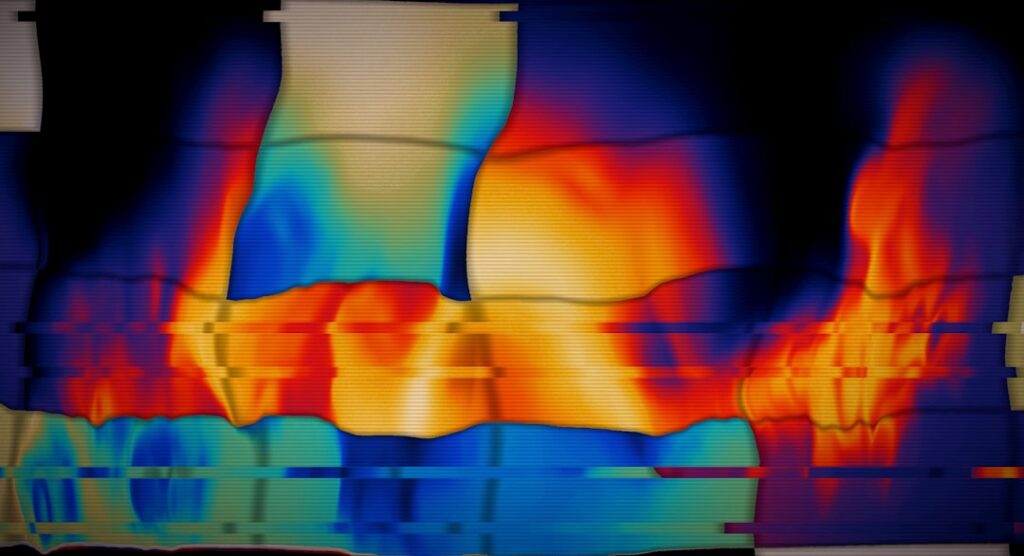
Thermal imaging adds an infrared layer to a home inspection, revealing temperature differences that point to hidden moisture, missing insulation, air leaks, and overheating electrical connections, none of which the naked eye can see. In Severance, a fast-growing Weld County plains town built almost entirely of recent subdivisions with finished basements, those hidden conditions matter precisely because the homes look pristine on the surface. This page explains what a thermal imaging inspection severance buyers and owners can expect, where infrared helps most locally, and what it costs. It reflects InterNACHI and manufacturer (FLIR) guidance on infrared use current as of 2026.
Part of our Thermal Imaging for Homes guide — start there for the full picture →
Thermal imaging inspection in Severance: what to know
A thermal imaging inspection uses an infrared camera to map surface temperatures across walls, ceilings, floors, and electrical components. The camera does not see through walls; it detects temperature patterns on surfaces that reveal what lies behind them, a cold streak from missing insulation, a cool damp patch from moisture, or a hot spot at an electrical connection. It is a diagnostic enhancement to a standard inspection, not a standalone test.
The advantage infrared brings is reach into the hidden parts of a home that a visual inspection cannot evaluate. A standard inspection assesses what the eye can see; thermal imaging extends that vision to conditions concealed behind finished surfaces, missing insulation in a closed wall, moisture wicking up from a basement slab, a circuit running hot inside a panel. None of these announce themselves visually until they have caused damage or driven up a bill. By surfacing them earlier through their thermal signature, infrared lets a Severance buyer or owner act before a hidden condition becomes an expensive, visible one.
Infrared findings are clues that get verified with other tools. A suspicious cool area on a basement wall is confirmed with a moisture meter before anyone calls it a leak. That pairing, infrared to find, moisture meter to confirm, is how a professional avoids false positives. Our guide to hiring a home inspector explains how thermal imaging fits into the broader inspection, and it is most valuable bundled with a full home inspection in Severance rather than ordered alone.
The reason bundling matters is that thermal findings make the most sense in the context of the whole home. A cold signature on an exterior wall means one thing if the inspector has already noted thin attic insulation overhead and another if the wall is simply shaded. By scanning during a full inspection, the inspector cross-references each thermal clue against the home’s construction, age, and visible condition, producing conclusions a standalone camera pass cannot. For a Severance buyer, that integration is what turns infrared images into a usable list of issues rather than a set of unexplained color patterns.
In a new town like Severance, thermal imaging is often dismissed as unnecessary because the homes are new. That gets it backward: infrared is excellent at catching the workmanship gaps, missed insulation, air-sealing failures, that creep into rapidly built subdivision homes, problems that are invisible until a winter energy bill or a moisture stain reveals them too late.
Insulation defects are a good example of why new construction is not a free pass. During a fast subdivision build, batt insulation can be installed unevenly, compressed behind wiring and plumbing, or left out of a hard-to-reach bay entirely, and once the drywall goes up no one sees the gap. The home looks finished and feels fine in summer, then runs cold and expensive through the first plains winter. Infrared catches exactly this kind of hidden gap during the inspection, while the buyer still has leverage to ask the builder to correct it, rather than years later after the heating bills make the problem obvious.
Why Severance homes benefit from thermal imaging
The local case is built on Severance’s specific housing and climate. First, the town’s homes went up quickly during a building boom, and boom-era construction is where insulation gaps and air-sealing defects hide. Infrared scanning during a cold plains morning shows missing or compressed insulation as cold patches on interior walls and ceilings, defects a buyer would otherwise discover only through high heating bills.
Second, finished basements are nearly universal here, and they are the prime location for hidden moisture. A slow foundation seep or a condensation problem behind finished drywall shows up on infrared as a cool, damp signature before it blooms into visible mold. Catching that early, in a Tailholt or Hidden Valley basement, is far cheaper than tearing out a wall later. Front Range plains summers also bring evaporative-cooler humidity that can leave moisture signatures worth investigating.
Third, infrared flags overheating electrical connections, loose breakers, or over-loaded circuits that radiate heat, a safety benefit in homes wired quickly during the boom. Air-leak detection rounds out the value: in a cold Colorado winter, infrared reveals drafts around windows, doors, and rim joists that drive up energy costs. The EPA’s guidance on home energy and indoor air quality underscores why finding insulation and moisture defects early matters for both comfort and health.
What a Severance thermal imaging inspection covers
Thermal imaging is woven through the inspection wherever temperature differences reveal hidden conditions.
Moisture and insulation scanning
The inspector scans finished basement walls and ceilings, bathrooms, the kitchen, exterior walls, and ceilings below the attic, looking for cool damp signatures (potential moisture) and cold streaks (missing or compressed insulation). Findings are confirmed with a moisture meter for moisture and noted for insulation follow-up. Best results come when there is a meaningful temperature difference between inside and outside, which Severance’s climate readily provides much of the year.
Electrical and air-leak detection
The inspector images the electrical panel and accessible circuits for hot spots indicating loose or overloaded connections, and scans the building envelope for air leaks around windows, doors, and rim joists. These findings feed both safety recommendations and energy-efficiency notes. For buyers timing this within a transaction, our guide to pre-purchase inspection in Severance covers how such findings support negotiation. InterNACHI’s infrared guidance defines proper technique and its limits.
Thermal imaging inspection cost in Severance
When added to a standard home inspection, thermal imaging in the Severance market typically adds about $100 to $250, depending on home size and whether the inspector includes infrared as standard or as an upgrade. Some Severance inspectors include basic thermal scanning in their base fee; others price it as an add-on.
A standalone thermal imaging session, less common, generally runs $200 to $400, but the technique delivers the most value as part of a full inspection where findings can be cross-checked against the home’s overall condition. Larger homes with more wall and ceiling area cost more to scan.
Set the modest add-on cost against what infrared catches. A $150 thermal scan that reveals a hidden basement-moisture signature before it becomes a mold remediation, or missing attic insulation driving up every winter bill, pays for itself quickly. In rapidly built Severance subdivisions, infrared is one of the most cost-effective ways to verify that a pristine-looking new home is actually sound behind its finished surfaces.
Colorado regulations and disclosure
Colorado does not license home inspectors or thermal imaging operators, so the relevant credentials are InterNACHI or ASHI membership plus infrared-specific training, since interpreting thermal images correctly requires skill beyond owning a camera. Ask about both when hiring.
Thermal imaging findings can feed the Colorado Seller’s Property Disclosure conversation indirectly: a documented moisture signature confirmed by a moisture meter becomes a known condition a buyer can raise. Because infrared is a diagnostic aid rather than a regulated test, there is no formal reporting standard, which makes the inspector’s training and the verification step (confirming infrared clues with other instruments) the real quality controls. For a near-new Severance home, infrared findings can also support builder-warranty claims when defects are documented in time.
Neighborhoods and areas served
Thermal imaging is useful across all of Severance’s housing, but it pays off most in the finished-basement subdivisions, Hidden Valley, Tailholt, Belmont Ridge, and Overlook, where hidden moisture and boom-era insulation gaps are most common. Acreage homes on the agricultural fringe and the small historic core also benefit, the older core in particular for insulation and air-sealing assessment.
Service typically extends to adjacent plains communities with similar new construction, including Windsor, Eaton, Greeley, and Timnath. Buyers in neighboring Windsor can read our companion guide to thermal imaging inspection in Windsor, while Severance buyers should pair this with a standard home inspection in Severance for the fullest picture. The value proposition is the same across the area: infrared verifies what a new home’s finished surfaces conceal.
What thermal imaging cannot do
Setting realistic expectations is part of using infrared well, because the technology has firm limits a Severance buyer should understand. The most important is that an infrared camera does not see moisture, mold, or wiring directly, it sees surface temperature. A cool patch on a basement wall might be a damp area, but it could also be a cold-air draft, a plumbing line behind the drywall, or simply a thermal bridge where a stud meets the surface. This is why every meaningful thermal finding is verified with a second instrument, a moisture meter for suspected dampness, before it is reported as a real condition.
Conditions also have to cooperate. Infrared works by detecting temperature differences, so a scan run when the inside and outside of a home are nearly the same temperature reveals little. In Severance this is rarely a problem during the heating or cooling seasons, but a mild spring or fall day with the HVAC idle can mute the contrast and hide defects that would show clearly on a cold January morning. A skilled inspector accounts for this, noting when conditions limit what the scan could detect rather than implying a clean image guarantees a flawless home.
Finally, infrared does not predict the future or grade workmanship on its own. It can show that insulation is missing in a section of wall, but it cannot tell you the brand or R-value behind it, and it cannot foresee a leak that has not yet started. Treating thermal imaging as one diagnostic tool among several, powerful for finding hidden anomalies, useless as a standalone verdict, is what separates an inspector who uses it responsibly from one who waves a camera around to impress a client. For a Severance buyer, that honest framing is the sign of a provider worth trusting.
How to choose a Severance thermal imaging provider
Choose an inspector with documented infrared training, not just a camera, since correct interpretation separates a real diagnostic from a stream of meaningless colorful images. A good provider explains that infrared findings are confirmed with a moisture meter and other tools rather than reported as conclusions on their own.
Ask whether thermal imaging is included in the base inspection or priced as an add-on, and whether the inspector scans the basement, envelope, and electrical panel rather than a token sweep. Timing matters too, infrared works best with a temperature difference across surfaces, so a cold-morning or post-cooling scan yields the clearest results. Bundling with a full inspection, as covered in our hiring guide, gives the best value.
The hallmark of a strong Severance thermal provider is disciplined interpretation: someone who uses infrared to find anomalies, verifies them with instruments, and explains what each finding means for a specific home. That rigor turns a flashy camera into genuine protection for a buyer in a town full of pristine-looking new construction.
References
- Infrared inspection standards and training — International Association of Certified Home Inspectors
- Home inspection standard of practice — American Society of Home Inspectors
- ENERGY STAR: Seal and Insulate — U.S. Environmental Protection Agency (ENERGY STAR)
Frequently asked questions
What does thermal imaging detect in a Severance home?
Infrared detects surface-temperature patterns that reveal hidden moisture behind finished basement walls, missing or compressed insulation, air leaks around windows and rim joists, and overheating electrical connections. It finds defects the naked eye cannot see in pristine-looking new homes.
Can a thermal camera see through walls?
No. It maps surface temperatures, not what is physically behind a wall. A cold or damp surface pattern points to a likely condition, which the inspector then confirms with a moisture meter or other tools before drawing a conclusion.
How much does thermal imaging add to a Severance inspection?
When bundled with a home inspection, infrared typically adds $100 to $250 depending on size and whether the inspector includes it as standard. A standalone session runs $200 to $400, but it delivers the most value as part of a full inspection.
Is thermal imaging worth it on a new Severance home?
Yes. Rapidly built subdivision homes can hide insulation gaps, air-sealing failures, and early moisture, all of which infrared catches before they show up as high energy bills or visible mold. New construction is exactly where these workmanship defects hide.
Do I need a trained operator for thermal imaging?
Yes. Interpreting infrared images correctly requires training beyond owning a camera. Look for an InterNACHI- or ASHI-affiliated inspector with infrared-specific training who verifies thermal findings with a moisture meter and other instruments.
Buying or improving a Severance home? A trained thermal imaging inspection reveals what new finished surfaces hide, from moisture to missing insulation. To connect with a vetted local inspector who uses infrared properly, reach out through our contact page.
Thermal imaging cameras
Infrared cameras reveal hidden moisture, missing insulation, and air leaks. Phone-attachment models are the budget entry point; standalone units have higher resolution.
| Product | Why | Buy |
|---|---|---|
 FLIR ONE Pro (phone) FLIR ONE Pro (phone) | Plugs into iPhone/Android; inspector favorite. | Amazon — $349.00 |
 Topdon TC001 Topdon TC001 | High-res phone module at a low price. | Amazon — $199.99 |
 FLIR C5 Compact FLIR C5 Compact | Standalone pocket camera with Wi-Fi. | Amazon — $611.50 |