Thermal Imaging Inspection Broomfield, CO | InspectandTest
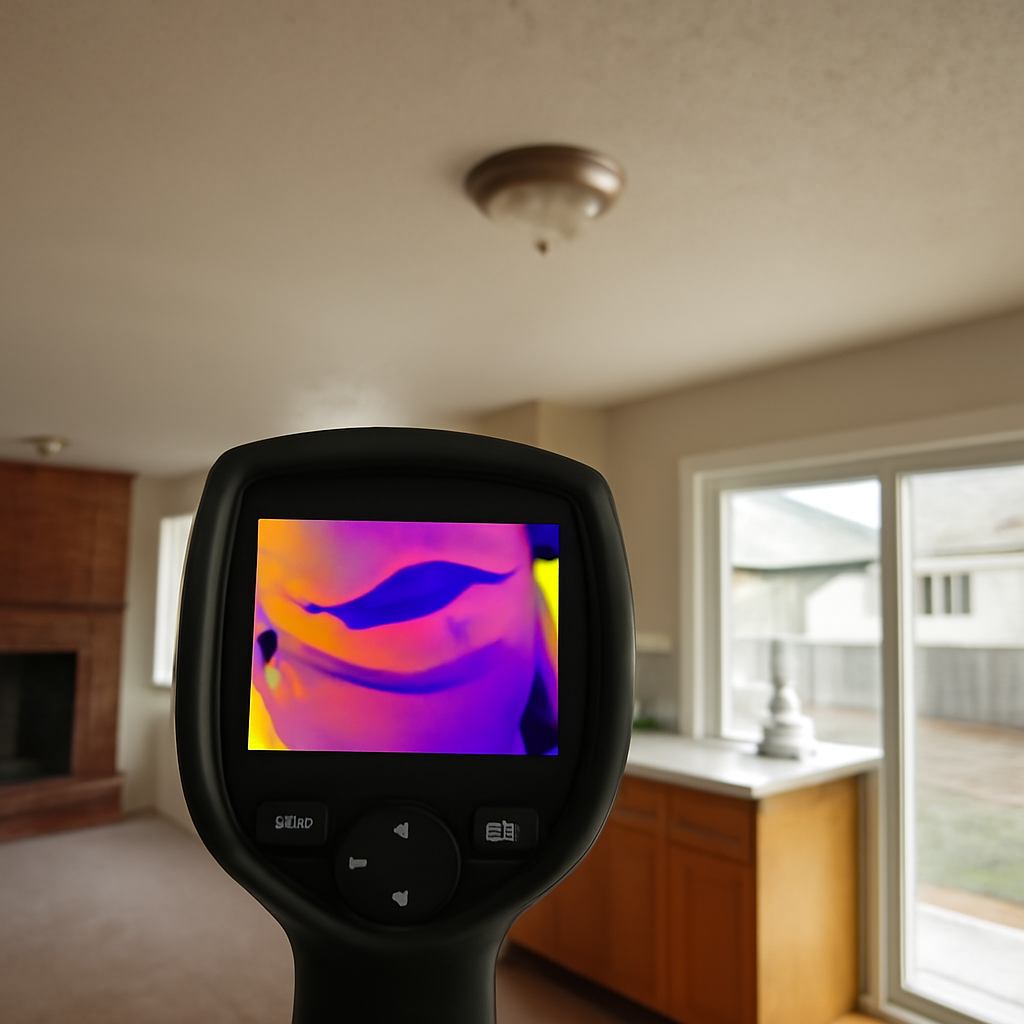
A thermal imaging inspection broomfield homeowners add to a standard inspection uses an infrared camera to reveal temperature differences across surfaces, exposing hidden moisture, missing insulation, and energy loss that the naked eye misses. Broomfield, its own City and County of Broomfield along the US-36 Denver-Boulder turnpike, is built largely of tight 1990s-to-2010s homes where envelope performance and finished-basement moisture are recurring concerns, exactly the issues infrared is built to find. This page explains what thermal imaging can and cannot show, why Broomfield’s tight construction and Front Range climate make it useful, and what it costs. Infrared is a powerful diagnostic tool, but it shows symptoms, not causes, and a skilled operator’s interpretation is what turns an image into an actionable finding.
Part of our Thermal Imaging for Homes guide — start there for the full picture →
Thermal imaging inspection in Broomfield: what to know
Thermal imaging, or infrared thermography, detects surface temperature variation. A wet wall, a gap in insulation, or an overheating electrical connection registers as a hot or cold anomaly the camera renders as color. The camera does not see through walls; it reads the surface, and the operator infers what lies behind based on the pattern, the building, and supporting tools like a moisture meter.
Used well, infrared narrows where a problem is so the inspector can investigate further. It flags the wet drywall, then a moisture meter confirms it; it shows the missing insulation, then the inspector recommends a fix. For how thermal imaging fits among the broader tools and credentials of a quality inspection, our guide to hiring a home inspector covers what to expect from an inspector who offers it.
The interpretation is everything. A cold spot can be a draft, missing insulation, or genuine moisture, and only context distinguishes them. A skilled operator confirms suspected moisture with a meter rather than declaring a leak from a colorful image alone, which is why training matters more than the camera’s resolution.
Why Broomfield homes benefit from thermal imaging
Tight construction is what makes infrared valuable here. Broomfield’s dominant 1990s-to-2010s homes were built to tighter energy codes, so when insulation is missing, compressed, or installed poorly, the energy penalty shows clearly against the tight envelope, and infrared maps it room by room. For a buyer evaluating a home’s real energy performance, a thermal scan reveals gaps a visual walk-through cannot.
Moisture is the second driver. Broomfield’s finished basements are common and prone to slow water intrusion from spring snowmelt and freeze-thaw against foundations. Infrared excels at finding the cool, damp signature of moisture behind finished walls before it becomes visible staining or mold, which makes it especially useful in Anthem, McKay Landing, and Broadlands homes with extensive lower-level living space.
The Front Range climate also makes the scan more productive. Infrared works best when there is a temperature difference between inside and outside, which Colorado’s cold winters and hot summers reliably provide. A winter scan of a Broomfield home shows heat escaping through envelope gaps in sharp relief, while moisture anomalies stand out against the surrounding dry surfaces. Swamp-cooler homes, which add humidity in summer, are candidates for infrared to spot where that moisture may be collecting.
What a Broomfield thermal imaging inspection covers
A thermal scan supplements a visual inspection, focusing the camera where hidden problems are most likely.
Moisture and water intrusion
The operator scans ceilings under roof planes, walls below windows, finished-basement walls, and areas around plumbing for the temperature signature of moisture. Suspected wet areas are confirmed with a moisture meter, so the finding is verified rather than guessed. In Broomfield, the finished basement is a primary focus given local water-intrusion risk; a confirmed moisture finding often leads to a recommended mold inspection in Broomfield.
Insulation, air leaks, and electrical
The camera maps missing or compressed insulation and the cold tracks of air leakage around windows, doors, and rim joists, the energy losses that matter in a tight home. Scanning the electrical panel and major connections can reveal overheating from loose or overloaded circuits, a genuine safety find. Pairing infrared with radon testing is common for a full picture; our page on radon testing in Broomfield covers that Zone 1 priority.
What thermal imaging cannot do
Infrared is powerful, but its limits are as important as its strengths, and a credible provider is candid about them. The camera measures surface temperature only; it does not detect moisture directly, identify mold, or see inside a wall. A cool patch that looks like a leak on the screen could be a draft, a plumbing chase, or simply a shaded exterior wall, which is why a moisture meter confirmation is essential before any anomaly is called water.
Conditions can defeat a scan entirely. Without a meaningful temperature difference between inside and outside, surfaces read uniformly and real problems hide in the noise. A Broomfield scan booked on a mild 60-degree spring day, with the heat off and the air conditioning not yet running, may show almost nothing even in a home with genuine insulation gaps, simply because there is no thermal gradient to reveal them. Recent sun on an exterior wall, a fan running, or furniture against a wall can all mask or mimic anomalies.
Infrared also does not quantify how bad a problem is. It shows that an area is colder or warmer than its surroundings, not how much insulation is missing or how much water is present. Translating an image into a repair recommendation takes a trained operator who combines the thermal data with a visual inspection, moisture readings, and knowledge of how the home is built. The camera narrows the search; the inspector draws the conclusion.
Treated as one diagnostic tool among several, infrared earns its place on a Broomfield inspection. Treated as a magic window that sees through walls, it sets a buyer up for both false alarms and missed problems, which is why the operator’s interpretation matters more than the equipment’s specifications.
Thermal imaging inspection cost in Broomfield
Thermal imaging is usually an add-on to a home inspection rather than a standalone service. In the Broomfield market, adding an infrared scan to an inspection typically runs about $100 to $250 depending on home size and scan scope. A standalone thermal scan, for example to investigate a suspected leak, generally falls in the $200 to $400 range.
The cost reflects both the equipment and the operator’s training, since a quality scan depends on someone who can interpret the images and confirm findings with supporting tools. A larger Broomfield home with an extensive finished basement takes longer to scan thoroughly and falls at the higher end.
Weigh the cost against what it can catch. A $150 infrared add-on that finds moisture behind a finished basement wall, before it becomes a mold remediation, or missing insulation driving high heating bills, returns its cost quickly. Infrared’s value is in catching hidden problems early, while they are cheap to fix.
For energy-minded Broomfield owners, the scan can also guide spending. Rather than re-insulating an entire home on a hunch, an owner can use the thermal map to target the specific gaps, an under-insulated rim joist, a cold band along a wall where the insulation settled, the leaky window framing, and spend on the fixes that will actually lower the heating bill. In a tight home built to save energy, closing the few real gaps often delivers more comfort per dollar than a broad, untargeted upgrade.
Colorado regulations and disclosure
Colorado does not license home inspectors or thermographers, so for thermal imaging the operator’s training matters even more than usual. Look for an inspector with infrared certification or documented thermography training, because an untrained operator can misread a draft as a leak or miss a real anomaly entirely.
Thermal findings feed into the same disclosure framework as any inspection. Colorado’s Seller’s Property Disclosure asks sellers to report known moisture and defects, and a documented infrared finding of hidden moisture can support a buyer’s negotiation during the contingency. Because infrared shows symptoms rather than causes, a credible report pairs each anomaly with confirmation and a plain-language explanation rather than alarming color images alone.
Neighborhoods and areas served
Thermal imaging requests come from across Broomfield: energy-conscious buyers in Anthem and McKay Landing checking envelope performance, owners of finished-basement homes in The Broadlands investigating moisture, and renovation projects throughout Broomfield Heights and Interlocken. The shared tight 1990s-to-2010s construction means infrared adds value consistently across the city.
Service typically extends to the adjacent communities Broomfield sits between, including Westminster, Superior, Louisville, and Northglenn. A homeowner comparing markets can reference a nearby live city; our page on thermal imaging inspection in Westminster covers a neighboring community with similar Front Range housing. The tight envelope and finished basements that make infrared useful are consistent across the area.
How to choose a Broomfield thermal imaging provider
Ask whether the operator holds infrared or thermography certification and whether they confirm thermal anomalies with a moisture meter before calling them moisture. A good provider explains that the camera reads surface temperature, not what is behind the wall, and interprets each finding in context rather than presenting raw color images as conclusions.
Confirm the scan happens under conditions that produce a useful temperature differential, which on the Front Range usually means a cold winter day or a hot summer afternoon. A provider who schedules a scan during mild shoulder-season weather with little inside-outside contrast may produce images that show very little, so timing is part of getting value from the service.
Ask, too, how the provider reports thermal findings. A useful infrared report pairs each flagged area with a plain-language explanation, a moisture-meter reading where relevant, and a recommendation, rather than dropping a folder of colorful images on the buyer to interpret alone. A skilled operator distinguishes a harmless cold spot from a finding worth chasing, which keeps a Broomfield buyer from either panicking over a draft or ignoring a genuine hidden leak.
Infrared also helps with two problems specific to Broomfield’s housing that a visual inspection handles poorly. The first is verifying that a finished basement, the defining feature of so many local homes, is dry behind its drywall, since the finishes hide exactly the moisture an owner most wants to rule out. The second is checking the performance of a home’s insulation in a way that matters for a tight, energy-efficient envelope, where a hidden gap quietly raises heating bills all winter. For both, a scan reaches conclusions a flashlight and a visual walk cannot.
For a buyer, the practical path is to add infrared to a standard inspection, especially when evaluating a finished-basement home or a property’s energy performance. For an owner investigating a specific suspected leak or cold room, a targeted standalone scan, with findings confirmed by a moisture meter, is the efficient way to locate the source before opening a wall.
References
- Infrared thermography for home inspection — International Association of Certified Home Inspectors
- ENERGY STAR: Seal and Insulate — U.S. Environmental Protection Agency (ENERGY STAR)
- Moisture control and mold prevention — U.S. Environmental Protection Agency
Frequently asked questions
What can thermal imaging find in a Broomfield home?
Hidden moisture behind finished walls, missing or compressed insulation, air leaks, and overheating electrical connections. The infrared camera reads surface temperature differences, and the operator interprets the patterns, confirming moisture with a meter.
Does the camera see through walls?
No. Thermal imaging reads surface temperature only. The operator infers what is behind a wall from the temperature pattern and confirms suspected moisture with a moisture meter rather than declaring a leak from the image alone.
How much does thermal imaging cost in Broomfield?
As an add-on to a home inspection it typically runs $100 to $250 depending on size. A standalone scan to investigate a specific issue generally falls in the $200 to $400 range.
Why is infrared useful in Broomfield's tight homes?
Tight 1990s-to-2010s construction shows insulation gaps and air leaks clearly against the energy-efficient envelope, and infrared finds the cool, damp signature of finished-basement moisture before it becomes visible staining.
When is the best time for a thermal scan?
When there is a clear temperature difference between inside and outside, which on the Front Range means a cold winter day or a hot summer afternoon. Mild shoulder-season weather produces less useful images.
An infrared scan added to a Broomfield inspection finds the hidden moisture and energy loss that tight, finished-basement homes are prone to. To connect with a vetted local inspector who is infrared-trained and confirms findings with a moisture meter, reach out through our contact page.
Thermal imaging cameras
Infrared cameras reveal hidden moisture, missing insulation, and air leaks. Phone-attachment models are the budget entry point; standalone units have higher resolution.
| Product | Why | Buy |
|---|---|---|
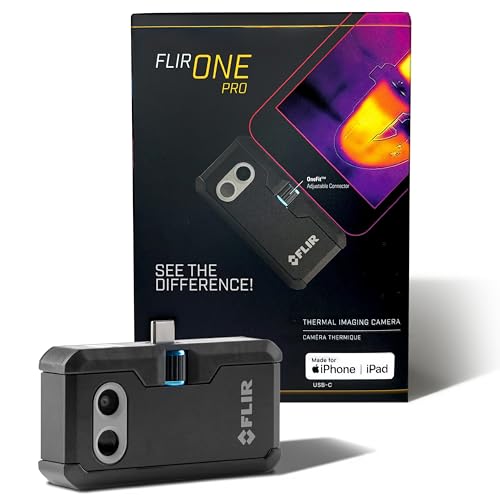 FLIR ONE Pro (phone) | Plugs into iPhone/Android; inspector favorite. | Amazon — $296.65 |
 Topdon TC001 | High-res phone module at a low price. | Amazon — $249.00 |
 FLIR C5 Compact | Standalone pocket camera with Wi-Fi. | Amazon — $593.99 |