Pre-Purchase Inspection in Broomfield County, CO
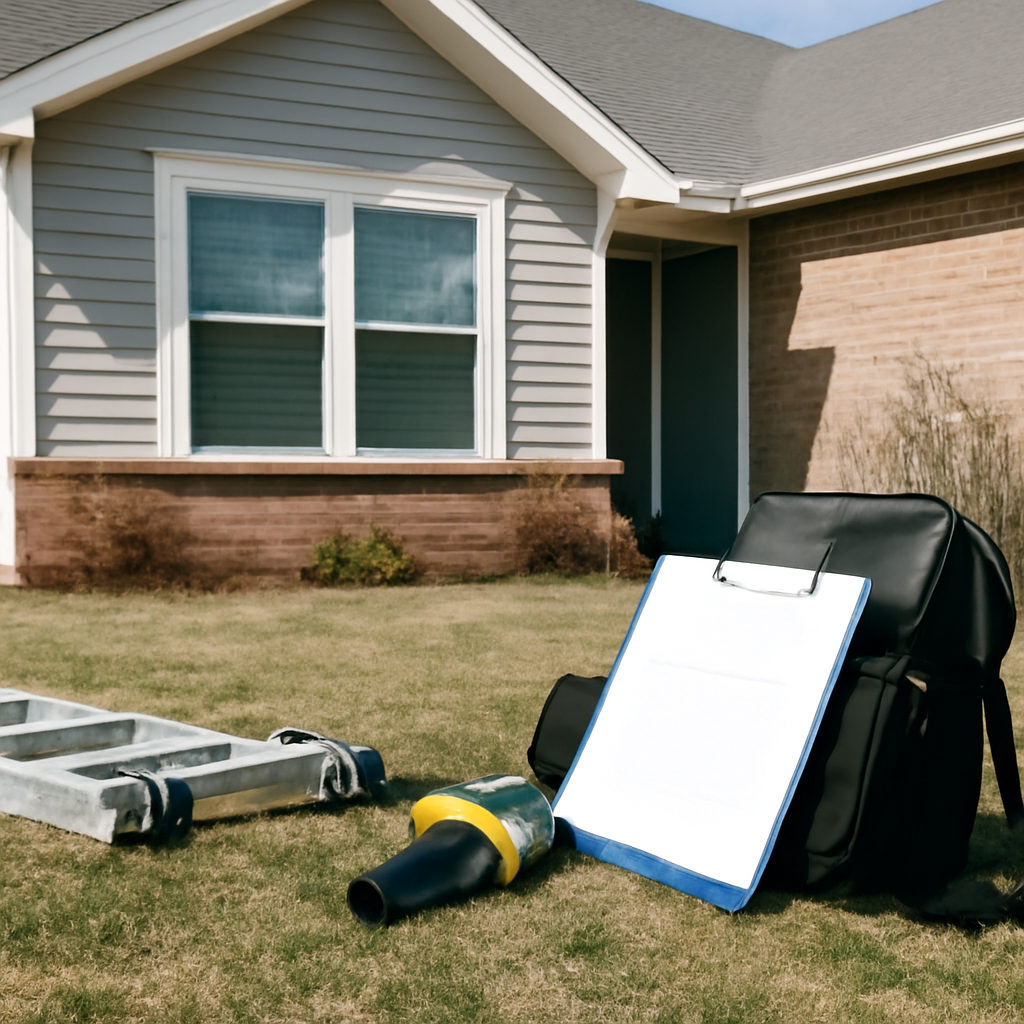
A pre-purchase inspection broomfield county buyers order is the due-diligence step that turns a signed contract into an informed decision, and it matters even in a community where the homes are newer and well-kept. Broomfield is the consolidated City and County of Broomfield, Colorado’s smallest county by area, a planned tech-corridor community along the US-36 turnpike, with housing that is predominantly 1990s-to-2010s. A pre-purchase inspection is timed to the contract’s inspection-objection deadline so its findings can shape the negotiation. This page is a county-level hub: it covers how the inspection fits the buying timeline, what it checks here, local costs, regulations, and links to our city pages. The inspection is visual and non-invasive; specialized testing for radon, mold, asbestos, or lead is separate.
Part of our Home Inspections Explained guide — start there for the full picture →
Pre-purchase inspection in Broomfield County: what to know
A pre-purchase inspection is a home inspection performed during the contract period, before closing, specifically so the buyer can act on the findings — negotiate repairs, ask for a credit, or withdraw — within the contract’s deadlines. In Broomfield, where buyers competing for newer homes sometimes feel pressure to waive contingencies, this independent look is the safeguard that keeps a fast-moving purchase from hiding an expensive problem.
The timing is what makes it “pre-purchase.” Colorado contracts include an inspection-objection and resolution deadline, and the inspection must be completed early enough to leave time to review the report and respond. A Broomfield buyer under contract on an Anthem or McKay Landing home schedules the inspection within days of going under contract, not at leisure, especially in a competitive market.
For how the inspection contingency works and how to vet an inspector, our guide to hiring a home inspector covers the process for Front Range buyers. This page focuses on the county. For city-level detail, see our pre-purchase inspection in Broomfield page.
Why Broomfield County buyers need a pre-purchase inspection
Newer homes still hide aging systems. Broomfield’s 1990s-to-2010s housing is past its builder warranties, and the older subdivisions have reached the age where roofs, furnaces, and water heaters fail. A pre-purchase inspection reveals which builder-grade systems are near the end of their life while the buyer still has the contractual leverage to negotiate a credit or repair, rather than absorbing the cost after closing.
Finished basements and radon carry real stakes. Almost every Broomfield home has a finished, lived-in basement, so basement moisture and Zone 1 radon are central concerns. A pre-purchase inspection paired with a radon test gives the buyer the below-grade picture during the contingency period, when an elevated radon result can be addressed through a seller-funded mitigation system or a price adjustment rather than a post-closing surprise.
Competitive pressure makes the inspection more, not less, important. In a desirable community like Broomfield, buyers sometimes feel pushed to waive the inspection to win a bid. That waiver removes the one independent check on a major purchase, and a pre-purchase inspection — even a streamlined one — preserves the buyer’s ability to make an informed decision and walk away from a genuinely problematic home.
What a Broomfield County pre-purchase inspection covers
The inspection follows a full standards-of-practice checklist, with attention to the conditions that matter most locally.
The whole-house systems review
Structure, roof, foundation, electrical, plumbing, heating and cooling, and the finished basement are all evaluated, with findings written into a report keyed to the contract timeline. In a Broomfield home, the inspector flags the remaining service life of builder-grade systems so the buyer can budget or negotiate for an aging roof or furnace.
Prioritizing for the negotiation
A good pre-purchase report separates safety and major-system issues from cosmetic ones, so the buyer knows what is worth raising in an objection. A failing roof, foundation movement, or an elevated radon level on a Broomfield home is a negotiation item; a worn fixture is not. That prioritization is what makes the report actionable before a deadline.
Pre-purchase inspection cost in Broomfield County
A pre-purchase inspection in the Broomfield market typically runs about $350 to $550 for a single-family home, the same range as a standard home inspection, scaling with size, age, and the number of structures. Larger Anthem and Interlocken-area homes sit toward the higher end. Add-ons like radon testing, a sewer scope, or a mold assessment carry separate fees and are often bundled to save a trip charge.
Set against the price of the home and the leverage the inspection provides during the objection period, the fee is modest. A single negotiated repair credit or a seller-funded radon system on a Broomfield purchase frequently exceeds the cost of the inspection, and the peace of mind of an informed decision is the larger return.
Broomfield County regulations and disclosure
Colorado does not license home inspectors, so a buyer should choose a nationally certified, insured inspector who follows a published standards of practice. The Colorado real-estate contract’s inspection-objection and resolution deadlines define the window in which the pre-purchase inspection must be completed and acted upon, which is why scheduling promptly after going under contract is essential.
Colorado’s Seller’s Property Disclosure requires sellers to report known defects, but it reflects only what the seller knows. Because Broomfield is a consolidated city-county, permitting and build records run through one authority and are often easy to verify, but the buyer’s independent pre-purchase inspection remains the safeguard that does not depend on the seller’s knowledge or the records alone.
Communities and areas served across Broomfield County
Because Broomfield is essentially one city, pre-purchase priorities are consistent across its neighborhoods. Anthem, McKay Landing, The Broadlands, Broomfield Heights, and the Interlocken area each carry the finished-basement, builder-grade profile where radon, basement moisture, and aging systems lead the findings; our pre-purchase inspection in Broomfield page has the detail.
Broomfield’s land came from Adams, Boulder, Jefferson, and Weld counties, so its neighbors include Westminster, Superior, Louisville, Northglenn, and Lafayette, and coverage extends to those adjacent communities. Across the area, the Zone 1 radon status makes radon testing a common pre-purchase add-on; see our radon testing in Broomfield County hub, and our home inspection in Broomfield County page for the broader inspection picture.
Confused by your home inspection report? Decode it free in plain English
Upload your inspector's PDF and get a plain-English summary, what actually matters, rough repair costs, and negotiation talking points. Educational only — not a professional re-inspection. Your file is analyzed and discarded, never stored.
Educational summary only. AI can be wrong and cost figures are rough estimates. This is not a professional re-inspection, appraisal, or legal/financial advice — confirm major items with your inspector or a licensed contractor.
Meeting the contract deadline in Broomfield County
The defining feature of a pre-purchase inspection is the clock, and managing it well is half the value. Once a Broomfield buyer goes under contract, the inspection-objection deadline starts running, often within a week or two and sometimes shorter in a competitive deal. Scheduling the inspection in the first few days leaves room to receive the report, get repair estimates if a major issue appears, and submit a written objection or request before the window closes.
Add-ons can extend the timeline. If a Broomfield inspection prompts a radon test that needs a 48-hour closed-house window, a sewer scope, or a follow-up by a structural engineer for foundation movement, those steps take additional days. Building that possibility into the schedule from the start keeps a buyer from being forced to choose between an uninformed decision and a blown deadline, particularly when the radon result may drive a mitigation negotiation.
The practical approach is to treat the pre-purchase inspection as the first step in a possible chain, not a single event. A buyer who books the inspection early, lines up the likely add-ons — especially radon in this Zone 1 county — in advance, and stays in close contact with their agent can act on whatever the report finds while the contractual leverage of the objection period is still in hand.
How to choose a Broomfield County pre-purchase inspection provider
Choose a certified, insured inspector who can schedule within your contract window and deliver the report quickly enough to leave time to respond. Ask whether they evaluate finished basements, foundation movement, and the remaining service life of builder-grade systems, and which add-ons — radon, sewer scope, mold — they can perform in the same visit to protect the timeline.
An inspector who prioritizes findings clearly, distinguishing major and safety issues from cosmetic ones, gives a Broomfield buyer exactly what the objection period requires. The combination of certification, familiarity with newer planned-community homes, and deadline-aware scheduling is what makes a pre-purchase inspection worth far more than its fee.
Negotiating around aging systems in a Broomfield purchase
The objection phase on a Broomfield home often centers on a problem unique to newer planned communities: builder-grade systems aging out together. A pre-purchase inspection of a 1990s Anthem or McKay Landing home commonly finds the original roof, furnace, air conditioner, and water heater all approaching the end of their service lives at once. Individually each is a manageable expense; clustered, they represent a meaningful sum that a buyer is right to factor into the price, and a documented report on each system’s remaining life gives the buyer’s agent concrete grounds to request a credit or reduction.
Framing matters in these negotiations. A system at the end of its expected life is not a defect in the way a leaking roof is, so a buyer who understands the distinction negotiates from a credible position — asking the seller to share the cost of foreseeable replacements rather than treating normal age as a failure. An inspector who clearly separates true defects from end-of-life wear in the report equips the buyer to make exactly that argument, which sellers and their agents tend to receive more constructively than a vague demand to fix everything.
The radon result frequently becomes its own negotiation item. Because Broomfield is Zone 1 and a radon test commonly accompanies the inspection, an elevated result gives the buyer a clean, specific ask: a seller-funded mitigation system installed before closing, or a credit to cover one. This is among the easiest items to resolve, since a mitigation system is a defined, modestly priced fix, and it is one of the clearest examples of how a pre-purchase inspection turns into tangible value during the objection period.
Sequencing the radon test within the Broomfield contract window
In a Zone 1 county where the radon result can drive a negotiation, fitting the radon test cleanly into the contract timeline is worth deliberate planning. A short-term radon test needs a closed-house window of at least 48 hours, which competes with showings, appraisal visits, and the buyer’s own walk-throughs during the same compressed period. Scheduling the radon device at the time of the main inspection, early in the contract, ensures the result is in hand with time to spare before the inspection-objection deadline.
Because Broomfield deals can move fast in a competitive market, the buyer who anticipates this sequencing avoids a common trap: completing the general inspection on time but running out of days to act on a radon result that arrives late. Booking the inspection and radon test together, and lining up any further specialist follow-up the inspection might prompt, keeps the entire due-diligence chain inside the contract window so the buyer can negotiate from complete information rather than a partial picture as the deadline approaches.
A sewer scope deserves a place in that same early window for many Broomfield homes. Even in a newer planned community, the sewer line that runs from the house to the main can develop offsets, root intrusion at joints, or bellies where waste collects, and none of this is visible during a general inspection. Because a line replacement is a major, disruptive expense, scoping the sewer during the contract period lets a buyer raise any defect as an objection item alongside the inspection and radon findings, completing the picture of the home’s hidden systems before the leverage of the objection period runs out.
References
- Residential standards of practice — International Association of Certified Home Inspectors
- Find an inspector and standards of practice — American Society of Home Inspectors
- Colorado radon program (Zone 1 testing) — Colorado Department of Public Health and Environment
Frequently asked questions
What makes an inspection 'pre-purchase' in Broomfield County?
It is a home inspection completed during the contract period, timed to the inspection-objection deadline, so the buyer can negotiate repairs, request a credit, or withdraw based on the findings before closing.
Why does it matter for Broomfield's newer homes?
Newer homes still hide aging builder-grade systems, finished-basement moisture, and Zone 1 radon. A pre-purchase inspection surfaces these while the buyer still has contractual leverage to negotiate.
How much does a pre-purchase inspection cost in Broomfield County?
Typically $350 to $550 for a single-family home, scaling with size and age. Larger homes cost more, and add-ons like radon or a sewer scope carry separate fees.
How fast do I need to schedule it?
Quickly. Colorado contracts set an inspection-objection deadline, often within a week or two, and sometimes shorter in a competitive Broomfield deal, so book in the first few days to leave time for the report and add-ons.
Under contract on a Broomfield home, the inspection-objection deadline is already running. To connect with a vetted local inspector who can fit your timeline and protect your leverage, get in touch through our contact page.