Thermal Imaging Inspection in Windsor, Colorado
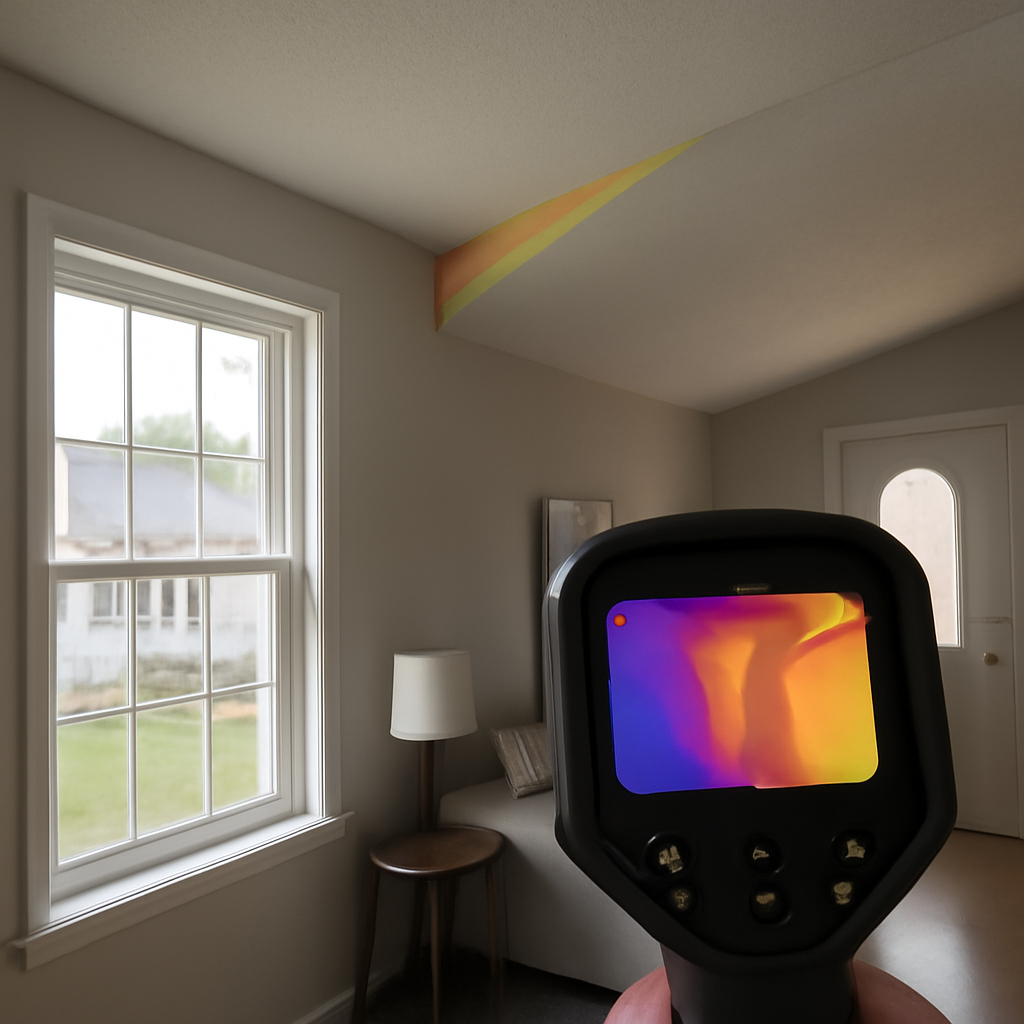
A thermal imaging inspection uses an infrared camera to reveal temperature differences across walls, ceilings, and floors, turning invisible problems into a visible heat map. In Windsor, a fast-growing town across Weld and Larimer counties where winters are cold and much of the housing is recently built subdivision construction near the Cache la Poudre River and reservoirs, infrared is one of the most useful add-ons a buyer or homeowner can request. This page explains how a thermal imaging inspection windsor properties benefit from works, what it finds, and what it costs. Colorado does not license home inspectors, so credentials matter. Information here reflects industry standards current as of 2026.
Part of our Thermal Imaging for Homes guide — start there for the full picture →
Thermal imaging inspection in Windsor: what to know
Thermal imaging is a non-invasive technique that detects surface temperature variations. It does not see through walls; it reads heat signatures that indicate what is happening behind them, missing insulation, air leaks, moisture intrusion, and overheating electrical components. A trained inspector interprets those patterns alongside moisture-meter readings to confirm what the camera suggests.
It supplements rather than replaces a standard inspection. Paired with a visual evaluation, it surfaces problems the eye alone misses. Because Colorado does not license inspectors, look for ASHI or InterNACHI certification plus infrared training. Our home inspector hiring guide covers how to weigh these credentials, and our thermal imaging guide for Weld County adds the regional context.
The physics is straightforward. Every surface emits infrared energy in proportion to its temperature, and the camera converts that energy into a color image where cooler and warmer areas stand out. A wet patch evaporates and reads cooler than the dry drywall around it; an uninsulated stud bay reads colder on a winter wall than the insulated bays beside it; a loose electrical connection reads hotter than its neighbors. None of these is visible to the naked eye, which makes infrared valuable on a Windsor home where so many problems hide behind finished basement walls and ceilings.
Infrared serves a range of needs beyond a home purchase. Homeowners use it to diagnose a cold room the furnace cannot keep warm, to find where attic heat loss and ice dams originate, and to trace the source of a recurring water stain. In Windsor’s fast-built subdivisions, a scan can also reveal where insulation was installed unevenly or where air-sealing was rushed during boom-era construction. For a Windsor household facing a long Front Range heating season, that versatility means a single scan can answer comfort, efficiency, and safety questions at once.
Why Windsor homes benefit from thermal imaging
The cold climate is the first driver. Long Front Range heating seasons make energy loss expensive, and infrared pinpoints exactly where heated air escapes, around rim joists, recessed lights, attic hatches, and any under-insulated walls. On a cold Windsor morning, the indoor-outdoor temperature contrast makes those gaps obvious on camera, and in rapidly built subdivisions, infrared can expose where insulation coverage fell short of plan.
Moisture is the second driver. Windsor’s many finished basements can hide seepage and plumbing leaks that show up as cool, damp signatures on a wall long before a stain appears, and reservoir-adjacent lots near Windsor Lake and the Cache la Poudre River raise that risk where the water table is higher. Aging Old Town homes with original roofs and water heaters are prone to slow leaks that infrared helps locate behind finished surfaces. The technique also flags overheating breakers and connections in electrical panels.
Windsor’s climate gives infrared an edge many regions lack. Large day-to-night and indoor-to-outdoor temperature swings create the strong thermal contrast the camera needs to work well, so a winter scan shows insulation gaps in sharp relief. The same dry air that leads homeowners to dismiss moisture also means that when a wet signature does appear, it stands out clearly against the surrounding dry materials, making leaks easier to pinpoint than in a uniformly humid climate. For finished-basement subdivision homes near the reservoirs, that clarity is exactly where infrared earns its keep.
What a Windsor thermal imaging inspection covers
The inspector scans interior walls and ceilings, the foundation and basement, the attic plane, around windows and doors, and the electrical panel. They work when there is enough temperature difference between inside and outside, Windsor winters provide an ideal contrast, to make anomalies stand out.
What the camera reveals
Common findings include missing or settled insulation, air-sealing failures, active roof or plumbing leaks behind finished surfaces, moisture in finished basements, and hot spots at electrical connections. Because infrared often catches hidden moisture, it pairs naturally with a mold test in Windsor when damp signatures appear behind walls. Combined with a full home inspection in Windsor, it gives a more complete read on the home’s envelope and systems.
Limits of the technology
Infrared is powerful but not magic. It cannot see through walls, cannot detect radon or gases, and produces false readings if surfaces are in direct sun or if there is too little temperature difference to image. A thermal anomaly is a clue, not a conclusion; a competent inspector confirms a suspected leak with a moisture meter and a suspected insulation gap by checking the attic. Understanding these limits keeps a Windsor buyer from over-relying on a colorful image and reminds you infrared works best as one tool within a full inspection.
Thermal imaging inspection cost in Windsor
Thermal imaging is usually offered as an add-on. When bundled with a standard home inspection in the Windsor market, it typically adds about $100 to $250. As a standalone infrared scan, for an energy audit or a targeted moisture investigation, it runs roughly $200 to $400 depending on home size and scope.
For a buyer, the modest add-on cost can reveal insulation deficiencies that mean years of high heating bills, or moisture that signals a larger hidden problem, well worth the extra fee on a major purchase, especially in a fast-built subdivision where construction quality varies.
For an existing homeowner, the standalone scan often pays for itself. Finding and sealing the air leaks and insulation gaps an infrared survey reveals can cut a Windsor heating bill noticeably over the long winter, and the Department of Energy points to air sealing and insulation as among the most cost-effective efficiency upgrades. Catching a slow plumbing or roof leak early, before it rots framing or grows mold in a finished basement, avoids a repair far larger than the scan.
Cost depends on whether the scan is bundled or standalone and on the home’s size. Adding infrared to a home inspection is the most economical route, while a standalone moisture or energy scan of a large finished-basement home costs more because it takes longer and the analysis is more detailed. Either way, the modest fee buys visibility into problems, hidden moisture, insulation gaps, electrical hot spots, that a standard visual inspection cannot reach, which makes it a sensible add-on on a Windsor home.
When to schedule an infrared scan
Timing shapes the quality of a thermal scan in Windsor. The strongest results come on cold winter mornings, when the gap between the heated interior and the freezing exterior is largest and insulation and air-leak anomalies stand out sharply. A summer scan still finds moisture and electrical hot spots, but energy-loss findings are harder to image when indoor and outdoor temperatures are close. For a homeowner planning an energy upgrade, scheduling the scan during the heating season gives the clearest map of where to add insulation or seal air leaks before the next winter.
For moisture investigations the trigger is different. If a finished basement smells musty, a ceiling shows a faint stain, or a high water table near the reservoir may have driven water against the foundation, an infrared scan locates the wet area quickly regardless of season, because evaporative cooling makes damp materials read cooler than the surroundings. Pairing the scan with a moisture meter confirms the finding. A Windsor homeowner gets the most from infrared by matching the timing to the question, energy in winter, moisture whenever the symptom appears.
Colorado regulations and disclosure
Colorado does not license home inspectors or infrared technicians, so certification through ASHI or InterNACHI plus documented thermography training is your quality signal. Thermal findings feed into the broader inspection report and the buyer’s response to the Seller’s Property Disclosure. Where infrared reveals moisture pointing to mold, or in pre-1978 Old Town homes where it exposes building cavities, the relevant CDPHE and federal hazard rules still govern any follow-up testing or remediation.
A thermal finding can also strengthen a negotiation. If the scan documents a wet basement wall or a swath of missing insulation, that photographic evidence supports a repair request or credit during the inspection contingency, just as any other inspection finding would. Because the image is concrete and time-stamped, it is harder for a seller to dismiss than a verbal concern, which is one practical reason Windsor buyers add infrared to a pre-purchase inspection.
Neighborhoods and areas served
Thermal imaging is valuable across Windsor: fast-built finished-basement subdivisions like Water Valley, RainDance, Highpointe, and Belmont Ridge, the older homes of Old Town Windsor, and reservoir-adjacent lots near Windsor Lake and the Cache la Poudre River. Service typically extends to adjacent Fort Collins, Loveland, Severance, and Greeley, all sharing the cold-winter profile that makes infrared useful.
Older Old Town homes often have minimal or settled original insulation and outdated wiring, so infrared frequently turns up both energy and electrical findings there. Subdivision homes built quickly during Windsor’s boom can reveal uneven insulation coverage and air-sealing gaps at rim joists and around recessed lights. Reservoir-adjacent homes are prime candidates for moisture scans where the water table is higher. Matching expectations to the home’s era and setting helps a buyer understand what the scan is most likely to find.
How to choose a Windsor thermal imaging provider
Confirm ASHI or InterNACHI certification and ask about specific infrared/thermography training, since reading thermal images well takes skill, not just a camera. A good provider scans under proper temperature-differential conditions and verifies findings with a moisture meter rather than guessing. For buyers under contract, adding infrared to a pre-purchase inspection in Windsor catches hidden envelope and moisture issues before the contingency expires.
Ask to see sample thermal images in a report so you can judge whether the provider explains what each anomaly means rather than just including pretty pictures. A skilled thermographer annotates findings, this cool band is a missing insulation run, this warm spot is a loose breaker, and pairs each with a verification step and a recommendation. That interpretation is the service you are paying for; the camera is just the instrument.
Be wary of providers who treat the scan as a gimmick or hand over raw images with no analysis. Cameras have become cheap enough that almost anyone can buy one, but interpreting the images in a cold-winter, finished-basement market takes training and local experience. A provider who can explain why a given anomaly appears in a Windsor home, and what it means for your purchase or your utility bills, delivers the real value. Confirm their thermography credential and ask how they verify findings before you book a scan.
References
- Infrared inspection training and standards — InterNACHI
- ENERGY STAR: Seal and Insulate — U.S. Environmental Protection Agency (ENERGY STAR)
- Inspector standards of practice — American Society of Home Inspectors
Frequently asked questions
Can a thermal camera see through walls?
No. Infrared reads surface temperature differences, not what is behind the wall. Those patterns reveal hidden insulation gaps, air leaks, moisture, and electrical hot spots, which a trained inspector then verifies.
Why is winter ideal for thermal imaging in Windsor?
Infrared needs a temperature difference between indoors and outdoors to work well. Windsor's cold Front Range winters create a strong contrast that makes insulation gaps and air leaks stand out clearly on camera.
How much does a thermal imaging inspection cost in Windsor?
As an add-on to a standard inspection it typically adds $100 to $250. A standalone infrared scan for energy or moisture investigation runs roughly $200 to $400 depending on size and scope.
Is infrared useful on Windsor's fast-built subdivision homes?
Yes. In rapidly built homes, a scan can reveal uneven insulation coverage and rushed air-sealing, helping a buyer spot construction-quality issues that a visual inspection alone might miss.
Is infrared enough on its own to evaluate a home?
No. Infrared cannot detect radon or gases and cannot see through walls, so it works best as an add-on to a full inspection. Anomalies are clues that a good inspector verifies with other tools.
Cold Windsor winters, fast-built subdivisions, and reservoir-side lots make infrared one of the smartest add-ons for a local purchase. Get in touch through our contact page to connect with a vetted, certified thermal imaging inspector serving Windsor across Weld and Larimer counties.
Thermal imaging cameras
Infrared cameras reveal hidden moisture, missing insulation, and air leaks. Phone-attachment models are the budget entry point; standalone units have higher resolution.
| Product | Why | Buy |
|---|---|---|
 FLIR ONE Pro (phone) FLIR ONE Pro (phone) | Plugs into iPhone/Android; inspector favorite. | Amazon — $349.00 |
 Topdon TC001 Topdon TC001 | High-res phone module at a low price. | Amazon — $199.99 |
 FLIR C5 Compact FLIR C5 Compact | Standalone pocket camera with Wi-Fi. | Amazon — $611.50 |