Mold Inspection in Windsor, Colorado | InspectandTest
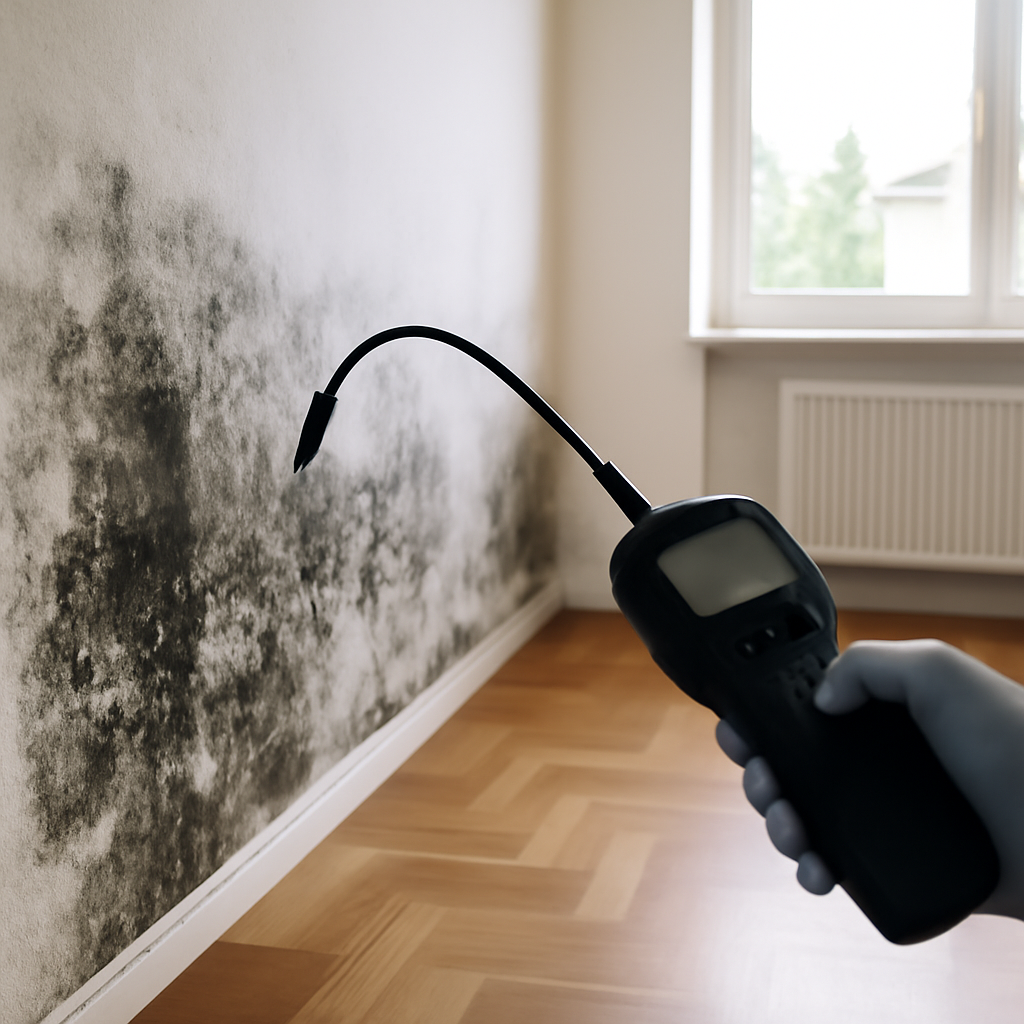
Windsor straddles Weld and Larimer counties, a fast-growing northern Front Range town set between Fort Collins, Loveland, and Greeley along the Cache la Poudre River and around several reservoirs, including Windsor Lake. Its housing leans on heavy 2000s-through-2020s subdivision growth, Water Valley, RainDance, Highpointe, and Belmont Ridge, with finished basements, alongside a historic Old Town core. Those homes, reservoir-side lots, and finished lower levels all hide moisture even in a dry climate. This page explains how mold inspection windsor homeowners should approach it, why local conditions matter, and what an inspection covers. This summary reflects EPA and CDC guidance current as of 2026; consult your physician for health symptoms and a certified professional for testing decisions.
Part of our Mold Testing & Inspection guide — start there for the full picture →
Is this mold, asbestos, or water damage? Get a free instant screen
Upload a clear photo of the suspect area. You'll get an instant AI screening opinion and what to do next. This is screening guidance, not a professional determination.
Screening guidance only. AI can be wrong. Confirm asbestos, mold type, or lead with lab testing or a licensed professional before acting.
Mold inspection in Windsor: what to know
A mold inspection is a methodical search for moisture and mold growth using visual examination, moisture meters, and sometimes a thermal camera. The aim is to find the water source, because mold is a symptom of a moisture problem rather than the root issue. In a Windsor home, that source may be foundation seepage in a finished basement, a high water table near a reservoir, a failed water heater, or condensation in a tightly built newer house.
An inspection differs from a test: the inspection locates and diagnoses, while a test quantifies spore types and counts. Many Windsor homeowners begin with an inspection and add sampling only where the inspector finds active growth. For how the two fit together, see our homeowner hub on mold inspection and testing, and our mold inspection guide for Weld County adds the regional context for this Weld-and-Larimer town.
The diagnostic mindset separates a useful inspection from a useless one. Anyone can spot a black stain; the value is tracing it back to the leak, the grading problem, or the condensation pattern that created it. Remediating visible mold without fixing the moisture source guarantees its return. A good Windsor inspector treats the mold as evidence and works backward to the water, whether that is a downspout dumping against the foundation of a Water Valley home or a high water table seeping into a basement near Windsor Lake.
Health concerns often prompt the call. Occupants of a Windsor home with hidden mold may report congestion, throat irritation, worsening allergies, or asthma flare-ups that ease when they leave the house. Only a physician can connect symptoms to a cause, but an inspection can confirm whether a moisture and mold problem exists that warrants attention. For households with infants, elderly members, or anyone with a compromised immune system, that confirmation matters, since those groups are more sensitive to mold exposure according to CDC guidance.
Why Windsor homes need a mold inspection
The dominant housing era is the driver. Windsor’s explosive 2000s-through-2020s growth produced subdivisions, Water Valley, RainDance, Highpointe, and Belmont Ridge, built largely over finished basements where a slow leak or foundation seepage can grow mold behind drywall for years unnoticed. Many of these communities sit near the Cache la Poudre River and reservoirs like Windsor Lake, where a higher water table raises the odds of basement moisture intrusion.
The town’s historic Old Town core adds older pre-1978 housing where original plumbing, aging roofs, and dated construction raise the likelihood of long-term water damage. Windsor’s agricultural heritage and plains setting mean many lots were former farmland with variable drainage, and spring snowmelt and summer storm runoff find their way into basements and crawl spaces. The semi-arid climate masks the problem because outdoor humidity is low, so homeowners assume mold cannot take hold while concealed moisture tells a different story. Evaporative coolers, common in the region, add indoor humidity that can feed growth if a home is over-cooled.
Finished basements are the recurring theme across Windsor’s subdivisions. A below-grade family room or bedroom puts porous materials, drywall, carpet, padding, and framing, against cool foundation walls where any seepage or condensation lingers. Because the space is finished, the moisture stays hidden behind surfaces nobody removes until a smell or a health complaint forces the issue. By then growth can be extensive. An inspection that catches the source early, before drywall is saturated, saves Windsor homeowners the most money and disruption, especially in reservoir-adjacent neighborhoods.
What a Windsor mold inspection covers
The inspector reviews the home’s moisture history, checks grading and downspout discharge around the foundation, and examines basements, crawl spaces, bathrooms, kitchens, and the areas around water-using appliances. Moisture meters locate damp framing and drywall behind finished surfaces, and a thermal camera can flag cool, wet areas worth a closer look.
When sampling is added
If the inspector finds visible growth or a musty odor with no obvious source, air or surface samples go to an accredited lab to identify the species and confirm whether indoor levels exceed the outdoor baseline. Understanding those results is easier with our guide to basement mold types, directly relevant to Windsor’s finished-basement subdivisions.
Common moisture sources in Windsor homes
Several culprits show up repeatedly. Negative grading or short downspouts that pool water against the foundation. A high water table near the river and reservoirs that overwhelms undersized sump pumps. Bathroom exhaust fans that vent into the attic instead of outside. Aging water heaters and supply lines in early-2000s subdivision homes now reaching their service limit. Over-humidification from evaporative coolers in tight homes. And in Old Town, aging plumbing and roofs over older construction. A thorough inspection checks all of these rather than fixating on the visible stain.
Mold inspection cost in Windsor
A visual mold inspection in the Windsor market typically runs about $250 to $450, depending on home size and how many areas need attention. Adding lab-analyzed air or surface samples usually brings the total into the $450 to $700 range. A targeted inspection of a single basement room after a known leak costs less than a whole-house assessment of a large Water Valley home with a finished lower level.
Avoid “free” inspections from companies that also sell remediation, since the incentive to find expensive problems is built in. An independent inspection keeps the diagnosis honest before you commit to any remediation spending.
The cost is small relative to what an undiagnosed moisture problem can do. Letting a hidden basement leak run for a season can turn a few hundred dollars of inspection into thousands in drywall removal, framing repair, and remediation. Catching it early, when a moisture meter still reads only damp framing rather than saturated, advanced growth, is the difference between a minor fix and a major project. For Windsor’s finished-basement subdivisions near the reservoirs especially, early detection is where the savings are.
Cost also depends on access and scope. A walk-out basement on a sloped RainDance lot is quick to examine, while a tight crawl space under an Old Town home takes more time and may require protective equipment, raising the fee. A whole-house assessment of a large subdivision home with a finished lower level costs more than a focused look at one room after a known leak. A good provider scopes the visit to your actual concern rather than defaulting to the most expensive package, so ask what the quote covers before you book.
What to do while you wait for an inspection
If you suspect mold in a Windsor home, a few steps limit the spread before the inspector arrives. Address the obvious water source first: a dripping supply line, a downspout dumping against the foundation, or an overflowing gutter. Run a dehumidifier in a damp finished basement to bring relative humidity toward the 30 to 50 percent range the EPA recommends, which slows growth. Avoid disturbing visible growth, since cutting into moldy drywall releases spores; leave that until the inspection establishes the scope.
Do not paint over a stain or run an air purifier and assume the problem is solved. Those steps mask symptoms without addressing the moisture source, and they can complicate the inspector’s diagnosis by hiding evidence. The goal before the visit is simple: stop adding water and keep humidity down, then let the inspection identify the source and extent so remediation, if needed, targets the real problem rather than the visible patch.
Colorado regulations and disclosure
Colorado does not license mold inspectors, so inspector certification and lab accreditation are the real quality signals. The state’s Seller’s Property Disclosure asks sellers to report known water damage and mold, so a documented inspection result becomes part of any Windsor transaction. CDPHE publishes indoor air quality and mold guidance that Weld and Larimer county residents can reference for safe-handling basics.
Renters in Windsor have standing here too. Colorado’s habitability protections cover serious mold tied to a landlord’s failure to fix a moisture source, and a dated inspection report from an independent professional is far stronger evidence than a phone photo. Whether you own or rent, the practical takeaway is the same: get the finding documented in writing from a credentialed, independent inspector so it carries weight in a negotiation, a claim, or a habitability dispute.
Neighborhoods and areas served
Mold inspection demand spans Windsor’s range: the finished-basement subdivisions of Water Valley, RainDance, Highpointe, and Belmont Ridge, the older homes of Old Town Windsor, and the reservoir-adjacent lots near Windsor Lake and the Cache la Poudre River. Service typically extends to adjacent Fort Collins, Loveland, Severance, and Greeley, where similar housing and basement-moisture patterns apply.
The older Old Town core and the newer subdivisions present different inspection priorities. In Old Town, aging plumbing, older roofs, and dated foundations drive the search. In Water Valley and RainDance, tighter construction and a higher water table mean the inspector focuses on ventilation, humidity, sump performance, and seepage. Knowing which pattern fits the home’s age and location lets a local inspector work efficiently rather than applying a one-size checklist across very different housing stock.
How to choose a Windsor mold inspection provider
Because the state does not license inspectors, verify professional certification and confirm any lab is independently accredited. A trustworthy provider keeps inspection separate from remediation, explains the moisture source rather than just naming the mold, and hands you the written findings. If you are buying, pairing the inspection with a home inspection in Windsor gives one coordinated view of the property’s moisture and structural risks.
Ask the provider whether they sell remediation, whether they include moisture-meter and visual documentation in the report, and whether they will identify the water source, not just the mold. A provider who answers those clearly is offering an objective diagnosis. One whose business model depends on selling you the cleanup has a reason to find more than may actually be there, which is why independence is worth prioritizing in this unlicensed market.
Ask about the report itself. A useful Windsor mold inspection ends with a written document that identifies the moisture source, describes the affected areas, includes photos and moisture readings, and recommends clear next steps, whether a simple repair, humidity control, or full remediation. A provider who offers only a verbal summary leaves you without the documentation you would need for a real-estate negotiation, an insurance claim, or a habitability dispute. The written record is part of what you are paying for, so confirm you will receive it.
References
- Mold cleanup and moisture control — U.S. Environmental Protection Agency
- Mold and your health — Centers for Disease Control and Prevention
- Indoor air quality and mold — Colorado Department of Public Health and Environment
Frequently asked questions
Can mold grow in Windsor's dry climate?
Yes. Outdoor humidity is low, but moisture trapped in finished basements, a high water table near the reservoirs, or evaporative-cooler humidity in tight homes still feeds mold. The dry climate just keeps the source hidden until an inspection finds it.
Do reservoir-side Windsor homes face higher mold risk?
They can. Homes near Windsor Lake and the Cache la Poudre River may sit over a higher water table, raising the odds of basement seepage. An inspection checks sump performance and foundation moisture in these areas.
How much does a mold inspection cost in Windsor?
A visual inspection typically runs $250 to $450, and adding lab-analyzed samples usually brings the total to roughly $450 to $700 depending on home size and the number of areas examined.
Do I need a licensed mold inspector in Colorado?
Colorado does not license mold inspectors. Verify the inspector's professional certification and confirm the analyzing lab is independently accredited, since those are the main quality signals.
Why do Windsor's finished basements matter for mold?
Finished basements put porous materials against cool foundation walls where seepage and condensation linger, and the finished surfaces hide the growth until a smell or health complaint forces it open, often after damage is extensive.
Windsor’s reservoir-side subdivisions and finished basements hide moisture a dry climate conceals. To get an objective read across Weld or Larimer county, reach out through our contact page and connect with a vetted local mold inspector.