Home Inspection in Erie, Colorado | InspectandTest
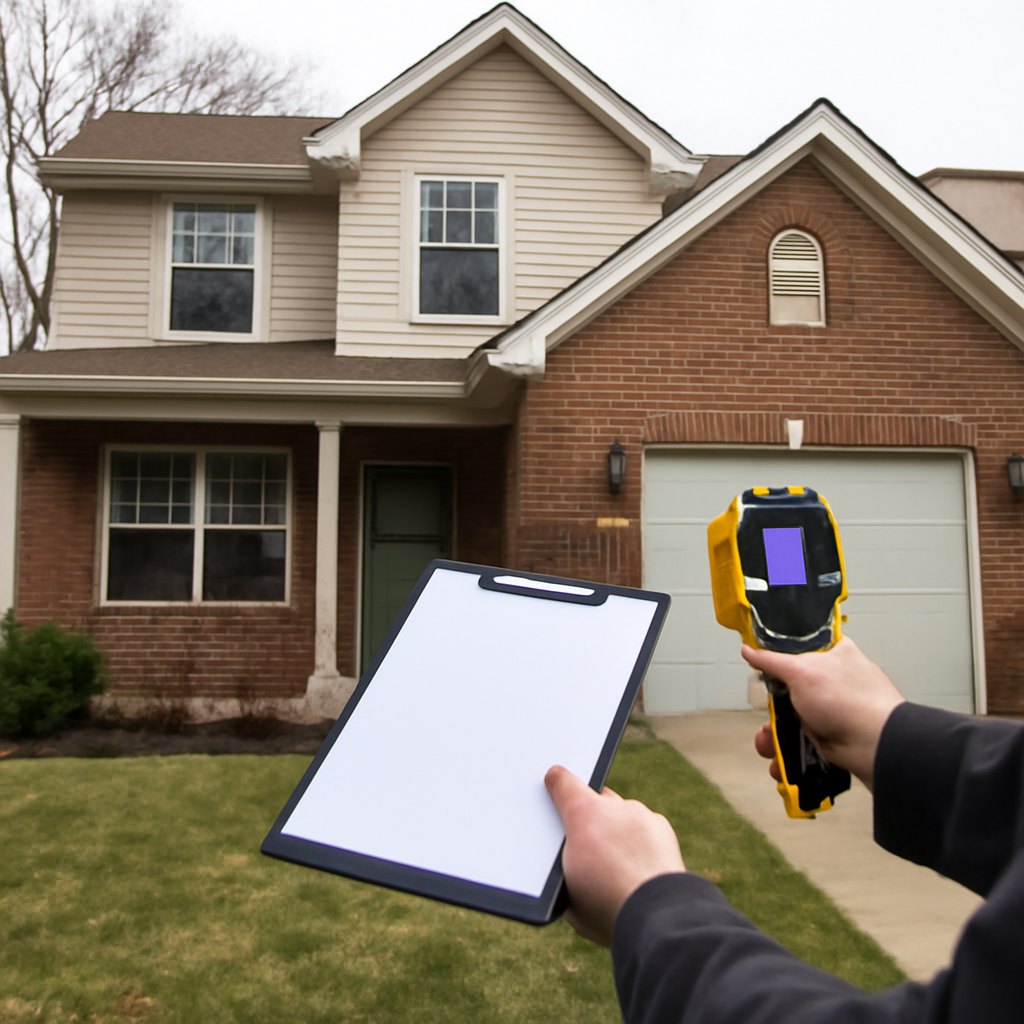
Erie is one of the fastest-growing communities on the northern Front Range, straddling Boulder and Weld counties on the former Northern Coal Field. Its housing ranges from 2000s-to-2020s finished-basement homes in newer subdivisions to a small historic Old Town core, and each carries its own inspection priorities. A home inspection is an independent, top-to-bottom evaluation of a property’s condition before you buy. This page explains what a home inspection erie buyers should expect, what local conditions deserve attention, and what it costs. The guidance here is educational; engage a qualified inspector for any specific property.
Part of our Home Inspections Explained guide — start there for the full picture →
Home inspection in Erie: what to know
A home inspection is a visual, non-invasive examination of a home’s major systems and components: roof, structure, foundation, electrical, plumbing, heating and cooling, insulation, and built-in appliances. The inspector reports on the condition of each and flags defects, safety issues, and items needing repair. It is not a pass/fail test or an appraisal; it is information that helps a buyer understand what they are purchasing and negotiate accordingly.
In Erie, an inspection commonly pays close attention to finished basements, where below-grade construction meets moisture and radon risk, and to the rapid-build subdivisions where construction quality can vary. For buyers new to the process, our buyer’s guide to hiring a home inspector walks through how to find a qualified inspector and what to expect on inspection day.
An inspection is a snapshot of a single day. It documents conditions the inspector can see and safely access, not hidden defects behind walls or future failures. That is why a thorough inspector uses tools like moisture meters and thermal cameras to extend what visual inspection alone reveals, and why a buyer should read the full report rather than relying on a verbal summary.
Why Erie homes need a thorough inspection
The finished-basement pattern is central. Erie’s newer subdivisions, Vista Ridge, Erie Highlands, Colliers Hill, and Flatiron Meadows, feature deep finished basements that sit against soil holding snowmelt and irrigation moisture. An inspector checks for water intrusion, foundation cracks, and grading that drains toward rather than away from the home, all common concerns in below-grade Front Range living space.
Radon and climate add layers. Erie sits in EPA Radon Zone 1, so a thorough inspection often includes or recommends a radon test, since finished basements concentrate the gas. The area’s Chinook winds and sharp freeze-thaw cycles stress roofs, flashing, and foundations, and the plains-edge soils can be expansive, putting movement-related stress on slabs and foundation walls. An inspector reads the home in the context of these local forces.
Old Town and rapid growth each bring distinct issues. The pre-1978 homes near Old Town carry aging-systems and pre-1978-material concerns, while the fast-built newer subdivisions can show shortcuts, missed flashing, improper grading, or incomplete work that a careful inspection catches. Because Erie has grown so quickly, an independent inspection is the buyer’s check on construction that was completed under pressure.
What an Erie home inspection covers
A standard inspection follows a recognized standards of practice, such as those published by InterNACHI or ASHI, covering the home’s major systems from roof to foundation.
Structure, roof, and exterior
The inspector evaluates the roof covering, flashing, and drainage; the foundation and visible structural elements; grading and site drainage; and exterior cladding, windows, and doors. In Erie, freeze-thaw damage to roofing and flashing and grading that fails to move snowmelt away from finished basements are particular points of attention.
Systems and interior
Electrical panels and wiring, plumbing supply and drainage, the furnace and air conditioning, water heater, insulation, ventilation, and interior finishes are all examined. A good inspector uses a thermal camera to spot hidden moisture or missing insulation, a useful add-on detailed in our coverage of thermal imaging inspection in Erie. Radon and other specialized tests are usually arranged alongside the inspection.
Home inspection cost in Erie
A standard home inspection in the Erie market typically runs about $400 to $650, depending on the home’s size, age, and complexity. Larger homes, those with finished basements and multiple systems, or older Old Town properties with more to evaluate sit at the higher end. Add-on services like radon testing, sewer scoping, or a detailed thermal scan add to the base fee.
Set the cost against the purchase. A few hundred dollars of inspection on a home that may cost hundreds of thousands is modest insurance against buying a property with an undisclosed foundation, roof, or moisture problem. In Erie’s competitive market, the inspection is the buyer’s main independent check before committing to one of the largest purchases they will make.
Bundling related services is efficient. Because Erie sits in Zone 1 and many homes have finished basements, pairing the inspection with a radon test and, where age warrants, a moisture or pre-1978 hazard check gives the buyer one coordinated picture rather than several separate visits. The combined cost is still small against the value of knowing the home’s true condition.
What a home inspection focuses on by Erie neighborhood
An inspection in Erie shifts emphasis with the home’s age and location, even though the standards of practice stay the same. In the newest subdivisions, Colliers Hill and Flatiron Meadows, the inspector’s attention often falls on the consequences of rapid construction: flashing that was rushed, grading that drains toward rather than away from a finished basement, incomplete or cosmetic-only work, and settlement that has not yet stabilized on plains-edge expansive soils. A five-to-fifteen-year-old home in Vista Ridge or Erie Highlands has had time for those original-construction shortcuts to surface as actual symptoms, sticking doors, hairline foundation cracks, a sump that struggles each spring, so the inspector reads the home for evidence of how it has aged.
Old Town Erie calls for a different lens entirely. A pre-1978 coal-era home there is evaluated for aging electrical and plumbing, the condition of an older foundation or crawl space, and the pre-1978 material concerns of lead paint and asbestos that the newer subdivisions rarely carry. The same inspector who flags a builder’s missed flashing in Flatiron Meadows will, in Old Town, be looking at whether the panel is undersized, whether the supply lines are nearing the end of their life, and whether the crawl space hides moisture. Matching the inspection’s focus to the home’s stage of life is what gives an Erie buyer the most relevant picture rather than a generic once-over.
Lot and drainage cut across all of these. Erie’s Chinook freeze-thaw cycles stress roofs and flashing town-wide, and the area’s expansive plains soils put cyclic movement on foundations regardless of subdivision, so an inspector who knows the local soil distinguishes a benign shrinkage crack from the stair-step pattern that signals real movement. A home at the low point of a cul-de-sac, where neighboring yards drain toward it, carries more moisture risk than the same floor plan on a crowned lot, which is why a thorough Erie inspection reads the site as carefully as the structure.
For brand-new Erie homes in still-completing subdivisions, a phased approach often makes sense: an inspection at substantial completion before closing, and where the builder offers it, a follow-up near the end of the warranty period to catch settlement-related issues that surface in the first year. Erie’s young, fast-built housing means original-construction shortcuts can take time to appear, so matching the inspection to the home’s stage of life, a builder warranty follow-up for new construction, deeper scrutiny of aging systems for an Old Town property, gives the buyer the most relevant picture rather than a generic once-over that ignores how the home will behave over its first years.
Colorado regulations and disclosure
Colorado does not license home inspectors, which means credentials and standards vary, so buyers should confirm an inspector follows a recognized standards of practice and carries appropriate insurance. The Colorado Seller’s Property Disclosure requires sellers to report known material defects, but it does not replace an independent inspection, since sellers disclose only what they know.
For Erie buyers, the inspection contingency in a purchase contract is the window to evaluate the home and negotiate repairs or credits based on findings. Because the state does not license inspectors, vetting an inspector’s certification, sample reports, and experience with finished-basement and rapid-build homes matters more here than in states with licensing. The disclosure and the inspection work together: disclosure tells you what the seller knows, the inspection tells you what an expert sees.
Neighborhoods and areas served
Home inspection demand in Erie spans the newer subdivisions and the historic core. Vista Ridge, Erie Highlands, Colliers Hill, and Flatiron Meadows generate steady demand from buyers of finished-basement homes, while Old Town Erie’s older properties call for attention to aging systems and pre-1978 materials. Service typically extends to adjacent Lafayette, Longmont, Frederick, Broomfield, and Dacono.
Because Erie spans Boulder and Weld counties, an inspector works across both jurisdictions, and the core concerns, finished-basement moisture, radon, freeze-thaw wear, and expansive soils, are consistent regardless of which side a home sits on. The neighborhood mostly changes the age and style of the home, not the fundamentals an inspection examines.
How to choose an Erie home inspector
Look for certification through InterNACHI or ASHI, errors-and-omissions and general liability insurance, and a sample report you can review before hiring. A good inspector welcomes you to attend, explains findings in plain language, and produces a detailed written report with photos rather than a quick verbal rundown. Experience with Erie’s finished-basement and rapid-build housing is a plus.
Ask what tools and add-ons the inspector offers. Moisture meters and thermal imaging extend what a visual inspection catches, and the ability to coordinate radon testing in a Zone 1 town is valuable. For a purchase specifically, our coverage of pre-purchase inspection in Erie explains how the inspection fits the transaction timeline and contingency.
Be wary of an inspector who rushes, skips the attic or crawl space, or hands over a checklist without explanation. The value of an inspection is in the thoroughness and the clarity of the report, so a slower, more communicative inspector who documents everything is worth more than the cheapest or fastest option in a market like Erie’s.
Ask specifically about expansive-soil experience. Erie’s plains-edge clays can swell when wet and shrink when dry, putting cyclic stress on slabs, foundation walls, and flatwork. An inspector who knows the local soil reads cracks differently, distinguishing a benign shrinkage crack from a stair-step pattern that signals real movement, and looks for the secondary signs, sticking doors, sloping floors, separated trim, that point to foundation issues a single crack alone would not reveal. In a town built largely on these soils, that local judgment is one of the most valuable things an Erie inspector brings.
Consider the home’s age and build phase. A brand-new Erie home in a still-completing subdivision benefits from a phased approach, an inspection at substantial completion before closing and, where the builder offers it, a follow-up near the end of the warranty period to catch settlement-related issues. A five-to-fifteen-year-old home in an established neighborhood like Vista Ridge has had time for original-construction shortcuts to surface, while an Old Town property calls for the deeper scrutiny of aging systems. Matching the inspection to the home’s stage of life gives the buyer the most relevant picture rather than a generic once-over.
References
- Standards of Practice for home inspectors — International Association of Certified Home Inspectors
- Finding a qualified home inspector — American Society of Home Inspectors
- Radon and home transactions — U.S. Environmental Protection Agency
Frequently asked questions
How much does a home inspection cost in Erie?
A standard inspection typically runs $400 to $650, depending on the home's size, age, and complexity. Larger or older homes and add-ons like radon testing or sewer scoping increase the total.
What does a home inspection in Erie cover?
It covers the home's major systems and components: roof, structure, foundation, electrical, plumbing, heating and cooling, insulation, and built-in appliances, plus a report on defects and safety concerns.
Should I get a radon test with my Erie inspection?
In most cases, yes. Erie sits in EPA Radon Zone 1, and its finished basements concentrate radon, so pairing a radon test with the inspection gives a more complete picture of the home.
Are newer Erie homes worth inspecting?
Yes. Erie's rapid growth means many homes were built quickly, and inspections of newer subdivisions still catch missed flashing, improper grading, and incomplete work, so even new construction benefits from an independent check.
Does Colorado license home inspectors?
No. Colorado does not license home inspectors, so buyers should confirm an inspector follows a recognized standards of practice, carries insurance, and can show sample reports before hiring.
Does Erie's expansive soil matter for an inspection?
Yes. Erie's plains-edge clays swell when wet and shrink when dry, stressing slabs and foundations. An inspector who knows the local soil distinguishes a benign shrinkage crack from a stair-step pattern that signals real movement, and looks for secondary signs like sticking doors and sloping floors.
Buying in Erie’s fast-moving market means an independent inspection is your best protection before you commit. To connect with a vetted local inspector who knows finished-basement and rapid-build homes, reach out through our contact page.