Rockwool Insulation: Mineral Wool for Walls, Attics, and Fire
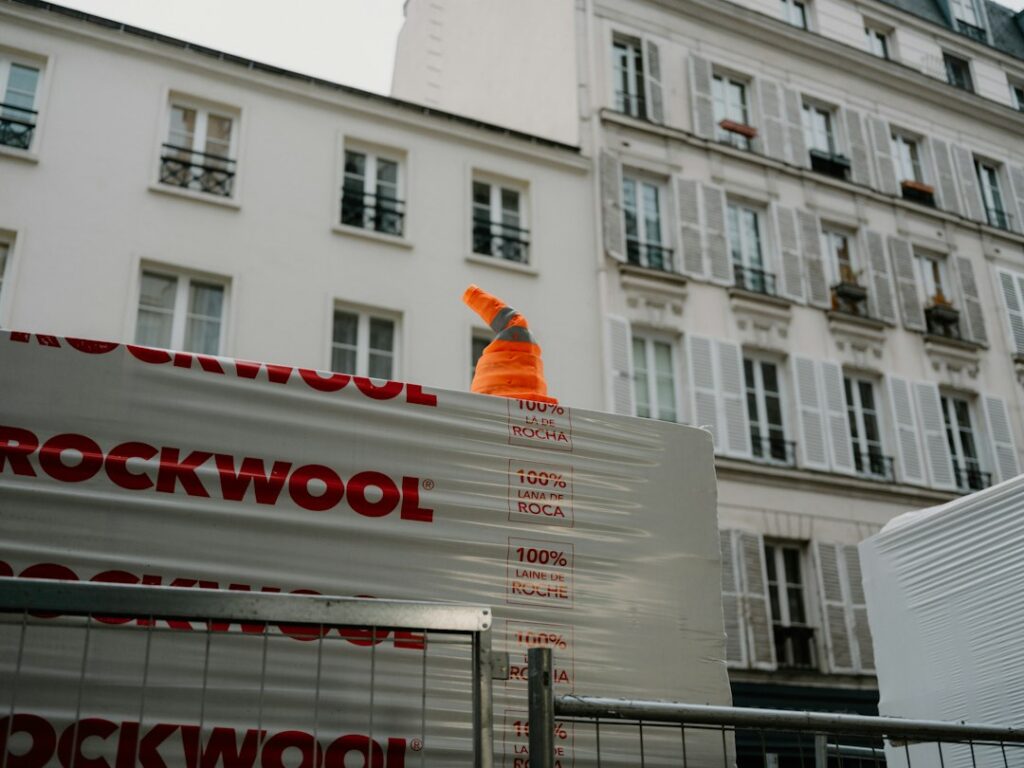
Rockwool insulation has moved from a specialty product to a regular sight at big-box stores, and many Front Range homeowners now weigh it against fiberglass for basement walls, rim joists, crawl spaces and attics. The name comes from one well-known manufacturer, but it has become shorthand for mineral wool in general: insulation spun from molten rock or industrial slag into fibers, then formed into batts, boards or loose fill. It costs more than fiberglass, and its supporters point to better fire resistance, moisture tolerance, sound control and a slightly higher R-value per inch. This guide looks at what mineral wool is, how its R-value compares, where it fits in a Colorado home, how it stacks up against foam, how to handle it safely and what it typically costs. It summarizes ENERGY STAR, OSHA and ATSDR information current as of 2026; product specifics should be confirmed on manufacturer data sheets.
Part of our Crawl Space & Attic Guide guide — start there for the full picture →
What Rockwool Insulation Is
Mineral wool is a category of insulation made by melting natural rock such as basalt, often with recycled slag from steel production, and spinning the molten material into fine fibers. A binder holds the fibers together, and the result is pressed into products of different densities. OSHA groups these materials as synthetic mineral fibers and describes three general families: fiberglass, mineral wool (rock wool and slag wool) and refractory ceramic fibers.
For homes, mineral wool shows up in a few main forms:
- Batts sized for 2×4 and 2×6 wall cavities and for floor and ceiling joists. They are stiffer than fiberglass batts and friction-fit between framing without staples.
- Rigid and semi-rigid boards used as continuous exterior insulation, interior basement wall insulation and in some roofing assemblies.
- Sound-attenuation batts, thinner products intended for interior walls and floors between rooms.
- Loose-fill mineral wool, less common in residential retail but used by some installers for blown applications.
Rockwool is a brand. Other manufacturers make comparable stone wool and slag wool products. In everyday conversation, “rockwool” and “mineral wool” usually mean the same thing.
R-Value Per Inch Compared With Fiberglass
R-value measures resistance to heat flow; higher numbers mean better insulating performance. ENERGY STAR describes it as a measure of insulation’s ability to resist heat traveling through it. The R-value printed on a package is for the full product thickness, but comparing per-inch values helps explain why materials fit differently in the same framing.
Based on common manufacturer data:
| Product | Typical R-value per inch | Common rated products |
|---|---|---|
| Mineral wool batts | About R-4.0 to R-4.3 | R-15 for 2×4, R-23 for 2×6 |
| Fiberglass batts | About R-3.1 to R-4.3, depending on density | R-13 or R-15 for 2×4, R-19 to R-21 for 2×6 |
| Mineral wool boards | Roughly R-4.0 to R-4.2 | Varies by thickness and density |
In practice, a 2×4 wall filled with mineral wool batts is often rated around R-15, while standard fiberglass is often R-13, with higher-density fiberglass reaching R-15. In a 2×6 wall, mineral wool is often R-23, compared with R-19 or R-21 for fiberglass. Ranges vary by product, so the label on the actual package is the number that matters. Our insulation R-value guide explains how R-values add up across assemblies, and the fiberglass insulation guide compares that material in more detail.
Installed performance depends heavily on workmanship. Gaps, compression and voids around wiring and pipes reduce effective R-value for any batt product. Mineral wool’s stiffness can make it easier to cut accurately and fit snugly, which some installers find helps reduce gaps.
For targets, ENERGY STAR’s recommended levels for retrofitting existing wood-framed homes are a useful reference. For climate zones 4C, 5 and 6, which include much of the Front Range, ENERGY STAR suggests attic floors reach R-60 if uninsulated or R-49 added where 3 to 4 inches already exist. For basement or crawlspace walls in zones 4C and 5 through 8, it suggests R-15 insulative wall sheathing or an R-19 batt. Higher-elevation communities may fall in colder zones.
Fire Resistance, Moisture Tolerance and Sound Control
Fire resistance
Mineral wool’s best-known property is its resistance to high temperatures. Because it is made from rock, manufacturers state its fibers withstand temperatures well above those typical in house fires before melting, and many stone wool products are classified as noncombustible under standard test methods. That makes it popular around chimneys, in fire-rated assemblies, as fire-blocking in some applications and between attached units. Fiberglass itself does not burn easily either, but its facings can, and its fibers melt at lower temperatures. Insulation alone does not make a home fire-safe, and code-required clearances to chimneys, flues and recessed lights still apply.
Moisture tolerance
Mineral wool is generally described by manufacturers as water-repellent and vapor-permeable. It does not absorb water readily and tends to drain and dry rather than holding moisture in the fibers, and it does not provide food for mold on its own. That does not make it waterproof. In wet crawl spaces or basements, any batt that stays damp will lose performance, and the framing around it can still rot. Moisture sources have to be fixed first.
Sound control
Mineral wool’s higher density helps it absorb sound. It is a common choice for bathroom walls, home offices, media rooms, bedroom walls and floors between levels. Sound-attenuation products are specifically made for interior partitions where thermal performance is less important. Sound control also depends on sealing gaps and on the drywall and framing assembly.
Rim Joists, Basements and Crawl Spaces
Below-grade and foundation areas are where many Front Range homeowners first consider mineral wool. The crawl space and insulation guide covers the broader strategy, and the crawl space hub goes deeper into vented versus sealed designs.
Rim joists
The rim joist, the band of framing sitting on top of the foundation wall, is a notorious source of air leaks and heat loss. ENERGY STAR’s basement and crawlspace resources point to building science guidance on air leakage at the rim and band joist and spray foam remediation. Mineral wool can insulate a rim joist, but it is air-permeable. Without an air seal behind or in front of it, warm, moist indoor air can reach the cold rim board and condense. A common approach is to air-seal the rim with rigid foam cut to fit and sealed at the edges, or with spray foam, then add mineral wool for extra R-value and fire resistance where appropriate. Our rim joist insulation guide explains those options.
Basement walls
Mineral wool boards and batts can insulate basement walls as part of a finishing assembly. Placing batts directly against a concrete wall without a continuous layer of rigid foam or a moisture management detail is generally discouraged because concrete can be cool and damp. Many builders use foam or semi-rigid mineral wool board against the concrete, then frame and fill the stud cavities.
Crawl spaces
Vented crawl spaces are often insulated at the floor framing above, while sealed or conditioned crawl spaces are insulated at the walls. Mineral wool batts in the floor framing over a vented crawl space should be supported so they stay in contact with the subfloor. Over time, unsupported batts in any material can sag and fall. In sealed crawl spaces, wall insulation strategies more often use rigid foam or spray foam, sometimes with mineral wool layered on.
Mineral Wool vs Foam Insulation
Foam and mineral wool are often used together, but they behave very differently.
- Air sealing. Closed-cell spray foam and properly sealed rigid foam act as air barriers. Mineral wool does not.
- Vapor control. Closed-cell foam and foil-faced rigid board slow vapor substantially. Mineral wool is vapor-open.
- R-value per inch. Closed-cell spray foam and polyiso boards generally have higher R-value per inch than mineral wool. Open-cell foam and expanded polystyrene are closer.
- Fire performance. Foam plastics generally require an approved thermal or ignition barrier in living spaces and many attics and crawl spaces. Mineral wool is often used where noncombustibility is desired.
- DIY friendliness. Mineral wool batts and rigid foam boards are DIY-friendly. Spray foam is usually a professional job.
- Cost. Spray foam is typically the most expensive per square foot of these options.
Our guides to rigid foam insulation and open versus closed-cell spray foam go deeper on those materials.
Rockwool in Attics
Attics can use mineral wool batts between ceiling joists, especially where homeowners want fire resistance or are working in small areas. For large open attics, blown-in fiberglass or cellulose is usually cheaper and fills irregular spaces more completely, which is why loose-fill dominates attic retrofits. Mineral wool batts can be laid perpendicular over existing insulation to add R-value, provided they do not block soffit vents and do not cover recessed lights or other heat sources unless those fixtures are rated for contact.
Our attic insulation guide covers air sealing, ventilation and depth targets, and the attic insulation cost guide compares installed prices across materials.
Handling Mineral Wool Safely
Mineral wool fibers can irritate skin, eyes and the respiratory tract during handling, much like fiberglass. Many installers report it is somewhat less itchy, but individual experience varies.
On long-term health effects, OSHA states there is insufficient evidence that synthetic mineral fibers cause respiratory disease in humans. It notes that animal studies led to conservative classifications of certain fibers as possible carcinogens, and that insulation glass wool, rock (stone) wool and slag wool are not classifiable as to their carcinogenicity to humans. The Agency for Toxic Substances and Disease Registry maintains a toxicological profile on synthetic vitreous fibers for readers who want the full science.
Sensible handling practices include:
- Long sleeves, long pants and gloves.
- Safety glasses or goggles, especially overhead.
- A properly fitted disposable dust mask or respirator, particularly when cutting.
- Cutting with a long serrated knife rather than power saws to reduce dust.
- Washing work clothes separately and showering after the job.
- Good ventilation in confined spaces, and caution in crawl spaces and attics with limited access.
Older homes may contain insulation that is not mineral wool. Vermiculite loose fill, for example, can contain asbestos and should not be disturbed without testing. Homeowners unsure of an existing material should have it identified before removal.
What Inspectors Note About Insulation
The ASHI Standard of Practice directs inspectors to inspect and describe insulation and vapor retarders in unfinished spaces, and to inspect ventilation of attics and foundation areas. It also states inspectors are not required to disturb insulation. That means an inspector will typically identify the material, estimate depth where visible, and note gaps, compression, missing sections, fallen batts in crawl spaces and wet or damaged insulation, but will not open finished walls to check what is inside.
Buyers can ask their inspector to note insulation type and approximate depth in the attic and crawl space, which helps with planning upgrades. Mineral wool is usually easy to recognize by its gray, green-gray or tan color and its dense, somewhat rigid texture, compared with the softer pink, yellow or white fibers of most fiberglass. Photos in the report give contractors a starting point when quoting additional insulation or air sealing work later.
Installing Mineral Wool Batts Well
Much of mineral wool’s appeal for do-it-yourself work comes from how it handles. The batts are dense enough to stand up in a stud bay on their own, and they cut cleanly with a long serrated blade. A few practices help any installation perform close to its rated R-value:
- Cut slightly oversize. Trimming batts about a half inch wider than the cavity lets them friction-fit snugly without gaps at the studs.
- Split around wiring. Rather than stuffing a batt behind a cable, slice it partway through its thickness so half sits behind the wire and half in front.
- Notch around boxes and pipes. Cutting precise notches around electrical boxes and plumbing avoids voids that act like thermal holes.
- Avoid compression. Squeezing a thick batt into a shallow cavity lowers its R-value relative to the label.
- Mind the vapor control layer. Mineral wool batts are typically unfaced, so any required vapor retarder is a separate layer, and local code and climate determine whether one is needed.
In Colorado’s dry, cold climate, interior air in winter is generally drier than in humid regions, but bathrooms, kitchens and basements can still produce enough moisture to condense on cold surfaces. Air sealing the drywall plane and the top plates matters as much as the insulation itself.
Exterior continuous insulation
Rigid mineral wool boards are increasingly used as continuous insulation on the outside of wall sheathing, beneath siding. Unlike foam boards, they are vapor-open, which lets walls dry outward, and they are noncombustible. ENERGY STAR’s retrofit guidance suggests adding insulative wall sheathing whenever siding is removed, with R-5 to R-10 recommended for colder climate zones. That makes a re-siding project one of the most practical times to consider mineral wool board, since the walls are already open from the outside.
Rockwool Insulation Costs
Mineral wool generally costs more than fiberglass for the same nominal thickness. As a general guide for 2026, retail pricing for mineral wool batts often runs noticeably higher per square foot than comparable fiberglass batts, with board products costing more than batts. Prices vary by thickness, density, brand, region and supply conditions.
Installed costs depend on the location and access. Open stud walls during a remodel are the most straightforward. Crawl spaces, rim joists and tight attics add labor. Professional installation of mineral wool in open walls in the Denver metro might range from a modest premium over fiberglass to considerably more, depending on the job. Rebates and incentives through local utilities or federal programs may apply to some insulation upgrades, and utility programs often list eligible products and installer requirements. Comparing quotes for both materials helps clarify whether the premium makes sense for a specific project.
References
- Recommended Home Insulation R-Values — ENERGY STAR
- Basement and Crawlspace Air Sealing and Insulating Project — ENERGY STAR
- Synthetic Mineral Fibers: Health Effects — Occupational Safety and Health Administration
- Toxicological Profile for Synthetic Vitreous Fibers — Agency for Toxic Substances and Disease Registry (CDC)
- ASHI Standard of Practice for Home Inspections — American Society of Home Inspectors
Frequently asked questions
Is rockwool better than fiberglass insulation?
Mineral wool usually offers a slightly higher R-value per inch, better fire resistance and better sound control, while fiberglass usually costs less. Both perform well when installed without gaps or compression.
Can rockwool insulation get wet?
Mineral wool is water-repellent and tends to dry rather than hold water, and it does not feed mold on its own. It is not waterproof, so moisture problems in basements and crawl spaces still need to be fixed first.
Is rockwool safe to handle?
Like fiberglass, it can irritate skin, eyes and airways during installation, so gloves, long sleeves, eye protection and a dust mask are sensible. OSHA notes rock wool is not classifiable as to its carcinogenicity to humans.
What R-value is rockwool in a 2x6 wall?
Mineral wool batts for 2x6 walls are commonly rated around R-23, compared with roughly R-19 to R-21 for fiberglass batts. Always check the label on the specific product.
Can rockwool insulate a rim joist?
Yes, but it does not stop air. Pair it with an air seal such as rigid foam sealed at the edges or spray foam so warm indoor air cannot reach the cold rim board and condense.
Planning an insulation upgrade and want to know what is in the attic or crawl space first? Reach out here to connect with a Front Range inspector who can document existing insulation and moisture conditions.