Asbestos Mineral: What Homeowners Need to Know
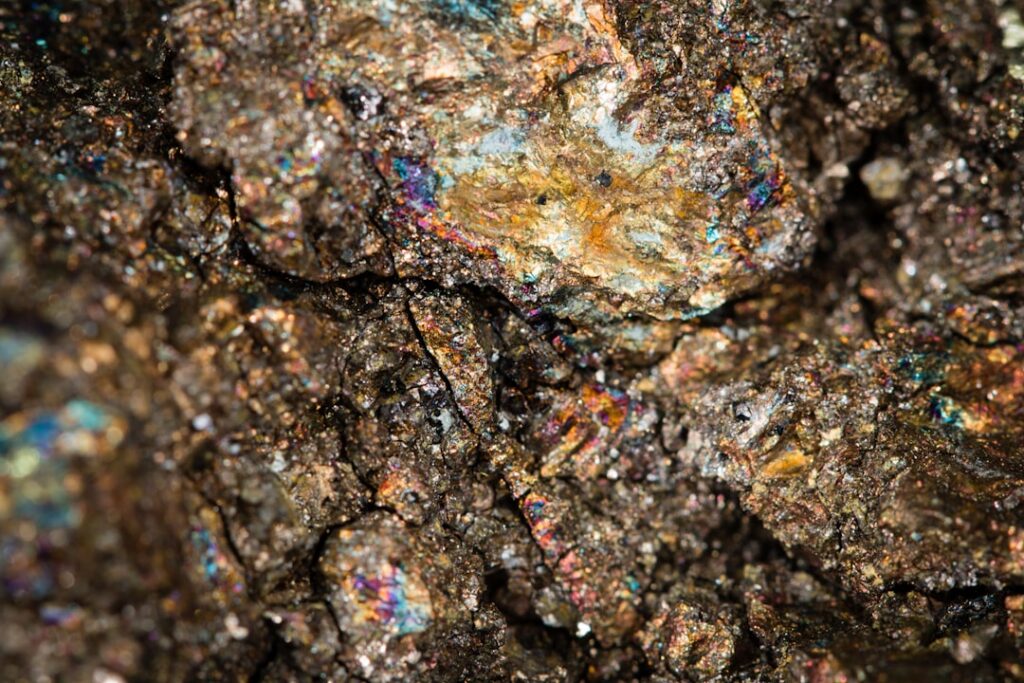
Before asbestos was a building material or a regulatory headache, it was a rock. The asbestos mineral is not a single substance but a group of six naturally occurring fibrous silicate minerals that share a common trait: they crystallize into long, thin, separable fibers strong enough to weave, durable enough to last decades, and resistant to heat, fire, and chemicals. Those very properties made asbestos valuable to industry and dangerous to health. Understanding the mineral itself, its types and origins, helps homeowners grasp why it turns up where it does and why it must be handled with care. This guide summarizes EPA, OSHA, and CDC guidance current as of 2026 and is for general education only; it is not a diagnosis, and a certified professional should make decisions about testing or removal in your specific home.
Part of our Asbestos in the Home guide — start there for the full picture →
Is this mold, asbestos, or water damage? Get a free instant screen
Upload a clear photo of the suspect area. You'll get an instant AI screening opinion and what to do next. This is screening guidance, not a professional determination.
Screening guidance only. AI can be wrong. Confirm asbestos, mold type, or lead with lab testing or a licensed professional before acting.
What Is the Asbestos Mineral?
Asbestos is the commercial and regulatory name for a set of six naturally occurring silicate minerals that form bundles of thin, flexible, heat-resistant fibers. These minerals occur in rock formations around the world and are mined, then processed into the fibers used in products. What unites them is their fibrous crystal habit: rather than forming blocky crystals, they grow as fine, separable threads. That structure gives asbestos its useful strength and flexibility and also makes its fibers small enough to be inhaled deep into the lungs.
The six regulated asbestos minerals fall into two mineral families. The serpentine family contains a single asbestos type, chrysotile. The amphibole family contains five: amosite, crocidolite, tremolite, actinolite, and anthophyllite. All are recognized human carcinogens, though they differ in fiber shape and in how they behave in the body. Our broader explainer on what asbestos is introduces the material, and the asbestos and lead hub connects it to older housing concerns.
The Six Types of Asbestos Mineral
The two families have meaningfully different fiber structures, which shapes both their uses and their hazard.
Serpentine: chrysotile
Chrysotile, or white asbestos, is the only serpentine asbestos and made up the large majority of asbestos used commercially, by many estimates more than ninety percent of the world total. Its fibers are curly and pliable, a sheet-silicate structure that rolls into hollow tubes at the microscopic level. That flexibility made it easy to spin and weave into textiles and to blend smoothly into cement, flooring, joint compound, and countless other products. Because it dominated the market so thoroughly, chrysotile is the type most homeowners are likely to encounter in a residential setting, though its prevalence does not make it safe; it remains a recognized human carcinogen.
Amphibole: amosite and crocidolite
Amosite, or brown asbestos, and crocidolite, or blue asbestos, are the two commercially important amphiboles. Their fibers are straight, stiff, and needle-like. Amosite went into insulation and insulating board; crocidolite saw narrower, high-performance use. The straight amphibole fibers persist longer in lung tissue, which is why these types carry elevated relative risk. Our guides on amosite and crocidolite cover them individually.
Amphibole: tremolite, actinolite, anthophyllite
These three were not generally mined and sold as asbestos in their own right. Instead, they often occurred as contaminants in other mined materials, most notably tremolite in some vermiculite insulation and in certain talc deposits used in consumer products. Their unintended presence is one reason asbestos can appear in products not obviously made of it, and why testing matters even for materials a homeowner would not expect to contain asbestos. The vermiculite example is especially relevant to older homes, since some attic insulation from particular sources is known to have carried tremolite contamination, which is why suspect loose-fill attic insulation in older houses is treated with caution until tested.
Where the Mineral Comes From and Why It Was Used
Asbestos forms naturally in certain rock formations, where geological processes crystallize the silicate minerals into fibrous veins. Deposits have been mined on several continents, with major historical sources in places like Canada, South Africa, and Russia. The mined rock is crushed and processed to free the fibers, which are then graded and sold for manufacturing.
The reasons industry embraced the asbestos mineral are the same properties that define it. The fibers resist heat and fire, which made asbestos ideal for insulation, fireproofing, and gaskets. They resist chemicals and rot, which suited it to cement products, roofing, and piping. They are remarkably strong for their weight and can be woven or blended into a binder, which let manufacturers add strength to everything from floor tile to brake linings. And it was cheap and abundant. For most of the twentieth century, those advantages overshadowed the accumulating evidence of harm, which is why asbestos ended up in thousands of products. The story of how broadly it spread is covered in our look at when asbestos was used.
Why the Mineral’s Structure Makes It Hazardous
The same fibrous structure that made asbestos useful makes it dangerous. When asbestos-containing material is disturbed, it can release microscopic fibers into the air. These fibers are small enough to be inhaled deep into the lungs, where their durability works against the body: they resist being broken down or cleared, and over time they can cause scarring and cellular changes that lead to disease.
Health agencies link asbestos exposure to asbestosis, a scarring of lung tissue; lung cancer; and mesothelioma, a cancer of the lining of the lungs or abdomen that is strongly associated with asbestos. These diseases typically develop decades after exposure, and agencies hold that there is no demonstrated safe level of exposure. The amphibole minerals, with their straight, biopersistent fibers, are associated with higher relative risk than chrysotile, though all types are carcinogenic. The hazard is tied to airborne fibers, which is why intact, undisturbed material that does not shed fibers poses far less risk than material that is cut, broken, or deteriorating. Anyone concerned about a past exposure should consult a physician rather than self-assess.
How Labs Identify the Mineral
Because the asbestos mineral cannot be identified by eye once it is bound into a product, identification relies on microscopy in an accredited laboratory. The most common method for bulk building materials is polarized light microscopy, which examines how fibers interact with polarized light to reveal optical properties unique to each asbestos type. A trained analyst can distinguish chrysotile from the amphiboles and estimate the percentage of asbestos in the sample. For finer work, such as analyzing dust or air samples where fibers are sparse or very small, transmission electron microscopy provides higher resolution and can confirm fiber identity by both shape and chemical composition.
This is why a homeowner cannot shortcut the process. The fibers that define the mineral are far below the threshold of human vision, and the optical and chemical signatures that separate one type from another require laboratory instruments and a qualified analyst. A certified inspector collects the sample safely, wetting the material to suppress dust and taking a small, representative piece with minimal disturbance, then submits it to the lab. The resulting report names the mineral type and its proportion, information an abatement professional uses to plan handling. The chain from rock to product to microscope underscores a single practical truth: knowing what the asbestos mineral is helps explain the risk, but only testing reveals whether a specific material contains it.
What the Mineral Means for an Older Home
Because the asbestos mineral was processed into so many building products, a home built or renovated before the late 1980s can contain it in numerous places: floor tile and sheet flooring, cement siding and roofing, pipe and boiler insulation, textured ceilings, joint compound, and more. The mineral itself is invisible once bound into these products, and its color and form give no reliable visual clue, which is why color cannot identify asbestos.
The handling principles follow from the mineral’s behavior. Intact material that keeps its fibers bound is generally low risk and is best left undisturbed, monitored, or professionally encapsulated. Disturbance that frees fibers, cutting, sanding, drilling, breaking, is the hazard to avoid. Before any renovation in an older home, suspect materials should be tested by an accredited laboratory through a certified inspector, because only microscopy can confirm which, if any, asbestos mineral is present. Confirmed asbestos requiring removal is work for a licensed abatement contractor.
It is worth emphasizing that the mineral’s natural origin can also matter outside the home. In some regions, asbestos minerals occur in surface rock and soil, a phenomenon known as naturally occurring asbestos. Disturbing such ground through excavation, grading, or off-road activity can release fibers into the air independently of any building product. While this is more a regional land-use concern than a typical household issue, it illustrates that the asbestos mineral is fundamentally a part of the natural environment, not solely a manufactured hazard. Homeowners in areas with documented naturally occurring asbestos should follow local guidance on soil disturbance, and any large excavation in such areas may warrant professional assessment.
For the great majority of homeowners, though, the relevant exposure pathway is the building products processed from the mineral decades ago. Recognizing that those products were made from a durable, fibrous rock helps explain why they have lasted so long and why disturbing them is the moment of risk. A floor tile, a cement shingle, or a wrap of pipe insulation is, in effect, a finished form of a mineral that does not break down, which is exactly why intact material can sit safely for decades and why cutting into it changes everything. That understanding, more than any single fact about the geology, is what guides sensible decisions in an older home.
It can help to picture the full path the mineral travels. It begins as fibrous veins in rock, is mined and crushed to free the fibers, and is graded and shipped to factories. There it is blended into a binder, cement, vinyl, asphalt, or plaster, and molded into a finished product that is installed in a building. Decades later, that product is still doing its job, with the asbestos fibers locked inside exactly as they were on installation day, because the mineral simply does not degrade the way organic materials do. When a renovation finally cuts, sands, or breaks that product, the chain effectively runs in reverse: the bound fibers are freed back into the air, where they can be inhaled. Seeing the material this way, as a durable rock that was processed into a product and can be turned back into airborne fibers by aggressive work, explains both why intact material is safe to live with and why disturbance is the moment that demands caution and professional handling. It is the single mental model that makes every specific guideline about asbestos in the home fall into place, and it is worth keeping firmly in mind before any project that would cut into the materials a pre-1980s home was built from, since that is the moment the durable mineral can be turned back into airborne fibers.
When to Call a Professional
Call a certified asbestos professional before disturbing any suspect material in a pre-1980s home, and especially before renovation, demolition, or flooring and siding replacement. An accredited inspector can sample and identify which asbestos mineral, if any, a material contains, and a licensed abatement contractor can remove or manage confirmed asbestos under the required safeguards. Colorado regulates asbestos work through state health authorities, with notification and licensing requirements for projects above set thresholds. A home inspector can flag suspect materials during a purchase and recommend testing. Because the mineral cannot be identified by sight, laboratory testing is the only reliable basis for decisions about it.
References
- Learn About Asbestos and Its Mineral Types — U.S. Environmental Protection Agency
- About Asbestos Minerals and Health — Centers for Disease Control and Prevention
- Asbestos Standards and Definitions — Occupational Safety and Health Administration
Frequently asked questions
What is the asbestos mineral?
Asbestos is a group of six naturally occurring fibrous silicate minerals that form long, thin, separable fibers resistant to heat, fire, and chemicals. They fall into two families: the serpentine type chrysotile, and five amphibole types including amosite and crocidolite. All are recognized human carcinogens.
How many types of asbestos mineral are there?
Six are regulated: chrysotile, the only serpentine type, plus the amphiboles amosite, crocidolite, tremolite, actinolite, and anthophyllite. Chrysotile was by far the most widely used, while tremolite, actinolite, and anthophyllite often appeared as contaminants rather than intended ingredients.
Why is the asbestos mineral dangerous?
Its fibers are microscopic and durable. When disturbed, they can be inhaled deep into the lungs, where they resist clearance and over decades can cause asbestosis, lung cancer, and mesothelioma. There is no demonstrated safe level of exposure, and the hazard comes from airborne fibers.
Can I see asbestos mineral fibers in my home?
No. The disease-causing fibers are microscopic, and once the mineral is bound into products like tile, cement, or insulation, neither color nor texture reveals it. Only laboratory analysis of a properly collected sample can confirm whether and which asbestos mineral is present.
If an older Front Range home may contain asbestos-bearing materials, a vetted local inspector can arrange proper laboratory testing before you disturb anything; reach out through our contact page to get connected.