Radon Testing Utah: What Homeowners Need to Know
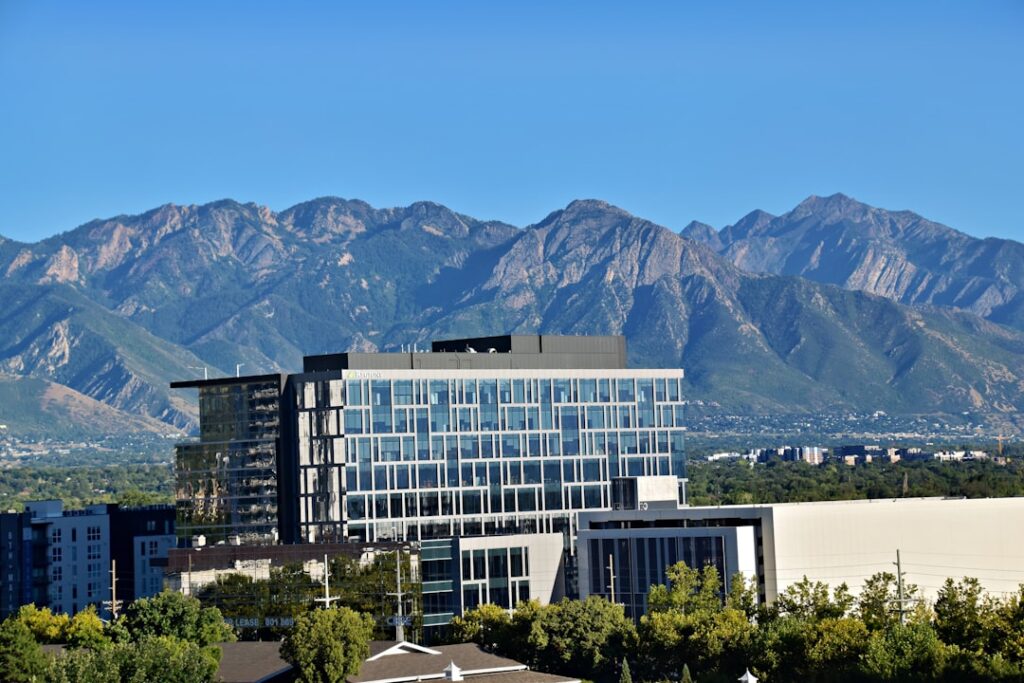
Radon testing in Utah is a meaningful precaution because much of the state sits over geology that produces elevated indoor radon, a colorless, odorless gas the EPA identifies as the second leading cause of lung cancer. Like neighboring Colorado, Utah’s mountainous and high-desert terrain puts many counties in the EPA’s higher radon-potential zones, and a substantial share of tested Utah homes register above the action level. This guide summarizes EPA and state guidance current as of 2026; consult a physician for health concerns and a certified professional for mitigation decisions. Below, how testing works in Utah, available resources, costs, and how to read and act on results.
Part of our Radon Levels guide — start there for the full picture →
Why Radon Testing Matters in Utah
Radon forms from the natural decay of uranium in soil and rock, and it seeps into homes through foundation cracks, slab joints, sump openings, and gaps around utility penetrations. Utah’s geology, including uranium-bearing soils across much of the state, gives many areas elevated radon potential. State health data has long indicated that a significant portion of tested Utah homes exceed the EPA action level of 4.0 picocuries per liter (pCi/L), making testing a sensible step regardless of neighborhood or home age.
Because radon cannot be seen, smelled, or tasted, testing is the only way to know a home’s level. New and old homes alike can have high radon; tight, energy-efficient construction can even trap it. The broader radon testing guide for Colorado homeowners explains the science that applies in Utah just as it does on the Colorado Front Range, and the guide to acceptable radon levels by state puts Utah’s situation in national context.
How Radon Testing Works in Utah
Radon testing in Utah follows the same methods used nationwide. A test device measures radon concentration in the lowest lived-in level of the home over a defined period, and the result is reported in pCi/L against the 4.0 action level. Homeowners can choose between do-it-yourself kits and certified professional testing.
DIY Test Kits
Inexpensive passive kits, such as charcoal canisters for short-term tests and alpha-track detectors for long-term tests, are widely available. The homeowner places the device, maintains the required conditions, and mails it to a lab for analysis. Short-term tests run a few days; long-term tests run more than 90 days and better capture the seasonal average. An at-home radon test is a sound first step for any Utah homeowner.
Professional Testing
Certified measurement professionals use continuous radon monitors that log hourly readings and resist tampering, which matters in real-estate transactions. Professional testing produces a documented, credible result and is often preferred when a home sale or a mitigation decision is on the line. The radon testing equipment guide describes the instruments professionals use.
Short-Term vs Long-Term Testing
The test duration shapes what the result means. Short-term tests of 2 to 7 days deliver fast answers and suit the compressed timelines of a home purchase, but radon fluctuates with weather and season, so a short-term result is a snapshot. The EPA recommends closed-house conditions during a short-term test to improve accuracy.
Long-term tests of more than 90 days yield a result much closer to the home’s true year-round average, making them the better basis for a mitigation decision when time allows. Utah’s pronounced seasonal weather swings can move radon levels noticeably between winter and summer, which strengthens the case for long-term testing outside of a transaction. A homeowner not under a deadline benefits from the more representative number a long-term test provides, as explained in the guide to what counts as long-term radon exposure.
Utah Resources and Testing Support
Utah’s state radon program, run through the state health and environmental agencies, provides public information, promotes testing, and at times offers discounted or low-cost test kits to residents, similar to programs in other high-radon states. Utah also recognizes certified radon measurement and mitigation professionals, and homeowners can look for certification through national programs that credential radon contractors.
For homeowners pursuing professional testing or mitigation, choosing a certified provider matters for both accuracy and quality of any installed system. Certification through a recognized radon proficiency program signals that the professional follows established measurement and mitigation protocols. Whether testing DIY or professionally, the goal is the same: an accurate number to base decisions on, which the guide to radon test results helps homeowners interpret.
The Health Basis for Testing in Utah
The reason Utah’s radon prevalence matters is the established link between radon exposure and lung cancer. Radon is radioactive, and when its decay products are inhaled, they can damage lung tissue over time. The EPA attributes a substantial number of lung cancer deaths in the United States each year to radon, identifying it as the second leading cause of lung cancer after smoking and the leading cause among people who have never smoked. The risk rises with both the concentration and the duration of exposure.
Because the effect is cumulative and develops over years, a high radon level produces no immediate symptoms, which is part of what makes it dangerous. A family can live for years in a home with elevated radon without any sign of a problem, while the exposure quietly accumulates. This is the core argument for testing: the gas gives no sensory warning and no short-term symptom, so a measurement is the only way to know whether a Utah home poses a risk. Anyone concerned about exposure history or symptoms should consult a physician; this guide addresses testing and mitigation, not medical diagnosis.
Testing During a Utah Home Purchase
Radon testing frequently comes up during Utah real-estate transactions, and the timing creates specific considerations. Real-estate testing is usually short-term because of the compressed closing timeline, and it commonly uses a certified professional or a tamper-resistant continuous monitor to ensure the result cannot be manipulated during the test window. Buyers should arrange the test early in the inspection period so an elevated result can inform negotiation while contingencies remain open.
An elevated radon result during a purchase is not a deal-breaker. Mitigation is a well-established, effective fix, and buyers often negotiate for the seller to install a system or provide a credit toward one. Because mitigation costs are predictable, a radon finding becomes a manageable line item rather than a reason to walk away. Sellers, in turn, sometimes test and mitigate proactively before listing, which removes a potential obstacle and reassures buyers.
For non-transaction testing, a Utah homeowner not under a deadline benefits from the more accurate long-term test, which captures the seasonal swings the state’s climate produces. Either way, the testing-then-mitigation sequence is the same, and an elevated result simply points toward a proven solution rather than an unsolvable problem.
What Radon Testing Costs in Utah
Costs in Utah track national ranges. A DIY short-term kit is inexpensive, often a low double-digit dollar figure including lab analysis, and long-term kits are similarly affordable. State-subsidized kits, where available, can cost even less. Professional testing with a continuous radon monitor costs more, commonly in the low-to-mid hundreds depending on the provider and whether it accompanies a real-estate inspection.
If testing reveals elevated radon, mitigation is a separate and larger expense. A typical sub-slab depressurization system for a single-family home generally falls in the low-thousands range nationally, varying with foundation type and home complexity. Budgeting for the possibility of mitigation gives a realistic picture, and the guide on radon test cost breaks down the testing-side variables that apply in Utah.
Reading Results and Next Steps
Interpret a Utah result against the 4.0 pCi/L action level. A reading below 4.0 still carries some risk, since the EPA notes no level is entirely safe, but it falls under the threshold where mitigation is recommended. A reading at or above 4.0 calls for action: confirm an elevated short-term result with a follow-up test, then proceed to mitigation if the high level holds.
Mitigation is a proven fix. A sub-slab depressurization system draws soil gas from beneath the foundation and vents it safely above the roofline, reliably lowering indoor radon, often well below the action level. For a Utah homeowner, the sound sequence is to test, confirm an elevated result, and mitigate with a certified contractor. Testing is inexpensive, the gas is undetectable, and the health stakes make it a worthwhile step for every home in the state.
How to Run a Utah Radon Test Correctly
Accuracy depends on technique regardless of which Utah home is being tested. Place the device in the lowest regularly used level, typically a basement or ground-floor living space, since radon enters from the soil and concentrates lowest. Position it 2 to 6 feet above the floor, away from exterior walls, drafts, windows, and humid areas like bathrooms, and keep it clear of HVAC vents, fans, and heat sources that could distort the reading.
For a short-term test, maintain closed-house conditions, keeping windows and exterior doors shut except for normal entry and exit, starting 12 hours before the test and continuing throughout. Run heating and cooling normally. Follow the kit’s timing instructions exactly, and seal and mail the device promptly when the test ends, since delays degrade short-term accuracy. These are the same protocols professionals follow, and observing them makes a DIY Utah test as reliable as a professional one.
Seasonal Considerations in Utah
Utah’s pronounced seasons make timing relevant to interpretation. Winter readings often run higher because homes are sealed against the cold and heating creates stack effect that draws more soil gas inside, so a winter short-term test tends to capture a near-worst-case window. Summer readings, with windows opened and the house breathing more freely, can run lower for the same home. A long-term test spanning more than 90 days averages across these swings and better reflects the year-round exposure.
For a homeowner not under a transaction deadline, a long-term test outside of summer gives the most representative result. For a purchase, a short-term test under closed-house conditions is standard for the timeline, with the understanding that it is a conservative snapshot. Either way, an elevated Utah result should be confirmed and then addressed through mitigation, which reliably brings levels down regardless of the season the original test happened to capture.
What Mitigation Involves if Levels Are High
If testing confirms elevated radon in a Utah home, mitigation is a well-established fix rather than a cause for alarm. The standard method, active sub-slab depressurization, inserts a pipe through the foundation slab into the soil beneath and uses a continuously running fan to draw soil gas up and vent it safely above the roofline. By creating suction under the slab, the system intercepts radon before it can enter living space, and it reliably lowers indoor levels, often well below the action level.
Installation is typically a single-day job for a certified contractor, who selects the suction point, routes and seals the piping, installs the fan and a manometer to monitor operation, and seals foundation cracks and openings. A follow-up test confirms the system brought levels down. Ongoing costs are modest, limited to the fan’s continuous but small electricity use and eventual fan replacement after years of service.
For a Utah homeowner, this means an elevated result points toward a defined, affordable solution. Choosing a contractor certified through a national radon proficiency program ensures the system is designed and installed to recognized standards, and a confirming test verifies the result. The testing-then-mitigation path turns a confirmed radon problem into a solved one, which is why screening every Utah home is a low-cost, high-value step regardless of where the level lands.
References
- A Citizen’s Guide to Radon — U.S. Environmental Protection Agency
- Radon Zones and State Contacts — U.S. Environmental Protection Agency
- Radon and Lung Health — American Lung Association
Frequently asked questions
Is radon a problem in Utah?
Yes. Much of Utah sits over uranium-bearing geology with elevated radon potential, and a significant share of tested homes exceed the EPA action level of 4.0 pCi/L. Because radon is undetectable without testing, screening is recommended statewide.
How do I test for radon in Utah?
Homeowners can use an inexpensive DIY kit, placing a charcoal canister or alpha-track detector in the lowest lived-in level, or hire a certified professional who uses a continuous radon monitor. State programs sometimes offer low-cost test kits.
How much does radon testing cost in Utah?
DIY kits are inexpensive, often a low double-digit figure including lab analysis, and state-subsidized kits can cost less. Professional testing with a continuous monitor commonly runs in the low-to-mid hundreds depending on the provider.
What should I do if my Utah radon test is high?
Confirm an elevated short-term result with a follow-up test, then arrange mitigation if the high level holds. A sub-slab depressurization system installed by a certified contractor reliably lowers indoor radon, often well below the action level.
Utah and Front Range homeowners with an elevated reading or questions about certified testing can reach out through our contact page for a connection to a qualified radon professional before deciding on mitigation.
Test your home for radon
Radon is invisible and odorless, so a test is the only way to know your level. A short-term kit gives a first reading in days; a digital monitor tracks it over time.
| Product | Why | Buy |
|---|---|---|
 AirChek Charcoal Radon Test Kit AirChek Charcoal Radon Test Kit | Lab fee usually included; EPA short-term protocol. | Amazon — $21.95 |
 First Alert RD1 Radon Test Kit First Alert RD1 Radon Test Kit | Widely stocked; 48-hour charcoal test. | Amazon — $16.98 |
 Airthings Corentium Home Airthings Corentium Home | Digital monitor with a long-term average. | Amazon — $147.11 |