Home Inspection Utah: 2026 Buyer Cost and Process Guide
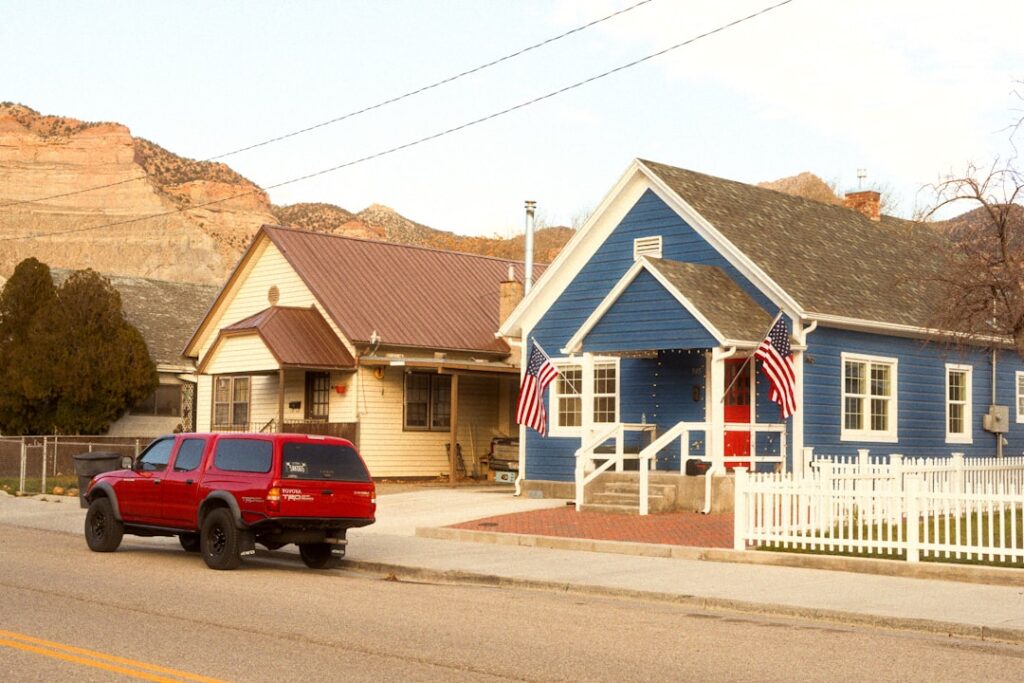
A home inspection Utah buyers commission typically costs $325 to $500 for a single-family home under 2,500 square feet, with mountain-town and Wasatch-back properties pushing higher because of larger lots, crawlspaces, and steep access. Utah is unusual in two ways that drive pricing: the state does not currently require a state-issued home inspector license, and the housing stock spans 1880s mining-era cottages in Park City to brand-new Lehi subdivisions. Both facts change what a buyer should ask for. This guide summarizes ASHI, InterNACHI, and ICC inspection practices current as of 2026 and is meant for general buyer education only — confirm any specific contract or licensing question with your real-estate attorney.
Part of our Home Inspections Explained guide — start there for the full picture →
How Much Does a Home Inspection Cost in Utah?
Most Utah buyers pay between $325 and $500 for a standard inspection on a home up to 2,500 square feet. NACHI’s national average sits near $400 for that size band, and Utah’s metros (Salt Lake County, Utah County, Davis County, Weber County) land within a few percent of that figure for typical post-1980 tract housing. Older homes in Sugar House, Avenues, Marmalade, downtown Ogden, and historic Provo neighborhoods often run $475 to $650 because inspectors spend more time on knob-and-tube wiring, galvanized supply lines, and clay sewer laterals.
Square footage is the single biggest pricing variable. A 4,000-square-foot home in Draper or Highland typically runs $525 to $700. Add-ons stack on top: a sewer-scope camera inspection adds $175 to $275, a radon test adds $150 to $200, and a separate detached structure (workshop, casita, ADU) usually adds $75 to $150. Buyers comparing quotes should ask whether the base fee includes the roof walk, attic entry, and crawlspace entry — some Utah inspectors itemize those, and a no-entry inspection misses the costliest defects.
Does Utah License Home Inspectors?
Utah does not have a state home-inspector license at the time of writing. That makes credentials especially important when vetting candidates. The two credentials buyers should look for are ASHI Certified Inspector (CI) and InterNACHI Certified Professional Inspector (CPI). Both require passing a national exam, completing supervised inspections, and following a written standard of practice. The ASHI Standard of Practice and the InterNACHI Standard of Practice both define exactly what is and is not included in a general home inspection — read whichever standard your inspector follows before signing the agreement.
Because there is no state board, complaints route to the trade association rather than a government regulator. ASHI publishes a member directory and a code of ethics, and InterNACHI runs a “Find an Inspector” tool with continuing-education records visible per member. A buyer’s best protection is paperwork: a written pre-inspection agreement, written scope, and a sample report from a recent comparable home.
Salt Lake County and Wasatch Front Specifics
Salt Lake, Davis, and Utah counties account for the majority of Utah inspections. Inspectors in this corridor see four issues over and over: expansive Lake Bonneville bench soils that crack basement walls, radon levels above the EPA action threshold of 4 pCi/L (the EPA classifies multiple Utah counties as Zone 1), aging galvanized supply lines in pre-1970 homes, and undersized electrical panels in homes that have since added central air. A general inspection will flag visible signs of each, but the report typically recommends a specialist for any one of them.
St. George, Cedar City, and Southern Utah
Washington and Iron counties have a different profile — newer construction, slab foundations rather than basements, and significant cooling loads. Inspectors here focus on roof condition (high UV exposure shortens asphalt-shingle life), evaporative cooler condition where present, and stucco/EIFS exterior systems that hide moisture damage. Fees are similar to the Wasatch Front. A buyer’s comparison of national average pricing benchmarks is a useful sanity check before signing.
What’s Included in a Standard Utah Inspection?
A general home inspection following ASHI or InterNACHI standards covers the visible, readily accessible portions of the structure, roof, exterior, plumbing, electrical, heating, cooling, interior, insulation, ventilation, and built-in appliances. The inspector observes and reports — they do not dismantle equipment, move stored items, or guarantee future performance. The typical Utah inspection runs three to four hours on site for an average home and produces a written report (often 40 to 80 pages with photos) within 24 to 48 hours.
Buyers should expect the inspector to walk the roof when slope and condition allow, enter the attic and crawlspace when access exists, operate all visible plumbing fixtures, test a representative sample of outlets, and cycle the heating and air-conditioning systems through one full cycle each. If snow, ice, or active weather prevents a roof walk, the report should say so explicitly and recommend a follow-up visit. Reviewing the full hiring-a-home-inspector framework ahead of the appointment helps a buyer know what questions to raise on site.
Common Add-On Tests in Utah
Three add-ons are worth budgeting for in Utah specifically. Radon is the biggest one — much of the Wasatch Front and the eastern Uinta Basin sits in EPA Radon Zone 1, meaning predicted average indoor radon exceeds 4 pCi/L. A short-term radon test during the inspection costs $150 to $200 and runs 48 hours minimum. A sewer-scope is the second priority for any home built before 1990, where Orangeburg pipe or clay laterals are common; this runs $175 to $275 and frequently uncovers root intrusion or belly sags that would cost $4,000 to $12,000 to repair. The third is a mold or moisture screening if the home has any visible staining, evaporative-cooler ductwork, or finished basements — Utah’s dry climate masks slow leaks for years.
How to Hire a Home Inspector in Utah
Start with the inspector’s credential and standard of practice, not the price. Confirm membership in ASHI or InterNACHI on the trade association’s directory rather than taking the inspector’s word for it. Request a redacted sample report from a comparable home — not a marketing PDF — and look for specific findings with photos, not boilerplate. Ask three follow-up questions: how many inspections has the inspector personally performed in the last 12 months, what does the pre-inspection agreement limit, and what is the report turnaround time?
Buyer attendance at the inspection is normal in Utah and strongly recommended. The walk-through is the most useful 90 minutes of the transaction — the inspector explains what’s serious, what’s cosmetic, and what’s worth re-negotiating. Plan to arrive in the last hour of the appointment. Bring questions about specific items from the seller’s disclosure. After the report arrives, the buyer’s agent typically drafts a repair-request addendum using the inspection findings as the basis. For broader context on inspection report repair-cost expectations, the repair-cost reading guide covers how to translate the report into negotiation strategy.
When to Call a Specialist
A general home inspector flags symptoms; specialists diagnose causes. Utah buyers commonly need three follow-ups after the general inspection. A structural engineer is warranted when the report notes foundation cracking wider than a pencil, sloped floors, or bowing basement walls — Utah’s expansive clay soils make this a recurring finding. A licensed plumber is warranted for galvanized supply-line replacement scoping or any sewer-scope finding. A licensed electrician is warranted for federal Pacific or Zinsco panels, knob-and-tube remnants, or aluminum branch wiring. Each specialist visit usually costs $150 to $350 and produces a written estimate the buyer can use in negotiation.
Wasatch Front Pricing Variance and Older Mining-Town Housing Stock
Pricing variance across Utah’s Wasatch Front is wider than a quick metro average suggests. A 2,200-square-foot 1995 tract home in Lehi or South Jordan reliably quotes at $375 to $425, while the same square footage in Park City, Heber, or the Avenues frequently quotes at $525 to $675 because the inspection requires significantly more on-site time. Park City inspections in particular run longer for three reasons: secondary structures (detached garages, ski-storage rooms, ADUs) require separate scopes at $75 to $150 each, snow-load roof systems need slope-and-eave review for ice-dam history, and the older mining-era stock in Old Town carries 1880s to 1920s building practices that demand careful documentation.
The eastern Wasatch (Park City, Midway, Heber) and the central-Utah mining towns (Helper, Price, Eureka) share an older-housing-stock profile that drives inspection scope beyond standard tract-home work. Inspectors in these markets routinely document hand-hewn timber framing, fieldstone or rubble foundations, ungrounded knob-and-tube circuits, and original mine-era plumbing materials (lead-jointed cast iron, occasional lead supply lines in pre-1930 structures). A buyer purchasing in this stock should budget $550 to $800 for the base inspection and plan on at least one specialist follow-up — a structural engineer for foundation, a licensed electrician for the electrical scope, or a licensed plumber for the supply-line assessment.
Snow-Country Roof Considerations
Mountain-town roofs in Park City, Sundance, Brian Head, Powder Mountain, and the Cottonwood Heights bench carry snow loads that flatlanders’ roofs do not, and the inspection consequences are specific. Inspectors here pay attention to four items: ice-dam history at eave lines (visible as staining or rot on fascia and soffit), heat-cable installation and condition where present, snow-retention systems (snow guards, snow rails) on metal roofs, and roof-pitch transitions where valleys can pond drift snow. A Utah snow-country roof inspection that finds no ice-dam evidence on a 20-year-old home is meaningful; finding repeated ice damming on a 5-year-old home is a strong indicator of inadequate attic insulation or roof-deck venting.
Asphalt-shingle life is also shorter at altitude. Above roughly 7,000 feet, UV exposure and freeze-thaw cycling typically pull 8 to 10 years off a shingle manufacturer’s rated lifespan. A 30-year architectural shingle installed in Park City at 7,000 feet is realistically a 20- to 22-year roof. Buyers should ask the inspector for an explicit roof age and condition estimate, not just a pass-fail; reroofs in mountain Utah run $12,000 to $25,000 for an average home, which is a meaningful negotiation lever when a 15-year-old shingle roof shows granular loss.
References
- ASHI Standard of Practice and Find-an-Inspector directory — American Society of Home Inspectors
- InterNACHI Residential Standards of Practice — International Association of Certified Home Inspectors
- EPA Radon Zones and state contact information — U.S. Environmental Protection Agency
- ICC residential building codes referenced in inspections — International Code Council
Frequently asked questions
Do home inspectors in Utah need a license?
Utah does not currently issue a state home-inspector license. Buyers should look for ASHI Certified Inspector or InterNACHI Certified Professional Inspector credentials, both of which require passing a national exam and adhering to a written standard of practice.
How long does a Utah home inspection take?
Plan on three to four hours on site for a typical single-family home of 2,000 to 3,000 square feet. Larger homes, older properties, or those needing roof and crawlspace entry can run five to six hours. Written reports usually arrive within 24 to 48 hours.
Should buyers add a radon test in Utah?
Yes — much of the Wasatch Front sits in EPA Radon Zone 1, where average indoor radon is predicted to exceed 4 pCi/L. A 48-hour short-term test added to the general inspection runs $150 to $200 and is widely recommended for any Utah purchase.
What does a sewer-scope cost in Utah and is it worth it?
Sewer-scopes run $175 to $275 in most Utah metros. For any home built before 1990 they are worth budgeting in — root intrusion and clay-lateral failure are common findings and repairs run $4,000 to $12,000.