Acceptable Radon Levels by State: What to Know
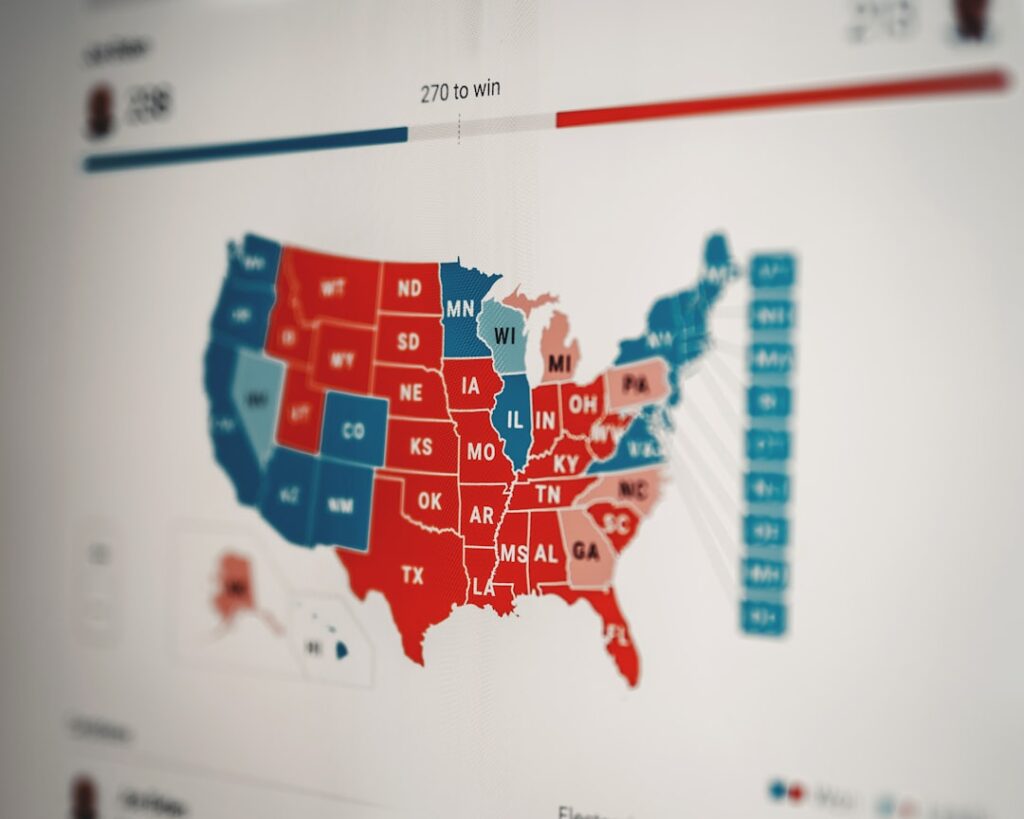
Homeowners comparing regions often ask about acceptable radon levels by state, expecting each state to set its own safe number. In reality, the health standard is national: the EPA’s action level of 4.0 pCi/L applies everywhere. What varies by state is not the acceptable level but the likelihood of high radon — a function of geology — and the testing or disclosure rules states layer on top. This guide explains the single national benchmark, how state radon zones differ, where Colorado and the Front Range fall, and what the numbers mean for testing decisions. It summarizes EPA and state guidance current as of 2026 and is educational only; consult a certified professional for testing and your physician for health concerns.
Part of our Radon Levels guide — start there for the full picture →
Is there an acceptable radon level that changes by state?
No. The health-based benchmark does not change by state. The EPA recommends the same action level nationwide: take steps to reduce radon at 4.0 pCi/L or higher, and consider mitigation between 2 and 4 pCi/L. No level is considered completely safe, because radon risk accumulates with dose over time. So “acceptable radon levels by state” really means two different things: the uniform action level (same everywhere) and the state-by-state probability of exceeding it (very different).
What states do set are testing, disclosure, and licensing rules — for example, requirements to test in real estate transactions or to license radon professionals. Those rules differ, but the 4.0 pCi/L health threshold does not. The radon testing guide covers how to act on that benchmark, and the radon test results guide explains how to interpret a reading against it.
How radon risk varies geographically
Radon comes from the natural decay of uranium in soil and rock, so indoor levels depend heavily on local geology. The EPA maps the country into three radon zones based on predicted average indoor levels:
Zone 1 counties have the highest predicted average indoor radon (above 4 pCi/L). Zone 2 counties fall in a moderate range (2 to 4 pCi/L predicted). Zone 3 counties have the lowest predicted averages (below 2 pCi/L). These zones describe probability, not a guarantee — a Zone 3 home can still test high, and a Zone 1 home can test low. That is why the EPA recommends every home be tested regardless of its zone. The agency’s map of radon zones shows the breakdown.
Why zones don’t replace testing
Two neighboring homes can produce very different readings because radon entry depends on soil, foundation type, cracks, and how the house is ventilated and pressurized. The zone tells you the odds, not your home’s actual level. Only a test reveals the real number, which is why the national guidance is to test every home rather than rely on a regional average.
Where Colorado and the Front Range fall
Colorado is a high-radon state. Many of its counties are classified in the highest zone, and the Colorado Department of Public Health and Environment reports that a large share of homes tested in the state come back above the EPA action level. The Front Range — Denver, Douglas, Arapahoe, Jefferson, Boulder, El Paso, and surrounding counties — sits squarely in this elevated-risk picture because of the region’s uranium-bearing geology and soils.
For Front Range homeowners, this means the practical answer to “what’s acceptable here?” is the same 4.0 pCi/L as everywhere — but the chance of exceeding it is well above the national average, making testing especially important. The broader stakes are detailed in high radon levels and what Front Range homeowners should know, and the cumulative-risk angle in how dangerous is radon.
Why neighboring homes can read so differently
The biggest misconception behind “acceptable levels by state” is that location reliably predicts a home’s reading. It does not, even at the neighborhood scale. Radon entry into a specific house depends on a chain of factors: the uranium content of the soil directly beneath it, the soil’s permeability, the foundation type and its cracks and openings, the presence of a sump or French drain, and how the house is heated and ventilated.
Two identical-looking homes on the same street can test very differently because one has a tighter slab, a different foundation, or a stack effect that draws more soil gas indoors. This is precisely why the EPA insists on testing every home rather than relying on the zone map or a neighbor’s result. The map tells a homeowner the odds are higher or lower; only a test in their own home gives the actual number.
It also means a previous owner’s old test, or a test from before a renovation, may no longer reflect current conditions. Foundation work, a new HVAC system, finishing a basement, or sealing and weatherizing a home can all change radon levels. Re-testing after significant changes keeps the reading current, as the radon measurement guide describes.
State rules that do differ
While the health threshold is uniform, states diverge on regulation. Some states require radon testing or disclosure in real estate transactions; others do not. Some license or certify radon measurement and mitigation professionals; others rely on national certification programs. A handful have adopted radon-resistant new-construction codes for high-risk areas.
Colorado, for instance, has moved toward licensing radon professionals and encourages radon-resistant construction in new homes in high-radon zones. Buyers and sellers should check current state and local requirements, since these affect transactions even though they do not change the safe level. Whether a test is required in a purchase is addressed in is a radon test required when buying a home.
Why “by state” is the wrong frame entirely
The persistent search for “acceptable radon levels by state” reflects an understandable but mistaken assumption that radon safety is a matter of state law or geography. The health-based action level is national and rooted in the cumulative lung-cancer risk radon poses, which does not change at a state border. A reading of 8 pCi/L is no safer in a low-radon state than in a high-radon one; the difference between states is only how likely a home is to reach that reading.
The more useful frame is the individual home. Geology, foundation, and how a house is operated determine its level, and only a test reveals it. State zone maps and regional averages are starting points for awareness, not substitutes for testing a specific property. A homeowner in a “low-radon” state who skips testing because the map looks reassuring can still be living above the action level, while a homeowner in a high-radon state can test low.
This is why every major guidance source recommends testing every home regardless of location. The state matters for the odds and for transaction or licensing rules, but the decision to act rests on the home’s own measured number against the universal 4.0 pCi/L benchmark, as the radon test results guide explains.
What the numbers mean for testing decisions
The takeaway for any homeowner, in any state, is the same: test, then act on the result against the 4.0 pCi/L benchmark. A short-term test gives a fast screen; a long-term test or follow-up measurement gives a more representative annual average, which matters because radon levels fluctuate with season, weather, and how the home is operated. In colder months, closed-up homes often read higher, which is relevant across Colorado winters.
If a result lands at or above 4.0 pCi/L, mitigation is recommended; in the 2 to 4 range, homeowners may still choose to mitigate to reduce cumulative dose. The choice does not depend on which state line the home sits behind — it depends on the home’s measured level. For measurement options, see the radon testing device guide.
How the U.S. action level compares internationally
The EPA’s 4.0 pCi/L action level is a U.S. benchmark, and other authorities use different reference levels, which sometimes confuses homeowners researching radon. The World Health Organization, for example, suggests a lower reference level, and many countries set their own thresholds expressed in becquerels per cubic meter (Bq/m³). Roughly, 4.0 pCi/L equals about 148 Bq/m³, so comparing figures requires converting units.
The differences reflect policy choices about acceptable risk and feasibility, not disagreement that radon is harmful — all major health bodies agree the risk rises with exposure and that lower is better. The EPA’s own guidance acknowledges risk below 4.0 pCi/L, which is why it suggests considering action in the 2 to 4 range. For a U.S. homeowner, the practical reference remains 4.0 pCi/L for the action threshold, with the understanding that lower readings still carry some risk and that mitigating below 2 pCi/L is achievable with a good system.
The bottom line across every standard is the same: there is no safe level, lower is better, and testing is the only way to know where a specific home stands. The cumulative-risk basis for these levels is explained in the guide on how dangerous radon is.
What to do with a result, regardless of your state
The practical sequence after testing is the same in every state, because the benchmark is national. A result at or above 4.0 pCi/L calls for mitigation, which a properly designed system handles reliably, routinely bringing levels well below the threshold. A result between 2 and 4 pCi/L sits in a zone where the EPA suggests considering mitigation; many homeowners choose to mitigate to reduce cumulative exposure, especially in homes occupied long-term or with young children. Below 2 pCi/L, the level is relatively low, though periodic re-testing remains wise since levels drift over time and after home changes.
Two factors should weigh into the decision more than which state the home is in: how long the household will occupy the home, since exposure is cumulative, and whether anyone in the home smokes, since radon and tobacco smoke compound each other’s lung-cancer risk. A high reading in a home occupied for decades by a smoking household carries far more risk than the same reading in a briefly occupied space. The cumulative-risk basis is detailed in the guide on how dangerous radon is.
Mitigation is also relatively affordable and effective, which is why elevated radon rarely needs to be lived with. A standard active sub-slab depressurization system is the common solution, and homeowners can learn what one involves in the best radon mitigation system guide. The bottom line holds across all fifty states: there is no safe level, lower is better, and the right action is dictated by the home’s measured reading rather than by a state-specific “acceptable” number that does not actually exist.
Disclosure and testing in a home sale
Radon frequently enters a real estate transaction, and how it is handled varies by state and locality even though the health threshold does not. Some states require sellers to disclose known radon information or to provide a radon hazard pamphlet to buyers, and some transactions include a radon test as a standard contingency. Buyers should ask whether the home has been tested, what the result was, and when, since an old or seasonally skewed reading may not reflect current conditions.
When a transaction test comes back at or above the action level, it typically becomes a negotiation point rather than a deal-breaker. Because mitigation is relatively affordable and effective, buyers commonly request that the seller install a system before closing or provide a credit toward one. The documented result and any mitigation paperwork then follow the home for future disclosure.
On the Front Range, where elevated readings are common, radon testing is a routine part of many purchases, and buyers are well served by treating it as a default step. Whether a test is strictly required depends on local rules and the contract, but the practical wisdom is to test regardless, since the home’s actual level — not its state or zone — is what matters. The mechanics of testing during a sale are covered in the radon testing resources.
When to call a professional
Regardless of state or zone, every home should be tested for radon, and any home at or above the action level should be evaluated by a certified radon professional for mitigation. Buyers should test before or shortly after purchase, sellers should know their home’s level before listing, and all homeowners should re-test periodically. On the high-radon Front Range, testing is best treated as a routine part of homeownership rather than an optional extra.
References
- EPA Map of Radon Zones — U.S. Environmental Protection Agency
- Radon in Colorado — Colorado Department of Public Health and Environment
- Radon and Lung Health — American Lung Association
Frequently asked questions
Do acceptable radon levels differ by state?
No. The EPA's action level of 4.0 pCi/L applies nationwide. What varies by state is the geological likelihood of high radon and the testing, disclosure, and licensing rules states adopt, not the health-based threshold itself.
What are EPA radon zones?
The EPA maps counties into three zones by predicted average indoor radon: Zone 1 (highest, above 4 pCi/L), Zone 2 (moderate, 2 to 4), and Zone 3 (lowest, below 2). The zones indicate probability, not a guarantee, so every home should still be tested.
Is Colorado a high-radon state?
Yes. Many Colorado counties, including much of the Front Range, fall in the highest radon zone, and a large share of tested homes exceed the EPA action level. The acceptable level is still 4.0 pCi/L, but the chance of exceeding it is high.
What radon level should prompt mitigation?
The EPA recommends mitigation at 4.0 pCi/L or higher and suggests considering it between 2 and 4 pCi/L. The decision depends on your home's measured level, not on which state you live in.
Front Range homeowners who want to know how their home compares to the action level can get in touch through our contact page to connect with a certified local radon professional.
Test your home for radon
Radon is invisible and odorless, so a test is the only way to know your level. A short-term kit gives a first reading in days; a digital monitor tracks it over time.
| Product | Why | Buy |
|---|---|---|
 AirChek Charcoal Radon Test Kit AirChek Charcoal Radon Test Kit | Lab fee usually included; EPA short-term protocol. | Amazon — $21.95 |
 First Alert RD1 Radon Test Kit First Alert RD1 Radon Test Kit | Widely stocked; 48-hour charcoal test. | Amazon — $16.98 |
 Airthings Corentium Home Airthings Corentium Home | Digital monitor with a long-term average. | Amazon — $147.14 |