Radon Sickness Symptoms: What Homeowners Need to Know
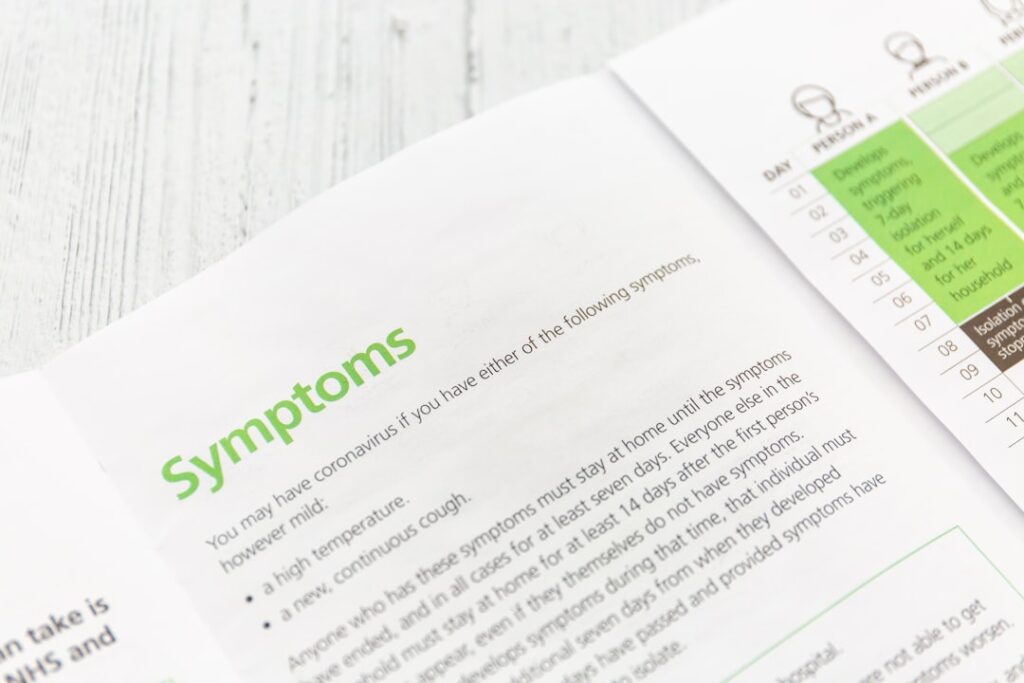
Despite the popular search term “radon sickness symptoms,” radon exposure does not cause acute sickness of any kind. There is no detectable sign, sensation, or sickness that an individual can feel or observe in the days, weeks, or months after radon exposure. The phrase “radon sickness” is itself a misnomer — radon does not produce a syndrome that resembles a sickness in the conventional sense. The only known health effect of radon exposure is increased long-term lung cancer risk, manifesting five to twenty-five or more years after sustained elevated exposure. EPA and the Surgeon General estimate radon causes approximately 21,000 lung cancer deaths per year in the United States — the second leading cause of lung cancer after smoking. Any respiratory symptom, persistent cough, sickness, or lung-related concern should be evaluated by a physician immediately. Such symptoms are not caused by recent radon exposure and require independent medical evaluation. This guide summarizes EPA, CDC, and Surgeon General guidance current as of 2026.
Part of our Radon Levels guide — start there for the full picture →
Why “Radon Sickness” Is the Wrong Vocabulary
The word “sickness” implies an acute or sub-acute illness with detectable symptoms. Radon does not produce such an illness at any environmental concentration. The radioactive decay of inhaled radon progeny deposits alpha-particle energy in lung tissue silently, with no inflammation, immune activation, respiratory irritation, or any other process that resembles a sickness. The exposed person feels no different on the day of exposure than on any other day. Years to decades later, accumulated DNA damage in lung cells may produce lung cancer, but lung cancer is a disease, not a “radon sickness.” Calling lung cancer a “radon sickness” obscures both the cause-effect relationship and the biological reality.
The public-health agencies have spent decades explaining this. EPA’s Citizen’s Guide to Radon, the Surgeon General’s National Health Advisory, CDC publications, and the American Lung Association’s radon resources all use the same framing: radon is a long-term lung cancer risk factor with no acute symptoms. Pages that catalog “radon sickness symptoms” with lists of generic respiratory complaints are misleading regardless of their search rank, because they imply a clinical entity that does not exist.
What Symptoms Cause Sickness — And They Are Not Radon
Most respiratory symptoms have well-defined causes that warrant a physician’s evaluation. Persistent cough lasting more than three weeks may indicate asthma, allergy, infection, COPD, post-nasal drip, gastroesophageal reflux, or lung cancer from various causes. Unexplained shortness of breath can indicate cardiac conditions, pulmonary embolism, chronic lung disease, anemia, or anxiety. Chest pain not associated with exertion can indicate musculoskeletal causes, gastroesophageal causes, anxiety, or — less commonly — cardiac and pulmonary causes that require urgent attention. Coughing up blood always warrants prompt physician evaluation. Recurrent respiratory infections may indicate immunological conditions or structural lung disease. Unexplained weight loss in conjunction with respiratory symptoms warrants malignancy workup.
None of these symptoms point to radon as a cause in the acute sense, because radon does not cause acute symptoms. A patient with documented long-term radon exposure and active respiratory symptoms is on a higher-risk pathway for the lung-cancer differential, and the physician will factor that history into the workup. But the symptoms themselves require evaluation regardless of any radon question — the workup is the same.
Why the Search Term Persists
The persistence of the “radon sickness symptoms” search reflects three intersecting factors. First, most environmental hazards do produce symptoms — carbon monoxide poisoning, mold exposure, chemical toxicity, infectious agents — and the public reasonably expects radon to behave the same way. Second, the multi-decade latency between radon exposure and clinical lung cancer is genuinely difficult to communicate. Third, search engines surface pages that match query keywords regardless of whether the page reflects the public-health consensus, which produces a feedback loop that perpetuates the misframing.
The constructive response is to compare any “radon sickness” content against the EPA Citizen’s Guide and the Surgeon General’s advisory. The authoritative sources are unanimous on the no-acute-symptoms point. Any source contradicting the consensus is operating outside it.
What “Long-Term” Really Means in Latency
The lung-cancer latency from radon exposure is well-documented in peer-reviewed epidemiology. Uranium-miner cohorts, who experienced higher concentrations than typical residential exposures, show cancers appearing 5 to 30 years after exposure began. Residential case-control studies indicate similar latency ranges for the lower-but-sustained exposures of indoor environments. The latency does not mean the damage waits to begin — DNA-damage accumulation starts with the first inhalation. The latency reflects the multi-decade process by which damaged cells progress through pre-cancerous stages before becoming clinically detectable cancer.
The implication is that a “sickness” framing for radon is biologically wrong on the timeline. A sickness implies acute or sub-acute onset. Radon-attributable lung cancer is the opposite — a slow, silent accumulation that produces a disease decades later. Reducing radon at any point in that timeline reduces future risk, even after years of prior exposure, because additional cumulative dose is the modifiable variable.
Carbon Monoxide vs Radon
Part of the confusion comes from conflation with carbon monoxide. Carbon monoxide poisoning at meaningful concentrations causes headache, dizziness, nausea, confusion, and (at high concentrations) loss of consciousness and death within minutes to hours. Carbon monoxide is acutely toxic because it binds hemoglobin and prevents oxygen transport. Carbon monoxide alarms exist because the symptoms can be mistaken for flu or other minor illnesses until the exposure becomes life-threatening.
Radon shares with carbon monoxide the property of being colorless and odorless, but the resemblance ends there. Radon does not bind hemoglobin, does not interfere with oxygen transport, and does not produce any acute toxic symptom at any environmental concentration. Carbon monoxide alarms exist because acute exposure can be detected by a sensor; radon does not have a comparable acute-alert pathway because there is no acute exposure scenario to alert against. The two gases are different categories of hazard and should not be reasoned about with the same mental model.
Long-Term Risk in Numbers
EPA’s risk estimates for sustained residential exposure are: at 4 pCi/L, approximately 7 lifetime deaths per 1,000 never-smokers and approximately 62 per 1,000 current smokers, assuming 70 years of exposure. The risk roughly doubles at 8 pCi/L and roughly quintuples at 20 pCi/L. The dose-response curve is linear across the residential range with no identified safe threshold. The smoking-radon interaction is multiplicative — smokers exposed to elevated radon have lifetime risk roughly nine times that of never-smokers at the same concentration.
These numbers describe a population-level statistical risk over decades. They are useful for understanding why the testing-and-mitigation framework exists and why public-health agencies prioritize the topic. They are not predictive of any individual outcome and do not warrant attention to subjective symptoms in the absence of independent medical reasons.
When to See a Physician
The right time to see a physician is whenever a respiratory symptom warrants evaluation — not when the homeowner is wondering whether radon is involved. Persistent cough lasting more than three weeks, unexplained shortness of breath, chest pain not associated with exertion, coughing up blood, recurrent respiratory infections, and unexplained weight loss should all prompt a primary-care visit. The differential diagnosis is broad and includes lung cancer from any cause. Disclosure of any known prior radon exposure helps the physician contextualize the risk, but it does not change the immediate priority of evaluating the symptom.
For asymptomatic individuals concerned about historic radon exposure, the appropriate conversation with the physician is about lung-cancer screening eligibility. Low-dose CT screening is the current standard for high-risk individuals defined by age (50 to 80) and smoking history. Radon exposure is not by itself a standard screening criterion, but the physician will factor it into the overall risk assessment alongside other contributors.
The Right Action: Test the Home, Not the Body
The constructive response to concern about radon is to test the air in the home. There is no body-based test, sensation, or sickness that provides equivalent information. A 48-hour continuous-monitor test by a certified provider costs $125 to $250 in Front Range markets. A short-term charcoal kit costs $25 to $75. The CDPHE Radon Program distributes free mail-in kits to Colorado residents while supplies last. The free Colorado kit guide covers the request process, and the local radon testing guide covers paid provider vetting.
If the test returns above the EPA action level of 4 pCi/L, the next step is a sub-slab depressurization mitigation system from a certified mitigator. Standard Front Range mitigation runs $1,500 to $3,500 and typically reduces indoor concentration to below 2 pCi/L. The radon testing pillar walks through the full testing-mitigation decision framework.
Anxiety and the Symptom Search Loop
The repeated search for “radon sickness symptoms” can itself become a source of anxiety, particularly for homeowners who have recently learned their home tests above the EPA action level. Anxiety produces real physical sensations — tightness in the chest, shallow breathing, dizziness — that can be mistaken for evidence of the very disease being feared. The combination of accurate concern about long-term risk and inaccurate attribution of acute symptoms creates a loop that worsens both the experience and the decision-making. The constructive exit from the loop is to address the actual risk factor (the home’s radon concentration) through testing and mitigation, address any active symptoms through a primary-care physician, and avoid further symptom-search activity that generates no useful information.
For the Person Convinced Something Is Wrong
A reader who has searched “radon sickness symptoms” because they feel unwell and suspect radon should know two things. First, radon is not the cause of acute symptoms — whatever is producing the symptoms has a different cause that warrants prompt medical attention. Second, the way to address concern about radon is to test the home; the way to address symptoms is to see a physician. Both actions deserve attention, and neither substitutes for the other. Treating an undiagnosed symptom as if it must be radon delays the medical workup and produces no useful information. Conversely, testing the home does not require any symptoms and is worth doing on its own merits.
Bottom Line
“Radon sickness symptoms” describes a clinical entity that does not exist. The phrase combines a real exposure factor with a wrong-shape disease model. The real exposure factor — sustained elevated indoor radon — produces long-term lung cancer risk over decades, not an acute sickness. The right response to the concern that motivates the search is to test the home and to see a physician for any active symptom independently.
References
- EPA health risk of radon — Environmental Protection Agency
- CDC radon overview — Centers for Disease Control and Prevention
- American Lung Association radon resources — Lung.org
- NIH research on residential radon and lung cancer — National Institutes of Health
Frequently asked questions
Does radon cause a sickness?
No. Radon does not cause an acute sickness, syndrome, or clinical entity called 'radon sickness.' The only known health effect is increased long-term lung cancer risk, manifesting 5 to 25 or more years after sustained elevated exposure. Acute symptoms warrant a physician's evaluation for non-radon causes.
I feel sick — could it be radon?
No, not in the acute sense. Radon does not cause sickness that an individual can feel. Whatever is producing the symptoms has a different cause that warrants prompt medical attention. See a primary-care physician for evaluation and test the home separately if radon status is unknown.
Are there any short-term effects of radon exposure?
No detectable short-term effects exist. Radon decay products deposit alpha-particle energy in lung tissue without producing any inflammation, sensation, or measurable physiological change in the short term. The exposed person feels no different on the day of exposure than on any other day.
How do I know if I have been affected by radon?
You cannot know by attention to your body. The only sign of exposure is a radon test of the air in your home. The only sign of lung cancer is a medical workup including imaging and possibly biopsy. Neither test substitutes for the other, and both have their own indications.
Front Range homeowners with concerns about radon can reach our team through the contact page for a referral to a certified tester or mitigator.
Test your home for radon
Radon is invisible and odorless, so a test is the only way to know your level. A short-term kit gives a first reading in days; a digital monitor tracks it over time.
| Product | Why | Buy |
|---|---|---|
 AirChek Charcoal Radon Test Kit AirChek Charcoal Radon Test Kit | Lab fee usually included; EPA short-term protocol. | Amazon — $21.95 |
 First Alert RD1 Radon Test Kit First Alert RD1 Radon Test Kit | Widely stocked; 48-hour charcoal test. | Amazon — $16.98 |
 Airthings Corentium Home Airthings Corentium Home | Digital monitor with a long-term average. | Amazon — $143.65 |