Radon Mitigation in Erie, Colorado | InspectandTest
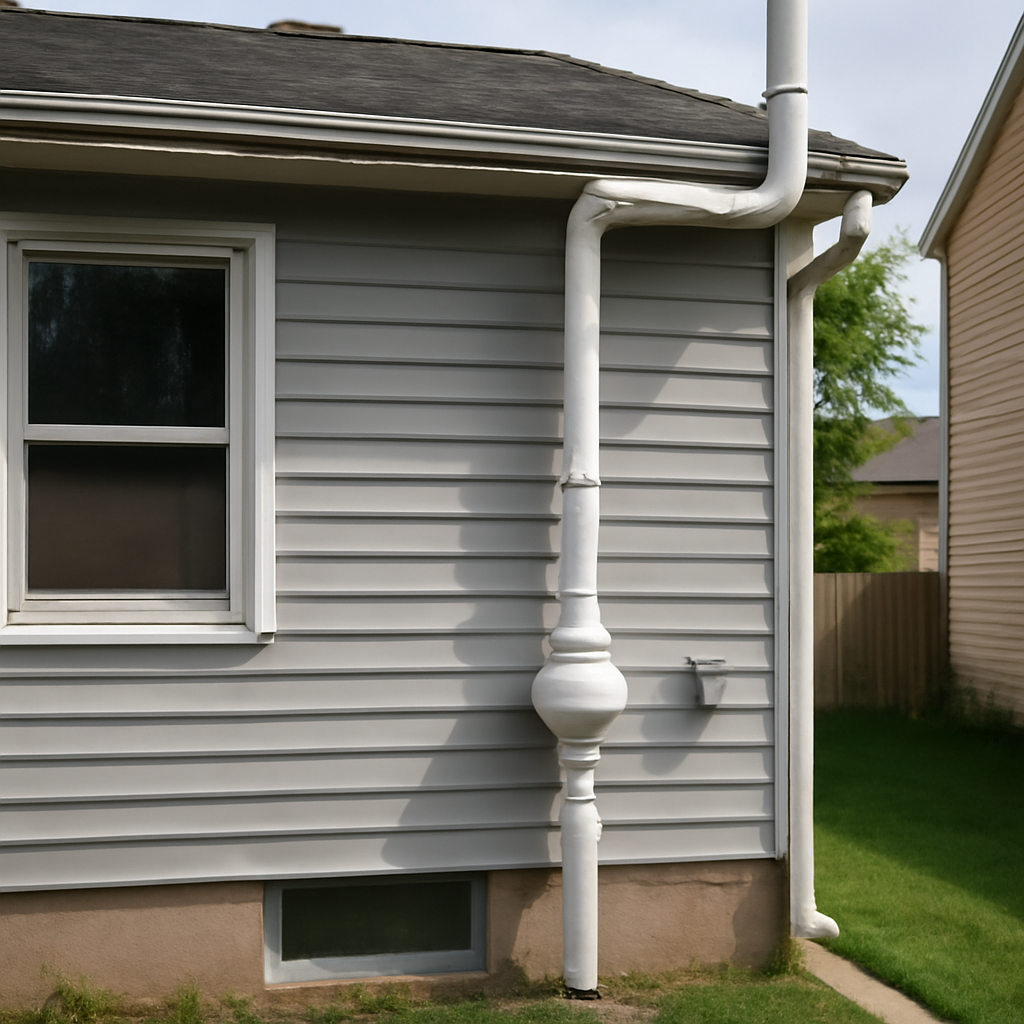
Erie sits in EPA Radon Zone 1, the highest-risk category, where the predicted average indoor radon level meets or exceeds the 4 pCi/L action threshold. When a test in one of Erie’s finished-basement homes comes back at or above that line, mitigation is the fix that brings it down. Radon is a colorless, odorless radioactive gas and the second-leading cause of lung cancer after smoking. This page explains how radon mitigation erie homeowners should approach, how the systems work on local housing, and what they cost. This summary reflects EPA and CDPHE guidance current as of 2026; consult a certified mitigation professional for your specific home.
Part of our Radon Mitigation Systems guide — start there for the full picture →
Radon mitigation in Erie: what to know
Radon mitigation is the process of reducing indoor radon to a safe level, usually with an active system that vents soil gas before it enters the home. The most common and effective approach is sub-slab depressurization, which uses a fan and a sealed pipe to draw radon from beneath the foundation and exhaust it above the roofline. A properly designed system routinely brings readings from well above 4 pCi/L down to 2 pCi/L or lower.
In Erie, mitigation usually follows a test that exceeded the action level, often in a finished basement in Colliers Hill, Vista Ridge, or Flatiron Meadows. If you have not yet tested, start there; our guide to radon testing in Erie explains how to get a defensible number before committing to a system. Mitigation without a confirmed elevated test is premature, while ignoring a confirmed high reading leaves a known risk in place.
A mitigation system is permanent equipment, not a one-time treatment. It runs continuously, and a post-installation test confirms it brought the level down. EPA guidance calls for re-testing every couple of years afterward and after any major home change, because a remodel or a new furnace can shift the pressure balance the system depends on. For the science behind why radon accumulates and how reduction works, our plain-language radon guide for Front Range homeowners covers the fundamentals.
Why Erie homes need radon mitigation
Geology sets up the problem. Radon comes from uranium decay in soil and rock, and the plains-edge formations beneath Erie, on the former Northern Coal Field, release it readily into soil gas. The dominant local housing, 2000s-to-2020s homes with large finished basements, puts living space against that soil and gives radon multiple entry points through slab cracks, control joints, and sump pits.
Climate drives it indoors. Cold Colorado winters keep Erie homes sealed for months, and furnaces create a slight negative pressure that actively pulls soil gas through foundation openings. The energy-efficient construction common in newer Erie subdivisions traps that gas once it enters, because limited air exchange means radon does not dilute out. A finished basement bedroom or office becomes the highest-exposure room precisely because it combines maximum soil contact with the most time spent there.
Mitigation matters because no amount of ventilation or sealing alone reliably solves an elevated reading. The EPA identifies active sub-slab depressurization as the most dependable reduction method, and in a Zone 1 community like Erie, where elevated finished-basement readings are common, a permanent system is the standard response. The CDC ties long-term radon exposure to lung cancer, which is why bringing a confirmed high level down is treated as a health step, not a cosmetic one.
What an Erie radon mitigation system covers
A standard active system is engineered to the specific home. An installer assesses the foundation, locates the best suction point, and installs the components that move soil gas out before it reaches living space.
Sub-slab depressurization
The installer cores a hole through the basement slab, creates a suction pit beneath it, and runs sealed PVC pipe to an inline fan that exhausts above the roofline. The fan creates a low-pressure field under the slab so soil gas flows into the pipe instead of into the basement. On Erie’s finished basements, routing the pipe cleanly through finished space without disrupting the living area takes planning, which is part of what a good installer earns.
Sealing and a system monitor
The installer seals slab cracks, control joints, and the sump lid to improve suction efficiency, then adds a manometer, a simple pressure gauge that shows the system is running. A post-installation radon test, typically after 24 hours of operation, confirms the level dropped below 4 pCi/L. If the home needs a backup, our guide to radon mitigation in Boulder County covers the same approach at the county level.
Radon mitigation cost in Erie
A typical active sub-slab depressurization system in the Erie market runs about $1,200 to $2,500, with most homes falling in the $1,500 to $2,000 range. The price depends on foundation type, the number of suction points needed, the length and routing of the pipe through finished space, and whether a sump or drain tile system has to be tied in. Finished basements can add labor because the pipe must be routed and concealed.
Set that cost against the benefit. A roughly $1,800 system that takes a basement from 8 pCi/L to under 2 pCi/L cuts radon exposure by 90 percent or more for as long as the family lives there, with only modest electricity and an occasional fan replacement as ongoing cost. Against the EPA’s estimate of thousands of radon-linked lung-cancer deaths a year, that is a strong return for a one-time installation.
Operating cost is small. The continuous fan adds a few dollars a month to electricity, and a quality fan lasts years before replacement. For a one-time investment plus minimal upkeep, mitigation permanently addresses a risk that would otherwise remain invisible in the home, which is why it is treated as standard rather than optional in Zone 1 Erie.
What affects radon mitigation cost in Erie
The spread between a $1,200 and a $2,500 system in Erie comes down to a handful of variables a good installer will walk through before quoting. Foundation type is the largest: a single poured slab under a Colliers Hill or Flatiron Meadows home usually takes one suction point and a standard fan, the lower-cost case, while a home with multiple foundation sections, a separate garage slab, or a poorly connected sub-slab gravel layer may need two suction points and more pipe, pushing the price up. The number of cracks and openings that must be sealed, and how much of the basement is finished, also moves the figure, because routing and concealing pipe through finished Vista Ridge or Erie Highlands living space adds labor a bare unfinished basement would not.
Pipe routing is the other major lever. Running the exhaust up an interior chase to exit at the roofline costs more labor than venting straight out an exterior wall and up the side of the house, but it produces a cleaner appearance that matters in Erie’s HOA-governed newer subdivisions. A sump pit that has to be sealed and tied into the system, expansive-soil conditions that complicate the slab penetration, or a long horizontal run to reach a discreet exit point all add to the total. Old Town Erie homes can sit at either end depending on whether the installer is working with a modern slab or an irregular older foundation that demands a custom suction strategy.
Against any of these, the ongoing cost stays small, a few dollars a month of electricity and an eventual fan replacement, so the variation is almost entirely in the one-time install. An installer who explains which of these factors applies to your specific home, rather than quoting a flat number sight unseen, is the one giving you an honest price.
Colorado regulations and disclosure
Colorado requires radon disclosure in residential real-estate transactions, and the Seller’s Property Disclosure asks sellers to report known radon results and any existing mitigation system. A documented, professionally installed system with a passing post-installation test is an asset in a sale, signaling the issue is addressed. CDPHE runs the state radon program and references the 4 pCi/L action level, and while Colorado does not license home inspectors, confirming an installer follows AARST or recognized national mitigation standards protects the homeowner.
Disclosure benefits a prepared seller. In Erie’s active market, a clean post-mitigation result removes radon as a negotiating point, while an unaddressed high reading discovered during the buyer’s inspection usually leads to a credit or a delayed closing. Installing and documenting a system before listing turns a liability into a selling point.
Neighborhoods and areas served
Mitigation demand in Erie follows the finished-basement housing: Vista Ridge, Erie Highlands, Colliers Hill, and Flatiron Meadows generate most systems, while Old Town Erie’s older homes occasionally need creative routing through crawl spaces and historic finishes. Service typically extends to adjacent Lafayette, Longmont, Frederick, Broomfield, and Dacono, all in the same Zone 1 footprint where elevated readings are common.
Because Erie spans Boulder and Weld counties, the soil-gas conditions that justify mitigation are consistent across the whole town. A home on either side of the county line faces the same Zone 1 risk, so a confirmed elevated reading is treated the same way regardless of neighborhood. The system design adapts to the foundation, not the county.
How to choose an Erie radon mitigation provider
Ask whether the installer is certified through a recognized program such as AARST/NRPP, guarantees a post-installation result below 4 pCi/L, and provides a written warranty on the fan and workmanship. A good provider explains where the suction point will go, how the pipe will route through your finished basement, and what the post-test will show before any work begins.
Get the post-installation test in writing. A reputable installer re-tests after the system runs and documents that the level dropped, rather than asking you to trust that it worked. For a finished Erie basement, ask how they will conceal the interior pipe and where the exterior fan and exhaust will sit, since placement affects both appearance and effectiveness.
Pairing mitigation with a broader look at the home is efficient when buying or selling; our coverage of home inspection in Erie explains how radon fits alongside the full evaluation. An installer who stands behind a guaranteed result and documents it is worth more than one who quotes the lowest price without a performance commitment.
Consider the system’s placement and appearance up front. In Erie’s newer subdivisions, where exterior aesthetics and HOA standards often matter, the choice between running the exhaust pipe up an exterior wall versus routing it interior through the home to exit at the roofline affects both looks and resale. A thoughtful installer discusses these options before drilling, since the most discreet routing usually costs a bit more labor but avoids a conspicuous pipe on a front-facing wall. For a finished basement, asking where the interior pipe will run and how it will be boxed in or concealed prevents an unwelcome surprise after the work is done.
Plan for verification and the occasional follow-up. A well-installed Erie system should hold its reduction for years, but the EPA’s guidance to re-test periodically still applies, because a failed fan, a disconnected pipe, or a major remodel can quietly undermine performance. The manometer on the system gives a quick visual check, an unexpected change in the gauge signals a problem, but a periodic radon re-test is the only true confirmation the level remains low. A good installer explains how to read the manometer and when to re-test, so an Erie homeowner can keep confidence in the system long after installation day.
References
- Consumer’s guide to radon reduction — U.S. Environmental Protection Agency
- Colorado radon program — Colorado Department of Public Health and Environment
- Radon and lung cancer — Centers for Disease Control and Prevention
Frequently asked questions
How much does radon mitigation cost in Erie?
A typical active sub-slab system runs about $1,200 to $2,500, with most homes in the $1,500 to $2,000 range. Finished basements can cost more because the pipe must be routed and concealed through living space.
How does a radon mitigation system work?
The most common system, sub-slab depressurization, uses a sealed pipe and a fan to draw soil gas from beneath the foundation and vent it above the roof, so radon never reaches the basement. It runs continuously.
Will mitigation really lower my radon level?
A properly designed active system routinely brings readings from well above 4 pCi/L down to 2 pCi/L or lower. A post-installation test confirms the reduction, which a reputable installer documents in writing.
Does a radon system cost much to run?
No. The continuous fan adds only a few dollars a month to electricity, and a quality fan lasts years before it needs replacing. The main cost is the one-time installation.
Should I test before mitigating in Erie?
Yes. Mitigation should follow a confirmed test at or above 4 pCi/L. Testing first gives you a defensible baseline number and confirms the system worked when you re-test afterward.
Why do some Erie mitigation quotes vary so much?
Price depends on foundation type, the number of suction points, how much finished basement the pipe must route through, and whether the exhaust runs discreetly through the interior or up an exterior wall. A finished Vista Ridge basement with interior routing costs more than a single suction point in an unfinished slab.
If a test in your Erie home came back at or above 4 pCi/L, a properly installed mitigation system brings it down for good. To connect with a vetted local installer who guarantees a post-installation result, get in touch through our contact page.
Test your home for radon
Radon is invisible and odorless, so a test is the only way to know your level. A short-term kit gives a first reading in days; a digital monitor tracks it over time.
| Product | Why | Buy |
|---|---|---|
 AirChek Charcoal Radon Test Kit AirChek Charcoal Radon Test Kit | Lab fee usually included; EPA short-term protocol. | Amazon — $21.95 |
 First Alert RD1 Radon Test Kit First Alert RD1 Radon Test Kit | Widely stocked; 48-hour charcoal test. | Amazon — $16.98 |
 Airthings Corentium Home Airthings Corentium Home | Digital monitor with a long-term average. | Amazon — $143.65 |