Radon Mitigation in Fountain, Colorado | InspectandTest

Fountain sits in EPA Radon Zone 1, the highest-risk category, on uranium-bearing high-plains soils in El Paso County just south of Colorado Springs and beside Fort Carson. When a test comes back at or above the 4 pCi/L action level, the next step is mitigation, the engineered system that pulls radon out from under a home before it enters living space. At roughly 5,500 feet with long sealed winters, Fountain’s homes both draw and trap soil gas, which is why mitigation is common here. This page explains how radon mitigation fountain homeowners should approach the fix, how the systems work, and what they cost. This summary reflects EPA and CDPHE guidance current as of 2026; consult a certified mitigation professional for system design.
Part of our Radon Mitigation Systems guide — start there for the full picture →
Radon mitigation in Fountain: what to know
Radon mitigation reduces the gas inside a home to a safe level, almost always by installing an active sub-slab depressurization system. A fan draws soil gas from beneath the foundation slab and vents it above the roofline, where it disperses harmlessly. A well-designed system routinely cuts radon by 90 percent or more, often bringing a 9 pCi/L home well below the action level.
Mitigation follows testing, not the other way around. A confirmed reading at or above 4 pCi/L is the trigger. If you have not yet tested, our guide to radon testing in Fountain covers how to get a defensible number first, and the broader radon guide for Front Range homeowners explains why Zone 1 makes this a routine local expense.
The reason mitigation is so common in Fountain is the same reason testing is: the entire city sits in Zone 1, where uranium-bearing soils feed radon into homes through every slab crack and crawl-space opening. A mitigation system does not seal those entry points one by one; it reverses the pressure that drives gas indoors, capturing it under the slab and routing it outside before it can accumulate.
A properly installed system is also quiet and low-maintenance. The fan runs continuously, draws little power, and includes a manometer, a simple U-tube gauge, that shows at a glance whether the system is working. For a Fountain homeowner, that gauge is the everyday assurance that the radon problem stays solved through the long sealed winter.
Why Fountain homes need radon mitigation
Zone 1 geology makes elevated readings common enough that mitigation is a normal part of homeownership here. The uranium in El Paso County’s high-plains soils sits directly under local foundations, so a meaningful share of Fountain homes test above 4 pCi/L. When they do, mitigation is the only reliable way to bring exposure down; ventilation and sealing alone rarely hold a Zone 1 home below the action level.
Sealed winters make the fix matter more. Through Fountain’s long cold season, homes stay closed and furnaces pull soil gas indoors, so the months when families spend the most time inside are also when radon peaks. A mitigation system works hardest exactly when it is needed most, maintaining negative pressure under the slab regardless of how tightly the house is sealed against the cold.
Finished basements concentrate the need. The 1990s-through-2020s homes in Mesa Ridge, Cross Creek, and Ventana often have finished lower levels used as bedrooms and offices, placing occupied space in the most soil-contacted part of the house. Mitigating those homes protects the rooms where exposure would otherwise be highest, which is the whole point of the system.
Older homes complicate the install. Pre-1978 houses in Old Fountain may have crawl spaces, multiple foundation types, or settled slabs that require a custom approach, such as a sub-membrane system over a crawl space. The variety of Fountain’s housing stock is why a mitigation system is engineered to the specific home rather than installed from a template.
What a Fountain radon mitigation system covers
A standard active sub-slab depressurization system starts with a suction point cut through the basement slab into the soil or aggregate below. A sealed pipe runs from that point up through the home or along an exterior wall to a fan, typically mounted in an attic or outside, that vents above the roofline.
System design for the home
The installer evaluates the foundation, the slab condition, and the sub-slab material to size the fan and locate suction points. A tight, low-permeability soil may need more than one suction point to achieve adequate depressurization. Existing slab cracks, control joints, and the sump pit are sealed so the fan draws from the soil rather than pulling conditioned air out of the house.
Crawl spaces and mixed foundations
Many Fountain homes, especially older ones, include crawl spaces. There, mitigation often uses a sealed vapor barrier across the soil with suction drawn from beneath it, a sub-membrane system. Homes with both a basement and a crawl space may need a combined design. The system is matched to the foundation, which is why a competent installer assesses the home before quoting.
Radon mitigation cost in Fountain
A typical residential radon mitigation system in the Fountain and Colorado Springs market runs about $1,200 to $2,500 installed, with most standard basement homes landing near the middle of that range. Homes that need multiple suction points, crawl-space membranes, or long or concealed pipe runs sit at the higher end.
That cost is a one-time investment against a permanent risk. Against the roughly $200 it takes to test and confirm a problem, a $1,500 system that drops a 9 pCi/L home below 2 pCi/L is among the better dollar-for-health-benefit decisions a Fountain homeowner can make. The fan uses little electricity, and routine maintenance is minimal.
In a real-estate context, mitigation cost often becomes a negotiation item. A Fountain seller may install a system to satisfy a buyer’s contingency, or the parties may agree on a credit so the buyer can install one after closing. For a military buyer on a PCS timeline, a pre-installed and verified system is one less thing to manage during a compressed move.
Colorado regulations and disclosure
Colorado now requires radon mitigation professionals to be licensed by the state, a meaningful change from the prior reliance on national certification alone. Confirm your installer holds the current Colorado license and follows recognized mitigation standards. The Seller’s Property Disclosure asks sellers to report any existing mitigation system, so a documented install is part of the transaction record.
After installation, EPA and CDPHE guidance calls for a post-mitigation test to confirm the system brought levels below 4 pCi/L. A reputable Fountain installer includes or arranges that verification test rather than assuming the system worked. The manometer shows the fan is running, but only a follow-up measurement proves the radon level actually dropped.
Neighborhoods and areas served
Mitigation work spans Fountain. Finished-basement homes in Mesa Ridge, Cross Creek, Ventana, and Cumberland Green typically get standard sub-slab systems, while older Old Fountain homes near the creek corridor more often need crawl-space membranes or custom designs for mixed foundations. Each home is assessed individually.
Service generally extends to adjacent Colorado Springs, Security-Widefield, and the Fort Carson housing area, all in the same Zone 1 footprint where mitigation is routine. For a regional perspective on how mitigation is handled across the county, see our guide to radon mitigation in El Paso County, which places Fountain’s systems in context.
How to choose a Fountain radon mitigation provider
Confirm the installer holds Colorado’s radon mitigation license and follows national mitigation standards. A strong provider assesses the foundation in person, explains where suction points will go and where the fan will vent, and warranties the system to bring levels below the action level. Be cautious of any quote given without seeing the home.
Ask whether a post-mitigation test is included. A system that is installed but never verified leaves you trusting the fan without proof the radon dropped. A reputable Fountain installer arranges that follow-up test and provides the documented before-and-after numbers, which also matter if the home is later sold.
Finally, ask about the fan warranty, expected service life, and what maintenance the system needs. Radon fans typically last years but do eventually fail, and a clear warranty plus a working manometer means you will know if the system ever needs attention through a long Fountain winter rather than discovering a silent failure later.
How mitigation differs across Fountain homes
No two Fountain mitigation systems are identical because the city’s foundations are not identical, and an installer’s design follows the home rather than a template. In the finished-basement homes of Mesa Ridge, Cross Creek, and Ventana, the typical approach is a single sub-slab suction point cut through the basement floor, with the pipe routed up an interior chase or closet to a fan in the attic that vents above the roofline. These homes usually have a solid slab and a sump pit, both of which the installer seals so the fan draws from the soil rather than pulling conditioned air out of the living space. Where the slab sits over tight, low-permeability soil, the installer may add a second suction point to achieve adequate depressurization across the full footprint.
Older Old Fountain homes near the creek corridor complicate the picture. Many have crawl spaces, partial basements, or additions built on a different foundation than the original structure, and a single suction point cannot serve them. There the installer often lays a sealed vapor barrier across the crawl-space soil and draws suction from beneath it, a sub-membrane system, sometimes combined with a sub-slab point under the basement portion. The mixed foundations common in the city’s original core are the main reason an in-person assessment, not a phone quote, is the only honest way to price a Fountain mitigation job.
A Fountain radon mitigation scenario
A concrete case shows how the fix unfolds. A family in a 2005 Cross Creek home tests their finished basement at 7.5 pCi/L and calls a licensed mitigation contractor. The installer visits, confirms a single solid slab with an accessible sump pit, and proposes one sub-slab suction point routed through a corner closet to an attic-mounted fan venting above the roofline, plus sealing of the sump lid and visible control-joint cracks. The quote lands in the middle of the local range, and the homeowner schedules the work for a single day.
After installation, the manometer’s U-tube gauge shows the fan is pulling, but the installer does not stop there. A post-mitigation test, run under closed-house conditions, confirms the basement now reads 1.6 pCi/L, well below the action level and a roughly 80 percent reduction. The homeowner receives documented before-and-after numbers that will matter if they later sell, and a fan warranty plus a clear explanation of how to read the manometer through the long Fountain winter. The episode reflects the local norm: in Zone 1 Fountain, mitigation is a routine, one-day, one-time investment, and the verification test, not just a running fan, is what proves the radon problem is actually solved.
References
- Consumer’s guide to radon reduction — U.S. Environmental Protection Agency
- Colorado radon program and mitigation licensing — Colorado Department of Public Health and Environment
- Radon and lung cancer — Centers for Disease Control and Prevention
Frequently asked questions
How much does radon mitigation cost in Fountain?
A typical system runs about $1,200 to $2,500 installed, with most standard basement homes near the middle. Multiple suction points, crawl-space membranes, or long pipe runs push the cost higher.
Does radon mitigation actually lower the level in Fountain homes?
Yes. A well-designed sub-slab depressurization system routinely cuts radon by 90 percent or more, often taking a 9 pCi/L home well below the 4 pCi/L action level. A post-install test confirms the result.
Do I need a licensed installer in Colorado?
Yes. Colorado now licenses radon mitigation professionals. Confirm your installer holds the current state license and follows national mitigation standards before any work begins.
How are crawl-space homes mitigated in Fountain?
Older Fountain homes with crawl spaces often use a sub-membrane system: a sealed vapor barrier over the soil with suction drawn beneath it. Homes with mixed foundations may need a combined design.
Why is mitigation so common in Fountain?
The whole city sits in EPA Zone 1 on uranium-bearing soils, and sealed winters trap soil gas indoors. Many homes test above the action level, making mitigation a normal part of local homeownership.
If a Fountain radon test came back at or above 4 pCi/L, a licensed mitigation system is the proven fix and a one-time cost against a lasting risk. To connect with a vetted local installer who verifies the result, reach out through our contact page.
Test your home for radon
Radon is invisible and odorless, so a test is the only way to know your level. A short-term kit gives a first reading in days; a digital monitor tracks it over time.
| Product | Why | Buy |
|---|---|---|
 AirChek Charcoal Radon Test Kit | Lab fee usually included; EPA short-term protocol. | Amazon — $21.95 |
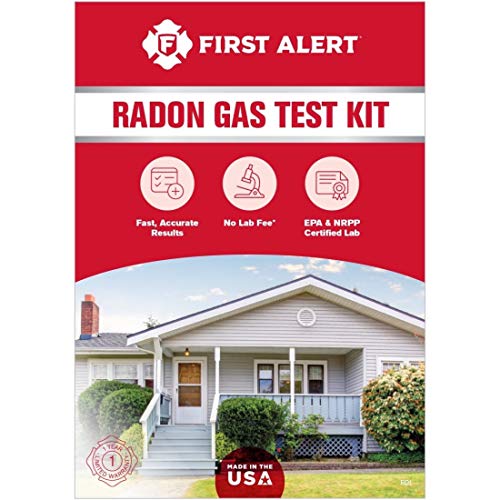 First Alert RD1 Radon Test Kit | Widely stocked; 48-hour charcoal test. | Amazon — $16.98 |
 Airthings Corentium Home | Digital monitor with a long-term average. | Amazon — $142.99 |