Radon Mitigation in Dacono, Colorado | InspectandTest
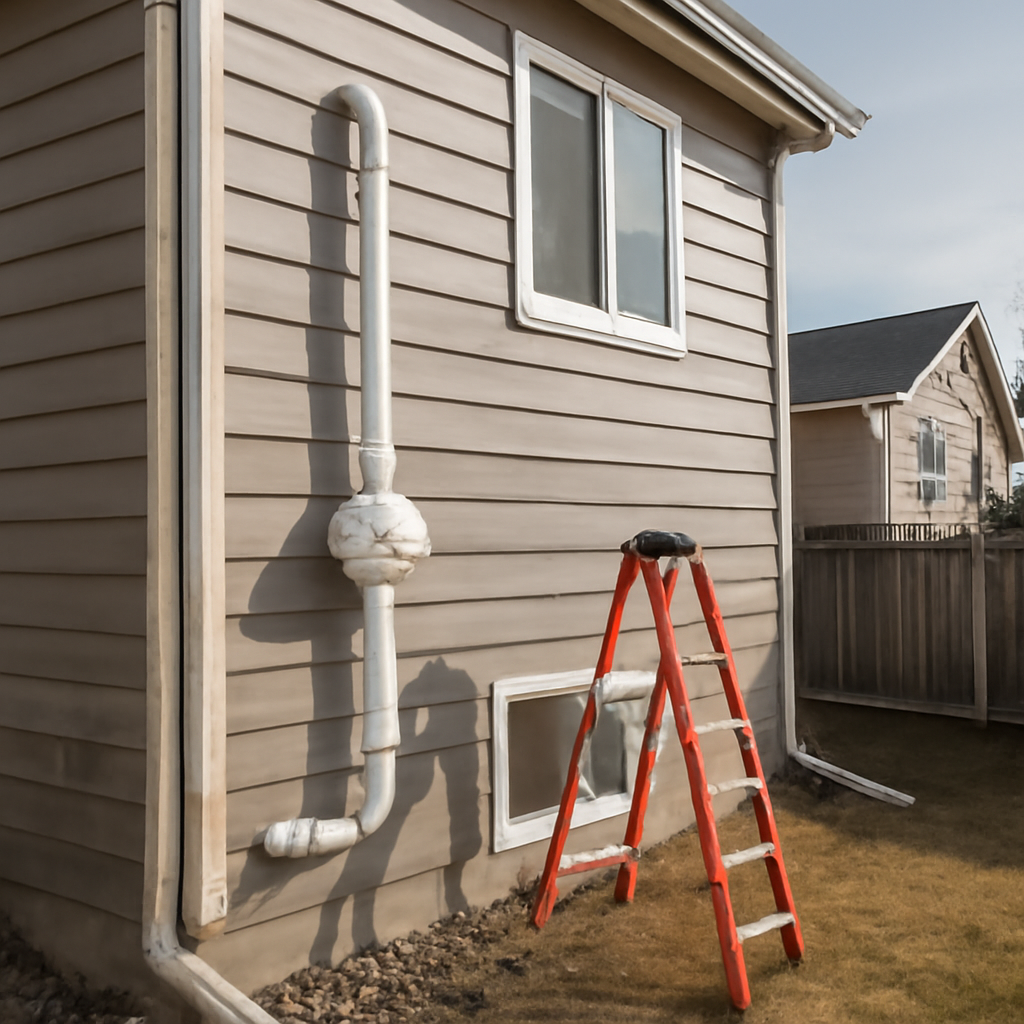
When a radon test in Dacono comes back at or above the EPA’s 4 pCi/L action level, mitigation is the fix. Dacono sits in EPA Radon Zone 1, the highest-risk category, and as the smallest of the three Carbon Valley towns in southwest Weld County, it has both coal-era Old Town homes and newer finished-basement subdivisions where elevated readings are common. Radon mitigation dacono homeowners install is most often an active sub-slab depressurization system that vents soil gas above the roofline before it enters living space. This page explains how mitigation works, what it costs locally, and how to confirm it worked. This summary reflects EPA and CDPHE guidance current as of 2026; consult a certified mitigation professional for system design.
Part of our Radon Mitigation Systems guide — start there for the full picture →
Radon mitigation in Dacono: what to know
Radon mitigation lowers the indoor radon level by intercepting soil gas before it reaches living space and venting it safely outdoors. The most common and reliable method is active sub-slab depressurization, in which a fan draws air from beneath the foundation slab through a sealed pipe and discharges it above the roof. Done correctly, it routinely brings a home from well above 4 pCi/L down to 2 pCi/L or lower.
Mitigation follows testing. A confirmed reading at or above the action level is the trigger, and the test result also guides where the suction point goes. If you have not yet tested, start there, our guide to radon testing in Dacono walks through how to get a defensible number first. For the broader picture of how systems are designed, our radon guide for Front Range homeowners covers the engineering behind the fan and pipe.
No two Dacono homes mitigate identically. A finished basement in Sweetgrass, a slab-on-grade home in The Glens, and an older Old Town home with a crawl space each need a slightly different approach, sub-slab suction for a poured slab, a sealed membrane system for a crawl space. A competent installer diagnoses the foundation before quoting, rather than applying one template to every house.
Why Dacono homes need radon mitigation
The driver is the same geology that makes testing essential. Radon comes from uranium decay in the plains soil beneath the foundation, and Dacono’s Zone 1 status means elevated readings are common across the city. Sitting within the Northern Coal Field and the active DJ Basin oil-and-gas region keeps soil-gas awareness high locally. Once a test confirms a level above 4 pCi/L, the gas is entering the home through slab cracks, control joints, or sump openings, and only a mitigation system reliably stops it.
Housing and climate concentrate the exposure that mitigation removes. Finished basements in Sweetgrass, The Glens, and Karry Ann put bedrooms and playrooms in the most soil-contacted part of the home. The long, sealed Carbon Valley winter keeps the house closed while the furnace pulls soil gas indoors, so an unmitigated home carries its highest radon levels exactly when families spend the most time inside. A system that vents that gas before it enters protects the rooms people actually use.
The health stakes justify the work. The EPA attributes thousands of lung-cancer deaths a year to radon, and a properly installed system cuts indoor levels by 90 percent or more. For a Dacono family living above a 7 or 8 pCi/L basement, mitigation converts the highest-exposure room in the house into a safe living space, which is why the modest cost is sound protection rather than an optional upgrade.
What Dacono radon mitigation covers
A mitigation installation begins with a diagnostic look at the foundation to find the best suction point and confirm the sub-slab material lets air move. The installer then cores the slab, runs sealed PVC piping up through the home or along the exterior, and mounts an inline fan that discharges above the roofline.
Sub-slab depressurization
For a poured-slab basement or slab-on-grade home, common across Dacono’s newer subdivisions, the fan creates negative pressure under the slab so soil gas is captured and vented rather than seeping up through cracks. The installer seals visible slab openings, sump pits, and the pipe penetrations to make the system efficient. A manometer on the pipe gives a visible check that the fan is pulling.
Crawl-space and combination systems
Older Old Town homes with crawl spaces often need a sealed-membrane (sub-membrane depressurization) system, where a heavy plastic barrier over the soil is connected to the fan and pipe. Homes with both a slab and a crawl space may need a combination design. After installation, a follow-up radon test confirms the system brought levels below the action threshold, which is the only proof the work succeeded.
Radon mitigation cost in Dacono
A typical residential radon mitigation system in the Dacono market generally runs about $1,200 to $2,500, with most standard sub-slab installations landing near the middle of that range. Price depends on foundation type, the number of suction points, the pipe routing, and whether a crawl space needs a membrane. A straightforward slab-on-grade home in The Glens sits at the lower end; an older Old Town home with a crawl space and additions can reach the higher end.
Ongoing costs are modest. The continuously running fan adds a small amount to the electric bill, and fans typically last around a decade before needing replacement at a few hundred dollars. Set against the EPA-documented health risk, a one-time installation that cuts exposure by 90 percent or more is one of the better-value home-safety investments a Carbon Valley homeowner can make.
Get an itemized written quote. It should specify the system type, fan model, suction points, sealing work, and a post-installation verification test. A quote that bundles the confirmation test is preferable, because that test is how you know the money produced a working system rather than just a pipe on the wall.
Colorado regulations and disclosure
Colorado requires radon disclosure in residential real-estate transactions, and the Seller’s Property Disclosure asks sellers to report known radon results and any existing mitigation system. A documented, professionally installed system is an asset at resale because it answers the radon question for the next buyer. CDPHE runs the state radon program and references the 4 pCi/L action level used to trigger mitigation.
Colorado has moved toward requiring radon mitigation professionals to hold national certification, so ask any Dacono installer about their credentials and which national standard, such as ANSI/AARST, their design follows. Weld County permitting may apply to the installation, particularly electrical work for the fan, so confirm the installer pulls any required permits. A system that meets recognized standards and is documented protects both your health and your home’s resale position.
Neighborhoods and areas served
Mitigation work spans Dacono: finished-basement homes in Sweetgrass, The Glens, and Karry Ann, the crawl-space and basement homes of Old Town Dacono near the coal-era grid, and rural-edge parcels along the I-25 corridor. Each foundation type shapes the system design, but the Zone 1 risk that prompts the work is consistent citywide.
Service extends across Carbon Valley and the surrounding Weld plains, including Frederick, Firestone, Erie, Fort Lupton, and Mead. Homeowners coordinating a county-wide view can start with the radon mitigation guide for Weld County, and neighbors a few minutes north often compare systems using radon mitigation in Frederick next door. Because soil and climate are shared across these towns, system designs translate well between them.
How to choose a Dacono radon mitigation provider
Ask for national certification and confirm the installer designs to a recognized standard like ANSI/AARST. A competent provider diagnoses the foundation before quoting, explains where the suction point goes and why, and includes a post-installation radon test in the price so you can verify the result.
Confirm the system will include a visible monitoring device, typically a manometer on the pipe, so you can see at a glance that the fan is working over the years. Ask about the warranty on the fan and the workmanship, and whether the installer guarantees the system will bring the home below 4 pCi/L. A reputable Dacono installer stands behind that number rather than leaving you to hope.
Get the post-installation test from the installer or, for extra assurance in a transaction, from an independent tester. Either way, that confirmation reading is the proof the work succeeded. An installer who treats the verification test as standard practice, not an upsell, is the kind worth hiring in Carbon Valley.
Living with a radon system in Dacono
Once a mitigation system is installed in a Dacono home, it runs quietly in the background, but a few habits keep it working. The fan operates continuously and is designed to do so, since radon entry never stops. Most homeowners barely notice it beyond a faint hum near the fan and the visible pipe running from the foundation up past the roofline. The system asks for very little, but it does ask for occasional attention.
The single most useful habit is glancing at the manometer, the small U-shaped gauge on the pipe that shows the fan is pulling. When the system is working, the liquid in the two legs of the gauge sits at different levels; if the levels equalize, the fan may have failed and the system needs service. A Dacono homeowner who checks the manometer every few months catches a stalled fan before radon levels climb back up. It takes seconds and requires no tools.
Retesting confirms the system keeps performing. The EPA suggests testing again every couple of years even with a system in place, and especially after any change to the home that affects airflow, such as finishing more of a basement or replacing the furnace. Fans last roughly a decade, so an aging system may need a replacement fan, a few-hundred-dollar job that restores full function. For a home in Sweetgrass or Old Town that may change hands someday, keeping the installation paperwork, the post-installation test, and any retests together creates a record that reassures the next buyer and satisfies Colorado’s radon disclosure. A mitigation system is a long-term asset, and a little routine attention keeps it protecting the household for years.
It is also worth understanding that a mitigation system does more than lower radon. Because sub-slab depressurization pulls air from beneath the foundation, it can reduce other soil gases and help keep the lower level drier, a side benefit in a Carbon Valley home where spring snowmelt and a high seasonal water table press moisture against the slab. That does not replace proper drainage or a sump where one is needed, but many Dacono homeowners notice a basement that feels less damp after a system goes in. The primary purpose remains cutting radon below the action level, and the secondary drying effect is a modest bonus rather than a reason on its own to install one.
Timing the installation is usually flexible, but a few situations call for prompt action. A pre-purchase test that comes back above 4 pCi/L often becomes a negotiated repair, and installing the system before closing satisfies the buyer and resolves the disclosure question in one step. For an existing Dacono homeowner, the start of the sealed heating season is a sensible time to act, since that is when radon levels and indoor exposure run highest. A reputable installer can typically complete a standard system in a day, so the disruption is brief relative to the long-term protection it provides.
References
- Consumer’s guide to radon reduction — U.S. Environmental Protection Agency
- Colorado radon program and mitigation — Colorado Department of Public Health and Environment
- Radon and lung cancer risk — Centers for Disease Control and Prevention
Frequently asked questions
What radon level requires mitigation in Dacono?
The EPA action level is 4 pCi/L. A confirmed reading at or above that level is the trigger for mitigation. Dacono sits in Zone 1, so elevated readings are common and worth fixing promptly.
How much does radon mitigation cost in Dacono?
A typical system runs about $1,200 to $2,500 depending on foundation type, suction points, and pipe routing. A slab-on-grade home sits at the lower end; an older crawl-space home costs more.
How does a radon mitigation system work?
Most systems use active sub-slab depressurization: a fan draws soil gas from beneath the slab through a sealed pipe and vents it above the roof, cutting indoor radon by 90 percent or more.
How do I know mitigation worked?
A post-installation radon test is the proof. It should confirm the home is below 4 pCi/L. A visible manometer on the pipe also shows the fan is pulling air over time.
A confirmed Zone 1 reading in Dacono means mitigation, and a properly installed system makes the highest-exposure room in the house safe again. To connect with a vetted local mitigation professional serving Carbon Valley, reach out through our contact page.
Test your home for radon
Radon is invisible and odorless, so a test is the only way to know your level. A short-term kit gives a first reading in days; a digital monitor tracks it over time.
| Product | Why | Buy |
|---|---|---|
 AirChek Charcoal Radon Test Kit | Lab fee usually included; EPA short-term protocol. | Amazon — $21.95 |
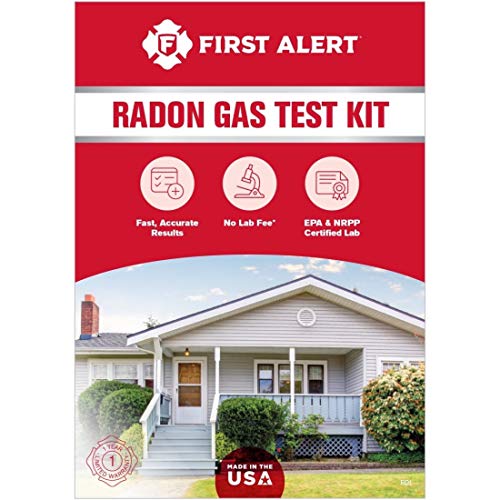 First Alert RD1 Radon Test Kit | Widely stocked; 48-hour charcoal test. | Amazon — $17.95 |
 Airthings Corentium Home | Digital monitor with a long-term average. | Amazon — $99.99 |