Home Inspection in Dacono, Colorado | InspectandTest
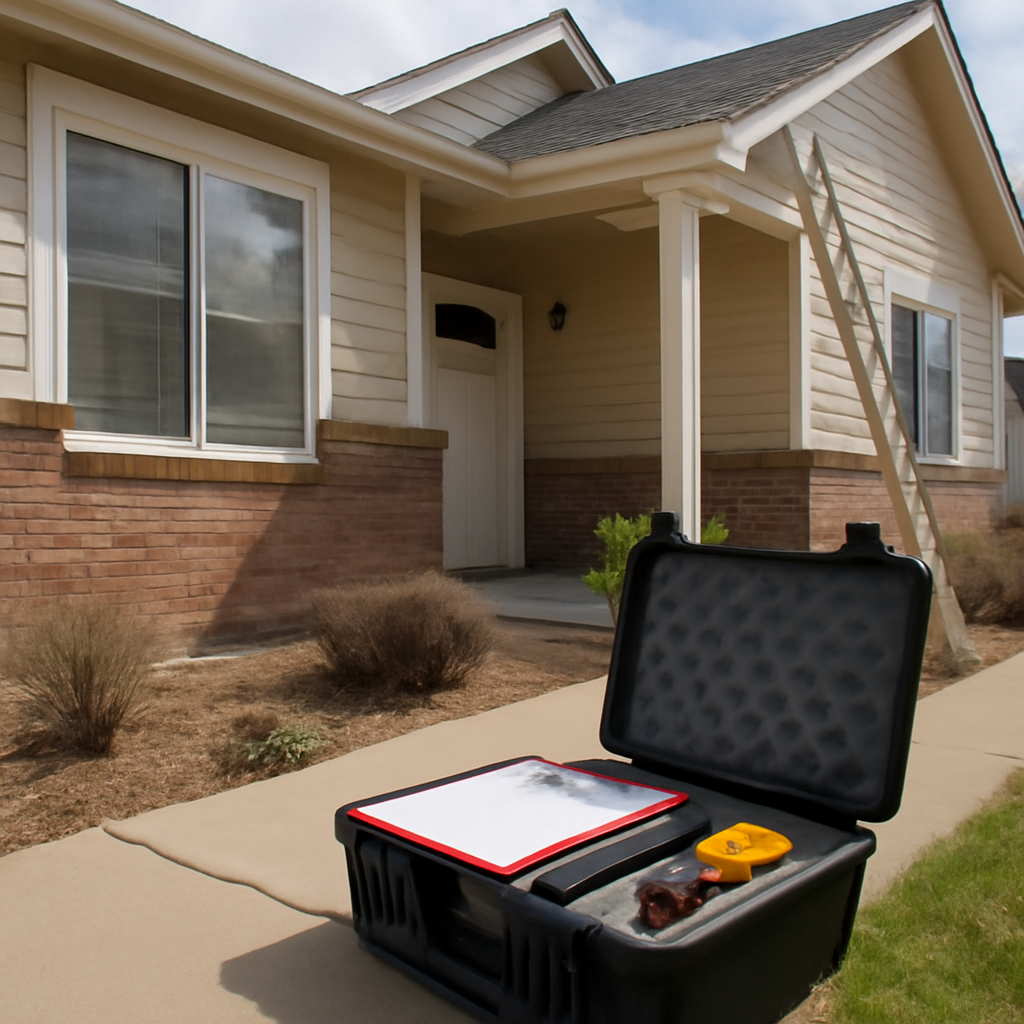
A home inspection is the buyer’s clearest look at what a Dacono house actually is, beyond the listing photos. As the smallest of the three Carbon Valley towns in southwest Weld County, Dacono blends early-1900s Old Town homes from its coal-mining past with newer subdivisions like Sweetgrass and The Glens, and those two eras hide very different problems. A thorough home inspection dacono buyers commission walks the structure, systems, and grounds, then reports the condition in writing so the purchase decision rests on facts. This page explains what a local inspection covers, why the area’s housing and climate shape it, and what it costs.
Part of our Home Inspections Explained guide — start there for the full picture →
Home inspection in Dacono: what to know
A home inspection is a non-invasive visual evaluation of a home’s major systems and components: roof, structure, foundation, electrical, plumbing, heating and cooling, and the exterior. The inspector documents defects, safety issues, and items nearing the end of their service life, then delivers a report a buyer uses to negotiate, plan repairs, or walk away. It is a snapshot of condition, not a warranty or a code inspection.
The value is independent information. The inspector works for the buyer, not the sale, and has no stake in whether the deal closes, which is what makes the findings trustworthy. For how to vet and select an inspector, our buyer’s guide to hiring a home inspector covers the credentials and questions that matter on the Front Range.
Dacono’s mixed housing stock shapes what an inspection emphasizes. An Old Town home from the coal era may have an older foundation, aging wiring, and decades of additions to scrutinize, while a 2010s Sweetgrass home is more about workmanship, grading, and how well a finished basement was built. A good inspector adjusts the focus to the home’s age rather than running an identical checklist on every house.
Why Dacono homes need a thorough inspection
The two housing eras create two inspection profiles. In Old Town Dacono, early-1900s and mid-century homes may carry knob-and-tube remnants or updated-but-mixed wiring, original plumbing, foundation movement from decades of plains freeze-thaw, and additions where flashing and drainage were never ideal. These are the homes where an inspection earns its fee by finding what years of patchwork hid.
The newer subdivisions present different concerns. Slab-on-grade homes in Sweetgrass, The Glens, and Karry Ann are younger, but rapid-growth construction can leave grading, drainage, and finish-quality issues, and a finished basement built without proper moisture control invites problems. An inspector checks whether water moves away from the foundation, whether the HVAC is sized and installed correctly, and whether the basement finish was done to standard.
Climate and location add their own checklist items. The plains around Dacono bring freeze-thaw cycles that stress foundations and driveways, snowmelt and storm runoff that test grading and gutters, and hail that damages roofs across the Front Range. Many homes use evaporative coolers, which an inspector evaluates differently from refrigerated air. And because Dacono sits in EPA Radon Zone 1 within the DJ Basin region, buyers frequently pair the inspection with radon testing in Dacono to cover the soil-gas risk the structural inspection does not.
What a Dacono home inspection covers
A standard inspection follows a recognized standards-of-practice checklist covering the readily accessible systems and components of the home.
Structure, roof, and exterior
The inspector evaluates the foundation for cracks and movement, the roof covering and flashing for wear and hail damage, and the exterior grading, siding, and drainage. On an Old Town home, foundation and roof age get extra attention; on a newer home, grading and drainage around a finished basement do.
Electrical, plumbing, and HVAC
The inspector checks the electrical panel, wiring type, and outlets for safety, the plumbing supply and drainage for leaks and function, and the heating and cooling systems for operation and remaining life. Older Dacono homes may show outdated panels or mixed wiring from past updates, while newer homes are assessed for installation quality and system sizing. Evaporative coolers, common locally, are evaluated for condition and proper operation.
Home inspection cost in Dacono
A standard home inspection in the Dacono market generally runs about $350 to $550 for a typical single-family home, with price scaling by square footage, age, and added services. A larger Old Town home with a crawl space, additions, and older systems sits at the higher end because there is more to evaluate, while a compact slab-on-grade home in The Glens is quicker.
Add-on services raise the total but are often worth it locally. Radon testing, a sewer scope, and mold or moisture assessment are common bundles, and ordering them together is cheaper than separate visits. For a Carbon Valley buyer, a combined inspection that covers the structure plus the Zone 1 radon risk gives one coordinated picture for the purchase decision.
Set the fee against the stakes. A few hundred dollars of inspection can reveal a failing roof, a cracked foundation, or an aging furnace before closing, items that cost thousands to fix and become leverage in negotiation. Skipping the inspection to save the fee or win a bidding war trades a small known cost for a large unknown one.
Dacono regulations and disclosure
Colorado does not license home inspectors, so the credential burden falls on the buyer. Reputable Dacono inspectors carry certification from national bodies like InterNACHI or ASHI and follow a published standards of practice, which is what to look for in the absence of a state license. The standards define what the inspection includes and excludes, so a buyer knows the scope.
Colorado’s Seller’s Property Disclosure requires sellers to report known defects, but it does not replace an independent inspection, since sellers disclose only what they know. Weld County permitting records can reveal whether past work, especially a basement finish or an addition on an Old Town home, was permitted and inspected, and a thorough inspector flags unpermitted work for the buyer to investigate. Pairing the disclosure, the permit history, and the inspection gives the fullest view of a home’s condition.
Neighborhoods and areas served
Inspection demand spans Dacono: the older crawl-space and basement homes of Old Town Dacono near the coal-era grid, the slab-on-grade subdivisions of Sweetgrass, The Glens, and Karry Ann, and rural-edge parcels along the I-25 corridor. Each calls for a slightly different emphasis, but every buyer benefits from the same independent, documented evaluation.
Service extends across Carbon Valley and the surrounding Weld plains, including Frederick, Firestone, Erie, Fort Lupton, and Mead. Buyers comparing homes across town lines often look at a neighboring market like home inspection in Frederick next door, and many Dacono buyers also order a focused pre-purchase inspection in Dacono when they are deep into a specific contract. The housing patterns are consistent across Carbon Valley, so an inspector who knows one town knows the others.
How to choose a Dacono home inspector
Confirm national certification (InterNACHI or ASHI), ask which standards of practice the inspector follows, and request a sample report so you can judge its detail before hiring. A thorough report with photos, clear descriptions, and prioritized findings is far more useful than a checklist with a few notes.
Ask whether the inspector offers the add-ons Dacono buyers commonly need, radon testing for the Zone 1 risk, sewer scope, and moisture assessment, so you can coordinate them in one visit. Confirm the inspector encourages you to attend the inspection, since walking the home with the inspector turns the report into a practical understanding of the house.
Look for an inspector who serves Carbon Valley regularly and knows the local housing mix, from coal-era Old Town homes to new subdivisions. Local familiarity means they know what tends to go wrong in each era and where to look. An inspector who explains findings plainly and does not pressure you toward a particular outcome is the kind worth hiring in Dacono.
Reading a Dacono inspection report
An inspection report is most useful when a buyer knows how to read it. A thorough report separates findings by severity: safety issues that need prompt attention, major defects that carry real cost, and minor or maintenance items that are normal for the home’s age. A Dacono buyer who treats every note as equally urgent misses the point, while one who focuses on the safety and major-defect items negotiates from the findings that actually matter.
The findings also need context by housing era. In an Old Town home, an older panel, mixed wiring, or some foundation movement may be expected for the age and manageable, while in a newer Sweetgrass or Glens home, the same note would be more surprising and worth scrutiny. A good inspector frames findings against what is typical for the home rather than listing them in a vacuum, which helps a buyer judge whether an issue is a deal-breaker or a routine repair.
The report should also point toward next steps. Some findings warrant a specialist’s follow-up, a structural engineer for significant foundation movement, an electrician for a flagged panel, an HVAC technician for an aging furnace, before a buyer can price the fix. A Dacono buyer uses these recommendations to get firm repair estimates during the inspection period, which turns the report into concrete negotiating leverage rather than vague concern.
Common Dacono inspection findings
Certain issues recur in Carbon Valley homes, and knowing them helps a buyer anticipate. Drainage and grading problems are common, since plains soil and seasonal snowmelt can push water toward foundations where grading was not done well, and a finished basement makes that water more consequential. Roof wear and hail damage show up often given Front Range storm patterns, and roof age is a frequent negotiation point.
In older Old Town homes, inspectors regularly note aging or mixed electrical, original plumbing nearing the end of its life, and additions where past work may not have been permitted or flashed correctly. In newer subdivision homes, the recurring items are construction-quality details, grading too close to the slab, incomplete attic insulation, or a basement finish done without proper moisture control. Evaporative coolers, common across Dacono, get checked for condition and proper seasonal setup. None of these are unusual, and an inspection that surfaces them early lets a buyer plan repairs and budget with eyes open rather than discovering them after closing.
It is worth keeping perspective on what the findings mean. Almost no home, new or old, comes back from an inspection with a perfectly clean report, and a long list of minor items is normal rather than alarming. The job of the report is to tell a Dacono buyer which issues carry real cost or safety weight and which are routine maintenance that any homeowner handles over time. A buyer who walks away from a sound Old Town or Sweetgrass home over a handful of small, expected items may pass up a good house, while one who ignores a major structural or system finding takes on real risk. The value of the inspection is the judgment it supports, separating the consequential from the cosmetic, so the purchase decision rests on a clear-eyed read of the home’s actual condition.
References
- Residential standards of practice — International Association of Certified Home Inspectors
- Home inspection standards of practice — American Society of Home Inspectors
- Radon zone information for buyers — U.S. Environmental Protection Agency
A documented home inspection gives Dacono buyers the facts to negotiate and plan with confidence. To connect with a vetted local inspector serving Carbon Valley and the Weld plains, reach out through our contact page.