Asbestos Testing in Dacono, Colorado | InspectandTest
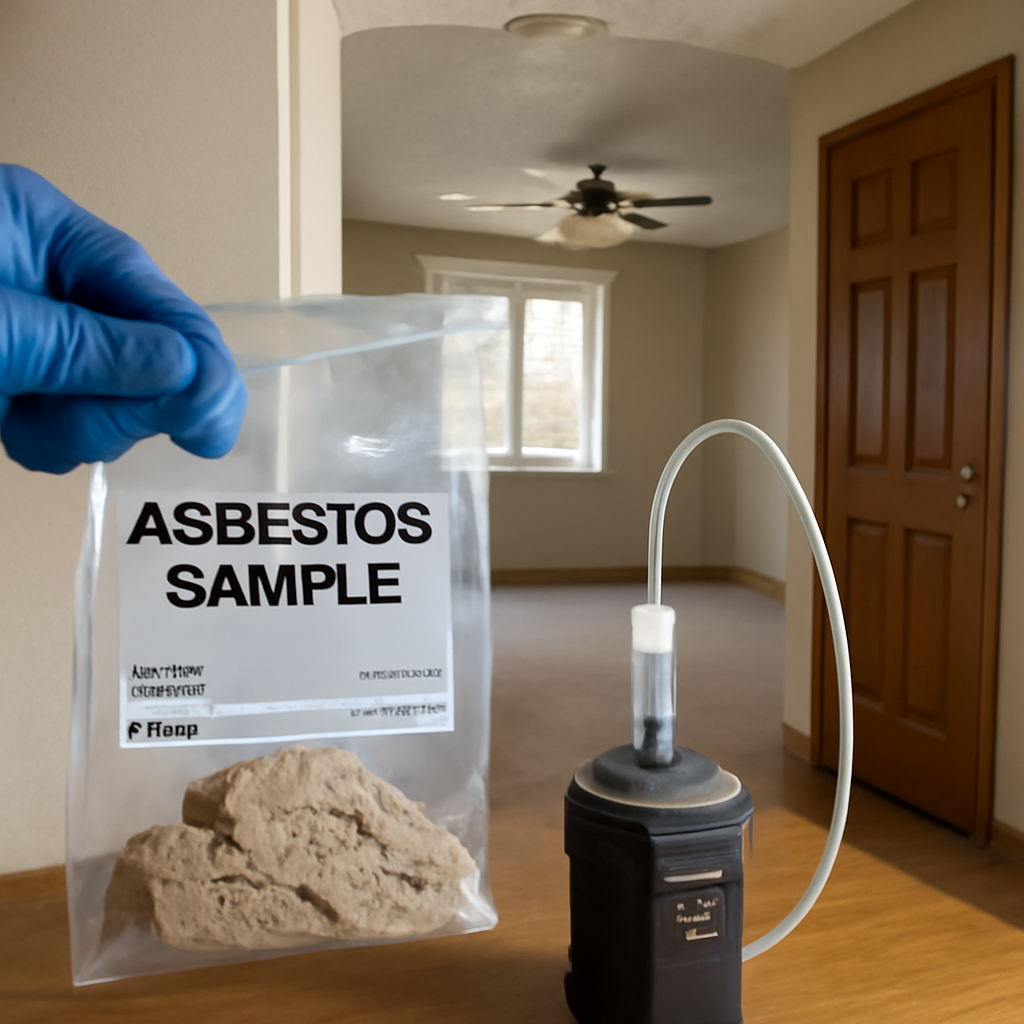
Dacono’s coal-era origins left a small historic core in Old Town with early-1900s housing, and that pre-1978 stock is where asbestos-containing materials are most likely to surface during a renovation. As the smallest of the three Carbon Valley towns in southwest Weld County, Dacono pairs that older core with newer subdivisions, so asbestos testing dacono homeowners ask about depends heavily on a home’s age. This page explains where asbestos hides, how lab sampling works, and what testing costs locally before any demolition or remodel. This summary reflects EPA, OSHA, and CDC guidance current as of 2026; consult a certified asbestos professional before disturbing suspect materials.
Is this mold, asbestos, or water damage? Get a free instant screen
Upload a clear photo of the suspect area. You'll get an instant AI screening opinion and what to do next. This is screening guidance, not a professional determination.
Screening guidance only. AI can be wrong. Confirm asbestos, mold type, or lead with lab testing or a licensed professional before acting.
Asbestos testing in Dacono: what to know
Asbestos testing identifies whether a building material contains asbestos fibers, which were used widely in construction until federal restrictions in the late 1970s and beyond. Testing means collecting a small sample of the suspect material and sending it to an accredited laboratory for analysis under polarized-light microscopy. You cannot identify asbestos by sight; only a lab can confirm it.
The reason testing matters is timing. Intact, undisturbed asbestos material is generally not a hazard, but cutting, sanding, drilling, or demolishing it releases microscopic fibers that, when inhaled, are linked to mesothelioma, lung cancer, and asbestosis. Testing before a renovation tells you whether the popcorn ceiling, floor tile, or pipe wrap you are about to disturb needs professional handling. For the broader context of pre-1978 hazards, our guide to asbestos and lead in older homes explains why the build year is the key variable.
In Dacono, the dividing line runs through the housing stock. An Old Town home from the coal-mining era is a strong candidate for asbestos in older finishes, while a 2010s home in Sweetgrass or The Glens almost certainly predates none of the restricted era and carries little risk. Testing focuses where the age and the material both point to possible asbestos.
Why Dacono homes need asbestos testing
Age is the driver. Asbestos was common in residential construction through the 1970s, so the early-1900s and mid-century homes in Old Town Dacono are the ones where it turns up. Decades of additions and remodels in those homes mean asbestos materials may be layered under newer finishes, a vinyl floor laid over original asbestos tile, or drywall covering old insulation, so a renovation can disturb material no one knew was there.
The materials themselves are widespread in older homes. Asbestos was used in floor tiles and the mastic beneath them, popcorn and textured ceilings, pipe and boiler insulation, HVAC duct wrap, cement siding and shingles, window glazing, and joint compound. A Dacono homeowner planning to remove a textured ceiling or tear out a kitchen floor in an Old Town home is working in exactly the places asbestos was used.
The dry plains climate does not reduce the risk, because asbestos is a mechanical hazard, not a moisture-driven one. What matters is disturbance. The EPA and OSHA both stress that the danger comes from releasing fibers into the air during renovation or demolition. A homeowner doing a do-it-yourself remodel in an older Dacono home, without testing first, can spread fibers through the house in a single afternoon of demolition, which is why testing precedes the work.
What Dacono asbestos testing covers
An asbestos inspection identifies suspect materials based on the home’s age and construction, then collects samples for lab confirmation. A certified inspector knows which materials to target and how to take a sample safely without releasing fibers.
Sample collection and lab analysis
The inspector wets the material to suppress dust, removes a small piece, seals it, and sends it to an accredited lab. Analysis under polarized-light microscopy identifies asbestos type and percentage. For a renovation, the inspector samples each distinct suspect material, since a ceiling, a floor, and pipe insulation are separate materials that each need their own result. A pre-1960 Old Town home may need several samples to clear a remodel area.
Pre-renovation and pre-demolition surveys
Before a major remodel or a teardown, a survey documents every asbestos-containing material in the work area so the project can be planned safely. This is where testing protects both health and budget: knowing in advance that a material contains asbestos lets you schedule licensed abatement rather than discovering it mid-demolition and halting the job. Colorado regulates asbestos abatement above certain quantities, so the survey also establishes whether the regulated thresholds apply.
Asbestos testing cost in Dacono
A single-sample asbestos test in the Dacono market generally runs about $50 to $100 per sample for lab analysis, while a professional inspection with multiple samples and a written report typically falls in the $300 to $600 range depending on the number of materials sampled. A whole-home pre-demolition survey of an older Old Town home costs more because every suspect material across the structure is documented.
That cost is small against the alternative. Disturbing asbestos without testing can contaminate a home and require expensive professional cleanup, and abatement of confirmed material is far costlier than the test that would have flagged it. For a Dacono homeowner planning to renovate a pre-1978 home, testing first is the inexpensive step that keeps a remodel from becoming a hazardous-materials incident.
Get the scope in writing. Ask how many samples the quote covers, what the lab fee is per additional sample, and whether the price includes a written report identifying each material and its result. For a renovation, that documented report is what an abatement contractor or your local permitting office will want to see.
Dacono regulations and disclosure
Colorado regulates asbestos through the state health department, and abatement of regulated quantities must be performed by state-certified professionals. The Colorado Seller’s Property Disclosure asks sellers to report known asbestos, so a documented test result becomes part of a transaction record and protects both sides. For renovations, disturbing more than the regulated threshold triggers state notification and certified-abatement requirements.
Because asbestos abatement is licensed in Colorado while general inspection is not, confirm that anyone removing confirmed material holds state certification, and that the testing lab is accredited. Weld County permitting applies to the demolition and remodeling work that disturbs these materials, so a pre-renovation survey aligns the project with both county permits and state asbestos rules. Skipping the survey on an Old Town remodel risks both a health exposure and a regulatory problem.
Neighborhoods and areas served
Testing demand concentrates in Dacono’s older housing: Old Town Dacono near the coal-era grid, where early-1900s and mid-century homes carry the highest likelihood of asbestos materials. The newer subdivisions of Sweetgrass, The Glens, and Karry Ann, built in the 2000s and later, generally fall outside the high-risk era, though homeowners there still test before disturbing any unknown older material on a previously remodeled property.
Service extends across Carbon Valley and the surrounding Weld plains, including Frederick, Firestone, Erie, Fort Lupton, and Mead. Homeowners coordinating a county-wide picture can start with the asbestos testing guide for Weld County, and neighbors planning renovations often compare notes using asbestos testing in Frederick next door. The pre-1978 rule travels across all these towns, so older homes anywhere in Carbon Valley warrant the same caution.
How to choose a Dacono asbestos testing provider
Confirm the provider uses an accredited laboratory and, for any removal, holds Colorado asbestos certification. An inspector who tests but does not also profit from abatement has no incentive to overstate findings, which is worth seeking. Ask whether they sample each distinct material separately and provide a written report identifying every result.
For a renovation, ask the provider to scope the work area and sample all suspect materials before you begin, not after demolition starts. A good provider explains which materials are likely asbestos given the home’s age, how they will sample safely, and what the lab turnaround is. That planning is what keeps a Dacono remodel on schedule and within the rules.
If a result comes back positive, a straight provider explains your options, including whether the material can be safely left in place undisturbed or whether the planned work requires certified abatement. That honest guidance, rather than an automatic push to remove everything, is the mark of a provider worth hiring in Carbon Valley.
If a Dacono test comes back positive
A positive asbestos result is not a reason to panic, and it does not automatically mean expensive removal. The first thing a Dacono homeowner should understand is that intact, undisturbed asbestos material is generally not a hazard. Asbestos becomes dangerous when it is cut, sanded, drilled, or demolished and releases fibers into the air. A confirmed asbestos floor tile or textured ceiling that is in good condition and will not be disturbed can often be safely left in place, sometimes encapsulated or covered rather than removed.
The decision turns on the planned work. If a remodel in an Old Town home requires disturbing the confirmed material, removing a ceiling, tearing out a floor, or opening a wall with insulated pipe, then the material has to be handled before the work proceeds. In Colorado, abatement of regulated quantities must be done by state-certified professionals using containment, negative air pressure, and proper disposal. A homeowner cannot legally treat a regulated quantity as ordinary debris, and doing so risks both exposure and a regulatory violation.
Cost and scope vary with the material and the amount. A small, well-contained removal is far less involved than a whole-house abatement, and a good provider helps a Dacono homeowner weigh options: remove only what the project requires, encapsulate what can stay, and phase the work to keep both the budget and the exposure controlled. Keeping the lab report and any abatement documentation matters at resale, since Colorado’s disclosure asks about known asbestos. The practical takeaway is that a positive result gives you the information to plan a safe renovation, which is exactly why testing before the work, rather than after demolition starts, is the inexpensive step that keeps a Carbon Valley project on track.
It also helps to know which materials most often come back positive in older Dacono homes. Resilient floor tiles and the dark mastic beneath them, textured and popcorn ceilings, the paper backing on sheet flooring, insulation on old heating pipes, and cement-board siding are the usual suspects in early- to mid-century housing. Knowing this in advance lets a homeowner sample strategically, testing the specific materials a planned remodel will touch rather than the whole house, which keeps testing costs down while still covering the real risk.
One more practical point applies to Dacono’s mix of eras. A home that looks new on the surface may still hide older materials underneath, because additions and remodels over the decades layer finishes on top of original construction. A 1980s remodel of a 1940s Old Town house can leave asbestos floor tile under newer flooring or old pipe insulation behind a renovated wall. The build year of the original structure, not the date of the last cosmetic update, is what determines the risk, so a homeowner unsure of a property’s history is wise to test before any demolition rather than assume a renovated look means a clean one.
References
- Asbestos in the home and renovation guidance — U.S. Environmental Protection Agency
- Asbestos exposure standards — Occupational Safety and Health Administration
- Asbestos and health effects — Centers for Disease Control and Prevention
Before renovating an older Dacono home, asbestos testing tells you what is safe to disturb and what needs certified handling. To connect with a vetted local inspector serving Carbon Valley and the Weld plains, reach out through our contact page.