Asbestos Testing in Parker, Colorado | InspectandTest
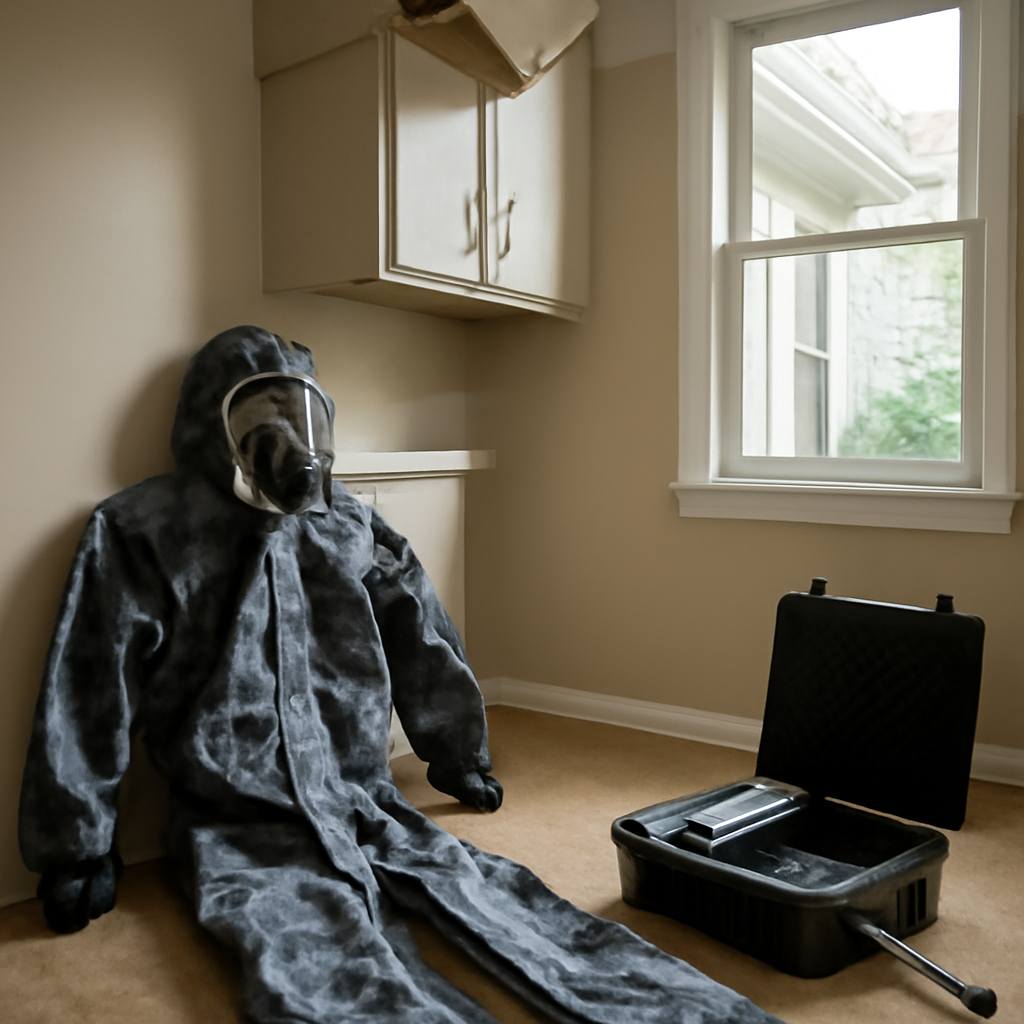
Asbestos was used in dozens of building materials through the 1980s, and any Parker home built or remodeled before the material was phased out can still contain it in flooring, insulation, popcorn ceilings, and pipe wrap. Parker’s housing skews newer than most Front Range towns, which lowers the odds, but the town does include older homes and earlier additions where testing before disturbing materials matters. This page explains how asbestos testing parker homeowners should approach a renovation, what a lab analysis covers, and what it costs. This summary reflects EPA, OSHA, and CDPHE guidance current as of 2026; consult a certified inspector before disturbing any suspect material.
Part of our Asbestos in the Home guide — start there for the full picture →
Is this mold, asbestos, or water damage? Get a free instant screen
Upload a clear photo of the suspect area. You'll get an instant AI screening opinion and what to do next. This is screening guidance, not a professional determination.
Screening guidance only. AI can be wrong. Confirm asbestos, mold type, or lead with lab testing or a licensed professional before acting.
Asbestos testing in Parker: what to know
Asbestos is only a hazard when its fibers become airborne, which happens when materials are cut, sanded, drilled, or demolished. Intact, undisturbed asbestos is generally left in place. The point of testing is to know what is in a material before a renovation turns it into dust, since you cannot identify asbestos by sight; a certified lab confirms it under a microscope.
Testing means a trained inspector collects small bulk samples of suspect materials under controlled conditions and sends them to an accredited lab for polarized light microscopy. Because Colorado’s rules tie required abatement to measured square footage and linear footage, a documented lab result is also what a contractor or county permit office needs before work proceeds. The broader picture of where asbestos hides in a home is covered in our guide to asbestos and lead in pre-1978 housing.
Parker’s relatively young housing stock changes the calculus compared to older Front Range cities. A 2005 Stonegate home is unlikely to contain asbestos in original materials, while a 1980s home or an older property with mid-century additions is a more realistic candidate. The deciding factor is the age of the specific material being disturbed, not the overall feel of the house, which is why renovation plans, not the year built alone, should drive a testing decision.
Why Parker homes may need asbestos testing
Parker’s building era is the first clue. Most of the town’s growth came in the 1990s and later, by which point asbestos use in residential materials had largely ended, so the bulk of Parker’s housing carries a lower baseline risk than pre-1980 stock. That said, a meaningful share of homes and additions predate the phase-out, and CDPHE requires testing before renovation or demolition regardless of how new the surrounding subdivision feels.
The materials worth flagging are consistent statewide. Vinyl floor tiles and the black mastic beneath them, popcorn and textured ceilings, vermiculite attic insulation, pipe and duct wrap, and some cement siding and roofing products were all common asbestos carriers. In a Parker home, a popcorn ceiling in a 1980s section or an older property’s basement pipe insulation is the kind of material to test before a remodel touches it.
Renovation is the trigger that turns a low risk into a real one. Parker’s larger homes invite finished-basement projects, kitchen and bath updates, and ceiling scraping, all of which can disturb older materials if any exist. Colorado regulations are clear that homeowners and contractors must test before disturbing suspect materials above the regulatory thresholds, which keeps a renovation from releasing fibers into the home or violating county permitting requirements.
Purchased older properties are the other realistic path to asbestos in a Parker home. Not every house in town came up in the 1990s boom; the area absorbed older farmhouses, ranch properties, and homes that predate the subdivisions, and these can carry the full range of mid-century asbestos materials. A buyer drawn to an older Parker property with character should treat a pre-renovation asbestos survey as part of due diligence, the same way they would in an older Front Range city, rather than assuming the town’s overall newness applies to that particular house.
Demolition raises the stakes beyond renovation. Tearing out a wall, removing a ceiling, or gutting a basement releases far more fiber than patching or drilling, and Colorado’s thresholds for required testing and certified abatement are lower for demolition-scale work. A Parker homeowner planning a significant gut-remodel of an older section should budget for a survey early, because discovering asbestos mid-demolition stops the job, contaminates the work area, and triggers a more expensive cleanup than testing first would have cost.
What a Parker asbestos test covers
A certified asbestos inspector surveys the areas slated for work, identifies suspect materials, and collects representative bulk samples while controlling dust. The samples go to an accredited lab, and the written result tells you whether asbestos is present, in what material, and at what percentage.
Bulk sampling and lab analysis
The inspector wets the material, cuts a small sample, seals it, and patches the spot to prevent fiber release. The lab uses polarized light microscopy to identify and quantify asbestos. For materials that read negative under that method but remain suspect, a lab may recommend transmission electron microscopy for a more sensitive look. The report is the document a Parker abatement contractor or the county permit office will rely on.
Pre-renovation surveys
Before a finished-basement build-out or a ceiling scrape, a pre-renovation survey samples every suspect material in the work area so nothing gets disturbed blind. This is the practical core of asbestos testing for a Parker homeowner, since it lets the project proceed with either a clean result or a clear scope for licensed abatement. Pairing the survey with lead testing in Parker makes sense when an older home or addition is involved, because the same pre-1978 materials often carry both hazards.
Asbestos testing cost in Parker
An individual bulk sample analyzed by an accredited lab typically runs about $30 to $75. A professional inspector’s pre-renovation survey of a Parker home, including sample collection and a written report, usually falls in the $250 to $600 range depending on how many materials need sampling and the size of the work area.
That cost is small against the alternative. If asbestos is disturbed without testing, cleanup and proper abatement of a contaminated area can run into the thousands, and Colorado regulates abatement above defined thresholds, meaning unpermitted disturbance can carry penalties. Testing first keeps a renovation legal and keeps fibers out of the air a family breathes.
For most Parker homeowners, the decision is straightforward: if the home or the section being renovated predates the early 1990s, test the suspect materials before work starts. A few hundred dollars of survey is far cheaper than a contaminated finished basement, and it is what a reputable contractor will require before scraping a ceiling or pulling old flooring.
Insurance and resale add quiet incentives to test rather than guess. A homeowner who disturbs asbestos without testing and later files a claim, or who sells a home where undocumented abatement was done informally, can face complications that a clean survey and proper paperwork would have avoided. The modest cost of testing buys a paper trail, the lab report, the abatement records if any, that protects the homeowner during both the project and an eventual sale, which is worth more than the savings of skipping the test.
The cost of doing it wrong scales fast. A small amount of disturbed asbestos in a finished basement can require sealing off the area, HEPA cleanup, air clearance testing, and disposal as regulated waste, work that a certified abatement contractor must perform once thresholds are crossed. Set against a $250-to-$600 survey, the few-thousand-dollar cleanup of a contaminated remodel makes the testing decision easy for any Parker home old enough to contain the material at all.
Colorado regulations and disclosure
Colorado’s Air Quality Control Commission Regulation 8 governs asbestos and requires testing before renovation or demolition that would disturb materials above set thresholds, with abatement performed by state-certified contractors. CDPHE administers the program, and the EPA’s national rules apply alongside it. Even single-family homes fall under these requirements once the disturbed quantity exceeds the regulatory trigger.
For a sale, Colorado’s Seller’s Property Disclosure asks about known environmental hazards, which can include asbestos. A documented clean test, or a record of professional abatement, removes uncertainty for a buyer. Because Colorado does not license home inspectors, confirm that the person sampling your materials holds asbestos inspector certification and uses an accredited lab, so the result holds up for permitting and disclosure.
Neighborhoods and areas served
Asbestos testing in Parker tends to follow the older end of the housing stock and remodeling activity: 1980s homes and properties with mid-century additions across Stroh Ranch, Stonegate, Canterberry Crossing, and Idyllwilde. Newer subdivisions rarely contain asbestos in original materials, so testing there is usually tied to an older purchased fixture or an unusual remodel. Service typically extends to adjacent The Pinery, Lone Tree, and the Douglas County side of Aurora.
The pattern across these areas is consistent: the year the specific material was installed, not the neighborhood’s prestige or the home’s overall age, decides whether testing is warranted. A Parker homeowner planning to scrape a textured ceiling or tear out original 1980s flooring should test that material first, wherever in town the house sits.
How to choose a Parker asbestos testing provider
Hire a certified asbestos inspector who collects samples under dust control and sends them to an accredited lab, and ask for the written report rather than a verbal all-clear. A good provider explains which materials are suspect, samples only what the renovation will disturb, and gives you a result you can hand to an abatement contractor or the county. Bundling the survey with a broader home inspection in Parker is efficient when you are buying an older property.
Confirm the inspector is independent of any abatement company, or at least transparent about it, so the testing recommendation is not a sales funnel for removal work. A trustworthy provider will tell you when intact, undisturbed material is best left in place rather than removed, since unnecessary abatement creates risk and cost without benefit. That kind of honest scoping is the mark of an inspector worth hiring in a town where most homes are too new to contain asbestos at all.
For older Parker homes and additions, ask the provider to coordinate asbestos and lead sampling in one visit. The same pre-1978 and pre-1990 materials, old flooring, plaster, pipe insulation, and painted trim, frequently carry both hazards, and a single coordinated survey is cheaper and more thorough than two separate trips.
Turnaround time and lab choice are practical points to confirm before booking. Standard polarized light microscopy results usually come back within a few business days, but a renovation on a deadline may justify paying for expedited lab analysis. Ask the provider which accredited lab they use and whether rush service is available, since a Parker remodel waiting on a single ceiling sample can stall a contractor’s schedule. A provider who is upfront about turnaround helps a homeowner sequence the survey so testing does not become the bottleneck that delays the whole project.
References
- Asbestos hazards and protection — U.S. Environmental Protection Agency
- Colorado asbestos regulations and certification — Colorado Department of Public Health and Environment
- Asbestos exposure standards — Occupational Safety and Health Administration
Frequently asked questions
Do newer Parker homes need asbestos testing?
Usually not in original materials, since most Parker homes were built after asbestos use in residential materials largely ended around 1990. Testing matters for older homes, mid-century additions, or any pre-1990 material being disturbed in a renovation.
How much does asbestos testing cost in Parker?
A single bulk sample runs about $30 to $75 at an accredited lab. A professional pre-renovation survey with sampling and a written report typically costs $250 to $600 depending on the number of materials.
What materials commonly contain asbestos?
Vinyl floor tile and its mastic, popcorn and textured ceilings, vermiculite attic insulation, pipe and duct wrap, and some cement siding. Any of these installed before the early 1990s should be tested before disturbance.
Is asbestos testing required before renovation in Colorado?
Yes. Colorado Regulation 8 requires testing before renovation or demolition that disturbs suspect materials above set thresholds, with abatement by state-certified contractors. This applies to single-family homes once the quantity exceeds the trigger.
Before scraping a ceiling or pulling old flooring in an older Parker home, a certified asbestos test keeps the project legal and the air clean. To connect with a vetted local inspector who uses an accredited lab, get in touch through our contact page.