Radon Mitigation in Golden, Colorado | InspectandTest

Golden sits in EPA Radon Zone 1, the highest-risk category, on the foothills hogback where uranium-bearing Front Range rock drives some of the metro’s higher radon readings. When a test in a Golden home, downtown or in the foothills, comes back at or above the 4 pCi/L action level, mitigation is the fix that brings it down. Radon is a colorless, odorless radioactive gas and the second-leading cause of lung cancer after smoking. This page explains how radon mitigation golden homeowners should approach, how the systems work on local housing, and what they cost. This summary reflects EPA and CDPHE guidance current as of 2026; consult a certified mitigation professional for your specific home.
Part of our Radon Mitigation Systems guide — start there for the full picture →
Radon mitigation in Golden: what to know
Radon mitigation reduces indoor radon to a safe level, usually with an active system that vents soil gas before it enters the home. The most common and effective approach is sub-slab depressurization, which uses a fan and a sealed pipe to draw radon from beneath the foundation and exhaust it above the roofline. A properly designed system routinely brings readings from well above 4 pCi/L down to 2 pCi/L or lower, even in homes on Golden’s higher-radon foothills geology.
In Golden, mitigation usually follows a test that exceeded the action level. If you have not yet tested, start there; our guide to radon testing in Golden explains how to get a defensible number before committing to a system. Mitigation without a confirmed elevated test is premature, while ignoring a confirmed high reading, more likely here given the uranium-bearing rock, leaves a known risk in place.
A mitigation system is permanent equipment, not a one-time treatment. It runs continuously, and a post-installation test confirms it brought the level down. EPA guidance calls for re-testing every couple of years afterward and after any major home change, because a remodel or new furnace can shift the pressure balance the system depends on. For the science behind why radon accumulates and how reduction works, our plain-language radon guide for Front Range homeowners covers the fundamentals.
Why Golden homes need radon mitigation
Geology sets up the problem here more than in most metro towns. Radon comes from uranium decay in soil and rock, and Golden’s foothills hogback exposes uranium-bearing formations, with the Golden and Leyden vicinity near the historic Schwartzwalder mine district associated with higher readings. Homes over that rock can show elevated levels that make a permanent mitigation system the standard response rather than an occasional one.
Housing and climate drive the gas indoors. Golden’s historic downtown basements and newer foothills homes both put living space against rock and soil, giving radon entry through slab cracks, control joints, and sump pits. Cold winters keep homes sealed for months while furnaces create a slight negative pressure that actively pulls soil gas in, and energy-efficient newer homes trap it once it enters because air exchange is limited.
Mitigation matters because ventilation and sealing alone do not reliably solve an elevated reading, especially one driven by Golden’s geology. The EPA identifies active sub-slab depressurization as the most dependable reduction method, and the CDC ties long-term radon exposure to lung cancer. In a community where the underlying rock can push readings well above the action level, bringing a confirmed high level down is a health step, not a cosmetic one.
What a Golden radon mitigation system covers
A standard active system is engineered to the specific home and foundation. An installer assesses the structure, locates the best suction point, and installs the components that move soil gas out before it reaches living space.
Sub-slab depressurization
The installer cores a hole through the basement slab, creates a suction pit beneath it, and runs sealed PVC pipe to an inline fan that exhausts above the roofline. The fan creates a low-pressure field under the slab so soil gas flows into the pipe instead of the basement. On Golden’s older downtown homes with stone or irregular foundations, finding an effective suction point can take more skill than on a uniform modern slab, which is part of what a good installer earns.
Sealing and a system monitor
The installer seals slab cracks, control joints, and the sump lid to improve suction efficiency, then adds a manometer, a simple pressure gauge confirming the system runs. A post-installation radon test, typically after 24 hours of operation, confirms the level dropped below 4 pCi/L. The same approach applied county-wide is covered in our guide to radon mitigation in Jefferson County.
Radon mitigation cost in Golden
A typical active sub-slab depressurization system in the Golden market runs about $1,200 to $2,500, with most homes in the $1,500 to $2,000 range. The price depends on foundation type, the number of suction points needed, pipe routing, and whether a sump or drain tile system has to be tied in. Older downtown homes with stone foundations or irregular layouts can sit at the higher end because the system requires more custom design.
Set that cost against the benefit. A roughly $1,800 system that takes a basement from a high foothills reading down to under 2 pCi/L cuts radon exposure by 90 percent or more for as long as the family lives there, with only modest electricity and an occasional fan replacement as ongoing cost. Against the EPA’s estimate of thousands of radon-linked lung-cancer deaths a year, that is a strong return for a one-time installation.
Operating cost is small. The continuous fan adds a few dollars a month to electricity, and a quality fan lasts years before replacement. Given that Golden’s geology can produce readings well above the action level, the case for a permanent system is especially clear, since the alternative is leaving a potentially significant risk in place for the life of the home.
What affects radon mitigation cost in Golden
The spread between a $1,200 and a $2,500 system in Golden comes down to the foundation and the geology, both of which run more complex here than in a uniform suburban subdivision. A modern foothills home with a single poured slab usually takes one suction point and a standard fan, the lower-cost case. An older Downtown or North Golden home with a stone, rubble, or irregular foundation can demand a far more custom suction strategy, because finding an effective low-pressure field under an uneven, century-old slab takes more skill and sometimes more than one suction point, pushing the price toward the higher end. Pipe routing, the number of cracks and openings to seal, and whether a sump has to be tied in all move the figure as well.
Golden’s geology adds a factor most towns do not face: on the higher end of the uranium-bearing foothills rock, a reading of 15 pCi/L or more may not drop below 4 on a single suction point and a standard fan. An experienced installer anticipates this, sizes the fan appropriately, and is prepared to add a second suction point or extend the sub-slab field if the first post-test does not clear the threshold, which is part of why a Golden quote can sit above a comparable suburban one. A guarantee that the final reading will fall below 4 pCi/L, backed by willingness to adjust the system at no extra charge, is what protects a homeowner whose geology produces a stubborn level.
Colorado regulations and disclosure
Colorado requires radon disclosure in residential real-estate transactions, and the Seller’s Property Disclosure asks sellers to report known radon results and any existing mitigation system. A documented, professionally installed system with a passing post-installation test is an asset in a sale, signaling the issue is addressed. CDPHE runs the state radon program and references the 4 pCi/L action level, and while Colorado does not license home inspectors, confirming an installer follows AARST or recognized national mitigation standards protects the homeowner.
Disclosure benefits a prepared seller, and it carries extra weight in Golden. Because the area’s geology makes elevated readings more likely, a clean post-mitigation result is a meaningful reassurance to buyers, while an unaddressed high reading discovered during the inspection usually leads to a credit or delay. Installing and documenting a system before listing turns a likely liability into a selling point.
Neighborhoods and areas served
Mitigation demand in Golden follows the housing and the geology: Downtown Golden and North Golden basements, foothills homes in Genesee, Pleasant View, Mesa Meadows, and the Apex and South Table Mountain areas, with the Golden and Leyden vicinity near the old mine district especially relevant. Service typically extends to adjacent Lakewood, Arvada, Wheat Ridge, and Morrison, all in the same Zone 1 footprint.
Because Golden sits at the foothills hogback, the uranium-bearing geology that justifies mitigation is a defining local feature, and a confirmed elevated reading is treated the same way whether the home is a Victorian downtown property or a newer foothills build. The system design adapts to the foundation and the suction conditions, not to the neighborhood.
How to choose a Golden radon mitigation provider
Ask whether the installer is certified through a recognized program such as AARST/NRPP, guarantees a post-installation result below 4 pCi/L, and provides a written warranty on the fan and workmanship. A good provider explains where the suction point will go, how the pipe will route, and what the post-test will show before any work begins, and they have experience with Golden’s older and foothills foundations.
Get the post-installation test in writing. A reputable installer re-tests after the system runs and documents the reduction rather than asking you to trust it worked. For an older downtown Golden home, ask how they will find an effective suction point under a stone or irregular foundation, since that is where mitigation skill shows.
Pairing mitigation with a broader look at the home is efficient when buying or selling; our coverage of home inspection in Golden explains how radon fits the full evaluation. An installer who stands behind a guaranteed result and documents it is worth more than one who quotes the lowest price without a performance commitment, particularly in a town where geology raises the stakes.
Expect that very high Golden readings may need a stronger or multi-point system. On the higher end of the city’s foothills geology, a single suction point and a standard fan sometimes are not enough to pull a reading from, say, 15 pCi/L down below 4. An experienced installer anticipates this, sizes the fan appropriately, and is prepared to add a second suction point or extend the sub-slab field if the first post-test does not clear the threshold. A guarantee that the final reading will fall below 4 pCi/L, backed by willingness to adjust the system at no extra charge, is exactly what protects a Golden homeowner whose geology produces an unusually stubborn level.
Maintain and verify the system over time. A Golden mitigation system should run quietly for years, but the foothills setting and the importance of the underlying geology make periodic verification worthwhile. The manometer offers a quick visual check, a shift in the gauge signals a fan or pipe problem, and a periodic radon re-test confirms the reduction is holding. Because Golden’s rock can push levels high, a failed system here reopens a larger exposure than it would in a lower-radon area, so keeping the fan running and re-testing every couple of years is sound practice rather than an afterthought.
References
- Consumer’s guide to radon reduction — U.S. Environmental Protection Agency
- Colorado radon program — Colorado Department of Public Health and Environment
- Radon and lung cancer — Centers for Disease Control and Prevention
Frequently asked questions
How much does radon mitigation cost in Golden?
A typical active sub-slab system runs about $1,200 to $2,500, with most homes in the $1,500 to $2,000 range. Older downtown homes with stone or irregular foundations can cost more because the system needs custom design.
Is radon mitigation more important in Golden?
Golden's foothills hogback exposes uranium-bearing rock that drives higher readings, so elevated results are more likely here. That makes a permanent mitigation system the standard response when a test exceeds the action level.
How does a radon mitigation system work?
Sub-slab depressurization uses a sealed pipe and a fan to draw soil gas from beneath the foundation and vent it above the roof, so radon never reaches the basement. It runs continuously.
Will mitigation lower a high Golden reading?
A properly designed active system routinely brings readings from well above 4 pCi/L down to 2 pCi/L or lower, even on Golden's higher-radon geology. A post-installation test confirms the reduction.
Should I test before mitigating in Golden?
Yes. Mitigation should follow a confirmed test at or above 4 pCi/L. Testing first gives a defensible baseline and confirms the system worked when you re-test afterward.
Can a very high Golden reading need more than one suction point?
Yes. On the higher end of Golden's uranium-bearing foothills geology, a reading of 15 pCi/L or more may not drop below 4 on a single suction point. An experienced installer sizes the fan appropriately and is prepared to add a second suction point if the first post-test does not clear the threshold.
If a test in your Golden home came back at or above 4 pCi/L, an installed mitigation system brings it down for good, which matters most where foothills geology raises readings. To connect with a vetted local installer who guarantees a post-installation result, get in touch through our contact page.
Test your home for radon
Radon is invisible and odorless, so a test is the only way to know your level. A short-term kit gives a first reading in days; a digital monitor tracks it over time.
| Product | Why | Buy |
|---|---|---|
 AirChek Charcoal Radon Test Kit | Lab fee usually included; EPA short-term protocol. | Amazon — $21.95 |
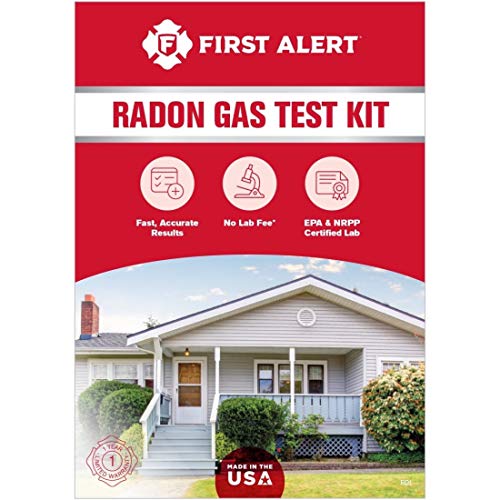 First Alert RD1 Radon Test Kit | Widely stocked; 48-hour charcoal test. | Amazon — $17.95 |
 Airthings Corentium Home | Digital monitor with a long-term average. | Amazon — $142.99 |