Lead Testing in Erie, Colorado | InspectandTest
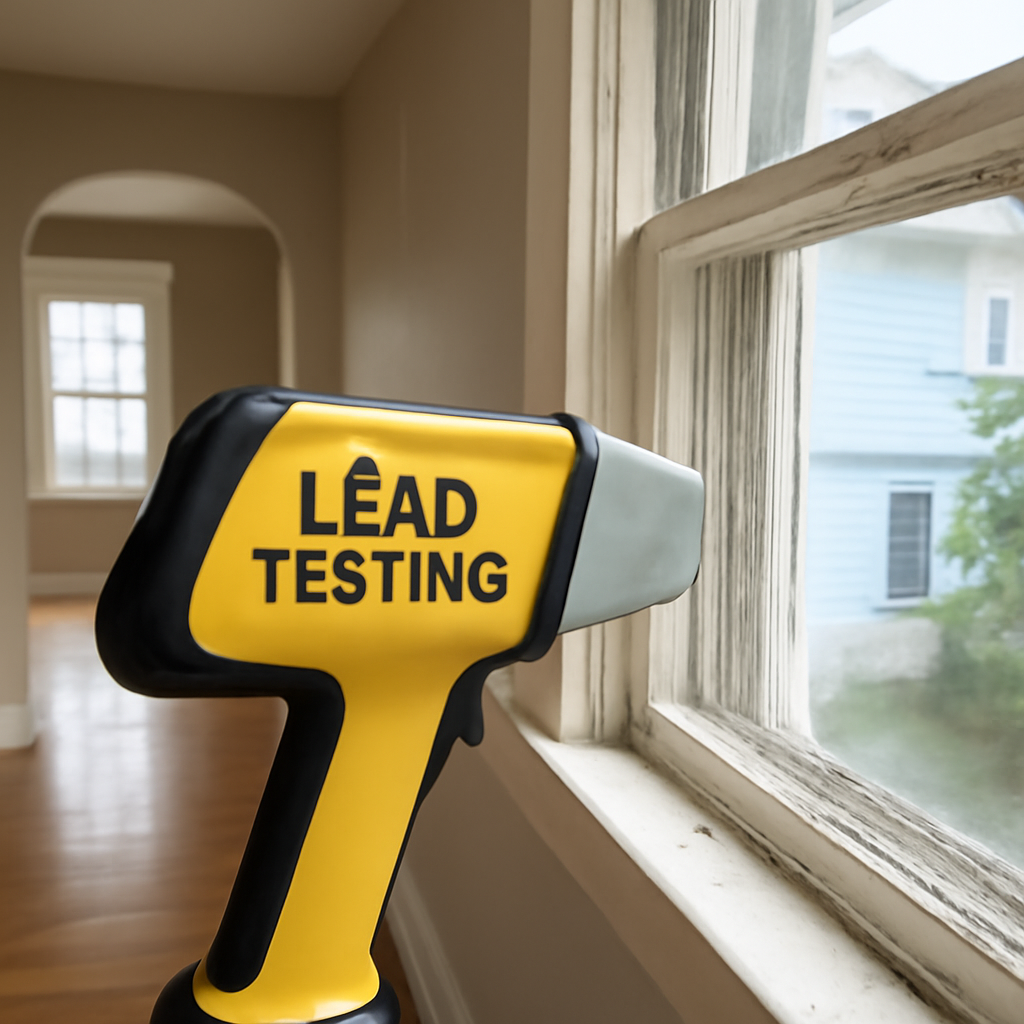
Erie’s rapid growth is built on new construction, but its historic Old Town core dates to the coal-mining era, and those pre-1978 homes are where lead-paint risk concentrates. The federal government banned lead-based paint in housing in 1978, so any Erie home built before that year may contain it. Lead exposure is especially dangerous to young children and pregnant women, even at low levels. This page explains how lead testing erie families should approach, where lead hides locally, and what testing costs. This summary reflects EPA, CDC, and HUD guidance current as of 2026 and is educational; consult a certified professional for testing and abatement decisions.
Part of our Lead Paint & Lead Testing guide — start there for the full picture →
Asbestos or biohazard concern? Speak with a certified contractor.
📞 Call (877) 742-8496Lead testing in Erie: what to know
Lead testing identifies lead in paint, dust, soil, or water so a household can manage or remove the hazard. For homes, the most common concern is lead-based paint and the dust it creates as it ages, chips, or is disturbed during renovation. A certified inspector or risk assessor uses an XRF analyzer to read paint in place, collects dust-wipe samples, or sends paint chips to a lab. The result tells you where lead is present and at what level.
In Erie, the homes most likely to contain lead paint are the pre-1978 properties in and around Old Town. Families with young children buying or renovating one of these older homes are the typical reason for testing. For the wider history of why pre-1978 housing carries this risk, our guide to asbestos and lead in pre-1978 housing lays out the federal rule and the health stakes.
Intact, well-maintained lead paint under newer layers is lower risk than peeling, chalking, or disturbed paint. The danger rises sharply when lead paint is sanded, scraped, or chipping, because that creates the fine dust children can ingest from hands, toys, and surfaces. The CDC is clear that no level of lead in a child’s blood is considered safe, which is why testing before a renovation in an older Erie home matters so much.
Why Erie homes need lead testing
Housing era is the driver. Lead-based paint was used in homes until the 1978 federal ban, so Erie’s pre-1978 Old Town homes are the local stock most likely to contain it. The newer subdivisions, Vista Ridge, Erie Highlands, Colliers Hill, and Flatiron Meadows, were built decades after the ban and are far less likely to have lead paint, which is why testing demand concentrates in the historic core.
Renovation and aging paint raise the risk. In an older Erie home, friction surfaces like windows and doors wear lead paint into dust, and any remodeling that disturbs old painted surfaces, scraping, sanding, or demolition, can spread lead dust through the home. The EPA’s Renovation, Repair and Painting (RRP) Rule requires contractors working in pre-1978 housing to use lead-safe practices for exactly this reason.
Children are the reason it matters most. The CDC links childhood lead exposure to lasting effects on learning, behavior, and development, and young children are most at risk because they put hands and objects in their mouths and absorb lead more readily than adults. For a family with small children moving into or renovating a pre-1978 Old Town home, lead testing is a basic protective step, not an optional one.
What an Erie lead test covers
A lead inspection or risk assessment evaluates where lead is present and whether it poses a current hazard. The two are related but distinct: an inspection finds lead-based paint, while a risk assessment focuses on where that lead is actually creating exposure.
Paint, dust, and soil testing
An XRF analyzer reads lead in painted surfaces without damaging them, identifying which components, window sashes, trim, doors, contain lead-based paint. Dust-wipe samples from floors and windowsills measure the lead dust a child would actually contact, and soil samples near the foundation or in a play area check for lead that has weathered off exterior paint over the decades.
Risk assessment and clearance
A risk assessor prioritizes the hazards that matter, deteriorating paint on a child’s bedroom window versus intact paint buried under newer coats, and recommends interim controls or abatement. After lead work, clearance dust testing confirms the area is safe for re-occupancy. Families concerned about the other major pre-1978 hazard can pair this with our coverage of asbestos testing in Erie, since both often appear in the same older homes.
Lead testing cost in Erie
A professional lead inspection or risk assessment in the Erie market typically runs about $300 to $700, depending on the home’s size and the number of components and samples involved. An XRF-based whole-home inspection sits at the higher end, while a targeted test of a few surfaces or dust wipes costs less. Lab fees for dust or soil samples add modestly to the total.
DIY lead swab kits are inexpensive and can flag obvious lead paint, but they do not measure dust hazards or give the documented, defensible result a professional assessment provides. For a family with young children, or for a renovation that will disturb old paint, the professional assessment is the more reliable investment.
Weigh the cost against the stakes. A few hundred dollars of testing that identifies a deteriorating lead-painted window in a child’s room lets a family fix the hazard before exposure occurs, which is far cheaper, and far less consequential, than managing the lasting health effects of childhood lead exposure after the fact.
What affects lead testing scope and cost in Erie
The range between a $300 targeted test and a $700 full assessment in Erie tracks the scope a household actually needs. A buyer with no young children who simply wants to know whether a specific Old Town window contains lead might pay for a few XRF readings and a dust wipe, the low end. A family with a toddler moving into a pre-1978 home is better served by a full risk assessment that reads every painted component with the XRF analyzer, samples floor and windowsill dust where a child would contact it, and checks soil near the foundation, which sits at the higher end because it covers far more ground.
The home’s history drives the work. An Old Town Erie home repainted many times over the coal-era decades may have intact lead paint buried safely under newer coats in some rooms and deteriorating lead on a friction surface, an old double-hung window or a frequently opened door, in others. The XRF analyzer reads through the layers to find lead wherever it sits, while dust wipes reveal whether that lead is currently becoming the fine dust a child ingests. A risk assessor prioritizes the deteriorating paint near where children sleep and play first, which is what makes an assessment more useful than a bare inventory of every lead surface.
Soil is the scope item Erie buyers most often overlook. Decades of exterior lead paint weathering off a pre-1978 Old Town home can leave elevated lead in the drip-line soil and yard, exactly where children play and track dirt indoors. Adding soil sampling raises the cost modestly but closes an exposure route that interior testing alone would leave open, and once identified, simple measures, ground cover, clean fill, or relocating a play area, address it.
Colorado regulations and disclosure
Federal law requires sellers and landlords of pre-1978 housing to disclose known lead-based paint and provide the EPA’s lead hazard pamphlet, and the Colorado Seller’s Property Disclosure reinforces disclosure of known lead. Contractors performing renovation, repair, or painting that disturbs paint in pre-1978 homes must be EPA RRP-certified and follow lead-safe work practices. These rules apply directly to Erie’s Old Town housing.
For Erie buyers and owners, the practical takeaways are to use the federal disclosure process when buying a pre-1978 home, to hire RRP-certified contractors for any renovation that disturbs paint, and to test before assuming an older home is safe for young children. Colorado does not license home inspectors, so confirm any lead inspector holds the appropriate EPA or state-recognized certification.
Neighborhoods and areas served
Lead testing demand in Erie centers on Old Town, where the pre-1978 coal-era homes carry the highest likelihood of lead-based paint. The newer subdivisions, Vista Ridge, Erie Highlands, Colliers Hill, and Flatiron Meadows, were built well after the 1978 ban and rarely need lead testing. Service typically extends to adjacent Lafayette, Longmont, Frederick, Broomfield, and Dacono, where the same pre-1978 rule applies.
Because Erie spans Boulder and Weld counties, lead risk follows housing age rather than the county line; a historic home on either side warrants the same caution. The broader regional view is covered in our guide to lead testing in Boulder County, which applies the same pre-1978 logic across the area.
How to choose an Erie lead testing provider
Ask whether the provider is an EPA-certified lead inspector or risk assessor, uses XRF and dust-wipe sampling, and explains the difference between an inspection and a risk assessment so you get the service your situation calls for. A good provider focuses on where children are actually exposed, not just where lead exists, and gives clear, prioritized recommendations.
For a family with young children, a risk assessment is often more useful than a bare inspection, because it identifies which hazards matter most and what to fix first. Ask for documented results, photos, and lab reports, especially if the finding will feed a transaction or a renovation plan.
Separate testing from abatement where possible to avoid a conflict of interest, and confirm that any lead work includes clearance dust testing before re-occupancy. Pairing a lead assessment with a broader look at an older home is efficient; our coverage of home inspection in Erie shows how these pieces fit together. A provider who explains which intact paint can safely stay in place is giving sound guidance, since not every lead surface requires removal.
Consider interim controls alongside full abatement. In many older Erie homes, the practical first step is not stripping every lead-painted surface but stabilizing the hazards that matter, repainting a deteriorating window, fixing the friction surfaces that grind paint into dust, and cleaning up existing dust with proper wet methods. The EPA and HUD both recognize interim controls as a legitimate way to reduce exposure while a household plans for eventual abatement. A risk assessor who lays out a staged plan, address the child’s bedroom window now, the porch railing later, gives a family a realistic path rather than an all-or-nothing demand they may not be able to afford at once.
Think about soil as well as paint in Old Town. Decades of exterior lead paint weathering off a pre-1978 Erie home can leave elevated lead in the soil around the foundation and in former drip lines, exactly where children play and track dirt indoors. A thorough assessment of an older property includes soil sampling near the house and in any garden or play area, because remediating interior paint while ignoring contaminated soil leaves an exposure route open. Simple measures, ground cover, a barrier of clean soil or mulch, or relocating a play area, can address the soil pathway once testing reveals it.
References
- Lead in paint, dust, and soil — U.S. Environmental Protection Agency
- Childhood lead poisoning prevention — Centers for Disease Control and Prevention
- Lead-based paint disclosure rules — U.S. Department of Housing and Urban Development
Frequently asked questions
Which Erie homes are most likely to have lead paint?
Pre-1978 homes, concentrated in Erie's historic Old Town from the coal-mining era, are the most likely to contain lead-based paint. The newer subdivisions were built decades after the 1978 federal ban and rarely have it.
When should I test for lead in Erie?
Test before buying or renovating a pre-1978 home, especially with young children in the household. Aging or disturbed paint creates lead dust, which is the main exposure route for children.
How much does lead testing cost in Erie?
A professional inspection or risk assessment typically runs $300 to $700, depending on home size and the number of samples. DIY swab kits are cheaper but do not measure dust hazards or give a documented result.
Is intact lead paint dangerous?
Intact, well-maintained lead paint under newer layers is lower risk. The danger rises when paint chips, chalks, or is disturbed by sanding or scraping, which creates the fine dust children can ingest.
Do contractors need certification for pre-1978 Erie homes?
Yes. The EPA's RRP Rule requires contractors who disturb paint in pre-1978 housing to be lead-safe certified and follow specific work practices to contain lead dust during renovation.
Should I test the soil around an Old Town Erie home for lead?
Often yes. Decades of exterior lead paint weathering off a pre-1978 home can leave elevated lead in the drip-line soil and yard, where children play and track dirt indoors. Soil sampling closes an exposure route that interior testing alone would leave open.
If you have young children and are buying or renovating a pre-1978 Erie home, lead testing is a basic protective step worth taking first. To connect with a vetted local lead inspector, reach out through our contact page.