Mold Removal Charleston: What to Know

Charleston’s coastal beauty pairs with a humid Lowcountry climate that keeps mold a recurring problem for homeowners. Mold removal in Charleston spans everything from cleaning a small bathroom stain to full remediation of a moisture-laden crawl space. Knowing what removal really involves, what it costs, and how to hire well protects you from both overpaying and under-treating the problem. This guide summarizes EPA and CDC guidance current as of 2026. It is general information rather than medical advice — consult your physician about symptoms and a licensed professional for removal decisions.
Part of our Mold Removal & Remediation guide — start there for the full picture →
Is this mold, asbestos, or water damage? Get a free instant screen
Upload a clear photo of the suspect area. You'll get an instant AI screening opinion and what to do next. This is screening guidance, not a professional determination.
Screening guidance only. AI can be wrong. Confirm asbestos, mold type, or lead with lab testing or a licensed professional before acting.
What Does Mold Removal in Charleston Involve?
Mold removal means physically taking mold and contaminated material out of a space, then cleaning and treating what remains. For small surface jobs that may be detergent cleaning and disposal of a few items. For larger contamination it becomes full remediation: containment, HEPA filtration, removal of porous materials, antimicrobial treatment, drying, and verification.
It helps to know that complete removal of all mold is impossible — spores exist everywhere in the air. The realistic goal is to return indoor mold to normal background levels and fix the moisture that caused the outbreak. The EPA stresses that without addressing the water source, mold returns no matter how thoroughly it is removed. Understanding how mold remediation works clarifies what “removal” should actually include.
Why Charleston’s Climate Drives Mold
The Lowcountry’s warm, humid coastal air routinely exceeds the humidity level at which mold thrives indoors. Salt air, frequent rain, and a high water table keep building materials damp. Many Charleston homes sit over vented crawl spaces, where humid outdoor air condenses on cool framing and feeds mold on joists and subfloor.
Tropical storms and hurricanes add periodic flooding. The EPA notes mold can begin growing on wet materials within 24 to 48 hours, so storm-soaked homes often develop hidden growth before repairs even start. Historic downtown homes with original plaster and wood are especially vulnerable. Catching problems early, such as black mold on carpet after water intrusion, limits how much removal is needed.
The Removal Process Step by Step
A thorough Charleston removal follows a predictable sequence. The contractor confirms the extent of growth and identifies the moisture source, then isolates the area with plastic sheeting and establishes negative air pressure so spores do not migrate to clean rooms.
Workers remove non-salvageable porous materials such as saturated drywall, carpet, and insulation, clean hard surfaces with detergent or antimicrobial agents, and HEPA-vacuum the space. Drying equipment runs until moisture readings normalize. Finally the moisture source is corrected, and many projects conclude with independent clearance testing to verify the removal succeeded.
What Mold Removal Costs in Charleston
Costs depend on the size and location of the affected area. Small jobs under about 10 square feet may run a few hundred dollars or be handled by the homeowner with EPA precautions. Mid-size projects covering a room commonly fall between $1,500 and $4,500, while extensive contamination or crawl-space work can exceed $10,000. Per-square-foot rates for professional removal typically run $10 to $25.
Crawl-space removal is a frequent Charleston expense and tends to price at the higher end because of awkward access and the need for encapsulation. Testing and clearance verification are billed separately, usually $300 to $600 each. Always get an itemized written estimate; our overview of home mold remediation cost explains the components.
Crawl Spaces and Coastal Homes
Because so many Lowcountry homes have vented crawl spaces, that area drives much of the region’s mold work. Humid air entering the vents condenses on cool wood, creating ideal mold conditions and musty odors that rise into living space. Removing the mold without addressing ventilation simply resets the clock.
The durable fix is encapsulation: sealing the crawl space with a heavy vapor barrier, closing vents, and adding a dedicated dehumidifier. It costs more upfront but stops the recurring cycle. Homeowners should ask whether a removal quote includes a crawl-space moisture strategy or only surface cleanup.
Health and Safety During Removal
The CDC and EPA report that mold exposure can cause nasal congestion, throat irritation, coughing, and wheezing, with stronger effects for people who have asthma, allergies, or weakened immunity. Disturbing mold during removal temporarily raises airborne spore levels, which is why containment and protective equipment matter.
Professional crews wear respirators, gloves, and eye protection. Homeowners tackling small jobs should do the same and ventilate to the outside, not into the rest of the house. If you have a respiratory condition or compromised immunity, the CDC recommends avoiding the work and consulting a physician. Health concerns often tip the decision toward hiring a professional.
Storm Damage and Removal Timing
Charleston’s exposure to tropical storms and hurricanes makes timing critical. After a major weather event, demand for removal surges and reputable contractors book out quickly. The EPA’s window is tight: mold can begin growing on wet materials within 24 to 48 hours, so the gap between flooding and removal directly affects how far the problem spreads.
Homeowners can limit damage while waiting for a crew by removing standing water, discarding obviously saturated porous items, and running fans and dehumidifiers to begin drying. Photograph everything before cleanup to support insurance claims. Because flood-related mold often hides inside walls and under flooring, a post-storm removal should include moisture mapping rather than addressing only visible growth. Acting quickly and choosing a contractor who assesses hidden damage gives the best chance of confining a storm-driven mold problem before it works through the structure.
Insurance and Mold Removal in Charleston
Whether insurance offsets removal costs depends on the cause. Many homeowners policies cover mold only when it results from a covered, sudden event such as a burst pipe, and exclude mold from long-term humidity, deferred maintenance, or flooding. Flood damage typically requires separate flood insurance, which is a real consideration in a coastal city with significant flood exposure.
Coverage caps for mold remediation are common, often limiting payouts even when a policy responds. Homeowners planning to file a claim should document conditions before cleanup, keep the contractor’s itemized estimate, and notify the insurer promptly. An independent assessment that ties the mold to a specific covered event strengthens the claim. Because coverage varies widely, reviewing your policy’s mold and flood provisions before assuming reimbursement is prudent. The distinction between a sudden leak and gradual coastal moisture intrusion frequently decides whether a Charleston claim is paid.
How to Hire a Mold Removal Company in Charleston
South Carolina does not license mold contractors the way some states do, so vetting matters more. Look for companies that follow EPA remediation guidance, carry liability insurance, and provide a written scope naming the moisture source, containment plan, and disposal method. IICRC or InterNACHI certification indicates trained personnel.
Collect at least two or three written estimates and be wary of bids far below the rest, which often exclude containment or rebuild. Ask whether the company recommends independent clearance testing rather than verifying its own work. The mold inspection and testing hub lists the questions worth asking before you sign.
Preventing Mold After Removal
Because total removal of spores is impossible, prevention is the part of the job that lasts. The CDC and EPA recommend keeping indoor relative humidity below 50 percent, venting bathrooms and kitchens outside, repairing leaks quickly, and using dehumidifiers in basements and crawl spaces. In the Lowcountry, dehumidifiers are practically essential.
After storms, dry materials within 24 to 48 hours and discard saturated porous items. Maintain gutters and grading to move water away from the foundation, and service HVAC systems so condensate drains work. Sustained moisture control does far more to prevent recurrence than any single removal, especially in Charleston’s persistently damp climate.
Historic Homes and Removal Challenges
Charleston’s historic housing adds complications that newer homes avoid. Original plaster, old-growth wood, and period millwork are hard to replace and may carry preservation requirements in historic districts. Removal in these homes leans toward careful cleaning and salvage of significant materials rather than wholesale demolition, which calls for a contractor experienced with older construction.
Older homes also tend to have minimal ventilation, single-pane windows that condense, and below-grade spaces never designed to stay dry. A removal plan for a historic property should balance mold elimination against material preservation and address the building’s inherent moisture tendencies. Homeowners in regulated districts should confirm whether planned material removal or exterior moisture work needs approval before starting, since that affects both timeline and cost.
What a Removal Estimate Should Include
A complete Charleston removal estimate itemizes more than the cleanup. Look for containment setup, negative air pressure with HEPA scrubbers, removal of contaminated porous materials, antimicrobial treatment, structural drying with daily equipment rental, and disposal fees. The estimate should name the moisture source and the corrective work, whether crawl-space encapsulation, leak repair, or humidity control.
Confirm whether the rebuild — replacing removed drywall, flooring, or insulation — is included or quoted separately, since many estimates cover only the removal and leave reconstruction to another trade. Clearance testing should be noted as an independent step. An itemized estimate lets you compare bids fairly and spot the lowball that omits containment or the source fix, both essential to a lasting result in a humid coastal climate.
How Long Charleston Removal Takes
Timelines vary with scope. A small contained job may finish in a day or two, while a moderate room-sized project typically runs three to five days including drying. Crawl-space encapsulation adds several more days. Drying is often the rate-limiting step, since equipment must run until moisture readings return to normal, and the Lowcountry’s ambient humidity can slow that process.
Weather matters too. Storms and high outdoor humidity can extend drying and delay exterior repairs. Homeowners should plan for a job to run longer if hidden damage appears once walls are opened. Building in schedule flexibility, and confirming the contractor verifies dryness before closing walls, helps avoid a rushed job that traps moisture and invites the mold straight back.
Choosing Materials That Resist Future Mold
When removal involves rebuilding, the materials chosen for the repair can lower the odds of recurrence in Charleston’s humid climate. Where moisture exposure is a recurring concern, mold-resistant drywall — paperless or fiberglass-faced board — holds up better than standard gypsum, which feeds mold through its paper facing. Closed-cell insulation in crawl spaces and below-grade walls resists moisture far better than fiberglass batts.
In bathrooms and other wet areas, cement backer board behind tile, properly sealed grout, and good exhaust ventilation limit the conditions mold needs. For crawl spaces, encapsulation with a heavy vapor barrier and a dehumidifier addresses the root issue rather than just replacing what was removed. These upgrades add modest upfront cost but pay off in a coastal climate where moisture pressure never fully lets up.
What to Do Right After Discovering Mold
When mold first appears, a few immediate steps limit how far it spreads before a crew arrives. Address any active water — stop a leak, mop standing water, and improve ventilation. Avoid disturbing heavy growth, since that releases spores; instead, isolate the area by closing doors. Photograph the affected materials for insurance and contractor reference.
Run a dehumidifier and fans to begin drying, but do not aim airflow from the contaminated area into clean rooms. Do not paint over or seal mold in the hope of hiding it, as that does not stop growth. For anything beyond a small hard-surface patch, contact a removal professional rather than attempting a large job yourself, particularly if household members have respiratory sensitivities. Acting quickly to control moisture buys time and often keeps the eventual removal smaller and less expensive.
References
- Mold Cleanup in Your Home — U.S. Environmental Protection Agency
- About Mold and Your Health — Centers for Disease Control and Prevention
- A Brief Guide to Mold, Moisture and Your Home — U.S. Environmental Protection Agency
Frequently asked questions
How much does mold removal cost in Charleston?
Small jobs may run a few hundred dollars, mid-size room projects $1,500 to $4,500, and extensive or crawl-space work over $10,000. Professional per-square-foot rates typically run $10 to $25. Get an itemized estimate.
Why is crawl-space mold so common in Charleston?
Many Lowcountry homes have vented crawl spaces where humid coastal air condenses on cool framing, feeding mold on joists and subfloor. Encapsulation with a vapor barrier and dehumidifier is the durable fix.
Does South Carolina license mold removal companies?
South Carolina lacks a formal mold licensing program, so vetting matters more. Look for EPA-aligned practices, liability insurance, and IICRC or InterNACHI certification.
Can I remove mold myself in a Charleston home?
The EPA suggests homeowners can handle hard-surface mold under about 10 square feet with proper precautions. Larger jobs, crawl spaces, HVAC contamination, or storm flooding call for a professional.
If you are buying or maintaining a Front Range home and want a clear assessment before paying for removal, reach out through our contact page to connect with a vetted local inspector.
Mold removal & cleanup picks
For a small, contained patch (under ~10 sq ft) these EPA-friendly removers handle surface mold. Larger or recurring growth warrants a professional assessment first.
| Product | Why | Buy |
|---|---|---|
 RMR-86 Instant Mold Stain Remover | Fast-acting on stains; ventilate and wear PPE. | Amazon — $29.99 |
 Concrobium Mold Control | No-bleach formula that also helps prevent regrowth. | Amazon — $11.26 |
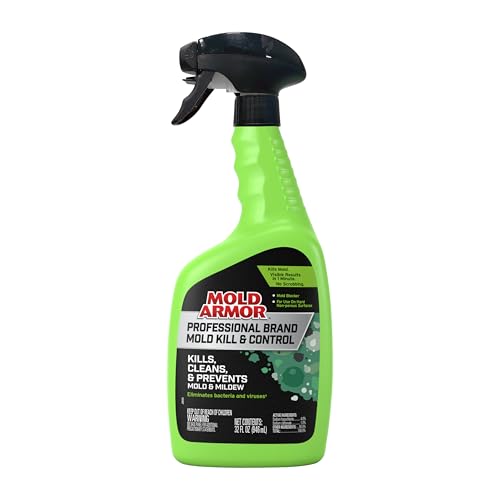 Mold Armor Mold & Mildew Remover | Widely stocked bathroom/surface remover. | Amazon — $22.98 |