Mold Removal Atlanta: What Homeowners Need to Know

Atlanta’s warm, humid climate keeps indoor moisture high for much of the year, and that creates ideal conditions for mold to take hold inside homes. From basements in Decatur to crawl spaces in Marietta, persistent dampness is one of the most common reasons local homeowners search for help. Understanding how mold removal Atlanta projects actually work, what they cost, and how to separate a qualified remediator from a fly-by-night operation can save thousands of dollars and protect your family’s health. This guide summarizes EPA, CDC, and related public-health guidance current as of 2026; consult your physician about symptoms and a certified professional for testing and remediation decisions.
Part of our Mold Removal & Remediation guide — start there for the full picture →
Is this mold, asbestos, or water damage? Get a free instant screen
Upload a clear photo of the suspect area. You'll get an instant AI screening opinion and what to do next. This is screening guidance, not a professional determination.
Screening guidance only. AI can be wrong. Confirm asbestos, mold type, or lead with lab testing or a licensed professional before acting.
What does mold removal in Atlanta involve?
Mold removal, more accurately called remediation, is the process of identifying a moisture source, containing the affected area, physically removing contaminated material, cleaning surfaces, and verifying that the work returned the space to normal conditions. The Environmental Protection Agency stresses that the goal is not a sterile, mold-free home, because mold spores are everywhere in outdoor and indoor air. The goal is to remove active growth and fix the water problem feeding it.
In the Atlanta metro, the moisture source is often tied to the region’s humidity. Air conditioning systems that run constantly in summer can produce condensation. Crawl spaces under older homes in neighborhoods like Grant Park or East Atlanta frequently lack vapor barriers. Slab leaks, roof flashing failures, and poorly graded yards that push rainwater toward foundations all contribute. A remediator who skips the moisture diagnosis is treating a symptom, not the disease.
Why Atlanta homes are prone to mold
Georgia summers routinely push outdoor relative humidity above 70 percent. When that moist air meets cooler interior surfaces, condensation forms on windows, ductwork, and the back side of drywall. Mold needs only moisture, a food source such as paper-faced gypsum or wood, and time. Most species can colonize a damp surface within 24 to 48 hours.
Basements and crawl spaces are the usual suspects. Many Atlanta homes sit on red-clay soil that holds water, and during heavy rain that moisture wicks through foundation walls. Bathrooms with weak exhaust fans, laundry rooms, and the area around water heaters round out the list. Homeowners who notice a musty smell that returns after cleaning are usually dealing with a hidden moisture source rather than a surface problem.
How much does mold removal cost in Atlanta?
Pricing varies with the size of the affected area, the type of material involved, and how accessible the work zone is. Small, contained jobs, such as a single bathroom wall, often fall in the low hundreds of dollars. Larger projects involving a finished basement, multiple rooms, or HVAC contamination can climb into the thousands.
Industry estimates commonly place a typical residential remediation somewhere between $1,500 and $6,000, with extensive jobs running higher. Crawl space work, which may include installing a vapor barrier and a dehumidifier, sits at the upper end. For a deeper breakdown of how square footage drives pricing, see our guide on mold removal cost per square foot, which explains the line items most contractors use.
What drives the price up
Several factors push an Atlanta quote higher. Black, heavily colonized growth on porous materials usually means tear-out and replacement rather than cleaning. Contamination inside ductwork requires specialized cleaning and sometimes duct replacement. If testing reveals elevated airborne spore counts, the contractor may need full containment with negative air pressure, which adds equipment and labor.
The mold remediation process step by step
A professional remediation in Atlanta typically follows a consistent sequence. First comes assessment, where the contractor inspects the property, measures moisture, and may collect samples. Next is containment, using plastic sheeting and negative-pressure machines to keep spores from spreading to clean areas.
Removal follows. Non-salvageable porous materials, including soaked drywall, carpet, and insulation, are bagged and discarded. Salvageable surfaces are HEPA-vacuumed and wiped with appropriate cleaning agents. After removal, the team dries the area thoroughly, often running commercial dehumidifiers and air movers for several days. Finally, a post-remediation verification confirms the space is dry and visibly clean. Our overview of how mold remediation works walks through each of these phases in greater detail.
Mold removal versus mold testing
Testing and removal are separate services, and conflating them can lead to overspending. Testing measures the type and concentration of mold present, usually through air or surface samples sent to a lab. Removal is the physical work of getting rid of it. The EPA notes that visible mold generally does not require testing before remediation, since the response is the same regardless of species: remove it and fix the moisture.
Testing makes sense in specific situations, such as confirming a problem behind walls, settling a dispute with a landlord or seller, or verifying that a completed job worked. To avoid a conflict of interest, many experts recommend that the company doing the testing not be the same one doing the removal. Compare your options against a broader mold remediation and removal overview before committing.
Health concerns linked to indoor mold
The CDC reports that exposure to damp, moldy environments can cause a range of effects in sensitive individuals, including nasal congestion, throat irritation, coughing, wheezing, and eye irritation. People with asthma or compromised immune systems may experience more serious reactions. The agency is careful to note that current evidence does not support many of the dramatic claims circulated online about so-called toxic mold.
What is well established is that fixing the dampness reduces both the mold and the symptoms it can aggravate. If household members report persistent respiratory issues that improve when they leave the home, that pattern is worth discussing with a doctor. Health decisions belong with a physician, not a remediation salesperson.
How to choose a mold removal company in Atlanta
Georgia does not require a specific state license solely for mold remediation, which makes vetting especially important. Ask whether the technicians hold credentials from a recognized body such as the IICRC. Request a written scope of work that names the moisture source and the materials to be removed. Be wary of any company that pressures you toward expensive testing it also profits from removing.
Get more than one estimate, confirm the company carries liability insurance, and read the fine print on any warranty. A reputable Atlanta remediator will explain what they are doing and why, document the moisture problem, and offer a post-job verification rather than simply declaring the work done.
Signs you may have a mold problem
Mold does not always announce itself with a visible patch. A persistent musty, earthy odor that returns after cleaning is one of the most reliable early warnings, because the smell can escape from wall cavities and crawl spaces the eye never sees. Discoloration on walls, ceilings, or grout, especially in clusters of black, green, or fuzzy spots, is the obvious visual cue.
Other clues are indirect. Warping or bubbling paint and wallpaper, a damp or clammy feeling in a room despite the AC running, and water staining around windows or along the base of walls all point to the moisture that feeds mold. Some households notice that allergy-like symptoms, including congestion or a scratchy throat, ease when they leave the house and return when they come home. That pattern is worth raising with a physician and investigating as a possible indoor air issue, though only a professional can connect it to a specific source.
Common problem areas in Atlanta homes
Certain spaces account for the bulk of mold calls across the metro, and knowing them helps homeowners catch trouble early. Basements top the list. Many homes east and north of the city sit on slopes where stormwater runs toward the foundation, and the porous concrete-block walls common in mid-century construction wick that moisture inward. A finished basement compounds the risk because drywall and carpet sit directly against potentially damp walls.
Crawl spaces are a close second. Builders historically vented crawl spaces to the outside, but in Atlanta’s humid summers that practice often backfires, drawing moist air into a cool space where it condenses on framing and ductwork. Bathrooms with undersized or unducted exhaust fans trap shower moisture, and attics with blocked soffit vents or bathroom fans dumping into them develop growth on the underside of the roof deck. Kitchens, laundry rooms, and the area around HVAC air handlers round out the list.
The role of the HVAC system
Atlanta homes run air conditioning for much of the year, and the AC system is both a defense against and a potential source of mold. A properly sized, well-maintained system removes humidity along with heat, keeping indoor air dry. An oversized unit cools the air quickly without running long enough to dehumidify, leaving the home cool but clammy. Condensate that overflows a clogged drain pan, dirty evaporator coils, and damp ductwork can all seed growth that the blower then distributes throughout the house. A remediator who finds mold near supply registers will often investigate the system itself.
DIY cleanup versus hiring a professional
Not every spot of mold demands a contractor. The EPA’s guidance allows homeowners to clean small areas, generally under about 10 square feet, on hard surfaces themselves, using detergent and water while wearing gloves, eye protection, and an N95-type respirator. A patch of growth on bathroom tile grout or a window sill usually falls into this category, provided the moisture source is corrected.
Larger jobs, contamination inside walls or ductwork, and any situation involving a household member with asthma or a compromised immune system tip toward professional remediation. Porous materials that are heavily contaminated, such as soaked drywall or carpet, generally cannot be salvaged by surface cleaning and need removal under containment. The risk of a DIY approach on a big job is twofold: incomplete removal that lets the problem return, and spreading spores to clean areas without proper containment.
Timeline of a typical Atlanta remediation
Homeowners often want to know how long they will be displaced. A small, contained job may wrap up in a single day. A mid-sized project, such as a bedroom or a section of basement, commonly spans two to four days once drying time is included. Larger jobs with extensive demolition, HVAC involvement, or crawl space encapsulation can run a week or more.
The drying phase is what surprises people. After removal and cleaning, commercial dehumidifiers and air movers often run for several days to bring materials back to a normal moisture content, and the area should be confirmed dry before any rebuilding begins. Rushing reconstruction over still-damp framing is one of the most common ways a remediation fails and the mold returns within months.
Preventing mold from coming back
Remediation fails when the underlying moisture is never addressed. In Atlanta’s climate, prevention usually means controlling humidity. The EPA recommends keeping indoor relative humidity below 60 percent, ideally between 30 and 50 percent. A dehumidifier in the basement or crawl space, properly sized exhaust fans in bathrooms, and prompt repair of any leak go a long way.
Outside the house, grade soil away from the foundation, keep gutters clear, and extend downspouts so roof runoff lands well away from the walls. Inside, address condensation on cold surfaces, run bathroom fans during and after showers, and avoid storing cardboard or fabric directly on damp concrete. Consider crawl space encapsulation with a sealed vapor barrier and a dedicated dehumidifier if that space is a recurring source. For homeowners across the Front Range and beyond researching their options, our mold inspection and testing hub collects guidance that applies in any humid climate.
References
- Mold Cleanup in Your Home — U.S. Environmental Protection Agency
- About Mold and Health — Centers for Disease Control and Prevention
- A Brief Guide to Mold, Moisture, and Your Home — U.S. Environmental Protection Agency
Frequently asked questions
How long does mold removal take in an Atlanta home?
Most residential jobs take one to five days depending on the size of the affected area and the drying time required. Small contained jobs may finish in a day, while crawl space or whole-room projects with heavy drying can run a week.
Is mold testing required before removal in Atlanta?
Usually not. The EPA notes that visible mold can be remediated without identifying the species first, since the response is the same. Testing is most useful for hidden growth, disputes, or post-job verification.
Does homeowners insurance cover mold removal in Georgia?
It depends on the cause. Many policies cover mold only when it results from a sudden, covered event like a burst pipe, and exclude gradual moisture problems. Read your policy and ask your insurer before assuming coverage.
What humidity level prevents mold growth?
The EPA recommends keeping indoor relative humidity below 60 percent, ideally between 30 and 50 percent. In Atlanta's climate, a dehumidifier is often needed to hold that range during summer.
If you are in the metro area and want help connecting with a vetted inspector or remediation professional before you buy or remediate, reach out through our contact page and we will point you in the right direction.
Mold removal & cleanup picks
For a small, contained patch (under ~10 sq ft) these EPA-friendly removers handle surface mold. Larger or recurring growth warrants a professional assessment first.
| Product | Why | Buy |
|---|---|---|
 RMR-86 Instant Mold Stain Remover | Fast-acting on stains; ventilate and wear PPE. | Amazon — $29.99 |
 Concrobium Mold Control | No-bleach formula that also helps prevent regrowth. | Amazon — $11.26 |
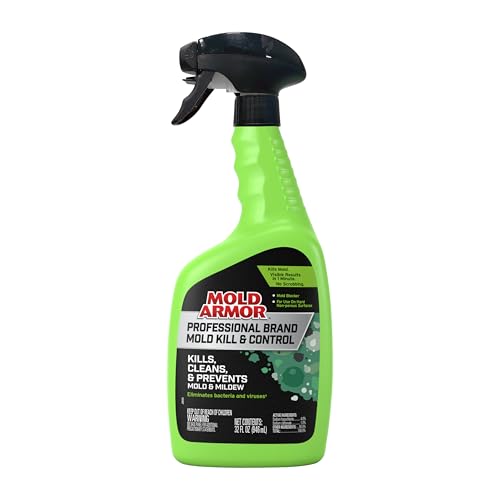 Mold Armor Mold & Mildew Remover | Widely stocked bathroom/surface remover. | Amazon — $22.98 |