Mold Inspection Sandy Springs: A Metro Atlanta Guide
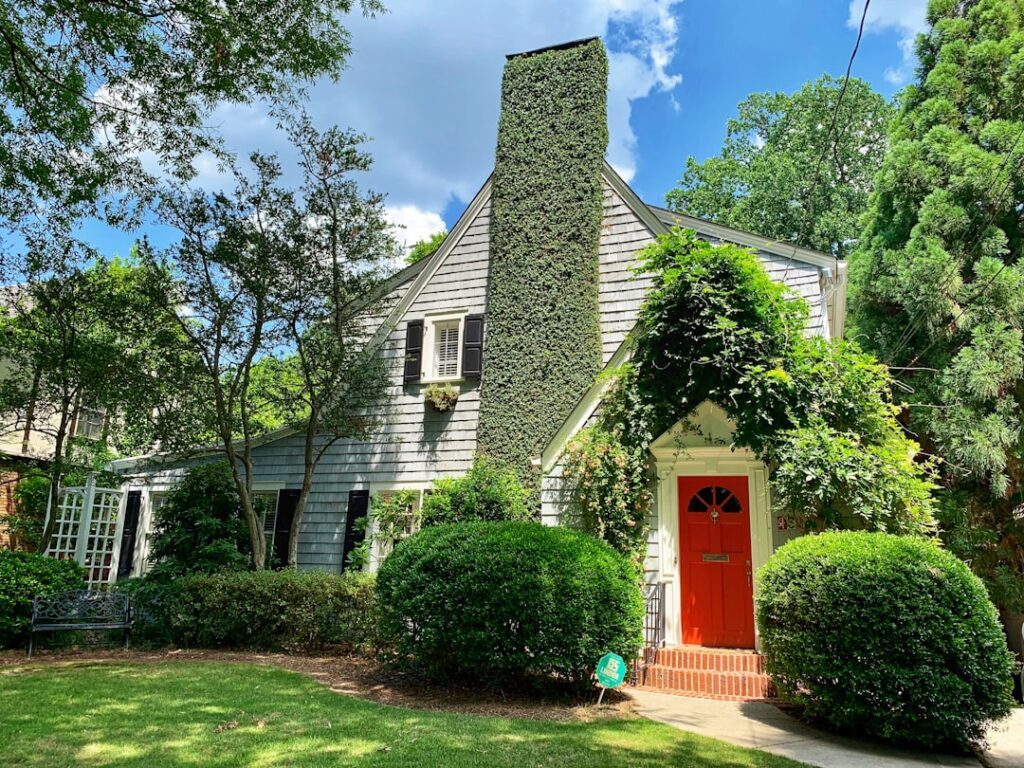
Sandy Springs is one of metro Atlanta’s largest suburbs, with housing stock ranging from 1960s ranches in Riverside to newer townhomes in Perimeter Center to high-end builds in Buckhead-adjacent neighborhoods. North Fulton County’s humid subtropical climate, mixed basement and crawl-space construction, and the long Atlanta summer make mold inspections a regular part of homeownership rather than a rare event. A mold inspection Sandy Springs homeowners commission needs to account for HVAC sizing, basement and crawl-space moisture, and Georgia’s specific lack of state licensing for mold professionals. This guide explains what proper inspection looks like and how to read findings critically. This guide summarizes EPA and CDC guidance current as of 2026 — consult your physician for symptoms and a certified mold professional for testing decisions. InspectandTest currently routes hands-on leads only on the Colorado Front Range; the framework below is general guidance for the Sandy Springs climate.
Part of our Mold Testing & Inspection guide — start there for the full picture →
Is this mold, asbestos, or water damage? Get a free instant screen
Upload a clear photo of the suspect area. You'll get an instant AI screening opinion and what to do next. This is screening guidance, not a professional determination.
Screening guidance only. AI can be wrong. Confirm asbestos, mold type, or lead with lab testing or a licensed professional before acting.
What a Sandy Springs mold inspection should cover
Inspections in metro Atlanta cover exterior walkaround, attic, living levels, basement or crawl space, and any detached structures. The inspector documents grading, downspout discharge, foundation venting, roof condition, and obvious flashing or siding issues from outside. Inside, they work top-down: attic first, then floors in order, finishing with basement and crawl space. Moisture meter readings get logged on suspect substrates. Air and surface sampling may supplement the visual work depending on findings.
Georgia does not license mold inspectors or remediators at the state level. Sandy Springs homeowners need to evaluate credentials individually. Look for ACAC (CMI, CMC, CIEC), IAC2, or InterNACHI mold certifications. Ask how many metro Atlanta inspections the firm has completed in the past year — local pattern recognition speeds accurate diagnosis.
Why Sandy Springs homes develop mold
Atlanta humidity is the dominant driver. Summer dew points routinely top 70°F from May through September, and outdoor relative humidity sits above 75 percent for months. Indoor RH without aggressive HVAC and dehumidification climbs above 60 percent — well above EPA’s recommended 30-50 percent. Mold pressure is high half the year and continuous in homes with marginal moisture control.
Oversized air conditioning is a frequent hidden driver. AC removes moisture by running long enough for cool surfaces to condense water. A unit sized for peak load cycles on and off too quickly during shoulder seasons, cooling without dehumidifying. Indoor RH climbs even when the thermostat reads 72°F. This pattern is especially common in larger Sandy Springs homes where contractors oversized systems to ensure summer cooling capacity.
Basement and crawl-space construction
Sandy Springs has both basements and crawl spaces depending on lot grade and home era. Older crawl spaces with passive vents draw humid Atlanta air into the structure during summer — a moisture-adding design that has been replaced by encapsulation in modern coastal-South building practice. Basements in north Fulton tend toward block construction with parge coats that wick groundwater after heavy rains. Both create the typical Atlanta finished-basement mold pattern when homeowners install drywall and carpet against cold masonry walls.
Attic ventilation
Atlanta attics regularly hit 130°F in summer and 30°F in winter. Without proper soffit-to-ridge ventilation, heat and moisture build up against sheathing, supporting growth on the underside of plywood. Bath fans that vent to the attic rather than the exterior compound the problem. Inspectors should look at attic ventilation as carefully as they look at basement moisture in this market.
What inspections cost in Sandy Springs
Metro Atlanta mold inspection pricing is mid-range nationally — somewhat below DC and coastal, somewhat above Midwest. Visual-only inspections of single-family homes typically fall in the mid-hundreds. Adding air sampling with an outdoor control moves the price up. Comprehensive inspections of larger Sandy Springs homes with basements, detached garages, and multiple HVAC zones can reach the upper hundreds. Itemized quotes are easier to compare than bundled flat fees.
Avoid free inspections offered by remediation companies. The economics push toward finding work — a finding of “no significant issue” doesn’t pay the day. Independent inspectors who do not offer remediation give defensible reports you can use to compare remediation bids. The mold inspection and testing pillar covers assessor-vs-remediator independence in detail.
Sampling decisions
Air sampling makes sense when occupants report symptoms but no visible growth exists, when documentation supports an insurance claim, or for post-remediation verification. Spore-trap cassettes pull air over a sticky slide for accredited-lab analysis. Always include at least one outdoor control sample — Atlanta summer outdoor counts are naturally elevated, and interpretation depends on comparison.
Surface sampling identifies what species is growing on visible material. Useful for transaction documentation or distinguishing active growth from historic, dried-out staining. Tape lifts and swabs add modest lab fees. Lab turnaround typically runs three to seven business days, so time inspections accordingly during real-estate contingencies.
Reading the Sandy Springs report
A useful report names rooms surveyed, lists meter readings with locations, identifies visible growth, photographs each finding, and recommends specific next steps tied to identified moisture sources. Reports that recommend remediation without identifying a moisture source are incomplete. Mold doesn’t grow without water; if the source isn’t named, remediation will fail and the problem will return.
Lab reports compare indoor and outdoor spore counts by species. Indoor concentrations exceeding outdoor for the same species is a meaningful flag. Aspergillus and Penicillium are nearly always present at low levels everywhere — interpretation depends on context. Stachybotrys and Chaetomium absent outdoors but present indoors point to chronic wet materials and stronger remediation signals.
Common Sandy Springs findings
Three patterns dominate metro Atlanta inspection reports. First: basement perimeter mold on finished-basement drywall pressed against masonry. Solution involves removing the bottom 24 inches of drywall, addressing moisture intrusion, and rebuilding with a gap between framing and cold wall. Second: HVAC-related mold on supply registers, drip pans, and surrounding ceiling. Solution involves coil cleaning, drain-line clearing, and often unit resizing for shoulder-season latent-load handling. Third: attic sheathing mold from inadequate ventilation and bath fans dumping moisture into the attic.
Each pattern is a building-science problem more than a mold problem. The mold is the symptom. Reports that treat the visible mold without naming the underlying cause produce remediation that fails. Push back on findings that don’t tie cause to scope of work — that’s the assessor’s job.
Health considerations
CDC and EPA describe mold as an irritant and allergen, not a pathogen in healthy adults. Asthmatic occupants and people with mold allergies experience the most pronounced symptoms. Children, pregnant residents, and immunocompromised individuals face elevated risk and should consider relocation during active remediation regardless of containment quality.
Symptoms that resolve when you leave the home and return on re-entry point toward a building-related cause. Symptoms unrelated to location point toward allergens, viruses, or unrelated medical conditions. Mold inspection answers the environmental question; physicians answer the medical one. Don’t conflate them.
Real-estate transactions in Sandy Springs
Sandy Springs’s mix of older 60s-70s ranches and newer luxury builds means buyers commonly request mold inspections during due diligence. A standard home inspection often flags suspected mold but does not test for it; a separate mold-focused inspection gets documentation. Time inspections so results return before the contingency deadline — lab work adds three to seven business days.
Sellers can pre-inspect to head off surprises during buyer inspections. A clean pre-listing report is a marketing asset; issues identified early give time for remediation before listing. For broader buyer-side process, the mold house inspection guide walks through transaction timelines and the free mold inspection Atlanta guide explains the conflict-of-interest issues with no-cost offers in the metro market.
Prevention in the Atlanta climate
Several measures reduce Sandy Springs mold risk. Maintain indoor relative humidity at 50 percent or below year-round; Atlanta summers usually require HVAC plus supplemental dehumidification. Run bathroom fans for 20 minutes after showers. Encapsulate vented crawl spaces with a vapor barrier and dedicated dehumidifier. Address basement moisture intrusion before finishing. Inspect HVAC drain lines and coils annually. Extend downspouts at least four feet from the foundation and keep gutters clear.
Pinless moisture meters help homeowners spot trouble between inspections. A scan of basement walls after spring rains takes ten minutes. For meter basics, the home inspection tools hub covers categories homeowners can use safely.
References
- Mold Cleanup in Your Home — U.S. Environmental Protection Agency
- Mold FAQs — Centers for Disease Control and Prevention
- Mold and Indoor Air Quality — National Institute of Environmental Health Sciences
- Mold and Indoor Air — American Lung Association
Frequently asked questions
Does Georgia license mold inspectors?
Georgia does not have state-level licensing for mold inspectors or remediators. Sandy Springs homeowners should look for ACAC, IAC2, or InterNACHI certifications plus verifiable metro Atlanta experience. Independent vetting matters in the absence of state oversight.
What is the biggest mold driver in Sandy Springs?
Persistent summer humidity combined with HVAC sizing issues is the leading pattern. Oversized AC cycles too fast to dehumidify, pushing indoor RH above 60 percent even at comfortable temperatures. Right-sized equipment with latent-load handling solves it long-term.
How much does mold inspection cost in Sandy Springs?
Visual-only inspections typically fall in the mid-hundreds. Adding air sampling with an outdoor control moves cost up. Comprehensive inspections of larger homes with basements and detached structures reach the upper hundreds. Itemized quotes compare better than bundled flat fees.
Should I sample air in an Atlanta summer?
Summer outdoor spore counts in Atlanta are naturally high. Always include an outdoor control sample so the lab can normalize results against the regional baseline. Without a control sample, summer indoor counts look alarming when they may simply track outdoor air.
Front Range homeowners looking for a connection to a qualified local inspector can get in touch here; Sandy Springs readers should use the framework above to vet a Georgia-based certified inspector.