Mold Remediation Frisco: A Homeowner’s Guide
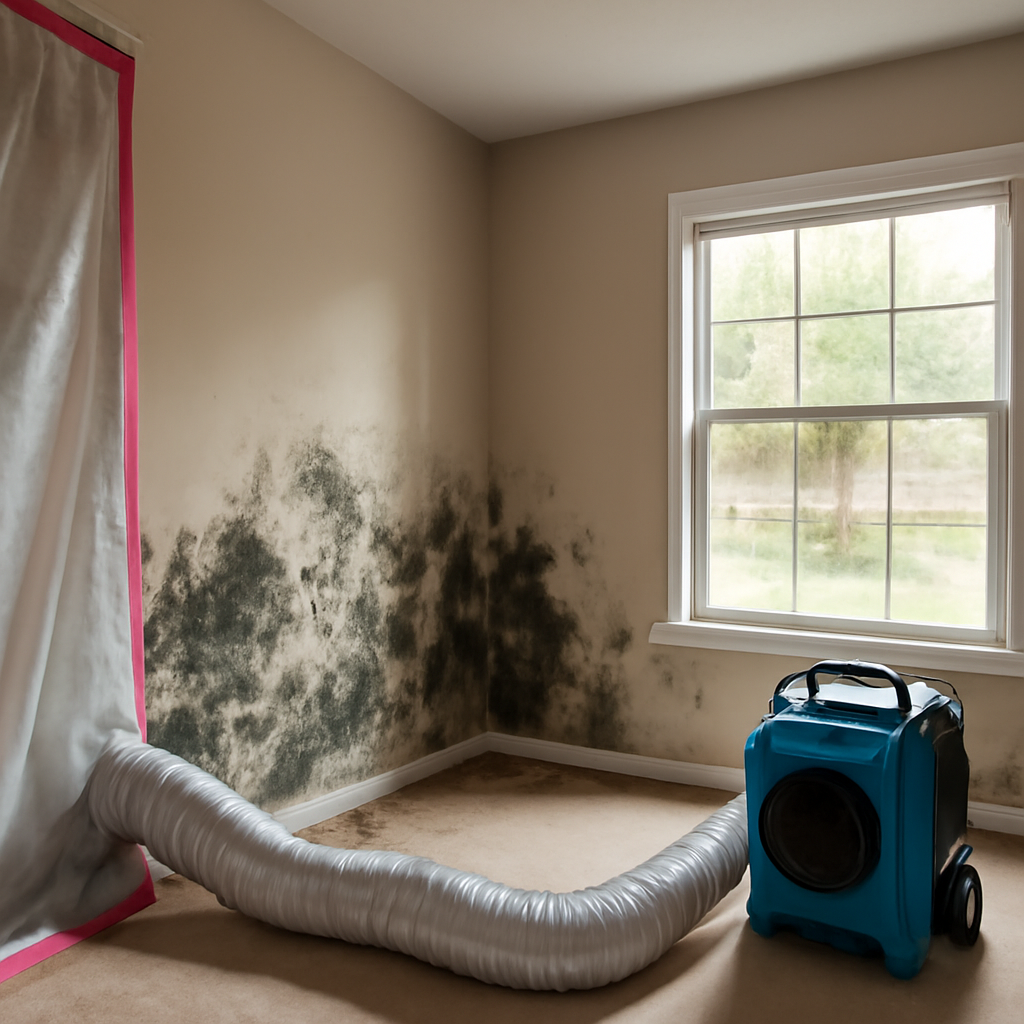
Frisco’s rapid growth has filled North Texas with newer homes, but new construction is no guarantee against mold. Humid Gulf-influenced summers, sudden storms, AC condensation, and tightly built envelopes that trap moisture all give spores a foothold here. If you have found growth around a window, in an attic, or near an HVAC vent, you are figuring out what mold remediation Frisco services involve and what they should cost. This guide summarizes EPA and CDC guidance current as of 2026; consult your physician for symptoms and a Texas-licensed mold professional for testing and remediation decisions specific to your home.
Part of our Mold Removal & Remediation guide — start there for the full picture →
Is this mold, asbestos, or water damage? Get a free instant screen
Upload a clear photo of the suspect area. You'll get an instant AI screening opinion and what to do next. This is screening guidance, not a professional determination.
Screening guidance only. AI can be wrong. Confirm asbestos, mold type, or lead with lab testing or a licensed professional before acting.
Mold Remediation in Frisco: What It Involves
Remediation is the controlled cleanup of mold combined with correcting the moisture that caused it. The EPA is clear that mold cannot be permanently removed without fixing the water source — in Frisco, often AC condensation, a roof or plumbing leak, or humidity trapped in a tight building envelope. A proper job contains the area, removes unsalvageable porous materials, cleans and dries what remains, and verifies the outcome before the crew leaves.
The standard steps: inspect and locate moisture, contain the work area with sheeting and negative air pressure, remove soaked drywall, carpet, and insulation that cannot be saved, HEPA-vacuum and damp-wipe hard surfaces, dry the structure with commercial equipment, and confirm the area is clean. North Texas humidity makes the drying and humidity-control steps important, since a cleaned surface regrows mold fast if indoor moisture stays high.
That sequence is what distinguishes remediation from a cosmetic spray. A company that fogs a biocide and leaves has not addressed the saturated material or the humidity that will regrow the colony. Look for a written scope that names containment, material removal, structural drying, and the specific moisture correction.
Why Frisco Homes Develop Mold
North Texas summers are hot and humid, and the CDC notes mold grows wherever surfaces stay damp long enough. Air conditioning runs hard for months, and chilled supply ducts can sweat, feeding mold at registers and in duct liners. Newer, tightly sealed Frisco homes hold humidity inside unless ventilation and dehumidification keep up, and improperly sized HVAC systems that cool without dehumidifying make it worse by short-cycling and leaving moisture behind.
Sudden severe storms — including the wind and hail North Texas is known for — open roofs and windows to water intrusion. The EPA’s standard is to dry wet materials within 24 to 48 hours; in Frisco’s humidity that window is tight without commercial equipment. Attics with poor ventilation and slab foundations that wick ground moisture round out the common sources, and post-storm roof damage can leak quietly into an attic for weeks before anyone notices.
The takeaway is that a five-year-old Frisco home can develop mold as readily as a fifty-year-old one. Tight construction without adequate moisture management traps the humidity that older, leakier homes used to vent by accident.
What Mold Remediation Costs in Frisco
Cost tracks the size of the affected area, the materials removed, and how hard the moisture source is to reach. Small contained jobs commonly run several hundred dollars, while whole-room, attic, or post-storm projects with structural drying can reach the thousands. Frisco and the Dallas-Fort Worth area generally sit near national averages, though storm-season demand can temporarily raise prices and stretch scheduling.
For a structured look at the cost drivers — square footage, material type, hidden moisture, and reconstruction after demolition — see our breakdown of the cost for mold remediation. Require an on-site inspection before any quote and collect at least two written estimates. A sight-unseen price, or one that ignores the moisture source, signals a temporary fix that fails the next humid stretch.
Texas Licensing and Vetting a Contractor
Texas regulates mold work. The state requires mold assessors and mold remediators to be licensed through the Texas Department of Licensing and Regulation, and for larger projects state rules generally keep the assessment and the remediation as separate functions — a safeguard against a firm grading its own cleanup. Always verify a current license before hiring anyone in Frisco.
Beyond licensing, confirm general liability insurance, ask how the firm documents the work, and request an independent post-remediation clearance assessment. Our guide on choosing a mold removal company covers the credentials and red flags, and the mold inspection and testing hub explains why assessment and remediation should stay distinct. Be wary of storm-chasing crews offering immediate demolition without an assessment, a recurring problem after North Texas hail events.
When DIY Is Reasonable
The EPA’s benchmark lets homeowners clean mold under about 10 square feet on hard, non-porous surfaces while wearing an N95 respirator, gloves, and eye protection, then correcting the moisture. That covers many small window or bathroom spots. Larger areas, mold inside HVAC or behind walls, attic contamination, and any growth following storm flooding warrant a professional — and under Texas rules, larger jobs may require a licensed remediator regardless of your comfort with the work.
The catch with AC-condensation mold is that the visible patch at a register is often fed by moisture inside the duct or wall cavity. Cleaning the grille without addressing condensation simply resets the clock. A professional with moisture meters and an infrared camera can map hidden wet zones before any demolition. Never mix bleach with ammonia or acids, and avoid DIY entirely if you have asthma or a weakened immune system.
Preventing Mold After Remediation
Moisture control is the lasting fix. Keep indoor relative humidity below 60 percent, ideally 30 to 50 percent, and confirm the HVAC system is sized to dehumidify rather than just cool. Insulate cold ducts and pipes to stop condensation, service the AC so drain pans and coils stay clean, and run bathroom and kitchen exhaust fans during and after use.
Address roof and window leaks immediately given the storm exposure, maintain gutters, and grade soil away from the slab. After any storm flooding, dry the structure within 24 to 48 hours and discard saturated porous materials rather than trying to salvage them. A follow-up inspection a few weeks later confirms the repair held; recurring growth in the same spot means the moisture source is still active and the cleanup was treating a symptom rather than the cause.
The HVAC Sizing Factor
One under-appreciated driver of mold in newer Frisco homes is an oversized air conditioner. It sounds backward, but a system with too much cooling capacity satisfies the thermostat quickly and shuts off before it has run long enough to pull much moisture out of the air. The house feels cool but stays humid, and that lingering humidity is exactly what feeds mold on registers, in closets, and along exterior walls. A correctly sized system runs longer, gentler cycles that both cool and dehumidify.
If a home is cold but clammy, or if condensation and mold keep appearing despite the AC running, oversizing is worth investigating. A load calculation by a qualified HVAC contractor determines whether the equipment matches the house. Supplemental dehumidification can help in the meantime, but the durable fix is a system sized to dehumidify properly. In tightly built North Texas homes that trap whatever moisture is not actively removed, this single factor often explains why mold recurs even after a thorough remediation — the cleanup was sound, but the equipment kept feeding the problem.
What the Remediation Timeline Looks Like
Homeowners often want to know how long a job will take and how much disruption to expect. A small, contained bathroom or closet job may take a single day, while a whole-room, attic, or post-storm project with structural drying can run several days as air movers and dehumidifiers bring materials back to a dry standard. After a hail or wind event that opened the roof, the roof repair itself must precede drying, since the source of intrusion has to be stopped first.
During the work, the affected area is sealed under negative pressure, so you may lose access to part of the home and hear equipment running continuously. Reconstruction — new drywall, paint, flooring — happens after the area passes a dry-and-clean check and is often a separate phase from the remediation itself. Building that two-stage reality into your expectations prevents the frustration of assuming one visit will leave the room ready to use. Ask the contractor for a realistic timeline in writing, including the drying period.
Common Frisco Trouble Spots
Knowing where mold concentrates in North Texas homes helps catch it early. Around air-conditioning equipment, condensate drain pans that clog and overflow soak nearby framing, and chilled supply registers sweat in humid air and feed mold at the grille. Bathrooms without working exhaust fans, or fans venting into the attic rather than outside, trap shower moisture. Attics suffer when bathroom or dryer vents discharge into them or when ventilation is blocked, condensing moisture on the roof sheathing.
Windows and below-grade frames collect condensation, and slab floors wick ground moisture into lower walls and baseboards. Storm damage is a recurring source: a roof breached by hail can leak quietly into an attic or wall cavity for weeks before anyone notices the stain. Tightly sealed newer homes hold humidity inside laundry rooms, closets, and pantries unless ventilation keeps up. Checking these spots seasonally — especially after spring storms — turns a potential remediation into a quick cleaning while the problem is still small.
The Health Side, Kept in Perspective
Worry about mold often outpaces the evidence, so it helps to ground the discussion in what agencies actually say. The CDC reports that exposure to damp, moldy environments can cause nasal congestion, throat irritation, coughing, and wheezing, with stronger effects in people who have asthma, allergies, or weakened immune systems. The agency notes that a firm causal link between ordinary indoor mold and serious illness in otherwise healthy people has not been established, which is why the practical response focuses on moisture and cleanup rather than alarm.
For Frisco households, that framing supports a measured plan: address the dampness, clean or remove affected materials safely, and watch anyone whose symptoms ease when they leave the house. Children, older adults, and immunocompromised family members deserve extra caution, and persistent symptoms should go to a physician rather than a testing lab. Spending on a species identification rarely changes what you do next, because the cleanup is the same regardless of which mold is growing.
How Professionals Confirm the Job Is Done
A remediation is finished not when the visible mold is gone but when an independent check confirms the area is clean and dry. Texas already separates the assessor and remediator roles for larger projects, which pushes toward independent verification. Reputable firms document moisture readings before and after, and a clearance test by a separate assessor confirms the result. Air sampling compares spore counts inside the area against an outdoor baseline, while surface sampling confirms cleaned materials no longer harbor active growth.
Ask up front how completion will be verified. A scope that ends with “visually clean” leaves too much to interpretation, whereas one specifying moisture targets and an independent clearance step gives you something to hold the contractor to. If a dispute arises later with a seller, landlord, or insurer, that documentation becomes the record that protects you — particularly useful after a storm season that generates many overlapping claims.
Insurance, Disclosure, and Buying a Home With Mold History
Mold and homeowners insurance is a frequent source of confusion in Texas. Many policies cover mold only when it results from a sudden, covered event such as a burst pipe or storm-driven roof damage, and exclude mold caused by long-term humidity or deferred maintenance. Review your policy language before assuming a claim will be paid, and document any sudden water event promptly with dated photos.
For buyers, a home with a disclosed mold history is not automatically a dealbreaker, but it warrants scrutiny. Ask for documentation of the prior remediation, including what was removed, how the moisture source was corrected, and whether an independent clearance test followed. A home that took storm damage once, was dried within the recommended window, and shows a documented repair sits in a very different position than one with recurring growth and no paper trail. When the history is unclear, an independent assessment before closing is far cheaper than discovering hidden growth after you own the house.
References
- Mold Cleanup in Your Home — U.S. Environmental Protection Agency
- About Mold and Health — Centers for Disease Control and Prevention
- What to Do After a Flood — U.S. Environmental Protection Agency
Frequently asked questions
Does Texas require mold remediation licensing?
Yes. Texas licenses mold assessors and remediators through the Texas Department of Licensing and Regulation, and for larger projects keeps assessment and remediation as separate functions. Always verify a current license before hiring a contractor in Frisco.
How much does mold remediation cost in Frisco?
Small contained jobs often run several hundred dollars, while whole-room, attic, or post-storm projects with structural drying can reach the thousands. Frisco and the Dallas-Fort Worth area sit near national averages, though storm-season demand can temporarily raise prices.
Why do newer Frisco homes still get mold?
Tightly sealed new homes trap humidity unless ventilation and dehumidification keep up, AC ducts can sweat in humid air, and storms cause water intrusion. The CDC notes mold grows wherever surfaces stay damp long enough, so new construction is no guarantee against it.
Can I clean the mold around my vents myself?
The EPA allows cleaning under about 10 square feet on hard surfaces with proper protection. But register mold is often fed by condensation inside the duct or wall, so cleaning the grille alone resets the clock. Hidden, large-area, or HVAC mold needs a professional.
Front Range homeowners researching the same questions before a purchase or after a storm can contact us here to connect with a vetted local inspector who tests independently of any cleanup crew.