Inverter Generator vs Regular Generator: Which to Buy
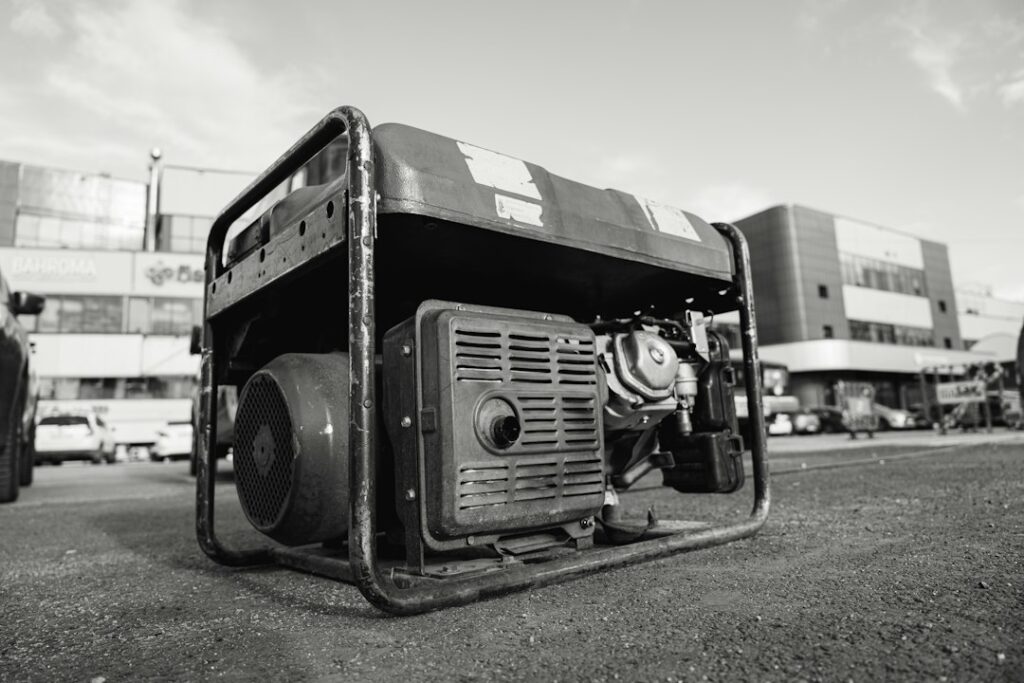
An inverter generator produces cleaner, more stable electricity, runs noticeably quieter and sips fuel at light loads, while a regular (conventional) generator delivers far more watts per dollar and is the usual pick when the goal is running a furnace, well pump or sump pump through a long outage. For phones, laptops, a refrigerator and a few lights, an inverter is usually the better tool. For heavy household backup on a budget, a conventional open-frame unit, or a large inverter if the budget stretches, tends to win. This guide compares the two on power quality, noise, efficiency, size, cost and installation, and explains the safety rules that apply to both. It reflects general guidance current as of 2026; the generator’s manual and a licensed electrician are the final word for any particular home.
Part of our Home Electrical guide — start there for the full picture →
Electrical problem? Talk to a licensed electrician.
📞 Call (877) 560-2714Quick Comparison: Inverter vs Conventional Generator
| Factor | Inverter generator | Regular (conventional) generator |
|---|---|---|
| How power is made | Alternator output converted to DC, then electronically re-created as AC | Alternator produces AC directly at a fixed engine speed |
| Power quality | Very stable voltage and frequency; low distortion typically advertised | Varies by model; budget units can be rougher under changing loads |
| Engine speed | Throttles up and down with demand | Runs at a constant speed regardless of load |
| Noise | Typically quieter, especially at light load | Typically louder at all loads |
| Fuel use at light loads | Lower, thanks to variable speed or eco mode | Higher, because the engine never slows down |
| Common running-watt range | About 1,000–4,500 W, with some larger models higher | About 3,000–12,000 W or more |
| Cost per watt | Higher | Lower |
| Weight and portability | Small units are light and compact | Heavier, often on a wheel kit |
| Parallel capability | Many models can pair two units | Uncommon |
| Best fit | Electronics, camping, RVs, quiet neighborhoods, light home backup | Heavy home backup, job sites, well and sump pumps on a budget |
The cost and wattage ranges above are typical market patterns, not fixed rules. Some recent inverter models reach 7,000 to 9,000 running watts, and some conventional units now advertise improved power quality, so the line between the categories keeps blurring.
How Each Type Makes Electricity
Conventional generators
A regular generator couples a gasoline, propane or dual-fuel engine directly to an alternator. In North America, household power runs at 60 hertz, and the most common two-pole alternator design has to spin at about 3,600 rpm to produce that frequency. So the engine runs at that speed whether it is powering one lamp or a full load. When a big motor starts and the load jumps, the engine bogs briefly until the governor catches up, and voltage and frequency can sag or swing for a moment.
That design is simple, durable and inexpensive. It is the reason conventional generators deliver so many watts for the money, and why they dominate the 7,000-watt-and-up portable market.
Inverter generators
An inverter generator still uses an engine and an alternator, but the alternator’s raw output goes through electronics. It is converted to direct current, then an inverter circuit rebuilds a smooth 120-volt, 60-hertz alternating current waveform. Because the electronics, not the engine speed, set the output frequency, the engine is free to speed up or slow down with demand. Most inverters have an eco or economy switch that idles the engine at light load.
The result is power that closely resembles, and sometimes exceeds, the stability of utility power, along with lower noise and better fuel economy whenever the load is well below the rated maximum.
Best Inverter Generator: our top 3 picks
| Product | Best for | Key features | Price | Buy |
|---|---|---|---|---|
| Westinghouse iGen8200TFc | Best overall home-backup inverter |
| $1,399.00as of Nov 13, 2026 3:06 am GMT+0000 | Buy now →Check current price |
| WEN DF360iX | Best lightweight dual fuel |
| $521.00as of Nov 13, 2026 3:06 am GMT+0000 | Buy now →Check current price |
| Westinghouse iGen12000DFc | Best whole-home inverter |
| $1,899.00as of Nov 13, 2026 3:06 am GMT+0000 | Buy now →Check current price |


Prices are Amazon’s listed prices as of the time shown and change often; check Amazon for today’s price. As an Amazon Associate we earn from qualifying purchases.
Power Quality and Sensitive Electronics
Power quality is usually described by total harmonic distortion, or THD, a measure of how far the voltage waveform departs from a clean sine wave. Inverter manufacturers commonly advertise THD under about 3 percent. Conventional generators vary widely: well-built units with good voltage regulation can be respectable, while budget models may be considerably higher, particularly under changing loads. Manufacturers do not all test the same way, so THD claims are best compared within a brand or against an independent standard.
Why it matters in a house:
- Furnace control boards. Many modern gas furnaces use electronic ignition and variable-speed blowers. Some will lock out or behave erratically on unstable power, which is a real concern during a Colorado winter outage.
- Electronics and chargers. Laptops, routers, phone chargers and TVs generally tolerate conventional power, but cleaner output reduces the risk of nuisance shutdowns and stress on power supplies.
- Variable-speed appliances. Refrigerators with inverter compressors, high-efficiency washers and some well pump controllers can be picky about waveform quality.
- Simple resistive loads. Space heaters, incandescent lamps and coffee makers do not care much about waveform.
Homeowners who plan to run a furnace through a conventional generator should look for a model with automatic voltage regulation and a published low THD figure, or check the furnace manufacturer’s guidance on generator compatibility.
Noise, Fuel Use and Runtime
Noise
Inverter generators are typically quieter because they throttle down at light load and usually come in fully enclosed, muffled housings. Manufacturers of small inverters often advertise sound levels in the 50s to low 60s dBA, measured at about 23 feet and a light load, while open-frame conventional units are commonly rated well into the 60s and 70s dBA. Those numbers are manufacturer ratings under specific test conditions, not guarantees, but the difference is easy to hear. In tight Front Range subdivisions and townhome communities, where neighbors are close and HOAs may have noise rules, that gap matters.
Fuel efficiency
Because a conventional engine runs at full speed even when powering a refrigerator alone, it burns roughly the same fuel whether loaded lightly or moderately. An inverter at quarter load idles down and can stretch a tank much further. The advantage narrows as the load approaches the generator’s maximum, since both engines then run hard. For a long outage with mostly light loads, an inverter can mean fewer refueling trips and less stored gasoline.
Runtime and tank size
Large conventional generators often carry bigger fuel tanks, which partly offsets their higher burn rate. Runtime claims are usually quoted at 25 or 50 percent load; comparing both units at the same load level gives a fairer picture.
Wattage, Size and Cost
Wattage is where conventional generators keep their edge. A household that needs 8,000 to 10,000 running watts for a furnace, fridge, freezer, sump pump and well pump will usually find a conventional unit far cheaper than an inverter of the same output. Typical prices vary with size, fuel type and features such as electric start and CO shut-off, but large inverters commonly cost noticeably more than conventional units of similar wattage.
Ways to bridge the gap:
- Parallel kits. Many inverters can be linked with a second matching unit through a parallel cable, roughly doubling output while keeping each unit light enough to carry.
- Hybrid open-frame inverters. Some brands sell larger inverter models on wheeled frames, trading some quietness for higher output.
- Load discipline. Running only essentials and staggering motor loads can shrink the wattage target enough that a mid-size inverter is sufficient.
Altitude affects both types. Fuel-burning engines lose output in thin air, and many manufacturers cite a derating rule of thumb of roughly 3 to 4 percent per 1,000 feet. At Denver, Colorado Springs or Boulder elevations that can cut usable output by 15 to 20 percent, so the wattage comparison should happen after derating, using the figure in each owner’s manual.
For homeowners who would rather avoid fuel entirely for small loads, a solar generator (a battery power station with solar panels) is quiet and safe indoors, though it stores far less energy than a fueled generator produces. At the other extreme, a permanently installed whole-house generator runs on natural gas or propane and starts automatically.
Which One Fits Common Home Backup Scenarios
Short outages and essentials
Keeping a refrigerator cold, phones charged and Wi-Fi running for a few hours to a day is the sweet spot for a 2,000 to 3,500-watt inverter. It is easy to store, starts readily and does not wake the neighbors.
Winter outages with a gas furnace
A gas furnace needs only a few hundred to roughly a thousand watts for its blower, inducer and controls, but it needs stable power. A mid-size inverter, or a conventional unit with good voltage regulation, connected through a transfer switch or interlock, is a common choice. Pair it with the refrigerator and sump pump and the target often lands around 5,000 to 7,500 running watts before altitude derating.
Well pumps, sump pumps and heavier loads
Rural homes in Elbert County or the foothills with a 240-volt well pump need a generator that offers 240-volt output and enough surge capacity for the pump motor. Conventional generators in the 7,500 to 12,000-watt range usually deliver this at the lowest cost. Some large inverters now offer 240 volts as well.
Recreation plus home backup
Households that camp or tailgate often get more use out of an inverter, then add a second unit in parallel for home backup.
When the comparison is settled, our roundups of the best home generators and best whole-house generators list current models in both categories.
Maintenance, Lifespan and Cold-Weather Starting
Both types share the same basic engine maintenance: oil changes on the schedule in the manual, air filter checks, spark plug replacement and fuel system care. The differences show up in a few places.
Engine hours and wear
A conventional generator’s engine spends its whole life at full governed speed, which adds hours of high-rpm wear even when the load is light. An inverter that idles down on eco mode accumulates less wear per hour at light loads. On the other hand, small inverter engines are often lower-displacement and may be built with lighter components, and the electronics add a part that can fail and is usually costly to replace out of warranty. Neither type is automatically longer-lived; build quality, maintenance and how hard the unit is run matter more than the category.
Fuel system care
Gasoline left in a carburetor for months is the most common reason any portable generator will not start when the power fails. Owners commonly add fuel stabilizer, run the carburetor dry before storage or use the fuel shutoff, and exercise the generator under load every month or two. Dual-fuel models that can run on propane sidestep stale gasoline entirely, and propane stores indefinitely in a cylinder. Propane does deliver somewhat less output than gasoline on most dual-fuel models, so check the propane rating, not just the gasoline number.
Starting in a Colorado cold snap
Winter outages on the Front Range often coincide with arctic air and snow. Cold engines are harder to pull-start, and thick oil makes it worse. Practical steps include using the oil viscosity the manual specifies for cold temperatures, choosing electric start with a maintained battery, storing the generator in a garage or shed between uses (then moving it outside to run), and test-starting it before winter. These considerations apply equally to inverter and conventional units, but a light inverter is easier to carry out through snow than a 200-pound open-frame unit.
Questions to Ask Before Buying Either Type
Working through a short checklist usually settles the choice faster than comparing spec sheets side by side:
- What must run at the same time? Add the running watts of essential loads, then the single biggest motor surge, then a margin of about 20 to 25 percent.
- What is the elevation? Apply the manual’s altitude derating before comparing models.
- Are there 240-volt loads? Well pumps and some sump or furnace setups need 240-volt output and a matching inlet.
- How will it connect? Extension cords only, or a transfer switch or interlock? That decision drives the outlet configuration needed.
- How sensitive are the loads? Furnaces with electronic controls, variable-speed refrigerators and electronics benefit from inverter-grade power.
- How close are the neighbors? Noise matters more on a small suburban lot than on acreage.
- Which fuel is practical to store? Gasoline, propane or both.
- Does it have a CO shut-off? Prioritize models certified to the current safety standards CPSC references.
A household that answers “essentials only, close neighbors, sensitive electronics” usually ends up with an inverter. One that answers “well pump, 240 volts, long rural outages, tight budget” usually ends up with a conventional unit or a standby system.
Safety Rules That Apply to Both Types
Quiet inverter generators sometimes tempt owners to run them closer to the house. That is a serious mistake. Every fuel-burning generator, inverter or conventional, makes carbon monoxide. The CDC states that carbon monoxide “kills without warning” and that portable generators are among the household items that produce it. Its guidance is to never use a generator inside a home or garage, even with doors and windows open, and to run it outside more than 20 feet from windows, doors and vents, with a battery-powered or battery-backup CO detector inside.
The Consumer Product Safety Commission says one portable generator can produce the same amount of carbon monoxide as hundreds of cars, and links more than 100 deaths a year to portable generators. CPSC recommends looking for portable generators with a carbon monoxide shut-off feature and notes that models certified to PGMA G300-2023 and UL 2201-2023 include CO safety technologies, with UL 2201 models also having reduced CO emissions. That feature is worth weighting as heavily as noise or fuel economy when choosing between models.
Other safety points:
- Let the engine cool before refueling, and store fuel away from the house in approved containers.
- Keep the generator dry with a ventilated cover rather than an enclosure.
- Use outdoor-rated, adequately sized cords; undersized cords overheat.
- Never backfeed a house through a wall or dryer outlet.
Connecting Either Type to the House
Plug-in extension cords work for individual appliances. To run hardwired loads such as a furnace or well pump, the generator has to feed selected circuits through approved equipment. A generator transfer switch moves chosen circuits to a small subpanel that can be switched to generator power, while a generator interlock kit mechanically prevents the main breaker and generator breaker from being on together. Either one should connect through an outdoor inlet box and be installed by a licensed electrician under a permit.
The choice between inverter and conventional matters here too. Some inverters offer only 120-volt output, which cannot run 240-volt loads through a transfer switch without a parallel kit or a 240-volt model. Confirm the generator’s outlet configuration matches the inlet before buying. Our guide to hiring for electrical work outlines what a qualified electrician should check, including panel capacity and inlet rating.
More Questions About Inverter vs Regular Generators
What size inverter generator do I need to run a refrigerator?
A typical home refrigerator can usually run on an inverter generator rated around 2,000 to 2,500 watts, provided little else is plugged in. Refrigerators often draw a few hundred running watts but need a brief surge of roughly two to three times that when the compressor starts.
Check the appliance label or manual for running amps and multiply by 120 to estimate running watts. Adding a freezer, sump pump, lights and phone chargers quickly pushes the requirement toward 3,000 watts or more. Leave a margin of about 20 percent so the generator is not running at its limit.
Can an inverter generator power a whole house?
A portable inverter generator generally cannot power a whole house, because most models produce roughly 2,000 to 4,000 running watts. That covers essentials such as a refrigerator, a gas furnace blower, lights and electronics, but not central air conditioning, electric ranges, electric water heaters or electric dryers.
Whole-house backup usually requires a permanently installed standby generator sized for the home’s loads and connected through an automatic transfer switch. Larger open-frame portable generators can run more circuits than inverters, but they still require load management and a proper transfer switch or interlock.
Are dual-fuel inverter generators a good choice for home backup?
Dual-fuel inverter generators are a practical choice for many homes because they can run on gasoline or propane. Propane stores for years without going stale, which suits generators that sit unused between outages, while gasoline usually delivers slightly more power.
Expect somewhat lower output on propane, often around 10 percent less than the gasoline rating. Propane cylinders must be stored outdoors and upright. A dual-fuel model costs more upfront than a gasoline-only unit, but the fuel flexibility helps during long outages when gas stations may be closed or have long lines.
Is a standby generator better than an inverter or portable generator?
A standby generator is better for whole-home, hands-off backup, while inverter and portable generators are better for budget-conscious, occasional outage use. Standby units start automatically, run on natural gas or propane, and can power most or all of a home.
Standby generators typically cost several thousand dollars for the unit plus installation, transfer switch, gas line and permits, often totaling $8,000 to $20,000 or more by industry estimates. Inverter generators cost far less, but they need manual setup, refueling and careful placement outdoors away from doors and windows.
References
- Carbon Monoxide Poisoning Basics — Centers for Disease Control and Prevention
- Carbon Monoxide Information Center — U.S. Consumer Product Safety Commission
- CPSC Warns of Generator, Carbon Monoxide and Fire Hazards Ahead of Hurricane Season — U.S. Consumer Product Safety Commission
Frequently asked questions
Is an inverter generator better than a regular generator?
It is better for clean power, low noise and fuel economy at light loads, which suits electronics, camping and modest home backup. A regular generator delivers more watts for the money, so it often wins for heavy household backup such as well pumps, sump pumps and furnaces on a budget.
Can a regular generator run a furnace?
Often yes, through a transfer switch or interlock, but some furnace control boards are sensitive to unstable voltage. A conventional unit with automatic voltage regulation and low published distortion, or an inverter, reduces the risk. Check the furnace manufacturer's generator guidance.
Why are inverter generators more expensive?
They add power electronics that convert and rebuild the electrical waveform, plus enclosed, muffled housings and variable-speed engine controls. Those components raise the cost per watt compared with a conventional generator whose engine drives the alternator directly.
Are inverter generators safe to run indoors because they are quiet?
No. Every fuel-burning generator produces carbon monoxide. CDC and CPSC guidance is to run generators outdoors only, more than 20 feet from windows, doors and vents, never in a garage or basement, with battery-backed CO alarms working inside.
Can two inverter generators be combined?
Many inverter models can be linked with a matching unit using a parallel kit, roughly doubling available output. Check that both units are designed for parallel operation and follow the manufacturer's instructions, since mixing incompatible models is not supported.
Can you run a generator in the rain?
A portable generator should not be run exposed to rain or snow, because water can create a shock hazard and damage the outlets. Use a generator tent or cover designed for running generators, keep it on dry ground, and never move it into a garage or under a closed porch to stay dry.
How long can a portable inverter generator run continuously?
A portable inverter generator can usually run continuously for as long as it has fuel and oil, typically 6 to 12 hours per tank at partial load. It must be shut off and cooled before refueling, and oil should be checked after each long run, especially during multi-day outages.
Do inverter generators need a carbon monoxide shutoff?
Many newer portable generators, including inverter models, include a carbon monoxide sensor that shuts the engine off when CO builds up nearby. The feature adds protection but does not make indoor or garage use safe. Battery-powered CO alarms inside the home are still essential during any outage.
Shopping for a Front Range home with a generator inlet or transfer switch already installed? Contact our team to connect with a local inspector who can flag installation concerns before closing.