How Long Will a Generator Run? Fuel, Load and Safety
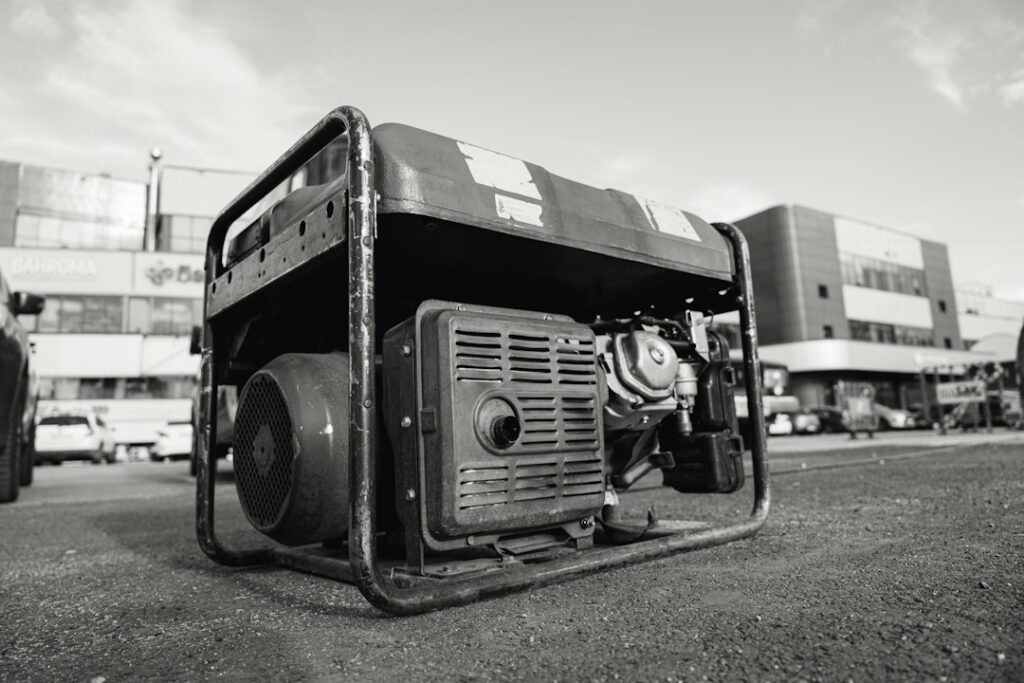
How long a generator will run comes down to one calculation: the fuel it holds divided by how fast it burns that fuel at the load you put on it. Many portable gasoline generators list somewhere in the range of roughly 8 to 12 hours per tank at a quarter or half load, inverter models at light loads can run longer, a standard 20-pound propane cylinder usually gives fewer hours than a full gasoline tank, and a natural gas standby generator can run for days as long as the gas supply holds and the oil is checked on schedule. Those figures are typical manufacturer ratings, not guarantees, and the run-time spec on your own generator’s label is the number to trust. This guide shows how to estimate run time for your setup with a worked example, explains how fuel type, load, altitude and cold weather change the answer, and covers the carbon monoxide rules that matter more than any run-time number. Safety guidance comes from the U.S. Consumer Product Safety Commission (CPSC) and the Centers for Disease Control and Prevention (CDC), current as of 2026.
Part of our Home Electrical guide — start there for the full picture →
Electrical problem? Talk to a licensed electrician.
📞 Call (877) 560-2714The Short Answer: Typical Run Times by Generator Type
The table below gives commonly cited run-time ranges by category. Manufacturers usually publish run time at a stated load, often 25% or 50% of rated output, so compare specs at the same load.
| Generator type | Typical fuel supply | Commonly cited run time | What limits it |
|---|---|---|---|
| Small inverter (portable) | About 1 gallon of gasoline | Several hours to around 10 hours at light load | Small tank; run time falls sharply at high load |
| Mid-size portable (open frame) | Roughly 4 to 8 gallons of gasoline | Roughly 8 to 12 hours at a quarter to half load | Tank size, load, refueling only when cool |
| Dual-fuel portable on propane | Standard 20-lb cylinder | Usually fewer hours than a full gasoline tank at the same load | Propane holds less energy per gallon; output is often derated |
| Portable on a large propane tank | Larger cylinder or tank | Can extend to days with multiple tanks | Tank size, oil changes, engine duty limits |
| Home standby (natural gas) | Utility gas line | Can run continuously for extended outages | Oil and maintenance intervals in the manual |
| Home standby (propane) | On-site propane tank | Days, depending on tank size and load | Tank volume and refill access |
Fuel is rarely the only limit. Engines need oil, need to cool down before refueling and have maintenance intervals measured in operating hours. The manual will say how long the unit can safely run continuously and when the oil must be checked.
How to Estimate Run Time for Your Generator
The method is a simple rule of thumb that works for any fuel type:
Run time (hours) = usable fuel ÷ fuel consumption per hour at your load
Most manufacturers publish either the consumption rate or the run time at one or two load levels. Use those figures, adjust for the load you will actually run, and build in a safety margin.
Step by step
- List what you will power. Refrigerator, furnace blower, sump pump, a few lights, phone chargers and perhaps a well pump are typical outage loads.
- Add up running watts. Use appliance labels or manuals. Starting watts matter for sizing, but running watts determine fuel burn.
- Calculate the load percentage. Divide your running watts by the generator’s rated running output.
- Find the matching run-time spec. Look up the manufacturer’s run time or consumption at the closest load level.
- Adjust and add margin. Reduce the estimate for altitude, cold weather and fuel you cannot fully use, then plan refueling before the tank runs dry.
Worked example
Consider a household that wants to run a refrigerator, a gas furnace blower, a sump pump, a modem and router, and a few LED lights during a winter outage. Using illustrative figures, those loads add up to roughly 1,800 running watts.
- The generator is rated at 3,600 running watts, so the load is about 50%.
- The manufacturer lists a run time of 10 hours at 50% load on a 4-gallon gasoline tank.
- That works out to about 0.4 gallons per hour.
- The house sits at roughly 5,500 feet, so output and efficiency are lower than at sea level, and the same load becomes a larger share of the available power. Planning for about 8 to 9 hours per tank is a reasonable cushion.
- To cover 24 hours, the household needs roughly three tanks, or about 10 to 12 gallons of gasoline stored safely, plus time to let the engine cool before each refill.
The numbers here are illustrative. Substitute your own appliance wattages and your generator’s published specs. Our guide on what size generator you need walks through the starting-watt and running-watt math in more detail.
Best Home Generators: our top 3 picks
| Product | Best for | Key features | Price | Buy |
|---|---|---|---|---|
| Generac 12,500W Tri-Fuel | Best overall home backup |
| — | Buy now →Check current price |
| Westinghouse WGen11500TFc | Automatic switch-ready portable |
| $1,499.00as of Nov 13, 2026 12:02 am GMT+0000 | Buy now →Check current price |
| DuroMax XP13000HX | 5-year warranty, four GFCI |
| $1,399.00as of Nov 13, 2026 12:02 am GMT+0000 | Buy now →Check current price |



Prices are Amazon’s listed prices as of the time shown and change often; check Amazon for today’s price. As an Amazon Associate we earn from qualifying purchases.
How Load Changes Run Time
Fuel consumption does not scale perfectly with load, but higher loads always burn fuel faster. A generator running at 25% load may run roughly twice as long as the same unit at 75% load, though the exact relationship depends on the engine design.
Inverter versus conventional generators
Inverter generators can throttle their engine speed down when demand is low, which makes them especially fuel-efficient at light loads. Conventional open-frame generators typically run at a fixed speed regardless of load, so their fuel burn at light loads is relatively higher. For overnight runs powering just a refrigerator and a few lights, an inverter model often stretches a tank much further. Our comparison of inverter versus regular generators explains the other trade-offs, including clean power for electronics and noise.
Managing load to stretch fuel
- Rotate loads. Run the refrigerator and freezer for a few hours, then switch to other needs, rather than powering everything at once.
- Avoid resistive heat. Space heaters, electric ranges, hair dryers and electric water heaters draw large loads and burn through fuel quickly.
- Use efficient lighting. LED bulbs make a noticeable difference over a long outage.
- Turn on eco mode. On inverter generators, the economy setting reduces engine speed at light loads.
Gasoline, Propane, Dual-Fuel and Natural Gas Compared
Fuel choice affects run time, storage and convenience as much as the generator itself.
| Fuel | Run-time effect | Storage and shelf life | Practical notes |
|---|---|---|---|
| Gasoline | Most energy per gallon of the portable fuels | Degrades over months without stabilizer; store only in approved containers away from living space | Widely available, but stations may close in a widespread outage |
| Propane | Less energy per gallon; generator output often derated on propane | Stores long-term without degrading in sealed cylinders | Easy to swap cylinders; cold weather can reduce cylinder pressure |
| Dual-fuel | Choose per situation | Combines the two | Run on propane for storage convenience, gasoline for maximum output |
| Natural gas (standby) | Supply is continuous while utility gas flows | No on-site storage | Requires professional installation and a transfer switch |
Propane’s long storage life is its biggest advantage for households that only run a generator a few times a year. Stale gasoline is one of the most common reasons a portable generator will not start when it is finally needed. If you store gasoline, use a fuel stabilizer, rotate the supply and follow the manufacturer’s guidance on draining or running the carburetor dry before long storage.
For whole-home backup without refueling, a permanently installed standby unit on natural gas or a large propane tank is the usual answer. Our guide to the whole-house generator explains what installation involves. If you are comparing models of any type, see our picks in the best home generator roundup.
Front Range Factors: Altitude and Cold
Two Colorado conditions change both how much power a generator delivers and how long the fuel lasts.
Altitude derating
Combustion engines lose power as altitude increases because thinner air holds less oxygen. A commonly cited rule of thumb is a loss of roughly 3% to 4% of rated output for every 1,000 feet above sea level, though manufacturers publish their own derating figures. At Denver’s elevation of about 5,280 feet, and higher in Colorado Springs, Evergreen or Castle Rock, that can mean meaningfully less available power than the label suggests. Some manufacturers offer high-altitude carburetor jets or settings. The practical effect for run time is that your loads take up a larger share of the generator’s real capacity, which increases fuel burn per hour.
Cold weather
Front Range outages often come with snowstorms and cold snaps. Cold affects generators in several ways:
- Starting. Cold engines are harder to start, and the oil grade recommended for cold temperatures in the manual matters.
- Propane pressure. Propane pressure in a cylinder falls as temperatures drop, and a small cylinder in deep cold may struggle to supply a large load.
- Fuel stability. Gasoline stored in a cold garage can accumulate condensation over long periods.
- Snow and placement. The generator must stay outdoors, far from the house, which means keeping its location clear of snow and protecting it from moisture without enclosing it. Use only covers or tents the manufacturer approves for operation.
Planning Fuel for a Multi-Day Outage
Most Front Range outages are short, but heavy spring snow, wind events and wildfire-related public safety shutoffs can stretch outages across several days. Planning for a 72-hour outage is a common benchmark for household preparedness.
- Calculate daily fuel. Using the worked example above, a generator burning about 0.4 gallons per hour for 16 hours a day needs roughly 6 to 7 gallons daily.
- Decide on run hours. Many households do not run the generator overnight; a refrigerator stays cold for hours with the door closed, which cuts fuel needs considerably.
- Size your storage. Multiply daily fuel by the number of days, then check that you can store that amount safely and legally in approved containers outside the living space.
- Consider propane for long storage. Several filled propane cylinders can sit for long periods without degrading, which suits households that rarely use the generator.
- Plan oil and maintenance. Keep spare oil on hand and know the manual’s interval for checks during continuous use.
What about battery “solar generators”?
Portable battery power stations, often marketed as solar generators, produce no exhaust and can be used indoors. Their run time is set by battery capacity in watt-hours divided by the load in watts, so a 1,000 watt-hour unit running a 100-watt load lasts roughly 10 hours before losses. They suit refrigerators, medical devices, lights and electronics for shorter periods, and they recharge from solar panels, a wall outlet or a vehicle. They are generally not a substitute for a fuel generator during a long winter outage with heavy loads.
Carbon Monoxide Safety Comes Before Run Time
No run-time calculation matters if the generator is placed in the wrong spot. The CPSC states that one portable generator can produce the same amount of carbon monoxide as hundreds of cars, and that more than 100 of the more than 200 annual U.S. deaths from accidental non-fire carbon monoxide poisoning associated with consumer products are linked to portable generators.
The CPSC’s guidance is specific:
- Never use a portable generator inside homes, garages, basements, crawlspaces, sheds or other enclosed areas, even if doors or windows are open.
- Operate generators outdoors only, at least 20 feet from homes and buildings, with the exhaust directed away from windows, doors and vents.
- Look for portable generators with a carbon monoxide shut-off safety feature. The CPSC notes that models certified to PGMA G300-2023 and UL 2201-2023 include CO safety technologies, and UL 2201 certified models also have reduced CO emissions.
- Install working CO and smoke alarms, battery-operated or with battery backup, on every level and outside sleeping areas, and test them monthly.
The CDC describes carbon monoxide as an odorless, colorless gas that kills without warning. It lists the most common symptoms of CO poisoning as headache, dizziness, weakness, upset stomach, vomiting, chest pain and confusion, often described as flu-like, and warns that people who are sleeping can die before they have symptoms. If a CO alarm sounds or anyone feels these symptoms while a generator is running, get everyone into fresh air immediately and call 911.
Refueling and fire safety
Turn the generator off and let it cool before refueling, because gasoline spilled on a hot engine can ignite. Store fuel in approved containers outside living areas and away from fuel-burning appliances. Follow the manufacturer’s instructions to reduce shock hazards in wet weather.
Connecting a Generator to Your House Safely
Run time is also tied to how the generator is connected. Running extension cords through a window to individual appliances works for a few loads, but it leaves a gap that can let exhaust in and limits what you can power. A transfer switch or a listed interlock kit lets the generator feed selected household circuits while isolating the home from the utility grid.
Isolation matters because a generator connected without it can backfeed into utility lines, endangering line workers and neighbors. Never plug a generator into a wall outlet. Our guides to the generator transfer switch and the generator interlock kit explain both options, which should be installed by a licensed electrician with any required permit.
A connection also makes load management easier. With a transfer switch, you can choose exactly which circuits receive power, which keeps the generator in its efficient load range and stretches each tank.
Maintenance That Protects Run Time
A generator that has not been maintained may not deliver its rated run time, or may not run at all. Common maintenance steps, subject to the manual, include:
- Change the oil after the break-in period and at the intervals the manual specifies, which are often measured in operating hours.
- Check oil before each use and periodically during extended outages.
- Clean or replace the air filter, particularly in dusty Front Range conditions.
- Inspect the spark plug and replace it as recommended.
- Run the generator under some load periodically, often monthly, to keep the engine and carburetor in working order.
- For standby units, keep the scheduled professional service and the automatic exercise cycle.
The CPSC also advises regularly checking and maintaining generators so they work properly, and reading and following all labels, instructions and warnings on the generator and in the owner’s manual.
When to Call a Professional
A licensed electrician should install any transfer switch, interlock kit or standby generator, and a licensed plumber or gas fitter should handle natural gas or large propane connections. Those installations often require permits and inspections from the local building department.
For buyers, a home inspection can note an existing standby generator, transfer equipment and visible installation concerns, and the electrical inspection hub outlines what electrical evaluations typically cover. If you are in the Denver metro or anywhere along the Front Range and want to talk with a qualified inspector, reach out through our contact page.
More Questions About Generator Run Time
What size generator does a house need?
Many households can run essential circuits with a portable generator of roughly 5,000 to 7,500 running watts, while powering a whole house with central air usually takes a standby generator of about 15 to 22 kilowatts or more, according to industry estimates.
The right size depends on which appliances must run together. Adding the running watts of essentials, then allowing for the largest motor’s starting surge, gives a practical target. An electrician can perform a load calculation for standby units and transfer switches.
How much does a whole-house standby generator cost?
A whole-house standby generator typically costs somewhere around $7,000 to $20,000 or more installed, according to industry estimates. The unit itself is only part of the price: a transfer switch, concrete pad, electrical work, gas line, permits and inspections add to the total.
Smaller standby units that power selected circuits sit at the low end, while large air-cooled or liquid-cooled units for big homes sit at the high end. Annual maintenance visits are also a recurring cost worth budgeting.
How long can gasoline be stored for a generator?
Untreated gasoline typically stays usable for about three to six months before it begins to degrade, while gasoline treated with a fuel stabilizer can often last up to a year or longer, according to industry estimates. Old fuel can gum up carburetors and cause hard starting.
Storing gas in approved containers away from living spaces, rotating it into a vehicle every few months, and running the generator dry or using stabilizer before storage all help it start reliably during an outage.
How loud is a portable generator?
Inverter generators are usually the quietest, often rated somewhere around 50 to 60 decibels at a quarter load, while conventional open-frame generators commonly run around 65 to 75 decibels or more, according to manufacturer ratings at about 23 feet.
Noise rises with load, and some neighborhoods or homeowners associations restrict generator use. Placing the unit at least 20 feet from the house, with the exhaust pointed away from doors and windows, addresses both safety and noise. Sound baffles must never block ventilation.
References
- CPSC Warns of Generator, Carbon Monoxide and Fire Hazards Ahead of Hurricane Season — U.S. Consumer Product Safety Commission
- Carbon Monoxide Information Center — U.S. Consumer Product Safety Commission
- About Carbon Monoxide Poisoning — Centers for Disease Control and Prevention
Frequently asked questions
How long will a portable generator run on a tank of gas?
Many mid-size portable gasoline generators list roughly 8 to 12 hours per tank at a quarter to half load, but it varies by model. Divide the tank size by the manufacturer's fuel consumption at your load for a better estimate.
How long will a generator run on a 20-pound propane tank?
Usually fewer hours than a full gasoline tank at the same load, because propane holds less energy per gallon and output is often derated on propane. Check the manufacturer's propane run-time spec for your model.
Can a generator run 24 hours a day?
Standby generators on natural gas are designed for extended runs with oil checks at the intervals in the manual. Portable generators can run around the clock only with safe refueling after cool-down and regular oil checks, following the manufacturer's limits.
Does altitude affect generator run time in Colorado?
Yes. Engines lose power at altitude, commonly cited as roughly 3% to 4% per 1,000 feet. At Front Range elevations your loads use a bigger share of real capacity, which increases fuel burn per hour.
How far from the house should a generator be?
The CPSC says to operate portable generators outdoors only, at least 20 feet from homes and buildings, with exhaust directed away from windows, doors and vents. Never run one in a garage, basement or shed, even with doors open.
Can a generator run in the rain?
A portable generator should not run exposed to rain or snow, because water creates an electrocution risk. Use a canopy or enclosure built for generators that keeps the unit dry without trapping exhaust, and never move it into a garage or porch to keep it out of the weather.
How often should a generator be run during storage?
Many manufacturers suggest running a portable generator for about 15 to 30 minutes every month, ideally with some load, to keep parts lubricated and the battery charged. Standby generators usually run an automatic weekly or monthly exercise cycle.
Does a standby generator need a permit?
Most jurisdictions require permits for standby generator installation because it involves electrical, gas and sometimes zoning rules, such as setbacks from property lines. Licensed installers usually pull the permits and arrange the required inspections before the system goes into service.
Adding backup power to a Front Range home or buying one with a standby generator already installed? Get in touch with our team to connect with a qualified local inspector.