FLIR Camera Cost: Broader Pricing Overview by Tier
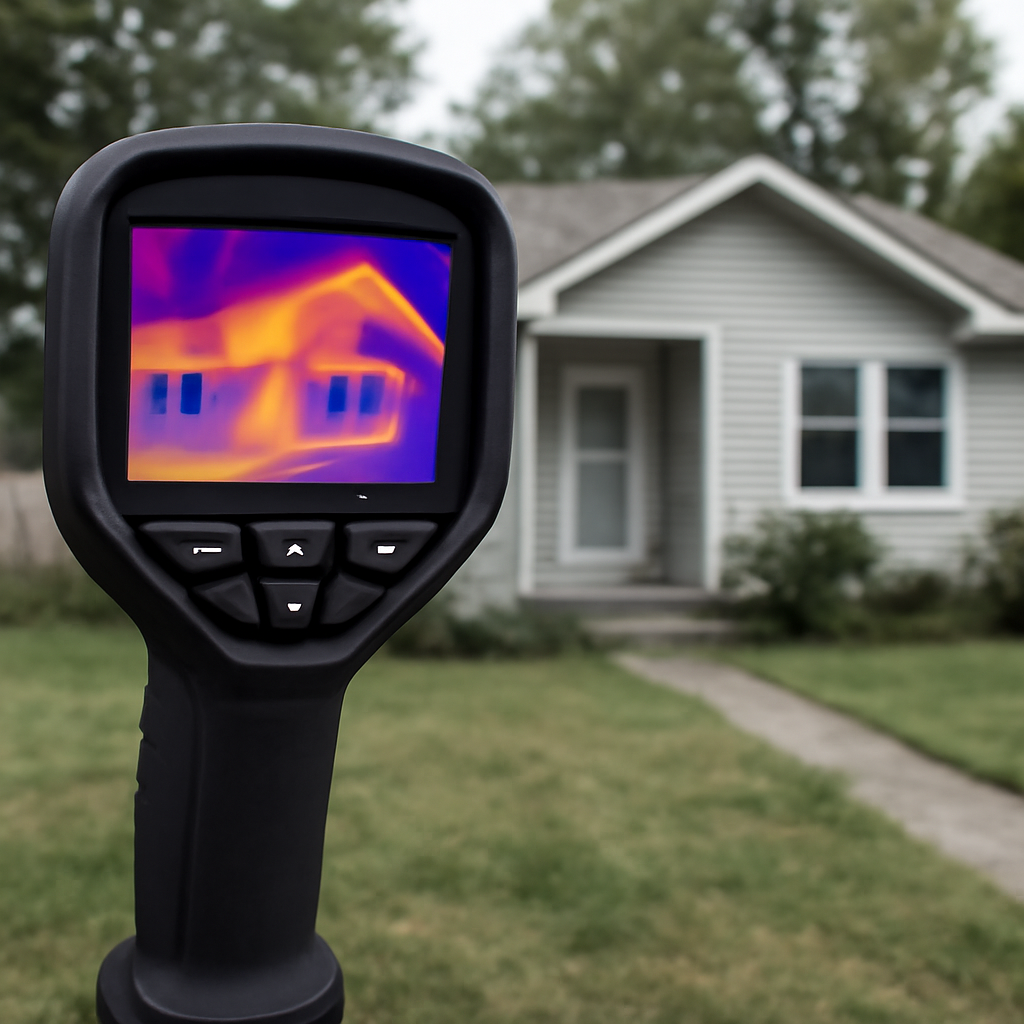
The cost of a thermal camera spans nearly two orders of magnitude depending on the tier. A homeowner researching prices encounters quotes ranging from a couple of hundred dollars to north of fifteen thousand, and the spread reflects real capability differences rather than brand markup. This guide breaks down the broader pricing landscape across four tiers — phone-attach, pocket, prosumer, and professional — and explains what each price band typically includes so a buyer can match the cost to the actual use case.
The Four Tiers in Plain Numbers
Phone-Attach Tier — $200 to $450
The smallest, cheapest entry point. These devices clip onto a smartphone via the charging port, use the phone’s screen as the display, and the phone’s processor for the imaging pipeline. Thermal resolution typically runs 80×60 to 160×120 native. Visible-light overlay capability is limited. They work, but the operational flow is awkward — pulling out a phone, attaching the sensor, opening the app, and aligning the camera for each shot interrupts inspection work.
Pocket Tier — $700 to $1,500
Self-contained pocket-format cameras with integrated display, battery, sensor, and storage. Thermal resolution typically 160×120 native, occasionally higher. Wi-Fi, cloud upload, and basic radiometric data recording. This is the entry point for inspectors who need standalone operation and credible documentation. The FLIR C5 price guide covers this tier in more detail.
Prosumer Tier — $1,500 to $5,000
Larger handheld cameras with 320×240 to 384×288 native thermal resolution, sharper visible-light overlay (MSX or equivalent), articulating displays on some models, manual span controls, and more advanced analysis features. Battery life and ergonomics scale with the price. Typical buyer is a working home inspector, building scientist, or HVAC technician with regular thermal work.
Pro Tier — $5,000 to $15,000+
Pro-grade tools with 640×480 (or higher) thermal sensors, sub-30 mK NETD sensitivity, interchangeable lenses, full manual control, integrated GPS for image geotagging, advanced report generation, and dedicated calibration service contracts. The buyer is a full-time inspector, commercial energy auditor, or specialty contractor where thermal is the primary diagnostic tool.
What Drives Cost Across the Tiers
Sensor Resolution
The primary cost driver. Larger thermal arrays are more expensive to manufacture and yield-limited. The jump from 160×120 to 320×240 quadruples the pixel count and meaningfully increases price. The jump to 640×480 quadruples again.
Sensor Sensitivity (NETD)
Lower NETD values mean smaller temperature differences are detectable. Phone-attach products typically rate around 100 mK; pocket-tier 70 mK; prosumer 40-50 mK; pro under 30 mK. Sensitivity matters more in low-delta-T environments where anomalies are subtle.
Lens System
Pro-grade tools accept interchangeable lenses — wide angle for large surveys, narrow telephoto for distant targets, macro for small components. Lower tiers ship with a fixed lens. The optical glass for LWIR (long-wave infrared) is expensive — germanium or other specialty optics — which is part of why thermal cameras cost more than visible-light cameras of similar form factor.
Visible-Light Overlay
FLIR’s MSX (Multi-Spectral Dynamic Imaging) and equivalent features on competing brands fuse thermal and visible-light imagery to improve interpretation. Higher tiers implement this more sophisticatedly with better-matched co-aligned cameras.
Calibration and Accuracy
Pro tools are factory-calibrated against blackbody references and recalibrated periodically through vendor service. Lower tiers may have less rigorous initial calibration and no service-contract calibration path. The Department of Energy’s residential energy assessment guidance does not require lab-grade accuracy for general homeowner use, but commercial work often does.
Form Factor and Build Quality
Pro tools have rugged housings, IP-rated weather sealing, drop-tested ratings, and ergonomic designs that hold up to hours of continuous handheld use. Pocket and phone-attach products are lighter and less ruggedized.
Where Most Homeowners Land
For one-time or infrequent residential use, phone-attach at $200-$450 is appropriate. The thermal camera will be used a few times a year and lives in a drawer between uses. The convenience cost of phone-attach is acceptable at this frequency.
For homeowners who anticipate ongoing use — DIY remodelers, owners of older homes with chronic issues, owners of homes in cold climates with envelope concerns — the pocket tier at $700-$1,500 makes more sense over a few years of ownership. The operational flow is faster and the imagery is more useful.
For paid inspection work or building-science consulting, the prosumer tier at $1,500-$5,000 is typical entry. The home inspection tools guide covers the broader toolkit decision.
The Phone-Attach Trap
Phone-attach products are tempting because the entry price is low, but a few cost considerations are worth flagging:
- Phone compatibility narrows over time as connector standards change (USB-C, Lightning, microUSB). A phone-attach product bought for a current phone may not work with the next phone.
- Some vendor apps require recurring subscriptions for cloud features or advanced analysis.
- Battery drain on the phone during long inspection sessions can require additional power banks.
- Thermal sensitivity at this tier limits what can be detected — many subtle anomalies (small thermal bridges, light moisture) fall below the sensor’s noise floor.
The phone-attach tier is real and useful for casual use, but should not be confused with the inspection-grade tools higher up.
Refurbished, Used, and Rental Options
Several routes reduce upfront cost without dropping a tier:
- Authorized refurbished. Vendor-refurbished tools typically include factory recalibration and a warranty. 20-30 percent below new retail.
- Last-generation new. When a manufacturer releases a new generation, the previous generation often goes on clearance through authorized resellers. Capability difference may be minor.
- Third-party used (eBay, contractor estate sales). Lowest cost, but no warranty and unverified calibration. Best for non-documentation use.
- Rental. Industrial-tool rental houses (Sunbelt, United Rentals, specialty thermography rental shops) rent prosumer and pro-grade tools by the day or week. Useful for one-time projects.
The FLIR camera prices guide covers price-fluctuation patterns and rental savings in more detail.
Total Cost of Ownership
The camera itself is most of the cost, but not all of it. Ongoing costs include:
- Annual calibration ($100-$400 depending on tier) when documentation accuracy matters.
- Carrying case and rugged protection beyond the included case ($50-$200).
- Software for report generation if the vendor’s tool is insufficient (varies; often free with the camera).
- Training — InterNACHI and other industry organizations offer thermography courses ranging from free webinars to multi-day certifications ($500-$2,500).
- Service or repair if the unit needs work after warranty.
Cost-to-Capability Sweet Spots
Entry-Level Homeowner: $250-$400
A reputable phone-attach product covers basic moisture, insulation, and electrical scan needs. Expect to use the phone for everything.
Serious Homeowner or DIY Remodeler: $700-$1,200
A pocket-tier camera with standalone operation, Wi-Fi, and radiometric capture. Comfortable across years of intermittent use.
New Inspector or Building-Science Practitioner: $2,000-$3,500
A prosumer-tier camera with 320×240 thermal and refined ergonomics. Capable enough to grow into commercial work over time.
Full-Time Inspection Operator: $5,000-$10,000
A 640×480 pro-grade tool with calibration service contract and full manual control. Justified by recurring documentation requirements and client-side expectations.
Common Misconceptions About Thermal Camera Cost
“More expensive cameras find things cheaper ones miss”
Sometimes. For gross anomalies the difference is small. For subtle anomalies in low-delta-T environments, the difference is real. Match the tool to the work.
“Phone-attach is good enough for any homeowner use”
It depends on how often the camera will be used and on the documentation requirements. Casual once-a-year use, yes. Frequent inspection of moisture-prone areas, no.
“Brand premium is unjustified”
Brand premium partly reflects calibration rigor, software ecosystem, vendor support, and resale value. It is not pure markup.
Specific Use Cases by Tier in Practice
A few mapped examples make the tier framework more concrete. A homeowner checking whether the new attic insulation contractor actually got insulation into every bay benefits from a phone-attach product — gross differences in attic temperature are easy to image. A real estate investor doing pre-purchase walk-throughs of properties to flag obvious moisture problems benefits from a pocket-tier camera because faster deployment and standalone operation matter across many properties. An ASHI-credentialed inspector doing paid residential work benefits from prosumer tier because the imagery quality matches client report expectations. A commercial-roof consultant inspecting low-slope EPDM roofs across multi-family properties benefits from pro tier because the area coverage, image resolution, and calibration accuracy all matter for the client deliverable.
Software and Workflow Costs
Camera price is only one input to total cost. Software for image management, analysis, and report generation is included with most cameras at no extra cost, but advanced features sometimes require a paid upgrade. Cloud storage for inspection imagery accumulates costs at scale. Carrying cases, spare batteries, tripod adapters, and calibration target sets add up. A new pocket-tier user typically spends an additional $100-$300 on accessories beyond the camera; a new prosumer user typically spends $300-$700.
How Cost Maps to Image Quality in Practice
Looking at imagery from the four tiers side by side on the same subject usually reveals the capability gap. Phone-attach imagery shows the broad pattern but lacks the fine detail that confirms specific anomalies. Pocket-tier imagery shows pattern and most anomalies clearly. Prosumer-tier imagery shows subtle anomalies with confidence and supports clean report production. Pro-tier imagery captures both subtle anomalies and the precise temperature data that defends findings in commercial or legal contexts. The cost steps reflect the capability steps directly, which is part of why brand premium tends to align with credible imaging.
Why Tier Pricing Has Not Collapsed
Some buyers expect that thermal-camera prices will eventually fall to consumer-electronics levels — that what costs $5,000 today will cost $500 in a few years. This has happened slowly in some segments but not dramatically. The constraints are real: LWIR sensor manufacturing remains a specialty process with limited yield, the germanium optics required for thermal lenses are expensive, calibration against blackbody references requires manufacturing infrastructure, and the regulated supply chain for sensor technology adds cost. Phone-attach products at the bottom of the market have driven some prices down, but the prosumer and pro tiers have remained relatively stable in real-dollar terms across the past decade.
How to Read Manufacturer Marketing
Thermal-camera marketing can be confusing because manufacturers sometimes report enhanced or interpolated resolution rather than native sensor resolution. A camera marketed as “320×240” may have a 160×120 native sensor with software upscaling. The relevant number for capability comparison is the native thermal-sensor pixel count. Asking specifically for “native sensor resolution” in vendor conversations clarifies the comparison. Similarly, “thermal sensitivity” reports vary in conditions — NETD values measured at different ambient temperatures or framerates produce different numbers for the same sensor.
Resale and Trade-In Value Across Tiers
Prosumer and pro-tier thermal cameras from major brands retain reasonable resale value when maintained in good condition with full accessories and current calibration. A $4,000 prosumer tool purchased today often sells for $1,500-$2,500 after five years through authorized refurbished channels or direct resale. Phone-attach products retain less value because connector standards change. This affects ownership math — the effective cost of owning the camera is the purchase price minus the eventual resale, not the original sticker.
When to Hire an Inspector Instead
For a one-time issue — pre-purchase inspection, moisture concern before remodeling, electrical concern after a near-miss — hiring an inspector with their own thermal equipment is usually cheaper than buying any tier of camera. The InterNACHI and ASHI directories list certified inspectors who carry thermal as standard equipment.
References
- Home Energy Assessments and Thermal Imaging — U.S. Department of Energy
- ASHRAE Building Envelope Technical Resources — ASHRAE
- InterNACHI Infrared Thermography Reference — International Association of Certified Home Inspectors
- ASHI Standards of Practice — American Society of Home Inspectors
Thermal imaging cameras
Infrared cameras reveal hidden moisture, missing insulation, and air leaks. Phone-attachment models are the budget entry point; standalone units have higher resolution.
| Product | Why | Buy |
|---|---|---|
 FLIR ONE Pro (phone) FLIR ONE Pro (phone) | Plugs into iPhone/Android; inspector favorite. | Amazon — $349.00 |
 Topdon TC001 Topdon TC001 | High-res phone module at a low price. | Amazon — $199.99 |
 FLIR C5 Compact FLIR C5 Compact | Standalone pocket camera with Wi-Fi. | Amazon — $449.00 |