Concrete Crack Filler: Which Cracks to Seal, Which to Worry About
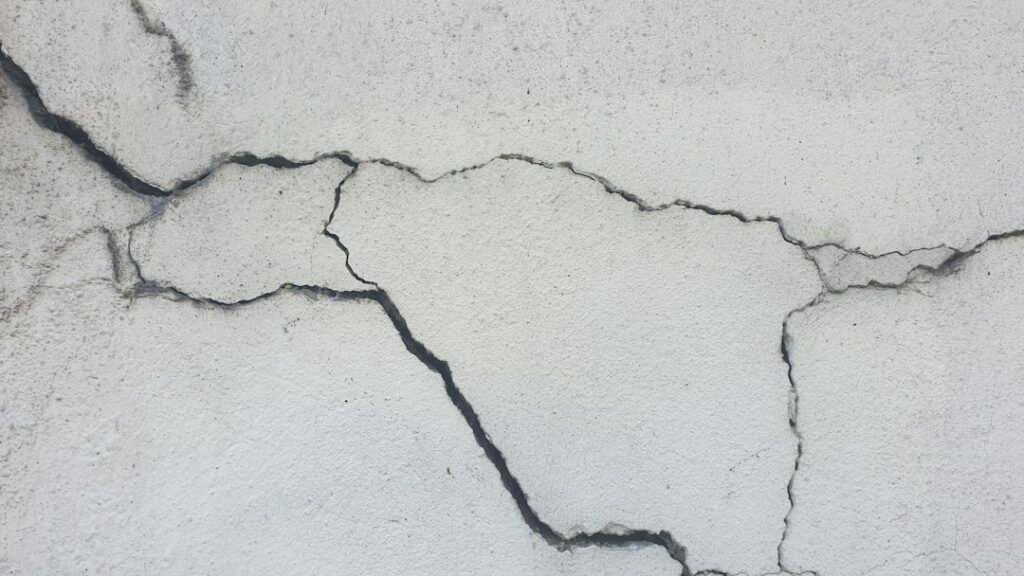
Almost every concrete slab cracks eventually. Driveways, garage floors, patios, sidewalks and basement floors all develop lines over time, and the shelves at the hardware store are full of products promising to fix them. A concrete crack filler can be a sensible, inexpensive maintenance step that keeps water, ice, debris and insects out of a crack. It can also hide a symptom that deserves a closer look. The difference lies in understanding what kind of crack you have, why it formed, and whether it is still moving. This guide explains how to tell shrinkage cracks from cracks that may be structural, compares the main filler types (flexible polyurethane sealants, epoxies and cement-based patching mortars), covers preparation and backer rod, discusses freeze-thaw and expansive soils along the Colorado Front Range, explains why sealing slab cracks is not radon mitigation, and lists the signs that call for a structural engineer. Prices are general 2026 ranges and vary by product, region and contractor.
Part of our Structure & Exterior guide — start there for the full picture →
Why Concrete Cracks: Shrinkage vs Structural
Concrete shrinks as it cures and dries. Because a slab is restrained by the ground beneath it and by whatever it is attached to, that shrinkage creates tension, and concrete is weak in tension. Contractors cut or tool control joints into slabs to give that cracking a planned place to happen, but random cracks still form in many slabs, especially if joints are spaced too far apart or cut too late.
Shrinkage and hairline cracks
Typical shrinkage cracks share several traits:
- They are narrow, often hairline to roughly an eighth of an inch.
- The two sides are at the same height, with no step or lip between them.
- They often run from a corner, a control joint, a post or a drain, or across the middle of a large panel.
- They do not grow noticeably over months or years.
These are usually cosmetic. Sealing them can keep water and debris out, but they rarely indicate a structural problem.
Cracks that may be structural or active
Other patterns suggest movement in the soil, foundation or structure:
- Vertical displacement, where one side of the crack sits higher than the other.
- Widening cracks, or cracks wider at one end than the other.
- Cracks that reopen after being sealed or patched.
- Horizontal or stair-step cracks in foundation walls, or cracks paired with bowing walls.
- Heaving or sinking slabs, doors that start to stick, or drywall cracks appearing above the area.
These cracks are not a job for a tube of filler alone. Our guides to foundation cracks and basement floor cracks explain how to read crack patterns in walls and floors in more detail.
Types of Concrete Crack Filler
Different products solve different problems. The key question is whether the crack is expected to move. Flexible sealants accommodate movement; rigid fillers do not.
Polyurethane and other flexible sealants
Polyurethane concrete sealants are the most common choice for driveways, sidewalks, garage floors and joints between slabs and foundations. They stay flexible after curing, so they can stretch and compress as the concrete expands and contracts with temperature. Many come in caulk tubes; self-leveling versions flow into horizontal cracks and joints and level themselves. Hybrid and silicone-based concrete sealants offer similar flexibility. These products are best for cracks and joints that move seasonally, for sealing out water, and for keeping weeds and ants out of driveway cracks. They are usually not intended to restore strength, and most perform poorly on very wide gaps without a backer rod.
Epoxy and polyurethane injection
Epoxy is rigid and very strong, and it bonds well to clean, dry concrete. Low-viscosity epoxies are injected into cracks in foundation walls to bond the two sides back together, essentially restoring the concrete’s continuity. That makes epoxy useful for some non-moving structural cracks, but only after a qualified professional has determined that the cause of cracking has stopped. If the crack is still active, rigid epoxy may simply move the crack to a new location next to the repair.
Polyurethane foam injection is a different product. It expands to fill a crack and creates a flexible, watertight seal. It is often used to stop water seepage through foundation wall cracks, but it adds little structural strength. Both injection methods are typically professional jobs, though consumer kits exist for small wall cracks.
Cement-based patching mortars and vinyl patch
Cement-based patching compounds, vinyl concrete patchers and hydraulic cement are used for wider cracks, spalled areas, chipped edges and holes. They are rigid and match the look of concrete better than caulks do. Hydraulic cement sets quickly and expands slightly, so it is often used to plug actively leaking holes in basement walls. Rigid patches tend to crack again if the underlying crack moves, so they work best on stable areas.
Quick comparison
- Moving cracks and joints, outdoors: flexible polyurethane or hybrid sealant, often self-leveling, with backer rod in deeper gaps.
- Hairline cracks in a stable slab: a thin, penetrating crack sealer or flexible sealant.
- Leaking foundation wall crack: polyurethane injection, typically by a professional, along with a look at grading and drainage.
- Non-moving structural crack, after evaluation: epoxy injection by a qualified contractor.
- Spalls, chips and holes: cement-based patching mortar or vinyl patch.
Preparation and Backer Rod
Most crack filler failures come from poor preparation, not poor products. Manufacturers’ instructions vary, but common steps include:
- Clean the crack thoroughly. Remove loose concrete, dirt, weeds, old sealant and dust with a wire brush, a screwdriver or a crack-chasing tool, then vacuum or blow it out.
- Let it dry. Most sealants and epoxies need dry concrete to bond. Check the temperature range on the product, since many will not cure properly in cold weather.
- Install backer rod in deeper cracks. Backer rod is a round, compressible foam rope pushed into the crack so the sealant does not sink to the bottom. It controls sealant depth, saves material and allows the sealant to flex properly by bonding only to the two sides of the crack rather than the bottom. Choose a diameter slightly larger than the crack width so it fits snugly.
- Apply the filler. Fill to the level the product calls for, often slightly below the surface on horizontal slabs so tires and shovels do not catch it.
- Protect it while it cures. Keep foot and vehicle traffic off it for the time listed on the label.
On a wide crack, sealant without backer rod tends to sink, use far more material and tear when the slab moves, because it is bonded on three sides instead of two. On hairline cracks, there is no room for backer rod, and a thin, penetrating product works better.
Sealing the crack is one part of slab care. Applying a concrete sealer to the whole surface can reduce water absorption and surface scaling, and for a basement floor that will be coated, the sibling guide to basement floor paint covers why cracks and moisture should be addressed before painting.
Where Cracks Show Up Around a House
The right response also depends on where the crack is.
- Driveways and sidewalks. These take vehicle loads, snowplows, de-icers and full sun. Flexible, self-leveling polyurethane sealants are the usual choice for cracks and the joints between panels. A crack along the joint where the driveway meets the garage slab or the foundation should be sealed so water does not run toward the house.
- Garage floors. Shrinkage cracks are very common and usually cosmetic. Vehicles bring in water and road salt, so sealing keeps the cracks from collecting debris and scaling at the edges.
- Patios and stoops. A stoop or patio that tilts toward the house is a drainage concern regardless of cracks, because it sends water to the foundation and sometimes under doors.
- Basement floors. Cracks here may relate to shrinkage, soil movement or water pressure. Note any moisture, efflorescence (white mineral deposits) or heaving, and treat the floor as a possible radon pathway, as discussed below.
- Foundation walls. Wall cracks are a different category from slab cracks, because walls are part of the structure that supports the house. They deserve more caution before any filler goes in.
Freeze-Thaw and Expansive Soils on the Front Range
Colorado’s Front Range is hard on concrete. Two forces stand out.
Freeze-thaw cycles. Winters along the Front Range often swing above and below freezing many times. Water that enters a crack can freeze, expand and widen it, and repeated cycles can break down crack edges and surface layers. De-icing salts can accelerate scaling on driveways and walks. Keeping water out of cracks with a flexible sealant, and directing roof and surface water away from slabs, is one of the more useful maintenance steps here.
Expansive soils. Many parts of the Front Range have clay soils that can swell when wet and shrink as they dry. That seasonal movement can lift, tilt and crack slabs, driveways, patios and basement floors, and in some homes it affects foundations. Many Front Range basements were built with floating basement slabs separated from walls for this reason. The degree of risk varies from one neighborhood to the next and even from lot to lot, and a soils report or geotechnical engineer is the right source for site-specific advice.
For homeowners, the practical consequences are:
- Flexible sealants usually outperform rigid patches for outdoor slabs and joints that move with the seasons.
- Cracks that keep reopening, widening or developing height differences point to soil movement, which filler cannot stop.
- Drainage matters. Downspouts that dump next to slabs, grading that slopes toward the house and leaking irrigation feed the moisture changes that move clay soils.
For sunken slabs, lifting may be possible; the guide to mudjacking explains how slab lifting works. For surfaces covered in many small cracks and scaling, concrete resurfacing may be an option once the base is stable.
Radon: Sealing Slab Cracks Is Not Mitigation
Basement floor cracks and the joint where the slab meets the wall are also pathways for soil gases, including radon. The U.S. Environmental Protection Agency (EPA) describes radon as a radioactive gas that forms naturally as uranium, thorium or radium break down in rocks, soil and groundwater, and notes that people are exposed to it primarily by breathing radon in air that comes through cracks and gaps in buildings.
It is natural to assume that sealing those cracks will solve a radon problem. The EPA’s Consumer’s Guide to Radon Reduction addresses this directly. It describes sealing cracks and other openings in the foundation as a basic part of most radon reduction approaches, because it limits radon flow and makes other techniques more effective. But it also states that EPA does not recommend sealing alone to reduce radon, because sealing by itself has not been shown to lower radon levels significantly or consistently, it is difficult to identify and permanently seal every entry point, and normal settling opens new routes and reopens old ones.
In practice, that means:
- Test first. The only way to know a home’s radon level is to test it.
- If levels are elevated, a properly designed mitigation system, most often active soil depressurization installed by a qualified professional, is the usual fix. Sealing cracks is typically part of that work, not a replacement for it.
- For new construction, EPA’s radon-resistant construction guidance includes sealing openings and cracks in the foundation floor and walls, including the slab perimeter crack, with polyurethane caulk, alongside a gas-permeable layer, vapor retarder and vent pipe.
- Retest after mitigation or major foundation repairs.
Radon is common along the Front Range. Our radon testing guide for Colorado homeowners explains how to test and what the results mean.
When to Call a Structural Engineer
Home inspectors and contractors can identify warning signs, but only a licensed structural engineer can evaluate a structural condition and design a repair. The ASHI Standard of Practice specifically states that home inspectors are not required to provide engineering or architectural services or analysis, or to offer an opinion about the adequacy of structural systems. Consider an engineer’s evaluation when you see:
- Cracks with one side noticeably higher than the other.
- Cracks wider than roughly a quarter inch, or cracks that are widening over time.
- Horizontal cracks, stair-step cracks in block walls, or walls that bow or lean.
- Basement floors that heave, especially with cracks radiating from a high point.
- Doors and windows that begin to stick, combined with new drywall cracks.
- Cracks that reopen repeatedly after sealing.
Marking the ends of a crack with a pencil and the date, and photographing it with a ruler for scale every few months, gives an engineer useful information about whether it is moving. An engineer’s report also carries weight in real estate negotiations, where a buyer or seller may need a professional opinion on whether a crack is cosmetic.
Typical Costs
Costs vary widely with crack length, access, product and region. As rough 2026 ranges:
- DIY crack filler: a tube of polyurethane or self-leveling sealant often runs about $8 to $25; backer rod is a few dollars per roll. Patching mortars and vinyl patch are usually $10 to $40 per container.
- Professional crack sealing on a driveway or garage floor: frequently a few hundred dollars, often subject to a minimum service charge.
- Foundation crack injection (epoxy or polyurethane): commonly around $300 to $1,000 or more per crack, depending on length and access.
- Structural engineer evaluation: often roughly $400 to $1,000 for a residential site visit and letter, more for a detailed report.
- Structural repairs, slab lifting, underpinning or wall bracing: can range from the low thousands to well beyond, depending on the cause.
For buyers, a crack in the garage floor is rarely a reason to walk away, but a pattern of active cracking deserves follow-up before closing. The structure and exterior inspection section explains how inspectors evaluate foundations and slabs, and our guide to hiring a home inspector covers how to choose an inspector and read the report.
References
- Consumer’s Guide to Radon Reduction: How to Fix Your Home — U.S. Environmental Protection Agency
- What Is Radon? — U.S. Environmental Protection Agency
- Radon-Resistant Construction Basics and Techniques — U.S. Environmental Protection Agency
- ASHI Standard of Practice for Home Inspections — American Society of Home Inspectors
Frequently asked questions
What is the best concrete crack filler?
It depends on the crack. Flexible polyurethane or hybrid sealants suit outdoor cracks and joints that move with the seasons. Cement-based patching mortars suit chips and spalls in stable concrete. Epoxy injection is used for some non-moving structural cracks after a professional evaluation.
Do I need backer rod for concrete cracks?
For cracks deeper and wider than about a quarter inch, backer rod is usually recommended. It keeps sealant from sinking, saves material and lets the sealant flex by bonding only to the sides of the crack. Hairline cracks are too narrow for it.
Will sealing basement floor cracks fix radon?
No. EPA says sealing alone has not been shown to lower radon levels significantly or consistently. Sealing cracks is often part of a mitigation system, but a home with elevated radon typically needs a properly designed system such as active soil depressurization. Test before and after.
How do I know if a concrete crack is structural?
Warning signs include one side higher than the other, widening over time, horizontal or stair-step cracks in walls, heaving floors and cracks that reopen after sealing. These call for evaluation by a licensed structural engineer rather than filler alone.
Why do concrete cracks keep coming back after I fill them?
Usually because the crack is still moving, often from expansive soils, freeze-thaw cycles or drainage problems, or because a rigid filler was used where a flexible sealant was needed. Address the cause and use a product suited to movement.
Wondering whether the cracks in a basement floor or foundation are cosmetic or something more? Reach out to us to schedule a Front Range inspector, and pair the inspection with a radon test while you are at it.