Pot Filler Faucet: Water Line, Wall Framing and Leak Risks
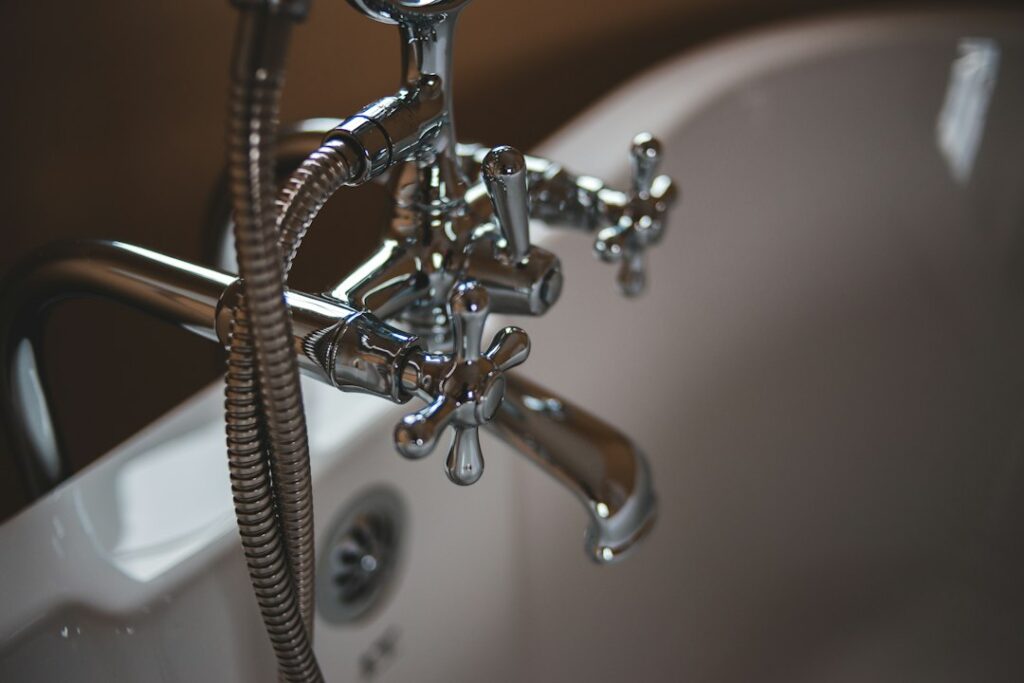
Pot fillers used to be a restaurant fixture. Now they show up in remodeled kitchens across the Front Range, folded neatly against the backsplash above a range, ready to fill a stockpot without carrying it from the sink. The convenience is real, especially for people who cook large batches of pasta, soup or canning water. A pot filler faucet also adds a pressurized water line to a wall that usually has no plumbing at all, directly above a hot cooking surface and with no sink or drain underneath to catch a drip. This guide explains what a pot filler is, how the supply line is run, the framing and blocking it needs, shutoff and leak-prevention strategies, water hammer and freeze risks, clearance around gas ranges, how it fits into a kitchen remodel, and hedged costs.
Part of our Plumbing & Water guide — start there for the full picture →
What a Pot Filler Faucet Is and How It Works
A pot filler is a wall-mounted faucet, usually installed above the cooktop or range, with an articulating arm that swings out over the burners and folds back flat when not in use. Most are cold-water only. The arm typically has two joints and two shutoff valves: one near the wall and one at the spout end. Some models are deck-mounted next to a cooktop instead of on the wall, and a few commercial-style units are installed on a backsplash with a single long spout.
The point of the fixture is to fill heavy pots where they will be cooked, which saves lifting a full pot from the sink to the stove. Many cooks still drain pasta at the sink, so a pot filler removes only half of the trip. Whether that convenience is worth a new water line in the wall depends on how often the household cooks with big pots, how far the range sits from the sink, and the remodel budget.
Because the fixture has no drain below it, any leak, drip or overflow lands on the range or behind it. That single fact shapes most of the design decisions below.
Running the Water Line Behind the Range
Adding a pot filler means extending a cold-water supply from the nearest line, often from under the sink, a basement or crawl space, or an adjacent wall, up into the wall cavity behind the range. The new line typically terminates in a stub-out at the faucet height the manufacturer recommends, frequently around 20 to 24 inches above the cooktop surface, though models vary.
Many installers use PEX for this run because it is flexible enough to snake through existing walls and floors with fewer joints. Our PEX pipe guide covers fittings, crimp versus expansion connections and limits such as UV exposure and direct contact with heat sources. Copper is also common, especially when the rest of the home is plumbed in copper. Either way, fewer concealed joints mean fewer places for a hidden leak to start.
Wall access is the main cost driver. In a full kitchen remodel with open walls, adding the line is relatively simple. In a finished kitchen, the work can mean removing backsplash tile, cutting drywall, drilling through top plates or floor framing and then patching and re-tiling. Exterior walls bring insulation and freeze concerns, which are discussed below.
Local plumbing codes and permit requirements apply to new supply lines, and some Front Range jurisdictions require a permit and inspection for any concealed plumbing extension. Confirm requirements with the local building department before opening the wall.
Framing, Blocking and Mounting Hardware
A pot filler arm extended fully over a range acts like a lever on its wall mount. Every time someone pulls the arm out, bumps it with a pot, or hangs a heavy pot from the spout while filling it, the mount takes load. Mounting the faucet only to drywall or tile is asking for a loose fixture and, eventually, a leak at the connection behind the wall.
Most manufacturers call for solid backing. That usually means wood blocking set between studs at the faucet height, with the supply line drop-ear elbow or mounting bracket screwed into it. A secured drop-ear elbow keeps the stub-out from moving when the faucet is tightened or used. Planning the blocking before drywall and backsplash go up is far easier than retrofitting it later.
Height and position deserve a mock-up. The arm should clear the tallest pot the household uses, reach the front and back burners, and fold back without hitting the range hood, backsplash trim or controls. A pot filler mounted too low can interfere with tall stockpots; one mounted too high can splash.
Shutoffs, Double Valves and Leak Risk
A pot filler is one of the few fixtures in a home with pressurized water sitting above an appliance and no drain below. That combination makes accessible shutoffs and good valves especially important.
Accessible Shutoff Valve
Many plumbers recommend an accessible isolation valve on the pot filler supply so the fixture can be shut off for repairs without turning off water to the whole house. Common locations include under the sink if the line branches from there, in a basement or crawl space below the range, or behind an access panel. Everyone in the household should also know where the house’s main shutoff is located; our guide to the main water shut-off valve explains how to find and exercise it.
Double-Shutoff Articulating Arms
Most pot fillers have two valves: one at the wall and one at the spout. The intent is that the wall valve controls supply and the spout valve controls flow while filling. If one valve develops a slow drip, the other can usually stop it. Even so, cartridges and seals wear over time. A pot filler that drips onto a cooktop is a nuisance; one that drips behind a range for months can damage flooring and cabinets before anyone notices.
Leaks You Cannot See
The riskiest leaks are inside the wall at the stub-out or connection, where nothing drains and nothing shows until drywall stains or flooring swells. EPA’s WaterSense Fix a Leak Week page notes that common household leaks include dripping faucets and other leaking valves, and that the average household’s leaks can account for more than 9,300 gallons of water wasted every year. EPA’s mold guidance adds that water-damaged areas and items should be dried within 24 to 48 hours to prevent mold growth, which is hard to do when the leak is hidden behind a range. Some homeowners add a small battery-powered leak sensor on the floor behind or beside the range as an early warning.
Habits matter too. Close both valves after each use, never leave a pot filling unattended, and check for drips periodically by looking at the spout and the wall flange. For more on diagnosing and fixing drips at the main kitchen tap, see our guide to a leaking kitchen faucet; many of the cartridge and seal issues are similar.
Water Hammer and Pressure
Quarter-turn valves on pot fillers open and close quickly. A fast shutoff can create a pressure spike in the supply line that makes pipes bang, an effect called water hammer. Over time, repeated spikes can stress joints and connections, especially in long or poorly secured runs. A water hammer arrestor near the fixture, properly strapped piping and reasonable household water pressure all help. Our water hammer guide explains causes and fixes, including when a pressure-reducing valve should be checked.
High static pressure is common in some neighborhoods with elevation changes. If a pressure gauge on a hose bib reads well above typical residential ranges, a plumber can check or adjust the pressure-reducing valve, which helps every fixture in the house, not just the pot filler.
Freeze Risk on Exterior Walls
Ranges are often placed on exterior walls, and Front Range winters routinely bring hard freezes and sudden temperature drops. A new water line run inside an exterior wall cavity is more exposed to cold than one in an interior wall, particularly if insulation is thin, missing or compressed behind the pipe.
Plumbers commonly try to keep the line on the warm side of the insulation, minimize the length of pipe inside the exterior wall, or route the supply from the interior side when possible. Air sealing around penetrations helps. If the only option is an exterior wall in an older home with little insulation, it is worth discussing the risk before the line goes in. A frozen and split line behind a range can release a lot of water quickly once it thaws. Our guide to burst pipe repair covers emergency steps and repairs if that happens.
Gas Range Clearance and Kitchen Layout
A pot filler sits close to an open flame or hot surface, so the range manufacturer’s installation instructions matter. Those instructions specify clearances to combustible materials and overhead cabinets, and the range hood manufacturer has its own requirements. The pot filler should fold back so it does not hang over a burner when not in use, and the arm should not block hood airflow or controls.
Avoid placing the faucet so that reaching it requires leaning across lit burners. Some cooks prefer the pot filler to the side of the cooking zone rather than centered. If the kitchen has a gas range, also confirm the gas connection, shutoff and flexible connector remain accessible after the backsplash work. Our guide to gas stove installation covers connectors, shutoffs, anti-tip brackets and ventilation.
Pot Fillers in a Kitchen Remodel
Pot fillers are most cost-effective when they are part of a larger remodel with open walls, new backsplash and a range relocation already planned. Adding one to an otherwise finished kitchen can cost much more than the faucet itself because of demolition and finish repair. Our kitchen remodel cost guide helps frame where a pot filler fits among bigger-ticket items like cabinets, countertops and appliances.
Water efficiency is another consideration buyers sometimes ask about. EPA’s WaterSense program labels bathroom sink faucets, not kitchen faucets; its bathroom faucet page states that EPA does not have criteria for other faucet types, including kitchen faucets, to earn the WaterSense label. That means a pot filler will not carry a WaterSense label, and its flow rate is set by the manufacturer and applicable plumbing codes. Because pot fillers are used to fill vessels to a fixed volume, flow rate affects speed more than total water use.
Choosing a Pot Filler and Considering Alternatives
Pot fillers differ more than they appear to in showroom photos. Arm length decides whether the spout reaches the back burners of a wide range; a 36-inch or 48-inch range may need a longer reach than a standard 30-inch model. Valve type matters for longevity. Ceramic disc cartridges are common and generally hold up well, while cheaper compression-style valves may need more frequent attention. Finishes should match the main kitchen faucet, but solid brass bodies tend to outlast thin plated zinc in a fixture that gets pulled and pushed daily.
Look for a model with replacement cartridges that are easy to buy, clear rough-in instructions and a mounting system designed for blocking. Some units include a separate in-wall rough valve, which makes future cartridge replacement easier without opening the wall again. Reading the installation manual before buying can reveal stub-out heights, wall thickness limits and clearances that do not suit every kitchen.
Some households decide a pot filler is not worth the hidden plumbing. Alternatives include a high-arc pull-down kitchen faucet that fills pots in the sink and on the counter, a filling hose accessory, a lightweight pot that is easier to carry, or a rolling cart set beside the range for heavy pots. A deck-mounted pot filler beside a cooktop on an island can also avoid exterior-wall freeze concerns, although it still needs a supply line routed through the cabinet or floor. None of these options are as convenient as a wall-mounted filler for frequent large-batch cooking, but they avoid putting new pressurized plumbing behind the range.
Pot Filler Faucet Costs (Hedged)
Costs vary widely depending on the fixture, wall access and local labor rates. These ranges are broad market estimates drawn from contractor quotes and national cost guides, not government figures, and Front Range pricing can differ.
- Fixture only: basic models can be found for a few hundred dollars; premium finishes and commercial-style designs often cost $500 to over $1,000.
- Installation during a remodel with open walls: often several hundred dollars for the plumbing extension, blocking and mounting.
- Retrofit into a finished kitchen: frequently higher, sometimes $1,000 or more once drywall, tile removal, patching and re-tiling are added.
- Extras: permits, water hammer arrestors, access panels, leak sensors and exterior-wall insulation work add cost.
When comparing quotes, ask each plumber to spell out where the line will tap in, what pipe material and fittings will be used, where the isolation valve will sit, whether blocking is included, and who handles drywall and tile repair. A low quote that leaves patching and re-tiling to the homeowner can end up costing more than a higher, all-inclusive one. Confirm whether a permit is included in the price.
What a Home Inspector Will and Will Not Check
The ASHI Standard of Practice directs inspectors to inspect interior water supply and distribution systems, including fixtures and faucets, and to describe the location of main water and fuel shut-off valves. An inspector may operate a pot filler, look for leaks at the spout and wall flange, check whether it is securely mounted, and look for staining or swelling on the floor and cabinets around the range.
A standard visual inspection cannot see inside the wall, so concealed joints, missing blocking and pipe insulation are generally outside its scope. If a seller cannot say who installed the pot filler or whether it was permitted, that is a reasonable question to raise. For more on choosing an inspector, see our guide to hiring a home inspector and the plumbing and water hub.
References
- WaterSense Bathroom Faucets — U.S. Environmental Protection Agency
- Fix a Leak Week — U.S. Environmental Protection Agency, WaterSense
- A Brief Guide to Mold, Moisture and Your Home — U.S. Environmental Protection Agency
- ASHI Standard of Practice for Home Inspections — American Society of Home Inspectors
Frequently asked questions
Is a pot filler faucet worth it?
It depends on cooking habits and timing. Households that fill large pots often may value it, but it saves only the trip to the stove, not the trip back to drain. It is most cost-effective during a remodel with open walls, since retrofits add demolition and finish repair costs.
Does a pot filler need hot water?
Most pot fillers are cold-water only. Cold water is typically used for cooking, and running only one line keeps installation simpler and less expensive.
What happens if a pot filler leaks?
There is no drain beneath it, so drips land on the range or run behind it. Concealed leaks at the wall connection can damage flooring and cabinets before they are noticed. Close both valves after use, check periodically for drips, and consider a leak sensor behind the range.
Can a pot filler be installed on an exterior wall?
It can, but the line is more exposed to freezing, which is a real concern in Colorado winters. Plumbers usually keep the pipe on the warm side of the insulation, minimize exposure and air-seal penetrations. If that is not possible, an interior-side supply route may be safer.
Are pot fillers WaterSense labeled?
No. EPA's WaterSense faucet label covers private bathroom sink faucets, and the program states it does not have criteria for kitchen faucets. Pot filler flow rates are set by the manufacturer and plumbing codes.
Touring a Front Range kitchen with a pot filler and wondering what is going on behind the backsplash? Reach out on our contact page and we can connect you with an inspector who checks fixtures, shutoff locations and signs of hidden leaks around the range.