Can You Smell Radon: The Direct Answer for Homeowners
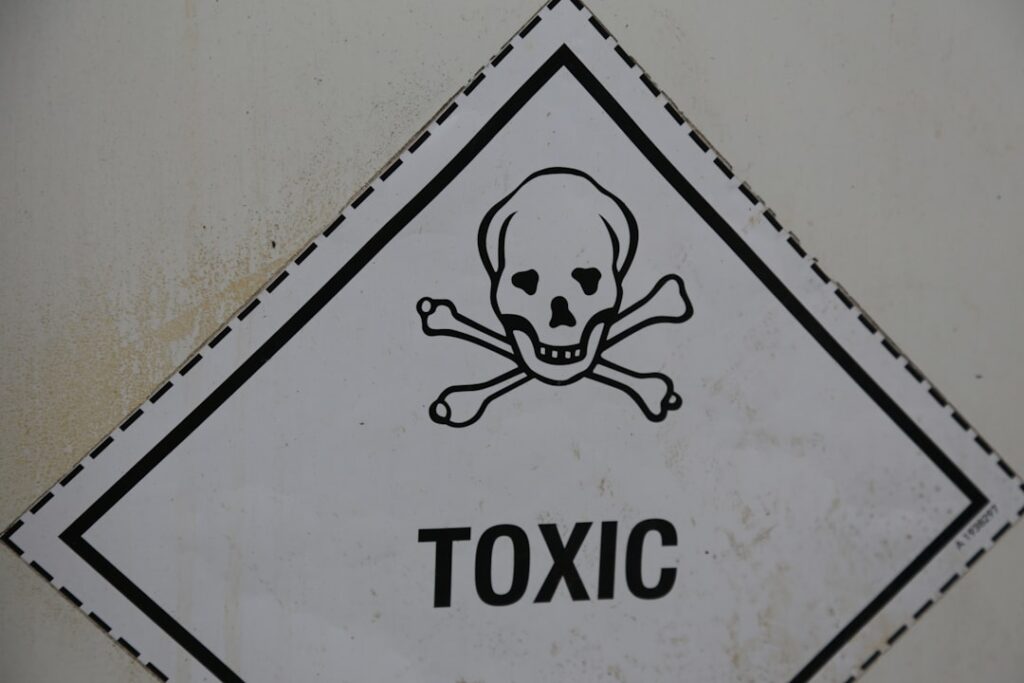
Can you smell radon? The direct answer is no. Radon is a colorless, odorless, tasteless noble gas. Human senses cannot detect it at any concentration, including concentrations that are dangerous over long-term exposure. This is the single most important fact about radon for homeowners to understand, because it shapes every other decision about whether to test, when to mitigate, and how to interpret what they sense in their own basements. This guide summarizes EPA and CDC guidance current as of 2026 and is not a substitute for testing your specific home or consulting a certified radon professional. If you came to this article because you smell something in your basement and you wonder whether it might be radon, the short version is: no, that smell is something else, and you should still test for radon separately because the two issues are unrelated.
Part of our Radon Levels guide — start there for the full picture →
Can you smell radon at any concentration?
No. Radon (chemical symbol Rn, atomic number 86) is a noble gas, which means its outer electron shell is full and it does not readily form chemical bonds with other elements. The molecules that humans can smell — sulfur compounds, organic acids, esters, amines, terpenes — all have chemistry that lets them interact with olfactory receptors in the nose. Radon does not have that chemistry. It is monatomic, chemically inert, and produces no odorant molecules. Radon at 1 pCi/L (a typical background level) smells exactly the same as radon at 100 pCi/L (a dangerous level): like nothing at all.
The same goes for color and taste. Radon is invisible to the eye and tasteless on the tongue. You cannot see, smell, taste, or feel radon. The only way to know whether radon is present in your home is to test for it with a passive test kit or a continuous radon monitor.
Why do so many homeowners think they smell radon?
The persistent myth of “radon smell” comes from the fact that basements where radon is a concern are also basements where other smelly indoor air problems occur. The same building characteristics — older foundation, sub-slab pressure differential, restricted ventilation, occasional moisture intrusion — that produce elevated radon readings also produce conditions that release detectable odors from completely different sources. Homeowners notice the odors, connect them to “the basement smell,” and assume the smell and the radon are the same thing. They are not.
The three odor categories most commonly confused with radon:
Volatile organic compounds (VOCs): off-gassing from old paint, carpet, adhesives, treated wood, stored solvents, and household chemicals. VOCs have characteristic chemical or “new construction” smells. They are real indoor air quality concerns in their own right, but they are unrelated to radon.
Mold and microbial volatile organic compounds (MVOCs): earthy, musty smells produced by mold colonies metabolizing organic substrates like drywall paper, wood, carpet backing, or cardboard. Mold smells signal a moisture problem and a potential health concern. Homeowners noticing musty basement odors should investigate the moisture source — leaks, foundation seepage, condensation, plumbing failures — and consider a mold inspection if visible growth exists.
Sewer gas: hydrogen sulfide and other volatile sulfur compounds from sewer lines that have lost their water trap, from dry floor drains in basements, from cracked drain stacks, or from broken sewer laterals. Sewer gas has the distinctive rotten-egg smell that hydrogen sulfide produces at parts-per-billion concentrations. Sewer gas can be a serious safety concern at high concentrations.
If you smell something in your basement, the smell is telling you something useful about indoor air quality — just not anything about radon. Investigate the smell on its own merits and test for radon separately.
What testing actually tells you
Because radon is sensorily undetectable, decisions about radon exposure rest entirely on measurement. EPA recommends every home be tested for radon, with retesting every two years and after any significant foundation work or basement remodeling. The three testing options are:
Short-term passive tests: charcoal canisters or alpha-track detectors placed in the lowest lived-in level of the home for 48 hours to 7 days. Cost $15 to $35 plus lab fee. Useful for screening and pre-purchase decisions.
Long-term passive tests: alpha-track or electret detectors deployed for 90 days to 12 months. Cost $25 to $60. Useful for annual-average estimates because radon varies seasonally — winter levels tend to run higher than summer.
Continuous radon monitors: electronic instruments that record hour-by-hour readings. Home-use models run $150 to $300 to purchase. Professional placements during a home inspection run $175 to $275.
The EPA action level for residential radon is 4 picocuries per liter (pCi/L), the World Health Organization sets a lower threshold at 2.7 pCi/L, and EPA emphasizes that no level is truly safe under the linear-no-threshold model used for radiation health risk assessment.
Why the “if you can’t smell it, it’s not a problem” frame is wrong
A subset of homeowners interpret the inability to smell radon as evidence that radon isn’t a real concern. The opposite is true. The undetectability is exactly why radon is dangerous. EPA estimates radon exposure causes approximately 21,000 lung cancer deaths per year in the United States, making it the second leading cause of lung cancer after smoking. None of those 21,000 people smelled the radon that contributed to their disease. They breathed it for years, often decades, without sensory warning. The risk is silent in a literal sense — and that silence is what makes testing important rather than optional.
The Front Range of Colorado sits in EPA Radon Zone 1, the highest-risk classification. CDPHE data consistently shows that more than half of tested Front Range homes register above 4 pCi/L. Front Range homeowners who have not tested are statistically likely to have a home above the action level, regardless of whether they smell anything unusual.
What to do about basement odors that aren’t radon
Each odor category has its own investigation path:
Mold/musty smell: trace the moisture source. Look for water staining on basement walls, condensation on plumbing or ductwork, evidence of past flooding, sump-pump issues, or foundation seepage. Visible mold growth on a non-porous surface under 10 square feet can typically be cleaned with detergent and water. Larger growth, growth on porous materials like drywall or carpet, and any growth where occupants have respiratory symptoms warrants a professional mold assessment.
VOC/chemical smell: identify the source. Stored paint, solvents, fuel, and old furniture are common contributors. Ventilation, source removal, and time usually resolve VOC concerns.
Sewer gas/rotten-egg smell: check floor drains and rarely-used fixtures. A floor drain that has dried out loses its water trap and allows sewer gas to enter. Pour a gallon of water down the drain and the smell usually resolves within a day. Persistent sewer-gas smell suggests a damaged sewer line or vent stack and warrants a plumbing investigation.
Homeowners walking through these decisions can read our radon testing pillar overview for the full testing-to-mitigation arc, and the sibling article does radon have a smell covers the underlying noble-gas chemistry in more detail.
Front Range testing recommendations
Specific recommendations for Front Range homeowners:
1. Test every home, regardless of age or whether you have noticed any smells.
2. Test in the lowest lived-in level — for most Front Range homes, this is the basement.
3. Use a short-term test for a quick screening result, then follow up with a long-term test if the short-term result is between 2 and 4 pCi/L, to capture a more representative annual average.
4. Test after any significant foundation work, basement remodel, or HVAC modification, because these activities can change soil-gas entry rates.
5. Mitigate if your test result is above 4 pCi/L, and consider mitigation if your result is between 2 and 4 pCi/L, particularly if young children sleep in the basement or if anyone in the household is a current or former smoker.
Why the “smell test” intuition fails for radon specifically
The smell-test intuition works reasonably well for most household hazards because evolutionary pressure shaped human olfaction toward detecting common dangers in the ancestral environment. Spoiled food smells bad. Animal decomposition smells bad. Fire smells smoky. Sulfurous geological seeps smell like rotten eggs. The nose evolved alongside these cues, and modern household hazards that share chemistry with ancient ones — natural gas leaks (mercaptan-odorized for safety), sewer gas (hydrogen sulfide), mold (microbial VOCs) — trigger the same recognition systems.
Radon is different because radon is a recent concern. Indoor radon as a measurable health hazard was not seriously characterized until the 1970s and 1980s, when researchers in Sweden, the United States, and Canada began connecting elevated indoor radon with lung-cancer rates. There has been no evolutionary pressure for humans to detect radon because radon at the dangerous concentrations encountered in modern tight-envelope buildings is itself a recent phenomenon. Pre-industrial human housing was leaky enough that indoor radon rarely accumulated to harmful levels, and even when it did, the resulting lung-cancer cases occurred decades after exposure — too far in the future to drive evolutionary response.
The result is a sensory gap. Radon at 20 pCi/L produces no signal a human nose could ever evolve to detect. The hazard exists outside the perceptual range our biology was built for, which is exactly why technological measurement — alpha-particle detectors, ion chambers, etched-track films — fills the gap that biology cannot.
Carbon monoxide is the partial counterexample worth understanding
Carbon monoxide produces a similar “you cannot smell it” warning, and yet CO detectors became standard household equipment decades before radon detectors entered most homes. Why? Because acute carbon monoxide poisoning produces effects on the same day or within hours — headaches, nausea, confusion, unconsciousness, death — that make the hazard impossible to ignore once cases accumulate. Radon-induced lung cancer takes 20 to 40 years to develop, which obscures the cause-and-effect relationship from individual homeowner experience.
The lesson is that hazards with delayed health consequences require measurement-driven decision making in a way that hazards with immediate consequences do not. The smoke detector tells you about smoke in real time. The CO detector tells you about carbon monoxide in real time. The radon test tells you about radon over days, months, or years — and the cancer risk that the radon level represents will not become evident in your body for decades. Acting on the measurement now is the only mechanism available, because waiting for symptoms means waiting for cancer.
Practical answer for someone smelling something right now
For a homeowner who came to this page because they smell something in their basement and want to know if it might be radon: it is not radon. Radon is odorless. The smell you are noticing is something else, and it deserves its own investigation. The three most common candidates remain volatile organic compounds (chemical smell — investigate source materials and ventilation), mold (musty/earthy smell — investigate moisture sources), and sewer gas (rotten-egg smell — check P-traps and floor drains). Each has a clear diagnostic path and a clear remediation. Treat the smell on its own merits.
Then test for radon separately. The fact that you noticed a basement smell at all suggests you are paying attention to basement air quality, and that same attention is worth directing toward the invisible, odorless gas that is far more dangerous than most of the smells homeowners notice. A short-term radon test from a hardware store costs under $35 including the lab fee and gives you a measured number within two weeks. That number is the only credible answer to the radon question — your nose will never produce it.
References
- EPA Radon homeowner program — U.S. Environmental Protection Agency
- CDC Radon and Lung Cancer — Centers for Disease Control and Prevention
- CDPHE Colorado Radon Program — Colorado Department of Public Health and Environment
- American Lung Association radon guidance — American Lung Association
Frequently asked questions
Can you smell radon in a basement?
No. Radon is a colorless, odorless, tasteless noble gas. Smells in basements come from volatile organic compounds, mold, or sewer gas — all of which are unrelated to radon. The only way to detect radon is with a passive test kit or continuous radon monitor.
Why does my basement smell musty if it isn't radon?
Musty smells almost always indicate mold or microbial growth on damp organic materials. Investigate the moisture source first. Visible growth on porous materials warrants a mold inspection. Test for radon separately because the two issues are unrelated.
If I can't smell radon, do I really need to test?
Yes. EPA estimates radon exposure causes about 21,000 lung-cancer deaths per year in the United States, and none of those exposures produced any smell. The Front Range is in EPA Radon Zone 1 with more than half of tested homes reading above 4 pCi/L.
What does EPA recommend as the action level?
EPA recommends mitigation at 4 picocuries per liter or higher. WHO recommends a lower 2.7 pCi/L action level. Both organizations note there is no level considered truly safe — radon lung-cancer risk is generally treated as linear with no threshold.
This guide summarizes EPA and CDC guidance current as of 2026 and is not a substitute for testing your specific home. Front Range homeowners wanting a professional test or mitigation evaluation can connect with a vetted certified radon professional through our contact page.
Test your home for radon
Radon is invisible and odorless, so a test is the only way to know your level. A short-term kit gives a first reading in days; a digital monitor tracks it over time.
| Product | Why | Buy |
|---|---|---|
 AirChek Charcoal Radon Test Kit | Lab fee usually included; EPA short-term protocol. | Amazon — $21.95 |
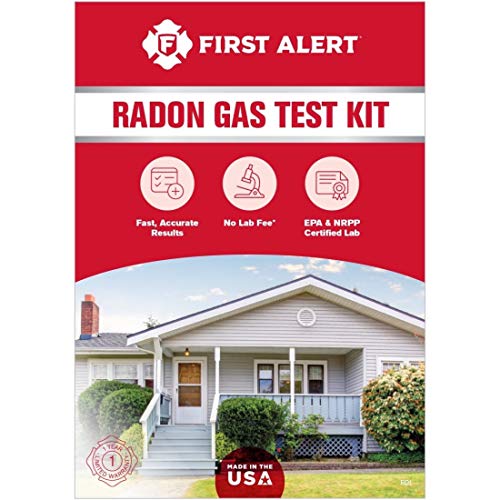 First Alert RD1 Radon Test Kit | Widely stocked; 48-hour charcoal test. | Amazon — $16.98 |
 Airthings Corentium Home | Digital monitor with a long-term average. | Amazon — $142.99 |