How Does Mold Smell: A Plain-Language Guide
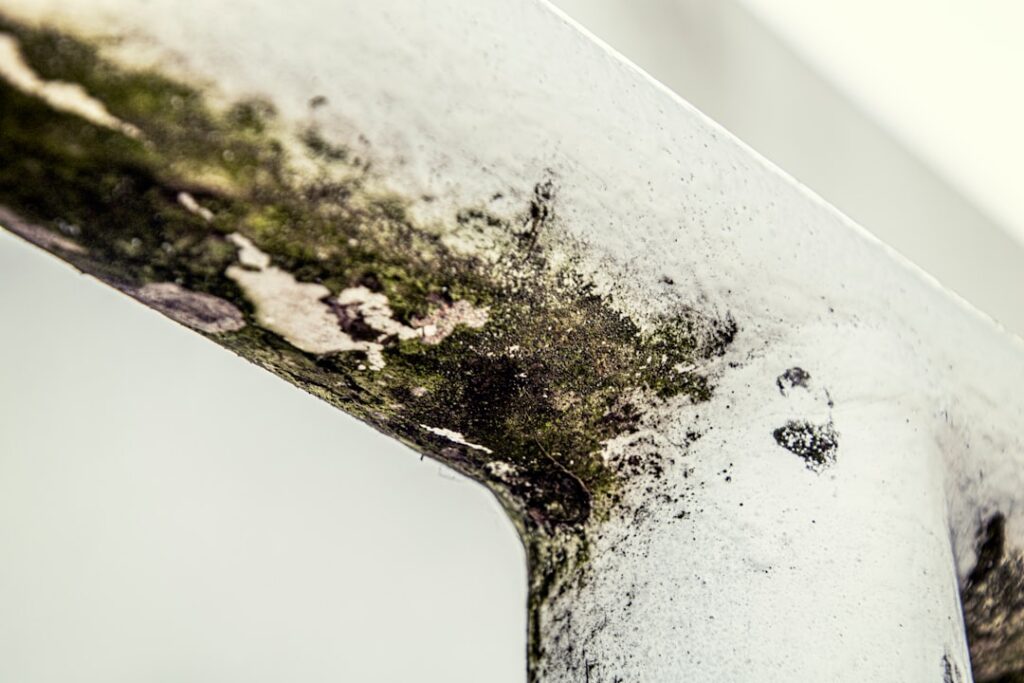
How does mold smell? Most people describe it as musty, earthy, or stale, like wet cardboard, damp soil, or a basement that has been closed up for years. That distinctive odor is often the first sign of a hidden moisture problem, sometimes appearing before any mold becomes visible. Learning to recognize and trace the smell helps homeowners catch issues early, while they are still small and inexpensive to fix. This guide summarizes EPA and CDC guidance current as of 2026 and is general information, not medical advice; consult a physician about symptoms and a qualified professional for testing decisions.
Part of our Types of Mold guide — start there for the full picture →
Is this mold, asbestos, or water damage? Get a free instant screen
Upload a clear photo of the suspect area. You'll get an instant AI screening opinion and what to do next. This is screening guidance, not a professional determination.
Screening guidance only. AI can be wrong. Confirm asbestos, mold type, or lead with lab testing or a licensed professional before acting.
What mold actually smells like
The classic mold smell is musty and earthy, frequently compared to wet socks, rotting wood, or old books. Some people notice a sharper, more pungent note when growth is heavy or when certain species are involved. The odor tends to be persistent rather than fleeting, lingering in a room even after you open windows, and it often grows stronger in enclosed spaces like closets, basements, and cabinets where air does not circulate.
The smell comes from microbial volatile organic compounds, or MVOCs, gases that molds release as they grow and digest the material they live on. These compounds are what your nose detects, which is why a mold smell can be present even when the colony is hidden inside a wall or under flooring where you cannot see it. The intensity does not reliably track the danger; a strong smell does not automatically mean a severe hazard, and a faint one should not be dismissed.
Why a mold smell often appears before visible growth
Because MVOCs are airborne gases, they travel out of wall cavities, subfloors, and ductwork into living spaces while the actual mold stays out of sight. A homeowner may smell something musty for weeks before a stain finally appears on the drywall. That lag is exactly why the odor is valuable: it is an early warning that moisture is collecting somewhere it should not be. Ignoring it lets a small colony expand into a larger, costlier one.
Hidden growth behind drywall, under carpet, inside HVAC systems, or in crawl spaces is the most common source of a smell with no visible cause. Our guide to signs of mold behind drywall covers how to investigate a wall that smells musty without obvious staining, and our overview of mold in air vents addresses odors that intensify when the heating or cooling runs.
How to trace a mold smell to its source
Tracking the odor is a process of narrowing down. Move room to room and note where the smell is strongest. Open closets, sniff near baseboards and under sinks, and pay attention to whether the smell intensifies when the HVAC system cycles on, which points toward ductwork or the air handler. Check known moisture-prone spots first: bathrooms, kitchens, basements, crawl spaces, and any area with a past leak. A moisture meter can confirm dampness in a wall that smells off, and a musty smell that gets stronger near a specific wall warrants opening it up or calling a professional.
Timing offers another clue. A smell that strengthens after rain or during humid weather points to a moisture intrusion that worsens when the building gets wet, such as a foundation leak or poor exterior drainage. One that intensifies when the heat or air conditioning runs implicates the duct system, where condensation or a damp filter can harbor growth. A smell concentrated in a closed-up room or a seldom-used basement suggests stagnant, humid air feeding surface mold. Noting when and where the odor peaks turns a vague “the house smells musty” into a short list of likely sources worth checking first, which saves time and avoids opening walls at random.
Is the mold smell harmful by itself?
The smell is a symptom, not the hazard. The CDC notes that exposure to indoor mold can cause nasal congestion, throat irritation, coughing, eye irritation, and skin reactions, with stronger effects in people who have asthma, allergies, or weakened immune systems. Whether the MVOCs themselves cause health effects at typical indoor concentrations is less settled, but the practical point is the same: a persistent mold smell signals dampness and growth that should be found and corrected. The color or species of the mold does not change the response.
If household members notice symptoms that ease when they leave the home and return when they come back, that pattern is worth discussing with a doctor and worth treating as a prompt to investigate the building. Readers can review our guide to mold allergy symptoms for the typical reactions.
What to do when you smell mold
Start by finding and fixing the moisture source, which the EPA identifies as the only durable way to stop mold and its odor. Masking the smell with air fresheners, ozone machines, or sealants treats the symptom and lets the underlying growth continue. Once the leak, condensation, or humidity problem is corrected, clean visible growth under about 10 square feet yourself with detergent and water while wearing gloves and an N95 respirator, or call a professional for larger or hidden areas.
Improve ventilation in the affected space, run a dehumidifier to keep indoor relative humidity below 50 percent, and re-check the area after a few days to confirm the smell is fading. If the musty odor persists after cleaning and drying, that strongly suggests a hidden source you have not yet reached, which is the point to bring in an assessor. Our mold inspection and testing hub explains how professionals locate concealed growth that a homeowner’s nose can detect but not see.
How a mold smell differs from other household odors
Not every unpleasant smell is mold, and confusing the sources wastes effort. A mold or mildew odor is musty and earthy, persistent, and usually strongest in damp, enclosed spaces. A sewer-gas smell is sharper and more sulfurous, like rotten eggs, and points to a dry plumbing trap or a drain vent issue rather than mold. A dead-animal odor is heavier and more putrid and tends to come from a wall cavity, attic, or crawl space where a rodent has died. Stale cigarette or cooking smells cling to fabrics and surfaces but lack the damp, earthy quality of mold.
Distinguishing them matters because the fix differs. A musty smell that intensifies with humidity, lingers after airing out a room, and concentrates in basements or behind furniture is most consistent with mold and dampness. If pouring water down an unused floor drain clears a sulfurous smell, the cause was a dry trap, not mold. When the odor does not fit the mold pattern, chasing a mold source is the wrong path. A reliable check is whether the smell tracks with moisture: mold odors strengthen in wet weather and damp seasons, while many other household smells do not.
Why masking a mold smell backfires
Reaching for air fresheners, scented plug-ins, ozone generators, or odor-sealing paint is a common first reaction, and all of them treat the symptom while leaving the cause in place. Air fresheners simply layer a competing scent over the musty one, and the relief lasts only as long as the spray. Ozone generators can temporarily reduce odor molecules but do not stop the growth producing them, and ozone itself is a respiratory irritant that the EPA cautions against using in occupied spaces. Odor-blocking primers may seal a stain visually but trap the moisture and growth behind the coating, where it continues.
The smell returns because the mold and the dampness feeding it never left. Worse, masking buys time for a small colony to expand into a larger, costlier one, and it can give a false sense that the problem is handled. The durable response is the unglamorous one: find the water, fix it, remove the growth, and dry the area. Once the moisture source is corrected and the mold removed, the smell fades on its own without any fragrance.
There is a practical exception worth noting. After the mold and moisture are genuinely addressed, a residual musty odor sometimes lingers briefly in soft materials like carpet, upholstery, or stored items that absorbed it. That fading remnant is different from an active smell, and it clears with airing out, cleaning, or replacing the affected fabrics. If the odor instead persists at full strength or returns, the moisture problem was not fully solved, and chasing it with fragrance will only delay the real fix. Distinguishing a fading remnant from an active source keeps you from either over-reacting or prematurely declaring the problem gone.
Where the smell tends to concentrate in a home
Because MVOCs collect wherever air is still and moisture lingers, a mold smell follows a predictable map. Basements and crawl spaces sit at the top of the list: they are cool, often poorly ventilated, and close to ground moisture, so they hold humid air that feeds surface growth and concentrates the resulting odor. Bathrooms come next, where shower steam settles into grout, behind tile, and on a ceiling above a fan that does not actually vent outside. Kitchens hide slow drips in the cabinet under the sink. Closets on exterior walls trap condensation where warm interior air meets a cold surface, and the enclosed space lets the smell build.
Ductwork and the HVAC air handler deserve special attention, because a damp filter, a clogged condensate drain, or condensation inside the system can grow mold that the blower then distributes, which is why a musty smell that strengthens the moment the heat or air conditioning starts points there. Laundry areas, around washing machines and dryer vents, and the dead-air pockets behind furniture pushed against outside walls round out the common spots. Mapping the smell against this list of usual locations turns an unsettling, hard-to-place odor into a short search, and it explains why the smell often seems to come from a whole room when the actual source is a single hidden cavity feeding air into it.
Why the smell comes and goes with the weather
Many homeowners notice that a musty smell is not constant: it intensifies on damp, rainy days or in humid summer weather and fades during dry spells. That pattern is a clue, not a coincidence. Mold growth and the MVOCs it releases both accelerate when humidity rises, so a colony that is barely active in dry conditions produces a stronger odor when the surrounding air and materials dampen. A smell that reliably worsens after rain often points to water entering through the foundation, a roof, or poor exterior drainage, since the building literally gets wetter when it rains.
Seasonal swings work the same way. In a humid season, indoor relative humidity creeps up, condensation forms on cool surfaces, and dormant surface growth reactivates, which is why a basement that smells fine in winter can turn musty in midsummer. Climate shapes this too: homes in persistently damp regions battle a near-constant background odor, while drier climates see the smell flare mainly around storms or plumbing events. Tracking the odor against the weather and the seasons helps separate a chronic moisture intrusion from an occasional one, and it tells a homeowner whether the fix is a structural repair, better humidity control, or both.
When to call a professional
Call a professional when a musty smell persists with no visible source, when it intensifies with the HVAC system, when it returns after cleaning, or when the suspected area is large or inside a wall, duct, or crawl space. An independent assessor can use moisture mapping, thermal imaging, and targeted sampling to pinpoint hidden growth, and an assessor who does not also sell remediation gives a more neutral read. A lingering mold smell is the home telling you something is wet; the worthwhile response is to trace it to the source rather than cover it up.
References
- A Brief Guide to Mold, Moisture and Your Home — U.S. Environmental Protection Agency
- About Mold and Health — Centers for Disease Control and Prevention
- Mold and Human Health — National Institute of Environmental Health Sciences
- Mold and Dampness — American Lung Association
Frequently asked questions
What does mold smell like?
Mold typically smells musty, earthy, and stale, often compared to wet cardboard, damp soil, rotting wood, or old books. The odor tends to persist and is usually strongest in enclosed, poorly ventilated spaces like basements, closets, and cabinets.
Can I smell mold before I can see it?
Yes. The smell comes from airborne gases called microbial volatile organic compounds that escape wall cavities, subfloors, and ductwork while the mold itself stays hidden. A musty odor with no visible stain is a common early warning of a concealed moisture problem.
Is the mold smell itself dangerous?
The smell is a symptom rather than the main hazard. Indoor mold can cause congestion, coughing, and eye or skin irritation, especially in sensitive people. A persistent musty odor mainly signals dampness and growth that should be found and corrected.
Why does my house still smell musty after cleaning?
A lingering smell after cleaning usually means a hidden source remains, such as growth inside a wall, under flooring, or in ductwork. Masking it with air fresheners or ozone does not fix the moisture, so the odor returns until the source is located and dried.
If you are along the Colorado Front Range and a musty smell has you stumped, contact us here to connect with a vetted independent assessor who can trace it to the source.