The Smell of Mold: What That Musty Odor Tells You
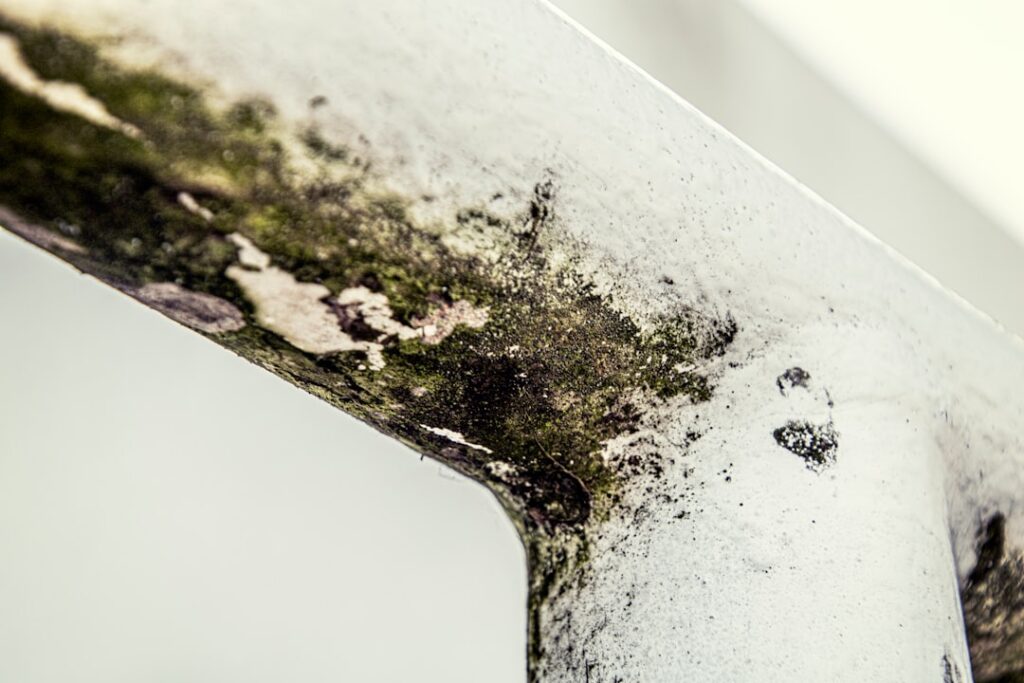
A musty, earthy smell that greets you when you open a closet, descend to a basement, or walk into a rarely used room is one of the most reliable early warnings of a mold problem — often arriving before any visible growth. The smell of mold means a colony is active somewhere, releasing microbial compounds into the air, even when the source is hidden inside a wall or under a floor. Learning to read that odor, trace it, and respond turns a vague unease into a solvable problem. This guide summarizes EPA and CDC guidance current as of 2026 and is educational only — consult your physician for symptoms and a certified professional for testing decisions.
Is this mold, asbestos, or water damage? Get a free instant screen
Upload a clear photo of the suspect area. You'll get an instant AI screening opinion and what to do next. This is screening guidance, not a professional determination.
Screening guidance only. AI can be wrong. Confirm asbestos, mold type, or lead with lab testing or a licensed professional before acting.
What does the smell of mold actually mean?
That distinctive musty odor comes from microbial volatile organic compounds, or mVOCs — gases that mold releases as it grows and metabolizes the material it lives on. People describe it as earthy, damp, stale, like wet cardboard or old books, or like a forest floor after rain. The smell is the byproduct of active fungal activity, which is why it often appears before mold is visible.
The key implication is that an unexplained musty smell signals hidden mold. The CDC and EPA both note that odor can indicate growth in places you cannot see — inside wall cavities, under carpet, above ceiling tiles, behind appliances, or in an HVAC system. A surface you can wipe down is the easy case; a smell with no visible source is the one worth investigating, because it points to a colony somewhere the eye cannot reach. The companion guide on whether you can smell black mold goes into the odor specifics further.
The intensity of the smell loosely tracks the amount and activity of the mold and the dampness of the space, but odor alone cannot identify the species or its hazard. It is a prompt to look, not a diagnosis.
Where the smell usually comes from
Mold odor concentrates in damp, poorly ventilated spaces, so the search starts with the usual suspects. Basements and crawlspaces top the list — below-grade areas hold moisture, and a musty basement smell is so common it is almost expected. Bathrooms without working exhaust fans, the area around water heaters and washing machines, under kitchen and bathroom sinks, and behind refrigerators are frequent sources.
Hidden sources are trickier. Mold growing inside a wall from a slow plumbing leak, under carpet that was once wet, above a ceiling from a roof leak, or inside HVAC ductwork can fill a room with odor while showing nothing. A musty smell that gets stronger when the air conditioning or furnace runs points toward the HVAC system or ducts. A smell isolated to one wall suggests a leak behind it. The pattern of where and when the odor is strongest is the single best clue to its origin, and tracing it is the core skill covered in the mold inspection and testing hub.
How to track down the source of a mold smell
Finding hidden mold is detective work, and the nose leads the investigation. Move through the home and note where the smell is strongest — proximity is the first clue. Check the obvious damp zones first: under every sink, around appliances, in the basement and crawlspace, behind furniture against exterior walls.
Look for moisture evidence alongside the odor: water stains on walls or ceilings, peeling paint, warped or buckled flooring, condensation on windows or pipes, and any history of leaks or flooding in the area. A flashlight angled across a surface reveals texture changes a straight-on view misses. Behind and beneath things matters — pull furniture away from walls, lift the corner of suspect carpet, open the access panel to a tub. If the smell strengthens when the HVAC runs, inspect the ducts and the drip pan. When the odor is clearly present but the source stays hidden after a reasonable search, that is the point where a professional with a moisture meter and thermal camera can find growth inside a cavity without tearing the whole house apart. The guide on crawlspace mold remediation covers one of the most common hidden-source areas.
Is the smell of mold harmful to breathe?
The mVOCs that produce the smell can themselves irritate. Exposure to mold odor and the spores that accompany it is associated with headaches, dizziness, nasal and throat irritation, and fatigue in some people, and a strong musty smell often correlates with the conditions that worsen asthma and allergy symptoms. The CDC links indoor mold exposure to respiratory irritation, congestion, coughing, and aggravated asthma.
Susceptibility varies. People with asthma, mold allergies, weakened immune systems, or chronic lung conditions tend to react more, and a musty home environment can keep their symptoms simmering. A useful clue is whether symptoms ease when leaving the home and return on coming back — that pattern is worth raising with a physician. The smell is not just an annoyance; it is a signal that the indoor air contains mold byproducts, and persistent exposure is worth resolving rather than masking with air fresheners, which hide the warning without fixing the cause.
What a mold smell smells like, and what it isn’t
Describing the odor precisely helps homeowners distinguish it from other household smells and avoid both false alarms and missed problems. Mold smell is most often called musty, earthy, damp, or stale — comparable to wet cardboard, old books, a damp towel left too long, or the floor of a forest after rain. It is a heavy, lingering smell rather than a sharp one, and it tends to be stronger in enclosed, poorly ventilated spaces.
Several smells get mistaken for mold. A sewer-gas odor — rotten eggs or sulfur — points to a plumbing trap or vent issue, not mold. A sweet or chemical smell suggests something else entirely. Pet odors, stale cooking, and general “old house” smell can overlap with must but lack the distinctly damp, earthy quality of mold. The reverse mistake is more dangerous: dismissing a genuine mold smell as ordinary basement or closet odor and ignoring it. A useful test is whether the smell correlates with dampness — stronger after rain, in humid weather, when the AC runs, or in the lowest and least-ventilated parts of the home. That correlation with moisture is the signature of mold, and it separates a real warning from background household smells. When in doubt, the smell paired with any visible moisture evidence tips the balance toward investigating rather than ignoring.
Hidden mold: when you smell it but can’t see it
The hardest cases are the ones where the odor is unmistakable but no growth is visible, because that is precisely when mold is doing damage out of sight. Hidden mold commonly lives inside wall cavities fed by a slow plumbing leak, beneath flooring that was wet at some point, above ceiling tiles or drywall under a roof leak, inside HVAC ductwork and around the air handler’s drip pan, and behind built-in cabinetry on exterior walls.
The clues are circumstantial but readable. A smell that intensifies when the heating or cooling system runs implicates the ducts or air handler. An odor concentrated near one wall suggests a leak behind it. A musty basement that worsens in humid weather points to below-grade moisture. Past water events — a burst pipe, a flooded basement, a roof leak that was patched — flag likely hidden-growth sites even years later. Finding hidden mold without demolishing the house is exactly what professional moisture diagnostics are for: a moisture meter reads dampness inside walls, and a thermal camera reveals the cool, damp areas behind surfaces where mold hides. Chasing the smell yourself by pulling furniture and checking damp zones is worthwhile, but when the source stays hidden after a reasonable search, that is the threshold for bringing in someone with the right instruments. Masking the odor at this stage is the worst response, because it silences the only warning the home is giving while the growth continues.
What to do about a persistent mold smell
The durable fix follows the smell to its source and removes the mold there, then corrects the moisture. Masking the odor with candles, sprays, or ozone treatments addresses the symptom while the colony keeps growing. Once the source is found, small areas can be cleaned or removed by a careful homeowner; larger or hidden growth, anything over roughly 10 square feet, HVAC contamination, or sources inside wall cavities call for professional remediation.
Prevention is moisture control. Keep indoor relative humidity below 60 percent and verify it with a hygrometer, run bathroom and kitchen exhaust fans, ventilate or dehumidify basements and crawlspaces, fix leaks promptly, and dry any wet material within 24 to 48 hours. Front Range homes start dry, but finished basements, poorly vented baths, and summer evaporative-cooler humidity create the damp pockets where odor-producing mold takes hold. When the air smells musty, treat it as the home telling you where to look — and the fix is finding and drying the source, not covering the scent.
Why masking the smell is the wrong move
The instinct to cover a mold smell with air fresheners, scented candles, plug-ins, or ozone generators is understandable but counterproductive, and it is worth being explicit about why. The odor is a warning signal — the home telling you that active mold is releasing compounds into the air. Masking the signal does nothing to the mold; the colony keeps growing, the moisture keeps spreading, and any health exposure continues, now hidden behind a pleasant scent.
Ozone generators deserve special caution. Marketed as odor eliminators, they produce ozone, a lung irritant that the EPA warns can be harmful to breathe at the concentrations needed to affect odors, and they do not remove the mold or the moisture causing the smell. At best they temporarily oxidize some odor molecules while the source regenerates them. Air fresheners and candles are harmless by comparison but equally ineffective at the actual problem. The only response that resolves a mold smell is to find the source, remove the growth, and correct the moisture — after which the odor disappears because its cause is gone. Spending money to cover the smell is spending money to silence a smoke detector while the fire continues. The smell is useful precisely because it points you toward a problem you might not otherwise see; the productive response is to follow it, not muffle it.
When a mold smell warrants a professional
A musty smell that you can trace to a small, accessible patch is a homeowner job — clean it, fix the dampness, and the odor clears. Several situations, though, call for professional help, and the smell itself often provides the clue. When the odor is strong and persistent but no source can be found after a reasonable search of the damp zones, that hidden-source scenario is the clearest trigger, because finding mold inside a wall or under a floor without demolishing the house requires a moisture meter and thermal camera.
A smell that intensifies when the HVAC runs points to contamination in the ducts or air handler, which is beyond routine cleaning and can distribute spores throughout the home. An odor tied to a known past water event — a flood, a burst pipe, a long-running leak — flags likely hidden growth that should be assessed. And any musty smell accompanied by visible growth larger than roughly 10 square feet, or affecting a household member with asthma or a weakened immune system, moves the job toward professional remediation. The recurring theme is that the smell is a reliable indicator of a problem but a poor indicator of its exact location and extent; when it persists and the source stays hidden, a professional with the right instruments turns the vague warning into a precise diagnosis. Chasing a stubborn smell with cleaning products while the real source sits inside a wall wastes effort the home is clearly telling you to direct elsewhere.
References
- About Mold and Your Home — Centers for Disease Control and Prevention
- A Brief Guide to Mold, Moisture and Your Home — U.S. Environmental Protection Agency
- Mold Cleanup in Your Home — U.S. Environmental Protection Agency
If a musty smell lingers in your Front Range home and you can’t find the source, get in touch through our contact page to connect with a qualified local inspector who can trace hidden moisture.