Does Black Mold Smell? What the Odor Tells You
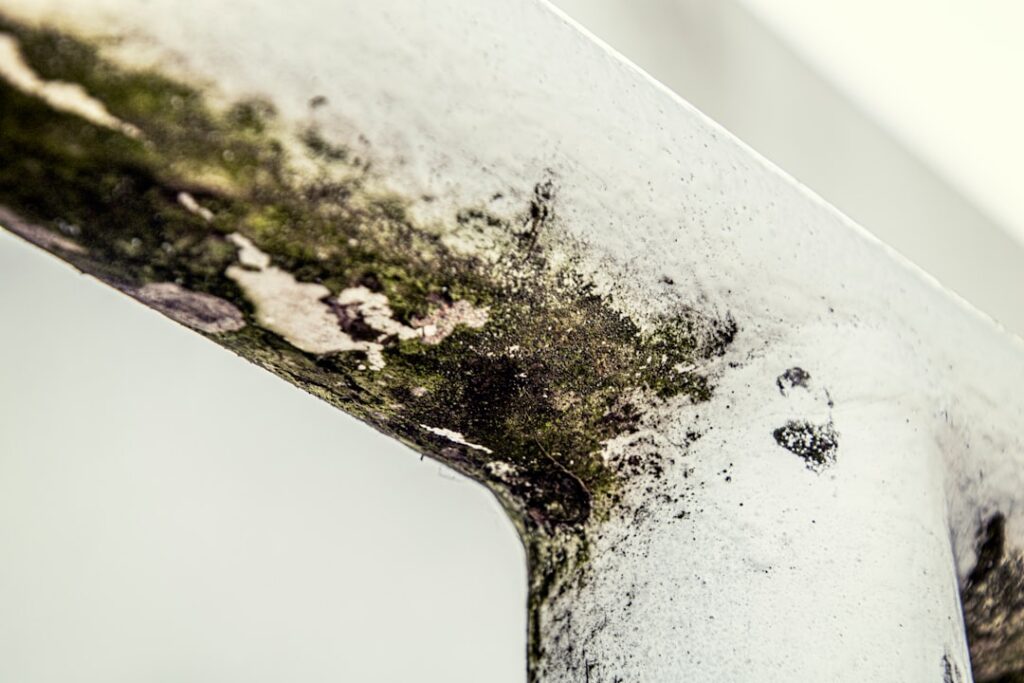
One of the most common questions homeowners ask is whether black mold gives off a distinct smell that sets it apart from ordinary mold. The hope is usually that a particular odor could confirm the dreaded toxic variety without testing. The honest answer is more nuanced. Black mold does produce a smell, but that smell cannot reliably tell you which species you are dealing with. This guide summarizes EPA and CDC guidance current as of 2026 and explains what black mold smells like and why odor is a poor identifier. Consult your physician for symptoms and a certified professional for testing.
Part of our Black Mold & Your Health guide — start there for the full picture →
Is this mold, asbestos, or water damage? Get a free instant screen
Upload a clear photo of the suspect area. You'll get an instant AI screening opinion and what to do next. This is screening guidance, not a professional determination.
Screening guidance only. AI can be wrong. Confirm asbestos, mold type, or lead with lab testing or a licensed professional before acting.
Does black mold smell, and what does it smell like
Yes, black mold smells, and the odor is typically musty, earthy, and damp, often described as similar to wet soil, rotting wood, or old paper. This smell comes from microbial volatile organic compounds, or MVOCs, the gases mold releases as it grows. The trouble is that this same musty odor is produced by countless other mold species, not just the toxic black variety. The smell signals mold; it does not identify the type.
Why smell can’t confirm black mold
The term toxic black mold usually refers to Stachybotrys chartarum, but the CDC is clear that no characteristic, including color or smell, reliably identifies a mold species by sight or scent. Many molds produce similar MVOCs and similar odors. Two different species growing in similar conditions can smell nearly identical. Relying on smell to diagnose black mold is guesswork, and only laboratory analysis of a sample can confirm what is actually present.
Best At Home Mold Test Kit: our top 3 picks
| Product | Best for | Key features | Price | Buy |
|---|---|---|---|---|
| Varify 6-Pack | All-round DIY plate kit |
| $13.39as of Nov 26, 2026 3:47 pm GMT+0000 | Buy now →Check current price |
| KAYENQO 12-Test | Testing many rooms |
| $21.65as of Nov 26, 2026 3:43 pm GMT+0000 | Buy now →Check current price |
| Detekt Indoor Air Quality Kit | HVAC vents |
| $36.99as of Nov 26, 2026 3:46 pm GMT+0000 | Buy now →Check current price |


Prices are Amazon’s listed prices as of the time shown and change often; check Amazon for today’s price. As an Amazon Associate we earn from qualifying purchases.
How the smell compares to general mold odor
Black mold’s odor is not categorically different from the general musty mold smell most people recognize. A heavier, more pungent, soil-like smell may suggest a larger or more established colony, but it does not point to a specific species. The companion guide on what a general mold smell means explains how MVOCs work and where the odor typically comes from. The key takeaway is that intensity reflects size, not toxicity.
What a strong musty smell actually indicates
A strong, persistent musty odor with no visible mold usually means growth is hidden, possibly behind walls, under floors, or in a crawl space. The smell tends to understate rather than overstate the problem, since concealed colonies can be sizable. Rather than trying to decode the species from the odor, the more useful response is to treat any strong musty smell as a signal to investigate the moisture source and consider testing.
Where to check when you smell it
Follow the odor to its strongest point. Common hiding spots include bathrooms, under sinks, basements, crawl spaces, behind appliances, and inside HVAC systems. A flashlight at a low angle reveals staining and warping. A moisture meter pressed to drywall confirms hidden dampness. The guide on black mold on walls covers how to assess growth once you find it.
Health context
The CDC associates damp, moldy indoor environments with coughing, congestion, throat and eye irritation, and worsened asthma and allergy symptoms. Sensitivity varies widely between individuals, and the smell itself is not a diagnosis of any health condition. Anyone experiencing symptoms that ease when they leave the house should describe the pattern to a physician rather than drawing conclusions from the odor alone.
Can you have black mold without a smell
Yes. Mold that is dry, dormant, or in a well-ventilated area may produce little detectable odor even while present. Conversely, a strong smell can come from a small but very active colony. This is another reason smell is unreliable as a test. The absence of an odor does not guarantee the absence of mold, and a faint smell does not rule out a significant hidden problem.
Why testing is the only way to be sure
Because neither smell nor color confirms a species, laboratory testing is the only reliable way to identify what is growing. Air sampling measures spore concentrations and compares them to outdoor baselines, while surface sampling identifies the species on a specific spot. The pillar hub on mold inspection and testing explains when each method applies and what a credible report should contain.
What to do about a musty smell
The practical response to a mold smell is the same regardless of suspected species. Find and fix the moisture source, clean small areas of growth following EPA guidance, and replace porous materials that are saturated. Masking the odor with air fresheners or ozone treatments does nothing about the colony producing it. If the smell persists after cleaning, the source was never fully removed.
What MVOCs are and why they smell
The musty odor comes from microbial volatile organic compounds, gases that mold and bacteria release as they break down the material they grow on. Hundreds of MVOCs exist, and a handful, with names like geosmin, produce the earthy, soil-like notes the human nose detects at remarkably low concentrations. Because these gases pass easily through gaps around trim and outlets, a wall cavity colony can scent a whole room. The smell is a byproduct of active growth, not the mold itself.
Why the same smell crosses species
Different mold species produce overlapping sets of MVOCs, which is precisely why they smell so similar. The compound that makes one mold smell earthy is produced by many others, so the nose cannot separate Stachybotrys from a harmless cousin growing in the same damp conditions. This biochemical overlap is the scientific reason odor fails as an identifier. It is also why two homeowners describing identical smells can have entirely different molds growing.
Does dead mold still smell
Mold that has dried out or been killed can still smell, at least for a while, because MVOCs and spores remain in the material. This catches people off guard after a cleanup: the visible mold is gone, but a faint musty odor lingers from residue or from porous material that was never fully removed. A persistent smell after cleaning usually means either residual material remains or, more often, the moisture source was never fixed and new growth has started.
Other musty smells that aren’t mold
Not every musty odor is mold. Stagnant water in a rarely used drain trap, sewer gas, decaying organic matter in a vent, or simply a damp, poorly ventilated room can all produce mold-like smells. This is another reason smell alone is unreliable: it can point to mold, but it can also point to plumbing or ventilation issues. Investigating the source rather than assuming mold from the odor avoids chasing the wrong problem.
Using smell as a starting point, not an answer
The sensible role for a mold smell is as a prompt to investigate, not a conclusion. A musty odor says check for moisture and hidden growth; it does not say what species is present or how dangerous it is. Treating the smell as a starting point leads to the right next steps, finding the moisture, locating the growth, and testing if warranted, while treating it as a diagnosis leads to guesswork and sometimes needless alarm.
Why people fixate on black mold specifically
The intense worry about black mold comes largely from media coverage linking Stachybotrys to serious health claims. While damp, moldy environments do affect health, the fixation on one black-colored species has outpaced the science, and the CDC notes that color does not determine danger. This is worth keeping in mind, because the fear drives people to try to identify black mold by smell, a method that simply does not work. The practical response to any mold is the same regardless of color.
How sensitivity to the smell varies
People differ widely in how strongly they perceive a musty odor. Someone living in a home grows accustomed to a background smell and may stop noticing it, while a visitor detects it immediately. Sense of smell also varies with age, congestion, and individual biology. This variability is another reason smell is an unreliable gauge of how serious a problem is. A faint smell to one person can be obvious to another, and neither perception measures the actual extent of growth.
The right response to any mold odor
Whatever the suspected species, the practical steps are identical. Locate and fix the moisture source, because mold cannot persist without it. Clean small hard-surface areas following EPA guidance, and replace porous materials that are saturated. Avoid masking the smell with fragrances or ozone, which hide the problem rather than solve it. If a strong odor has no visible source or keeps returning, arrange professional testing. This response works regardless of whether the mold is black, green, or any other color.
How strong odor relates to the size of growth
The intensity of a musty smell generally tracks the amount of active growth and the moisture feeding it, not the toxicity of the species. A large, actively growing colony releases more MVOCs and smells stronger. A small but very wet patch can also smell intense. What the strength does not tell you is whether the mold is the toxic black variety, since both harmless and concerning molds produce stronger odors as they grow. Read intensity as a clue to scale, not to danger.
Why air fresheners make things worse
Reaching for an air freshener, scented candle, or ozone machine is a natural impulse against a musty smell, but it works against you. These products mask the odor temporarily while doing nothing about the colony or the moisture producing it. Worse, masking the smell can delay the discovery of an active leak that is quietly damaging the structure. The smell is useful information; covering it up removes a warning sign without removing the problem behind it.
When the smell warrants professional testing
Because odor cannot identify a species or measure severity, professional testing is the way to turn a suspicious smell into a clear answer. Testing is warranted when a strong musty smell has no visible source, when growth keeps returning after cleaning, when a home purchase or sale is involved, or when household members have symptoms. Air sampling with an outdoor baseline and surface sampling identify what is present and how much, replacing guesswork about the smell with documented findings.
Following the odor to its source
When a musty smell prompts a search, move methodically toward where it is strongest. Open cabinets under sinks, look behind and beneath appliances, check basement and crawl-space access points, and inspect around windows and exterior-wall bases. The odor usually intensifies as you near the colony, giving you a rough direction. A flashlight at a low angle reveals staining and warping, and a moisture meter confirms dampness behind surfaces. Tracing the smell this way often locates hidden growth that no surface glance would reveal.
When to call a professional
Bring in a certified professional when a strong musty smell has no visible source, when growth covers more than about ten square feet, when it keeps returning, or when household members have respiratory symptoms. A professional can locate hidden moisture, sample the air, and confirm through lab analysis what is actually growing, something no amount of sniffing can do. For a small, clearly identified patch, careful DIY cleaning is usually adequate.
More Questions About Black Mold Smell
Can black mold be removed without professionals?
Yes, black mold can often be removed without professionals when the affected area is under about 10 square feet, on hard surfaces, and caused by a moisture problem that has been fixed.
Homeowners should wear an N95 respirator, gloves and goggles, scrub hard surfaces with detergent and water, and bag and discard moldy porous materials. Larger areas, mold inside walls or HVAC systems, contamination from sewage, or anyone in the home with asthma or a weakened immune system are reasons to hire a qualified remediation professional instead.
What is the best way to clean black mold safely?
The best way to clean small areas of black mold safely is to scrub hard surfaces with detergent and water while wearing protective gear, then dry everything thoroughly.
- Wear an N95 respirator, gloves and eye protection.
- Lightly mist the area first to limit airborne spores.
- Bag moldy porous materials such as drywall, carpet or ceiling tile.
- Ventilate the room but avoid blowing air into other spaces.
Never mix bleach with ammonia or other cleaners, since the combination produces toxic gases.
What are the symptoms of black mold exposure in a home?
Common symptoms linked to mold exposure in a home include stuffy or runny nose, sneezing, coughing, wheezing, itchy or watery eyes and skin irritation.
People with asthma may have more frequent attacks, and people with weakened immune systems can face a higher risk of infection from certain molds. Symptoms that ease when away from the house and return at home are a useful clue, but the same symptoms have many other causes. A doctor should evaluate persistent or severe symptoms, while a mold inspector can look for the moisture problem in the home.
Does the smell of black mold go away after cleaning?
The smell of black mold usually fades within a few days after cleanup if all the growth was removed and the area is fully dried.
A smell that lingers or returns usually means mold remains somewhere, often behind drywall, under flooring, in carpet padding or in the HVAC system, or that moisture is still present. Running a dehumidifier and airing out the space helps. If the odor persists more than a week or two after cleaning, a mold inspector can check for hidden growth and remaining moisture.
References
- About Mold and Your Health — Centers for Disease Control and Prevention
- Mold and Health — U.S. Environmental Protection Agency
- A Brief Guide to Mold, Moisture and Your Home — U.S. Environmental Protection Agency
- Mold Inspection Guidance — InterNACHI
Frequently asked questions
Does black mold have a smell?
Yes. Black mold produces a musty, earthy, damp odor from microbial volatile organic compounds, often compared to wet soil or rotting wood. However, the same smell is produced by many other mold species, so odor alone cannot confirm black mold.
Can I identify black mold by smell?
No. The CDC states that no characteristic, including smell or color, reliably identifies a mold species. Many molds produce similar odors. Only laboratory analysis of a sample can confirm whether toxic Stachybotrys is present.
Can black mold be present without a smell?
Yes. Dry, dormant, or well-ventilated mold may produce little detectable odor while still present. The absence of a smell does not guarantee the absence of mold, which is another reason smell is an unreliable test.
What should I do if I smell musty mold?
Find and fix the moisture source, clean small areas following EPA guidance, and replace saturated porous materials. Masking the smell with air fresheners does nothing. If a strong smell has no visible source, consider professional testing.
Is it safe to sleep in a room that smells like mold?
Sleeping in a room that smells like mold is not ideal, especially for people with asthma, allergies or weakened immunity. A musty smell signals active growth nearby. Moving to another room until the source is found and cleaned is a reasonable precaution.
Can black mold be cleaned with vinegar?
White vinegar can clean small areas of black mold on many hard, nonporous surfaces, and it avoids the harsh fumes of bleach. It does not penetrate porous materials such as drywall well, so those are usually removed and replaced instead of cleaned.
Does black mold smell like ammonia?
Black mold does not usually smell like ammonia; it typically smells musty, earthy or like damp cardboard. An ammonia-like smell more often comes from pet urine, cleaning products or rodent activity, and it should be tracked down separately.
If a musty odor in your Front Range home has you wondering what’s hiding behind the walls, reach out through our contact page to connect with a vetted local inspector who can test rather than guess.