Black Mold in AC: What Homeowners Need to Know
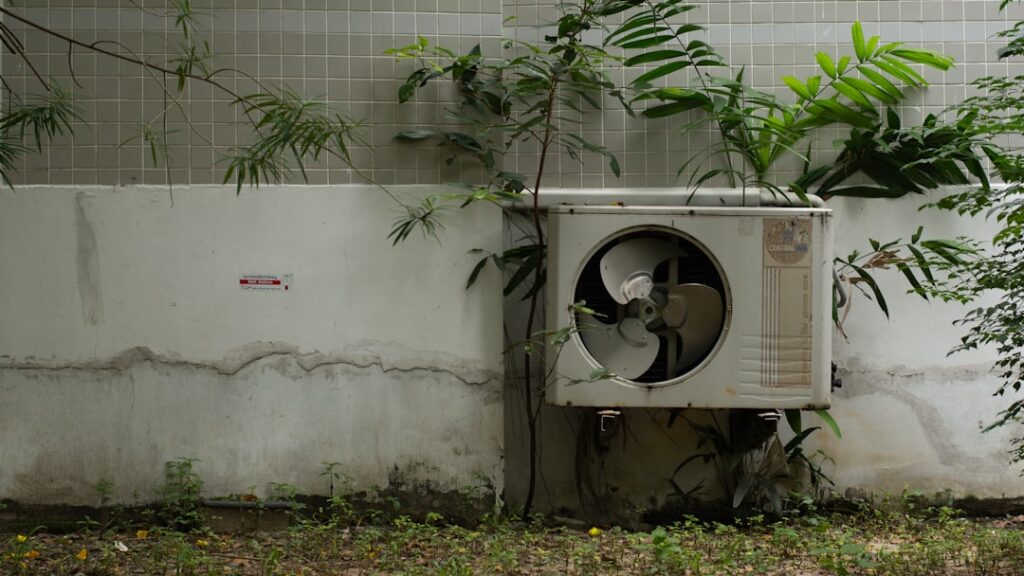
Air conditioners pull warmth and humidity out of indoor air, and the moisture they remove has to go somewhere. When condensation lingers on coils, in drip pans, or inside window units, it creates exactly the damp, dark conditions mold needs, which is why black mold in an AC is a recurring complaint during cooling season. Because the system blows air across any growth and into living space, a contaminated unit can affect the whole home. This guide summarizes EPA and CDC guidance current as of 2026 and offers general information, not medical or professional advice; lasting symptoms warrant a physician, and significant contamination warrants a certified professional. Knowing where mold forms in an AC and how to address it keeps a comfort appliance from becoming an air-quality problem.
Part of our Black Mold & Your Health guide — start there for the full picture →
Is this mold, asbestos, or water damage? Get a free instant screen
Upload a clear photo of the suspect area. You'll get an instant AI screening opinion and what to do next. This is screening guidance, not a professional determination.
Screening guidance only. AI can be wrong. Confirm asbestos, mold type, or lead with lab testing or a licensed professional before acting.
What Black Mold in an AC Unit Means
Black or dark growth in an AC almost always points to standing moisture the system is failing to drain or dry. In central systems, the evaporator coil and the condensate drip pan are prime sites, along with the blower compartment and the first few feet of supply duct. In window and through-wall units, mold collects on the foam insulation, the front grille, the drum filter area, and the condensate tray. Portable units develop it in the internal tank and exhaust path.
The EPA stresses that the color of mold does not reliably indicate how dangerous it is, so a black appearance does not by itself mean a toxic species. What it does mean is that moisture has been sitting where it should not, and that the growth needs to be removed and the dampness corrected. Mold spores are part of normal indoor and outdoor air, so the goal is not sterilization but controlling the moisture that lets a colony establish. For the broader picture of how household mold is identified and managed, the mold inspection and testing hub provides the foundation.
Signs of Mold in Your Air Conditioner
A musty or sour smell that appears when the AC turns on is the most common early signal, because air is being pushed across the growth. Visible black or greenish patches on the vents, grille, or around the coil confirm suspicion. Some households notice allergy-type symptoms, sneezing, congestion, coughing, or eye irritation, that worsen when the cooling runs and ease when it is off or when occupants leave the home.
Excess moisture clues often accompany the mold: a condensate pan that overflows, water stains near the air handler, or visibly high indoor humidity with fogged windows. The CDC notes that exposure to damp, moldy environments can produce respiratory irritation and that people with mold allergies or asthma may react more strongly. None of these signs requires laboratory confirmation to act on; visible growth plus a musty odor is enough reason to clean the unit and find the moisture source. If growth is also appearing at the registers downstream, the steps in the guide to black mold in vents address the distribution side of the system.
Is Mold in an AC a Health Risk?
The health concern is real but should be kept in proportion. The CDC reports that mold exposure can cause nasal stuffiness, throat and eye irritation, coughing, and skin irritation, with stronger reactions in people who have mold allergies, asthma, or weakened immune systems. Because an AC distributes air widely, even a modest amount of growth can affect comfort and symptoms across multiple rooms rather than staying in one spot.
NIEHS guidance is clear that there is no universal safe-exposure threshold that applies to everyone, which is why the practical advice is to reduce dampness and remove visible growth promptly rather than to identify the exact species. Spending money to lab-type the mold in a window unit rarely changes the response. People who are immunocompromised, who have asthma, or who develop persistent respiratory symptoms should avoid disturbing the growth themselves, have someone else clean it, and consult a physician if symptoms continue.
How to Clean Mold From an Air Conditioner
Always cut power to the unit before cleaning, at the disconnect for central systems or by unplugging a window or portable unit. Wear an N95 respirator, gloves, and eye protection, since disturbing growth releases spores. For window and portable units, the cleanable hard parts, the grille, exterior housing, and condensate tray, can be washed with detergent and water, which the CDC considers adequate for hard, non-porous surfaces. Foam filters that are washable should be cleaned and dried completely; disposable filters that are moldy should be replaced.
The catch with window and portable units is the internal foam insulation. The EPA notes that porous materials saturated with mold often cannot be cleaned and must be discarded, so a window unit with heavy growth on its foam may be cheaper and safer to replace than to salvage. For central systems, homeowners can replace filters and wipe accessible register grilles, but the coil, drip pan, blower, and ducts generally require an HVAC professional with the right equipment and containment, since this exceeds the EPA’s roughly 10-square-foot DIY threshold for accessible non-porous surfaces.
When to Call an HVAC or Mold Professional
Bring in a professional when growth is on the evaporator coil or inside ducts, when it returns quickly after cleaning, when the condensate system keeps overflowing, or when anyone in the home is in a sensitive health group. A specialist cleans the equipment and, critically, finds why moisture accumulated, an oversized unit, a clogged drain, poor insulation, so the problem does not recur. The overview of professional HVAC mold removal details how the coil and air-handler work differs from a simple grille wipe-down.
How to Prevent Mold in Your AC
Keep the system dry and serviced. Replace or clean filters on schedule, and have central systems professionally maintained each year so the condensate drain stays clear and the coil stays clean. Keep indoor humidity below about 50 percent; a correctly sized AC that runs long enough to dehumidify, rather than a too-large unit that short-cycles, makes a real difference here.
For window and portable units, run the fan-only mode for a while after cooling to dry the interior, empty condensate tanks, and store the unit dry in the off-season. Ensure condensate lines drain freely and pans are not cracked or sloped wrong. Address any plumbing or roof leaks near the air handler quickly. The DOE notes that proper sizing and maintenance keep cooling systems efficient, and the same practices keep them dry enough to resist mold. Homeowners stocking routine supplies can compare options in the roundup of mold cleaning products.
Window Units Versus Central Systems: Different Problems
The type of air conditioner shapes both the mold risk and the response. Window and through-wall units are self-contained, which means their evaporator, drip tray, and foam insulation all sit inches from the indoor air, and they often run intermittently, giving the interior long damp periods between cycles. Their foam insulation and filters are porous and hard to clean thoroughly, so a window unit with heavy growth is frequently a replacement decision rather than a cleaning project. The upside is that the entire unit is accessible and inexpensive to swap.
Central systems concentrate the risk at the air handler, where the evaporator coil pulls humidity from the whole house and the condensate drain pan and line carry it away. A clog or a cracked pan there feeds mold that the blower then distributes through every supply duct, making a central-system problem larger in scope even when the visible growth is small. Central systems also hide most of their components, so cleaning beyond the filter and registers usually requires a technician. Recognizing which system you have tells you whether you are likely facing a simple unit replacement or a professional coil-and-drain service. When growth has reached the ducts downstream of a central unit, the distribution-side guidance in the article on black mold in vents applies directly.
The Role of Humidity and Sizing in AC Mold
A frequently overlooked cause of AC mold is an oversized system. An air conditioner that is too large for the space cools the air quickly and then shuts off before it has run long enough to pull much humidity out, a pattern called short cycling. The room feels cool but stays damp, and that residual indoor humidity keeps coils, drip pans, and ducts moist enough for mold. A correctly sized unit runs longer, steadier cycles that dehumidify as they cool, which is why proper sizing is a mold-prevention measure, not just an efficiency one.
Indoor humidity targets reinforce this. The EPA and CDC both point to keeping relative humidity below roughly 50 percent to discourage mold, and a well-sized, well-maintained AC is a primary tool for hitting that target in cooling season. In humid conditions a dedicated dehumidifier may supplement the AC. The Department of Energy notes that right-sizing cooling equipment improves both comfort and efficiency, and the same correctly matched system stays dry enough to resist the growth that an oversized, short-cycling unit invites. Front Range homeowners running evaporative coolers, which add humidity by design, should be especially attentive to ventilation so that added moisture does not settle in the cooling system. The broader prevention picture, including coil and air-handler care, is covered in the guide to HVAC mold removal.
The Condensate System: The Most Overlooked Cause
For central air conditioners, the condensate handling system is where most mold problems begin, and it is the part homeowners understand least. As the evaporator coil pulls humidity from the air, that water drips into a pan and flows out through a condensate drain line. If the drain line clogs with algae and debris, which is common, water backs up into the pan and sits, and a pan that is cracked, rusted, or sloped incorrectly holds water that never fully drains. Standing water inches from the airflow is an ideal mold site, and the blower then distributes spores through the ducts.
Maintaining this system is straightforward and prevents a large share of AC mold. Annual service should include clearing and flushing the condensate line, checking that the pan drains completely, and confirming the secondary drain or overflow safety switch works. Some homeowners pour a small amount of an approved treatment into the drain line periodically to discourage algae buildup, following the equipment maker’s guidance. A line that drips at the air handler, water stains near the unit, or a pan with standing water are all signs the condensate system needs attention before mold takes hold. Because this hidden plumbing drives so many cases, addressing it is central to lasting prevention, a point the equipment-focused guidance on HVAC mold removal develops further.
Seasonal Care for Window and Portable Units
Window and portable air conditioners need a care routine tied to the cooling season, since they are the units most likely to harbor mold in their accessible foam and trays. During the season, running the unit in fan-only mode for a while after the compressor shuts off helps dry the interior before the next idle period, and emptying any condensate tank on portable models prevents standing water. Cleaning or replacing the filter on the schedule in the manual limits the dust that feeds spores and keeps airflow strong enough to dry the coil.
End-of-season storage is where many units develop the mold owners discover the following summer. Before storing a window unit, clean the grille, tray, and accessible surfaces, replace or wash the filter, and let the unit dry completely so it is not packed away damp. Store it in a dry location rather than a humid basement or shed, and consider a cover that does not trap moisture. A unit pulled out of storage with a musty smell has usually grown mold during the off-season because it was stored wet. These seasonal habits, drying during use and storing dry, address the long damp idle periods that make self-contained units prone to growth. For broader prevention principles that tie the unit to the home’s overall moisture, the mold inspection and testing hub provides the context.
References
- Mold Cleanup in Your Home — U.S. Environmental Protection Agency
- About Mold and Health — Centers for Disease Control and Prevention
- Mold and Your Health — National Institute of Environmental Health Sciences
Frequently asked questions
How do I know if there is mold in my AC?
A musty smell that appears when the unit runs, visible black or greenish patches on the grille or coil, and allergy-type symptoms that worsen with cooling are the main signs. Visible growth plus a musty odor is enough reason to clean and find the moisture source.
Can I clean mold out of a window AC unit myself?
You can wash the hard parts like the grille and condensate tray with detergent and water and replace disposable filters. Porous foam insulation saturated with mold often cannot be cleaned, so a heavily affected window unit may be cheaper to replace.
Is black mold in an AC dangerous?
It can trigger congestion, coughing, and eye or throat irritation, with stronger reactions in people who have allergies, asthma, or weakened immunity. Because the system spreads air through the home, even modest growth can affect comfort, so remove it promptly.
How do I stop mold from returning in my AC?
Keep humidity below about 50 percent, change filters on schedule, service central systems yearly so the condensate drain stays clear, and run window units in fan mode afterward to dry them. Correct sizing that avoids short-cycling also helps.
Front Range homeowners who suspect mold in their cooling system and want a professional assessment can get in touch through our contact page to connect with a vetted local inspector.