Black Mold in AC Unit Symptoms: What Homeowners Need to Know
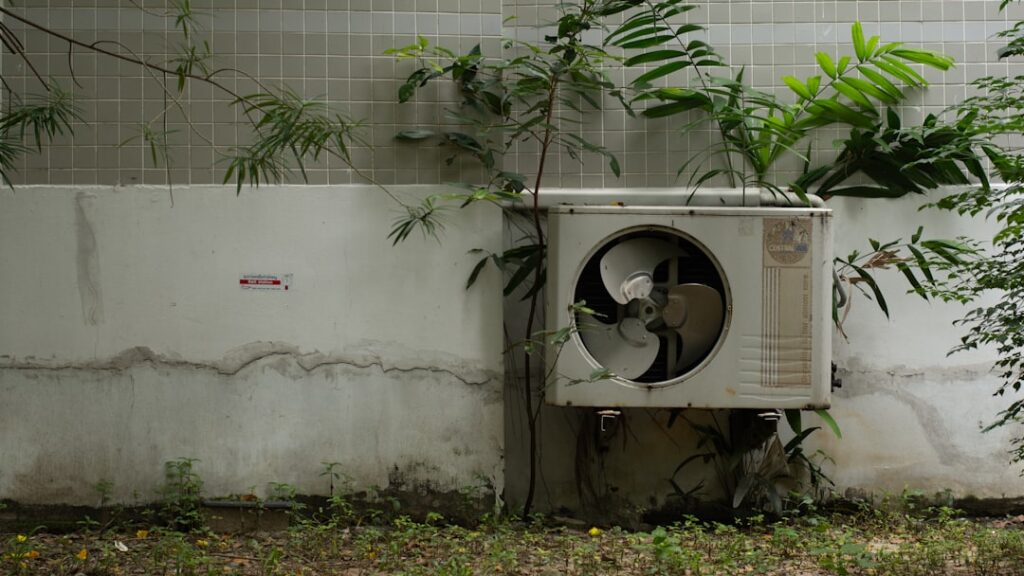
An air conditioner is a near-perfect environment for mold: it is dark, it stays damp from condensation, and it constantly moves air across dust that feeds growth. Recognizing black mold in AC unit symptoms early — both the signs on the equipment and the health symptoms in the household — lets you act before spores circulate through every room. This guide summarizes EPA and CDC guidance current as of 2026 and is educational only; consult a physician about any health symptom and a certified professional for inspection and cleanup decisions.
Part of our Black Mold & Your Health guide — start there for the full picture →
Is this mold, asbestos, or water damage? Get a free instant screen
Upload a clear photo of the suspect area. You'll get an instant AI screening opinion and what to do next. This is screening guidance, not a professional determination.
Screening guidance only. AI can be wrong. Confirm asbestos, mold type, or lead with lab testing or a licensed professional before acting.
What are the symptoms of black mold in an AC unit?
There are two kinds of symptoms to track. The first are signs on the unit and in the home; the second are health symptoms in the people breathing the air. Equipment and household signs include a persistent musty or sour smell that gets stronger when the AC runs, visible black or dark green specks around vents and registers, dark growth on the evaporator coil or in the drip pan, and increased dust or a damp feel near supply vents.
Health symptoms reported with mold exposure, according to the CDC, include nasal congestion, sneezing, a runny or stuffy nose, coughing, wheezing, throat irritation, watery or itchy eyes, and skin irritation. People with asthma or mold allergies may experience flare-ups, and sensitive groups — children, older adults, and immunocompromised individuals — tend to react more strongly. A telling pattern is symptoms that worsen indoors with the AC running and ease when you leave the house, and because individual sensitivity varies, household members may not all react the same way to the same air.
The connection between the equipment signs and the health signs is what makes AC mold worth taking seriously. A bathroom mold patch sits in one spot, but a contaminated air conditioner actively distributes spores throughout the home every time it cycles, so the exposure is continuous and building-wide rather than localized. That is why symptoms tied to AC mold often feel like a stubborn cold or allergy that will not resolve — the source keeps refreshing the exposure. Noticing that symptoms track with system use, rather than with the season or time spent outdoors, is one of the more reliable clues that the air conditioner itself is involved.
Why mold grows in air conditioners
Front Range homeowners sometimes assume Colorado’s dry air spares them from AC mold, but that is only half true. The outdoor climate is dry, yet the inside of a running air conditioner is a pocket of cool, wet, dusty conditions regardless of the weather outside, and units that sit idle and damp through the long shoulder seasons are especially prone to growth. Evaporative (“swamp”) coolers, common in the region, add their own moisture risk because they work by wetting pads and blowing air across them. So the local climate does not eliminate the problem; it just shifts where the moisture concentrates.
Air conditioners create the exact conditions mold needs. The evaporator coil cools warm indoor air, and water condenses on it — that moisture, combined with dust pulled in from the home, gives mold both water and a food source. The drip pan that catches condensate can hold standing water if the drain line clogs, becoming another growth site. Ducts that run through humid spaces or develop condensation add more surface area.
Window units and portable AC units are especially prone because they often lack good drainage and sit unused and damp during off-seasons. Central systems spread the problem further, because air handled by a contaminated coil or pan distributes spores throughout the duct network. Our explainer on black mold in air conditioners walks through how each component contributes, and the broader mold inspection hub covers how HVAC mold is assessed.
Household signs versus health symptoms
It helps to separate the two so you know what to look for and what to feel for.
Signs on the equipment and in the home
- Musty odor blowing from vents, strongest right after the system starts.
- Black, gray, or greenish growth on or around supply registers.
- Dark slime or buildup in the drip pan or on the coil.
- A clogged or slow condensate drain line.
- Increased visible dust or moisture near vents.
Health symptoms in occupants
- Congestion, sneezing, runny nose, and post-nasal drip.
- Cough, wheezing, and throat irritation.
- Itchy or watery eyes and skin irritation.
- Asthma flare-ups in those who have it.
- Headaches or fatigue some people report in damp, moldy environments.
None of the health symptoms are unique to mold — they overlap with seasonal allergies and colds — so the environmental signs matter for connecting the dots. When both line up, mold in the AC is a reasonable suspect worth investigating.
Because the symptoms are so nonspecific, it is easy to misattribute them. A family might treat recurring congestion as allergies for months, or assume a child’s persistent cough is a lingering cold, when the real driver is a moldy air handler running all summer. The pattern to watch for is timing: symptoms that appear or worsen shortly after the cooling season begins, that affect multiple household members at once, and that improve noticeably during time away from the home. That cluster of clues, combined with a musty smell from the vents, points more strongly toward the AC than any single symptom does on its own.
What to do about it
For a window or portable unit, you can often clean accessible parts yourself: power it off and unplug it, remove and clean the filter, and wash reachable surfaces and the drip pan with detergent, drying everything fully before reassembly. Wear an N95 respirator and gloves. The EPA’s general guidance — clean non-porous surfaces and fix the moisture source — applies here too.
Central systems are harder. The evaporator coil and interior ductwork are not easy to reach safely, and disturbing mold can release spores into the living space. For central AC contamination, ducts with growth, or any mold covering more than about 10 square feet, professional HVAC cleaning or remediation is the safer route. Address the root moisture cause as well: clear and maintain the condensate drain, fix any leaks, change filters regularly, and keep indoor humidity below about 50 percent.
The condensate drain deserves special attention because a clogged one is behind a large share of AC mold problems. As the system cools air, water collects in the drip pan and exits through a drain line; when that line clogs with dust and biofilm, the pan holds standing water that becomes an ideal breeding ground. Periodically flushing the drain line and confirming it runs freely is one of the simplest, highest-impact maintenance steps a homeowner can take. If you find the pan repeatedly full of standing water, the drain is the first thing to check, because no amount of cleaning the coil will help while the pan stays wet.
Preventing mold from coming back
Prevention is mostly maintenance. Replace filters on schedule, keep the condensate drain line clear, and have central systems serviced periodically so coils and pans stay clean. Run a dehumidifier in humid spaces, and during off-seasons store window and portable units dry rather than leaving them damp. For window units, running the fan-only mode for a while after cooling helps dry the interior. Keeping the whole home below 50 percent relative humidity reduces growth everywhere, not just in the AC.
A simple seasonal routine prevents most recurrence. At the start of the cooling season, inspect and clean the unit before heavy use; midseason, check the drip pan and drain line and replace the filter; and at the end of the season, dry window and portable units thoroughly before storage. For central systems, scheduling a professional tune-up that includes coil and drain inspection once a year keeps the components that breed mold clean and catches a developing problem early. These habits cost little compared with remediation or duct cleaning, and they address the moisture conditions that let mold start in the first place — which is the only durable way to keep both the equipment and the household symptoms in check.
Window units versus central systems
The two kinds of air conditioning present different mold risks and call for different responses. Window and portable units are notorious for harboring mold because they often drain poorly, sit in humid window openings, and get stored damp at the end of the cooling season. The upside is that they are largely user-serviceable: a homeowner can unplug the unit, pull the filter, and clean the accessible interior surfaces and drip pan directly. Many window-unit mold problems can be handled at home with an N95 respirator, gloves, and detergent, provided the growth is limited and reachable.
Central systems are a different matter. The evaporator coil sits inside the air handler, the drip pan is tucked beneath it, and the ductwork snakes through walls, floors, and ceilings — none of it easy or safe for a homeowner to reach or clean thoroughly. Worse, a central system distributes whatever is growing on the coil throughout the entire home, so contamination there is both harder to address and broader in its effect. When a central system is the source, professional HVAC cleaning is usually the right call, both because the components are inaccessible and because disturbing coil or duct mold without containment can spread spores into every room the system serves.
When to call a professional
Call an HVAC professional or mold remediation contractor when growth is on a central system’s coil or inside ducts, when contamination covers a large area, when cleaning does not stop the musty odor, or when household members have persistent respiratory symptoms. An independent inspector can confirm whether the AC is the source and whether spores have spread through the ductwork, giving you a targeted plan. Pair that with a physician’s evaluation if anyone is symptomatic, since the equipment fix and the health follow-up are separate steps.
One caution about duct cleaning is worth noting. The EPA points out that routine duct cleaning has not been shown to prevent health problems on its own and is warranted specifically when there is visible mold growth inside the ducts or on other system components. So the goal is not to clean ducts reflexively but to address confirmed contamination and, just as importantly, the moisture condition that allowed it — a clogged condensate drain, an oversized system that does not dehumidify well, or high indoor humidity. Cleaning the system without correcting why it grew mold simply resets the clock until the problem returns.
If anyone in the household is symptomatic, pair the equipment work with a medical check rather than treating the two as one task. The HVAC professional handles the source, and a physician evaluates whether the symptoms are an allergic or asthmatic response that needs treatment in its own right. Resolving the mold often improves the symptoms, but a doctor’s input matters when reactions are persistent or severe, particularly for children, older adults, and anyone with a respiratory condition or weakened immune system.
References
- About Mold and Your Home — Centers for Disease Control and Prevention
- Mold Cleanup in Your Home — U.S. Environmental Protection Agency
- Should You Have the Air Ducts in Your Home Cleaned? — U.S. Environmental Protection Agency
- Mold and Dampness — American Lung Association
Frequently asked questions
What are the symptoms of black mold in an AC unit?
On the equipment: a musty smell that strengthens when the AC runs, dark specks around vents, and growth in the drip pan or on the coil. In people: congestion, sneezing, coughing, wheezing, itchy eyes, and asthma flare-ups, often worse indoors and better when you leave.
Can mold in my air conditioner make me sick?
Mold exposure can trigger allergic and respiratory symptoms, especially in people with asthma, allergies, or weakened immune systems, according to the CDC. A running AC can circulate spores throughout the home, so symptoms may track with system use.
Why does mold grow in air conditioners?
AC units stay dark and damp from condensation, and they move dusty air that feeds mold. Clogged condensate drains, standing water in the drip pan, and units stored damp during off-seasons all encourage growth.
Can I clean AC mold myself?
For window or portable units, you can often clean accessible parts and the drip pan with detergent while wearing an N95 respirator and gloves, drying fully afterward. Central system coils and ductwork are harder and usually warrant professional cleaning.
Front Range homeowners noticing musty air and AC-related symptoms can reach a vetted inspector through our contact page to confirm the source.