Best Landscape Edging (2026): 7 Picks Compared by Material
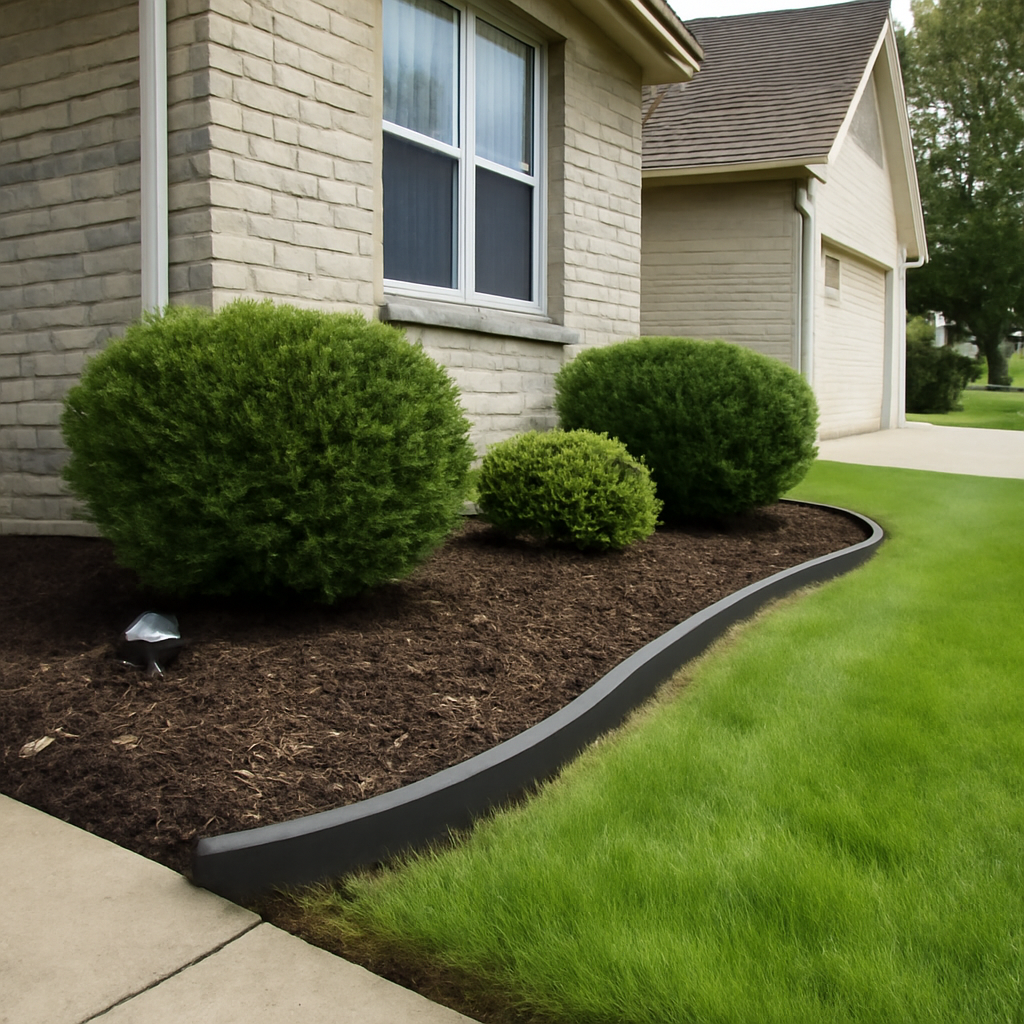
The best landscape edging does two jobs at once: it holds a clean line between lawn and bed, and it keeps mulch, gravel and soil where they belong. Done well, it also helps with something a home inspector cares about, which is keeping water moving away from the house instead of trapping it against the foundation. The right choice depends on material, how tall the edging stands, how deep it anchors and the soil you are driving it into. Front Range clay, rocky foothills fill and freeze-thaw cycles are hard on cheap edging. Below are seven picks across steel, plastic, paver and faux-stone styles, followed by a buying guide.
Part of our Structure & Exterior guide — start there for the full picture →
As an Amazon Associate we earn from qualifying purchases.
How we compared: we compared 15 current Amazon landscape edging listings on what each listing states: material, height, length per kit, anchoring method and stake count, install method, drainage features, country of manufacture and warranty. The shelf breaks down into three metal edgings, nine flexible plastic strip edgings and three decorative faux-stone or brick systems. We did not lab-test or install any of these products hands-on. Prices and availability change often, so check the current listing before buying.
Quick picks: the best landscape edging by job
| Product | Best for | Key features | Price | Buy |
|---|---|---|---|---|
| Coyote PerfEdge 637085 | Best overall, drains water |
| $125.99as of Oct 21, 2026 5:54 am GMT+0000 | Buy now →Check current price |
| Stirlingear Steel 10-Pack | Hammer-in metal, no trench |
| $69.99as of Oct 21, 2026 5:54 am GMT+0000 | Buy now →Check current price |
| Land Guard Corrugated 6 in. | Tallest border on the shelf |
| $23.99as of Oct 21, 2026 5:54 am GMT+0000 | Buy now →Check current price |
| EasyFlex Snip-to-Flex Paver | Paver patios and walks |
| $94.52as of Oct 21, 2026 5:54 am GMT+0000 | Buy now →Check current price |
| Bluepro 2 in. x 100 ft | No-dig plastic in clay |
| $39.99as of Oct 21, 2026 5:54 am GMT+0000 | Buy now →Check current price |
| EasyFlex Pound-In 20 ft | Trimmer-resistant lawn edge |
| $20.86as of Oct 21, 2026 5:54 am GMT+0000 | Buy now →Check current price |
| Beuta Polyrock 4-Pack | Faux brick look |
| $99.00as of Oct 21, 2026 5:54 am GMT+0000 | Buy now →Check current price |
Prices are Amazon’s listed prices as of the time shown and change often; check Amazon for today’s price. As an Amazon Associate we earn from qualifying purchases.
The 7 picks, compared listing by listing
1. Coyote Landscape Products PerfEdge 637085 — Best Overall Landscape Edging

Perforated galvanized steel lawn edging with a rolled safety top, built for wet spots and the downhill side of beds.
Check price on Amazon$125.99 as of Oct 21, 2026 5:54 am GMT+0000 — prices change; see Amazon for current price.Why we like it
- Only perforated edging, so water can drain through
- Rolled top edge described as safer
- Galvanized steel for a long service life
- Pitched for the downhill side of sloped beds
| Specification | Details |
|---|---|
| Material | Galvanized steel, perforated |
| Height | 4 in. |
| Kit length | 5 pieces, about 39 linear ft |
| Edge | Rolled top |
| Intended use | Areas with water accumulation; downhill side of sloped beds |
| Warranty / stakes | Not stated in listing |
Coyote PerfEdge 637085 — perforated galvanized steel, 4 in. tall, rolled top, 5 pieces (about 39 ft), built for drainage
The Only Edging on the Shelf Designed to Let Water Through
Fourteen of the 15 listings are solid barriers. The PerfEdge is the only one that is perforated, and its listing says why: it is meant for areas where water accumulates and for the downhill side of a sloping bed. A solid edge on the low side of a bed acts like a little dam, holding water in the mulch after every storm or watering. A perforated edge holds the mulch line but lets water keep moving.
That detail matters most next to a house. EPA’s guidance on mold and moisture says the ground should slope away from the building foundation so water does not enter or collect around it. Foundation beds are where people most often install edging, and a solid border on the outside of a bed that already slopes toward the lawn can trap water exactly where it should not sit.
It is also one of three metal edgings on the shelf and the only one whose listing calls out a rolled top for safety; cut steel edges can be sharp. The listing does not state stake type or count, gauge or warranty, and four inches of height is moderate compared with the 6-inch Land Guard.
Pros
- Perforations let water drain through
- Rolled top reduces the sharp-edge hazard
- Galvanized steel holds a crisp line
Cons
- Stakes and gauge not described
- About 39 ft per kit
- No warranty stated
Check Coyote PerfEdge Steel Edging price on Amazon
2. Stirlingear Galvanized Steel 10-Pack — Best Hammer-In Metal Edging

Ten 40 in. galvanized, powder-coated steel panels with built-in stakes that leave a low 2 in. visible edge, about 33 ft.
Check price on Amazon$69.99 as of Oct 21, 2026 5:54 am GMT+0000 — prices change; see Amazon for current price.Why we like it
- Hammer-in panels, no trench needed
- Low 2 in. visible line above ground
- Galvanized steel with black powder coat
- Can be cut or bent for curves
| Specification | Details |
|---|---|
| Material | Galvanized steel, black powder coat |
| Panel size | 40 in. long by 5 in. tall, including 3 in. of underground stake |
| Visible height | About 2 in. |
| Kit length | 10 panels, about 33 ft |
| Anchoring | 11 stakes included |
| Weight / warranty | 20.2 lb; warranty not stated |
Stirlingear 10-pack — galvanized powder-coated steel, 40 x 5 in. panels, 2 in. visible, 11 stakes, about 33 ft, 20.2 lb
The Only Metal Edging That Installs Without a Trench
Of the three metal edgings on the shelf, this is the only one designed to be hammered straight into the ground. The Land Guard listing says to push its edging in only after soaking soft soil, or to dig a trench and backfill in firm soil, and the Coyote listing does not describe installation at all. Stirlingear’s panels have stakes built into the lower 3 inches, leaving a low, modern 2-inch line above grade.
A low profile suits a mowing edge where the mower wheel can ride along the steel. It is less suited to holding back deep mulch or gravel, which can spill over a 2-inch lip. It is also the only listing that describes a powder-coated finish over the galvanizing.
Hammer-in installation depends on soil. Dense clay and rocky fill, both common along the Front Range, can make driving 3-inch stakes difficult and can bend thin steel. The listing gives no gauge or warranty.
Pros
- No trenching required
- Clean low-profile metal edge
- Powder-coated over galvanized steel
Cons
- 2 in. lip is low for deep mulch
- Hard to drive in rocky or dry clay soil
- Gauge and warranty not stated
Check Stirlingear Steel Edging 10-Pack price on Amazon
3. Land Guard Corrugated 6 in. x 50 ft — Best Tall Edging for Deep Beds

6 in. by 50 ft corrugated galvanized metal edging with an anti-corrosion coating, for raised mulch and gravel beds.
Check price on Amazon$23.99 as of Oct 21, 2026 5:54 am GMT+0000 — prices change; see Amazon for current price.Why we like it
- Tallest edging on the shelf at 6 in.
- Corrugated ripple adds stiffness
- Galvanized with anti-corrosion treatment
- One continuous 50 ft roll
| Specification | Details |
|---|---|
| Material | Galvanized metal with anti-corrosion coating |
| Size | 6 in. tall by 50 ft long |
| Profile | Corrugated 3D ripple design |
| Install | Push into soaked soft soil, or trench and backfill in firm soil |
| Weight | About 10.5 lb |
| Stakes / warranty | Not stated in listing |
Land Guard HYWL-6H50 — 6 in. x 50 ft corrugated galvanized metal edging, coated, push-in or trench install, 10.5 lb
The Tallest Border Stated on the Shelf
Listed heights on this shelf range from 1.5 inches (MIXC) to 6 inches. The Land Guard is the only listing at 6 inches, which gives it enough depth to sit partly below grade and still hold back a thick layer of mulch or a gravel path. The corrugated ripple is not just decorative; the listing says it strengthens the structure, which helps a thin metal band resist bending.
The install instructions are refreshingly honest. Rather than calling it no-dig, the listing says to soak soft soil and push the edging in, or to dig a trench, set the edging and backfill in firm soil. Trenching is more work, but it gives a straighter, more stable result than pounding a tall band into hard ground.
No stakes are described, so plan on buying them separately for long straight runs. The listing does not state metal gauge or warranty, and as with all metal edging, cut ends should be filed or capped.
Pros
- 6 in. height holds deep mulch and gravel
- Corrugation stiffens the band
- Clear, realistic install instructions
Cons
- Usually needs a trench in firm soil
- No stakes described
- Gauge and warranty not stated
Check Land Guard Corrugated Edging price on Amazon
4. EasyFlex Snip-to-Flex Paver Edging 1262-60C — Best for Paver Patios and Walks
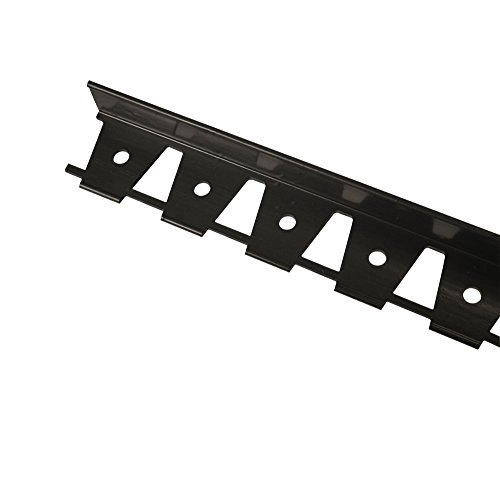
Ten 6 ft segments of commercial-grade plastic paver edging, 1.75 in. tall; snip the spines to form curves.
Check price on Amazon$94.52 as of Oct 21, 2026 5:54 am GMT+0000 — prices change; see Amazon for current price.Why we like it
- Built specifically to restrain pavers and brick
- Snip spines for curves, leave intact for straights
- Commercial-grade plastic per listing
- Rigid 6 ft segments, 60 ft per kit
| Specification | Details |
|---|---|
| Type | Paver restraint edging |
| Material | Commercial-grade plastic |
| Size | 1.75 in. tall; ten 6 ft segments, 60 ft total |
| Curves | Cut spines to flex; uncut for rigid straight runs |
| Anchoring | Stakes sold separately |
| Warranty | Not stated in listing |
EasyFlex 1262-60C — paver restraint, commercial-grade plastic, 1.75 in. tall, 10 x 6 ft segments, snip-to-flex, stakes separate
The Only Listing Built as a Paver Restraint
Seven listings mention pavers somewhere in their text, but most are lawn-and-bed edging strips that simply list paver pathways as one more use. The Snip-to-Flex is the only listing built as a restraint that sits beside pavers, brick, concrete paths and rock gardens to keep the outer row from creeping. Rigid segments hold a straight line, and snipping the spines lets the same piece bend around a curve.
Paver edging works with the base underneath it. A restraint that sits on poorly compacted base will move with it. Our guide to paver base covers the layers, and large patios are often worth a contractor quote.
Two cautions: anchoring stakes are not included, and at 1.75 inches the edging is meant to sit low beside the pavers, not to hold back mulch. The listing gives no warranty.
Pros
- Purpose-built paver restraint
- Rigid or flexible from one piece
- 60 ft per kit
Cons
- Stakes sold separately
- Too low for mulch beds
- No warranty stated
Check EasyFlex Snip-to-Flex Paver Edging price on Amazon
5. Bluepro BP12833 2 in. x 100 ft — Best No-Dig Plastic Edging for Clay Soil

100 ft of 2 in. plastic edging in two 50 ft rolls with 150 steel stakes and a reinforced rib to resist curling.
Check price on Amazon$39.99 as of Oct 21, 2026 5:54 am GMT+0000 — prices change; see Amazon for current price.Why we like it
- Steel stakes instead of plastic spikes
- 150 stakes for 100 ft of edging
- Center rib meant to stop sun warping
- Two lighter 50 ft rolls
| Specification | Details |
|---|---|
| Material | Plastic strip with reinforced center line |
| Size | 2 in. tall; two 50 ft rolls (100 ft) |
| Anchoring | 150 steel stakes through pre-punched tabs |
| Install | No digging; uncoil, cut with shears, hammer stakes |
| Soil claim | Steel stakes described as penetrating clay |
| Warranty | Not stated in listing |
Bluepro BP12833 — 2 in. x 100 ft plastic edging, 2 x 50 ft rolls, 150 steel stakes, reinforced no-curl rib, no-dig install
The Only Plastic Kit That Ships Steel Stakes
Nine listings are flexible plastic strip edgings, and the other no-dig kits either use nylon spikes or do not name the spike material. The Quibbay listings even warn that hard or rocky soil will break their nylon stakes and suggest wetting dry soil first. Bluepro is the only plastic kit that ships steel stakes, 150 of them for 100 feet, and it specifically pitches them for clay. For Front Range clay that bakes hard by midsummer, that is the most useful upgrade on any plastic kit.
The listing also addresses the most common plastic-edging complaint, a wavy border after a hot summer, with a reinforced center rib. Splitting 100 feet into two 50-foot rolls makes the strip easier to straighten in the sun before staking.
A 2-inch strip anchored on the surface is a mulch and grass divider, not a structural border. It will not hold back a slope or a deep gravel bed. The listing states no warranty or UV rating.
Pros
- Steel stakes for hard soil
- High stake count per foot
- Rib to reduce warping
Cons
- Low 2 in. height
- Surface-anchored, not structural
- No warranty stated
Check Bluepro 100 ft Plastic Edging price on Amazon
6. EasyFlex Pound-In 3500-20 — Best Trimmer-Resistant Lawn Edge
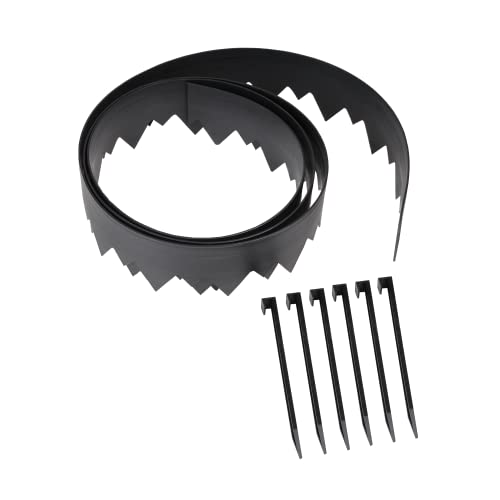
20 ft coil of 4.5 in. straight-top recycled plastic edging, pounded in with a mallet, with 6 anchoring stakes.
Check price on Amazon$20.86 as of Oct 21, 2026 5:54 am GMT+0000 — prices change; see Amazon for current price.Why we like it
- Rated to withstand string trimmers per listing
- Taller 4.5 in. straight-top profile
- Made from recycled plastic
- Allows for seasonal ground movement per listing
| Specification | Details |
|---|---|
| Material | Recycled plastic |
| Size | 4.5 in. tall, 20 ft coil |
| Install | Score the soil, then pound in with a rubber mallet |
| Anchoring | 6 stakes included |
| Durability claims | String trimmers, temperature changes, seasonal ground movement |
| Warranty | Not stated in listing |
EasyFlex 3500-20 — 4.5 in. straight-top recycled plastic, 20 ft, pound-in with mallet, 6 stakes, trimmer resistant per listing
The Only Plastic Edging That Claims Trimmer and Ground-Movement Resistance
Two plastic listings say they are made from recycled material, this EasyFlex and the Amazon Basics coil. The EasyFlex is the only listing on the shelf that claims its edging withstands string trimmers, temperature changes and seasonal ground movement together. That last point matters on the Front Range, where freeze-thaw cycles and clay that swells when wet tend to jack shallow edging out of the ground over a few winters.
At 4.5 inches it is one of the taller plastic options; only the 5-inch Amazon Basics coil is taller among the strips. Instead of a surface-staked strip, it is pounded partway into scored soil, which anchors it deeper than the no-dig kits. The Velway listing also mentions resisting frost heave, but through stake density rather than depth.
The coil is only 20 feet, so most beds need several. The listing does not state a warranty or UV resistance.
Pros
- Taller profile anchored into the soil
- Trimmer and ground-movement claims
- Recycled material
Cons
- Short 20 ft coil
- Only 6 stakes
- No warranty stated
Check EasyFlex Pound-In Edging 20 ft price on Amazon
7. Beuta Polyrock Bricks 4-Pack — Best Faux Brick Edging

Four interlocking 6-brick Polyrock sections, about 16 ft total with 12 spikes, made in the USA, in Greystone.
Check price on Amazon$99.00 as of Oct 21, 2026 5:54 am GMT+0000 — prices change; see Amazon for current price.Why we like it
- Brick look without mortar or heavy masonry
- Interlocking sections with securing spikes
- Made in the USA per listing
- Pitched to stop trimmer damage to beds
| Specification | Details |
|---|---|
| Material | Polyrock, a lightweight faux brick material |
| Section size | About 47.5 in. long by 2.25 in. tall, 6 bricks each |
| Pack | 4 sections (about 16 ft) with 12 spikes |
| Connection | Interlocking; Function Bricks for shapes sold separately |
| Origin | Made in the USA |
| Warranty | Not stated in listing |
Beuta Polyrock 4-pack — interlocking faux brick, 4 x 6-brick sections (about 16 ft), 12 spikes, made in the USA
One of Three Decorative Systems, and One of Three Made in the USA
Three listings are decorative edging systems rather than strips: two Beuta Polyrock pack sizes and the RTS Rock Lock faux stone. All three state they are made in the USA, the only listings on the shelf that do. Beuta’s 4-pack is the practical size, about 16 feet with three spikes per section; the single pack covers only 4 feet.
The appeal is a brick or stone look without the weight of real masonry or the work of setting a concrete bead. The listing says the edging keeps mulch from migrating and protects beds from weed eater damage. RTS’s Rock Lock comes with 18-inch spikes and the shelf’s only stated warranty, a one-year parts term, but in 10-foot packs of curved sections.
At 2.25 inches, Polyrock is a visual border, not a retaining edge. Expect to buy several packs for a typical bed, and extra Function Bricks for corners.
Pros
- Brick look, light to handle
- Interlocking with spikes included
- Made in the USA
Cons
- Only 16 ft per 4-pack
- Corner pieces sold separately
- No warranty stated
Check Beuta Polyrock Edging 4-Pack price on Amazon
Landscape edging materials compared
Steel and galvanized metal
Steel holds the crispest line, resists mower and trimmer damage and lasts the longest of the common materials. Galvanizing and powder coating slow rust. The downsides are cost, weight, sharp cut edges and difficulty bending tight curves. Steel is the right choice for long straight runs, modern designs and anywhere a mower wheel rides along the edge.
Plastic and PE strips
Plastic strip edging is light, cheap, easy to cut and easy to curve. Its weaknesses are heaving, warping in sun and shallow anchoring. Look for UV resistance, a reinforcing rib, a taller profile and metal stakes. Two listings here state they use recycled plastic; four name PE or HDPE.
Paver restraints
Paver edging is a different product: low, rigid and staked beside the outer row of pavers to keep them from spreading. It is not meant to separate lawn from mulch.
Decorative faux stone and brick
Molded faux brick or stone gives a masonry look with interlocking sections and spikes. Height is low, so it is a visual border. Real stone or concrete curbing is heavier, more permanent and usually a contractor job.
Height, depth and anchoring
Edging height on this shelf runs from 1.5 inches to 6 inches. Think in terms of how much sits below grade and how much shows above it. A border that stands proud on the surface with nothing below is easy to install and easy to dislodge. Grass roots travel under shallow edging, and frost lifts it.
- Mowing edge: a low, flush border (about 1 to 2 inches showing) lets a mower wheel run along it. Steel works best.
- Mulch bed: 2 to 3 inches showing holds mulch in place. EPA WaterSense recommends mulch at a depth of three to four inches for most plants, so a deep mulch bed needs edging tall enough to contain it, or a bed surface set slightly below the lawn.
- Gravel path or raised bed: taller edging, partly buried, such as a 4- to 6-inch metal band.
- Anchoring: more stakes and deeper stakes beat fewer and shallower. Metal stakes survive clay and rocky fill; nylon and plastic spikes can snap.
Before driving long stakes or trenching, find out where utilities run. EPA’s Soak Up the Rain guidance on rain gardens points out the need for accurate information about underground utilities before you dig, and the same applies to edging trenches; in Colorado, that means contacting the state’s 811 locate service first. Irrigation lines and low-voltage lighting cable are not marked by utility locators, so check those yourself.
Edging, grading and drainage around the house
This is where edging stops being cosmetic. EPA advises that the ground slope away from the building foundation so that water does not enter or collect around it. Foundation beds are often the first place homeowners add edging, mulch and fabric, and every one of those layers can raise the bed or block water if installed carelessly.
- Keep the bed surface sloping away from the house after the edging and mulch go in. Edging should never create a lip that holds water against the wall.
- On the downhill side of a bed, use perforated edging like the Coyote PerfEdge, leave gaps, or set the edging low enough that water can pass over it.
- Do not pile soil or mulch up against siding. Keep a clear gap between bed material and siding or stucco.
- Make sure downspout extensions run across the edging and discharge onto the lawn or into a planned drainage area, not into the bed.
EPA WaterSense also advises minimizing steep slopes in landscape design because of erosion and runoff, and notes that water applied too quickly pools on clay soils and slopes. Edging on a slope should follow the contour, not run straight downhill where it can channel water. For more on fabric under beds, see our weed barrier comparison and the general landscape fabric guide.
Installation tips for Front Range soil
- Water the line first. Several listings advise wetting dry soil before driving stakes. Watering the edge line a day before makes clay far easier to work.
- Cut a clean trench, even for no-dig kits. A shallow slit made with a flat spade lets the bottom of the edging sit below grade, which blocks grass runners and resists frost heave better than surface staking.
- Straighten plastic in the sun. Let coiled edging warm before installing so it lies flat.
- File or cap steel ends. Cut steel edges are sharp, particularly where children or pets play.
- Re-set after the first winter. Freeze-thaw cycles lift shallow edging. A quick spring pass with a mallet keeps the line tight.
Our general landscape edging guide walks through styles and costs. For the plants inside the border, our soaker hose comparison covers watering beds without wetting the foundation. Edging also makes weed control easier; if spot treatment is needed, our weed killer comparison covers options.
When to call a professional
Edging is a weekend project, but some problems it uncovers are not. If digging along the foundation turns up soil that slopes toward the house, wet or stained soil against the wall, cracks in the foundation or window wells that fill with water, the grading needs attention before any border goes in. Long retaining edges on slopes, concrete curbing and large paver patios are often better as contractor jobs, both for drainage and for base preparation.
Grading and drainage are a standard part of an exterior inspection; our exterior and structure inspection overview explains what gets checked. If you are buying or selling on the Front Range and want the lot drainage evaluated before you landscape, reach out through our contact page to connect with a vetted local inspector.
Frequently asked questions
What is the best material for landscape edging?
Steel or galvanized metal edging holds the cleanest line and lasts longest, and it stands up to mowers and trimmers. Plastic edging is cheaper and easier to curve but can heave or warp. Paver restraints and faux brick or stone are specialty options for patios and decorative borders.
Does no-dig landscape edging work?
No-dig edging works for dividing mulch from lawn in soft soil, but it anchors only at the surface. In clay or rocky soil, plastic spikes can snap and frost can lift the strip. Cutting a shallow slit so part of the edging sits below grade and using metal stakes gives a more durable result.
How deep should landscape edging be installed?
Enough to stop grass runners and resist frost heave, usually with part of the edging set below grade. A mowing edge may show only 1 to 2 inches, while a mulch bed needs enough height to contain mulch, which EPA WaterSense recommends at 3 to 4 inches deep for most plants.
Can landscape edging cause drainage problems?
Yes, if a solid border traps water against the house. EPA advises that the ground slope away from the foundation so water does not collect there. Keep beds sloping away, use perforated edging or gaps on the downhill side, and route downspouts past the bed.
Do you need to call 811 before installing edging?
It is wise before trenching or driving long stakes. EPA guidance on rain gardens notes the need for accurate information about underground utilities before digging. Colorado's 811 service locates public utility lines, but private lines such as irrigation and low-voltage lighting are not marked, so check those yourself.
References
- A Brief Guide to Mold, Moisture and Your Home — U.S. Environmental Protection Agency
- Landscaping Tips — U.S. Environmental Protection Agency, WaterSense
- Watering Tips — U.S. Environmental Protection Agency, WaterSense
- Soak Up the Rain: Rain Gardens — U.S. Environmental Protection Agency